Affordable Poplar Wood Glass Doors with Patterned Glass for Budget-Friendly Home Projects
Transforming your home doesn’t require a lavish budget—especially when innovative design meets cost-effective materials. Poplar wood glass doors with patterned glass offer an elegant, budget-friendly solution for homeowners seeking style, privacy, and durability without compromise. Renowned for its smooth grain and lightweight stability, poplar wood provides a versatile canvas that accepts stains and paints beautifully, making it ideal for custom finishes at a fraction of the cost of hardwoods. Paired with intricately patterned glass, these doors filter natural light while adding architectural charm to interior spaces—from closets and pantries to home offices and bathroom entries. The result is a sophisticated aesthetic that elevates any room, all within reach of modest renovation budgets. With growing demand for affordable yet stylish home upgrades, poplar wood glass doors are emerging as a smart choice for designers and DIY enthusiasts alike. Discover how this dynamic combination blends functionality, beauty, and value in one compelling package.
Why Poplar Wood Is the Smart Choice for Budget Interior Doors
- Cost-effective without compromising structural integrity
- Uniform grain and consistent density enable efficient machining and finishing
- Readily available in sustainable supply chains, reducing lead times and procurement risk
- Accepts stains, paints, and sealants exceptionally well, allowing for custom aesthetic finishes
- Low shrinkage and swelling coefficients ensure dimensional stability in standard indoor environments
- Lightweight compared to hardwood alternatives, simplifying installation and reducing hardware strain
Poplar wood stands out as a strategic material selection for budget-conscious interior door applications, particularly when integrated into designs featuring patterned glass. Its mechanical properties align closely with performance requirements for residential and light commercial interiors, offering a favorable strength-to-cost ratio unmatched by alternative species in its class. With a Janka hardness of approximately 540 lbf, poplar resists everyday wear while remaining easy to cut, shape, and assemble—critical advantages in door manufacturing where precision and repeatability drive production efficiency.
Unlike softwoods prone to denting or premium hardwoods that escalate project costs, poplar delivers a balanced compromise. Its naturally pale hue and minimal grain variation create a neutral substrate ideal for painted finishes, ensuring seamless integration with modern or traditional décor schemes. When paired with patterned glass—a design element that diffuses light and enhances privacy without sacrificing aesthetics—poplar frames maintain visual coherence while containing material expenditure.
Environmental stability is another key advantage. Poplar exhibits predictable behavior under fluctuating humidity levels typical in conditioned interiors, minimizing warping, cupping, or gapping over time. This dimensional reliability translates to reduced callbacks and long-term maintenance savings—factors often overlooked in initial budgeting but critical to lifecycle cost analysis.
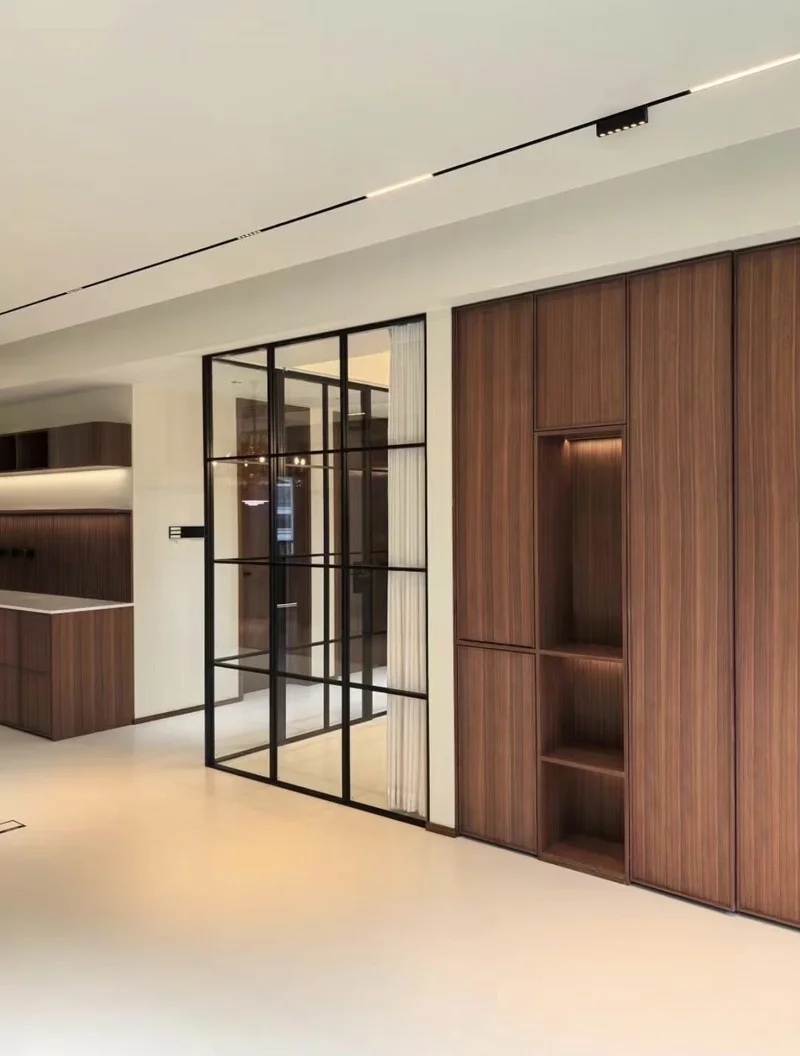
Moreover, poplar is frequently sourced from responsibly managed North American forests, supporting compliance with green building standards such as LEED or WELL. Its rapid growth cycle and widespread cultivation ensure consistent availability, buffering against market volatility that affects tropical hardwoods.
For projects prioritizing economy, performance, and design flexibility, poplar wood provides a technically sound foundation. When engineered into glass-embedded door assemblies, it enables architects, builders, and homeowners to achieve high-impact visual results without exceeding financial constraints. This combination of practical resilience, adaptability in finishing, and cost efficiency solidifies poplar’s role as the material of choice for scalable, budget-aligned interior solutions.
Styling Interior Spaces with Patterned Glass in Poplar Wood Doors
-
Incorporate patterned glass within poplar wood doors to introduce texture and visual interest without sacrificing privacy. The interplay between the organic grain of poplar and the deliberate geometry or abstraction of patterned glass creates a sophisticated contrast ideal for budget-conscious yet design-driven interiors.
-
Select glass patterns based on functional needs and aesthetic goals. Textured, reeded, or seeded glass diffuses light softly, making it well-suited for bathrooms, hallways, or home offices where ambient illumination is desired. Geometric or linear patterns lend a modern edge, while traditional fluted or colonial designs complement transitional or cottage-style interiors.
-
Frame the patterned glass with minimal stile-and-rail poplar door construction to emphasize the glass panel. Poplar’s fine, consistent grain and ability to accept stains or paints allow the door to blend seamlessly into diverse palettes—painted white for a clean backdrop or stained walnut-toned to mimic more expensive hardwoods.
-
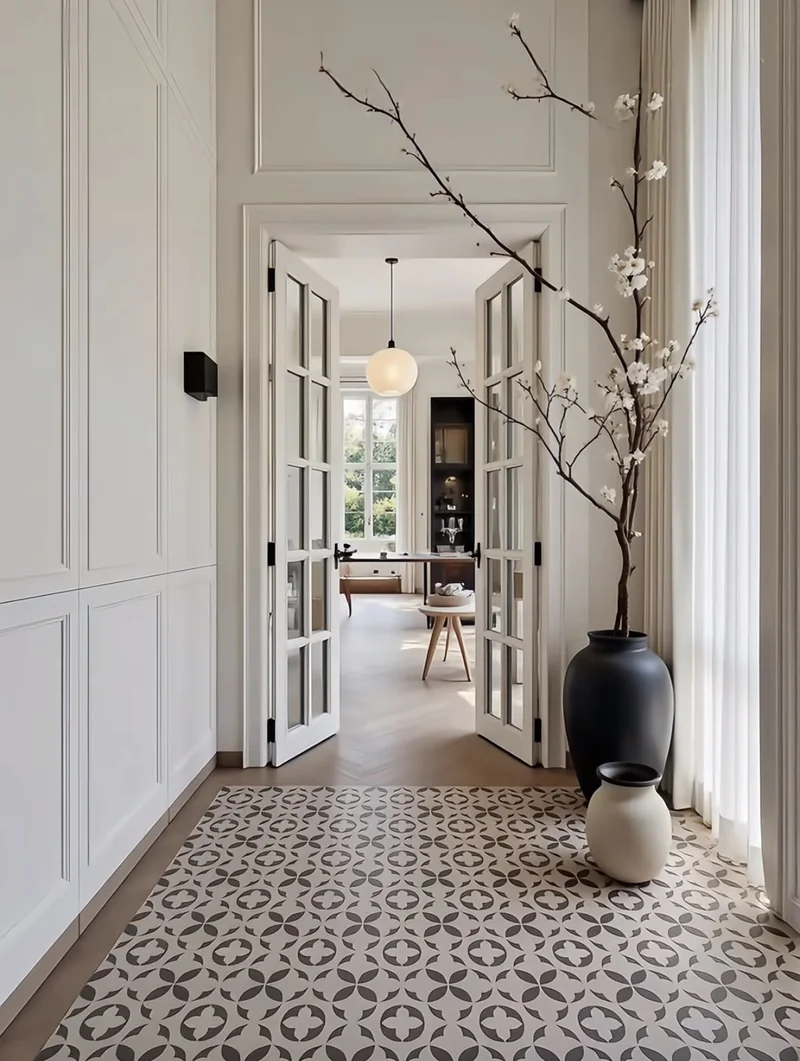
Position doors with patterned glass to enhance spatial perception. Interior transom placements above doorways or as part of a French door pair amplify natural light transfer between rooms, reducing reliance on artificial lighting and fostering an open, cohesive floor plan.
-
For unified design impact, extend the glass motif beyond doors. Match or echo the glass pattern in nearby cabinet inserts, sidelights, or room dividers to create rhythm and coherence across spaces.
| Application | Recommended Pattern | Design Benefit |
|---|---|---|
| Bathroom Entry | Seeded or Rain Glass | Softens light, obscures view |
| Home Office | Vertical Reeding | Adds verticality, maintains privacy |
| Pantry or Closet | Grid or Square Etch | Reinforces structure, enhances utility |
| Living Area French Doors | Cathedral or Art Deco | Elevates focal point, invites light |
-
Maintain a restrained hardware selection—brushed nickel or matte black pulls and hinges—to avoid visual competition with the glass. The door should function as a curated architectural element, not a decorative overload.
-
Prioritize low-iron glass with pattern etching for superior clarity and reduced greenish tint, ensuring the pattern reads crisply without distorting adjacent colors or finishes.
-
When installing, align door placement with interior sightlines and daily light paths. A north-facing hallway benefits from highly transmissive patterns, while south-facing entries may use denser textures to moderate glare.
Styling with patterned glass in poplar doors merges affordability with intentionality—delivering lasting design value through smart material pairing and strategic placement.
Cost Comparison: Poplar Wood Glass Doors vs. Other Materials
| Material | Average Cost (per Door) | Long-Term Value | Maintenance Requirements | Aesthetic Flexibility |
|---|---|---|---|---|
| Poplar Wood with Patterned Glass | $250–$400 | High | Moderate (requires periodic sealing) | High (stains and finishes well) |
| Hardwood (e.g., Oak, Cherry) | $500–$1,200 | Very High | Low to moderate | High (natural grain appeal) |
| MDF with Glass Infill | $200–$350 | Moderate | Low (prone to swelling if exposed to moisture) | Moderate (limited to painted finishes) |
| PVC/Composite | $300–$600 | Moderate | Very Low | Low (less authentic wood appearance) |
| Aluminum Framed Glass | $400–$800 | Moderate to High | Very Low | Low (industrial aesthetic) |
Poplar wood glass doors, particularly those incorporating patterned glass, offer a compelling balance of affordability and performance within residential applications. With an average installed cost ranging from $250 to $400, they sit below premium hardwood alternatives while delivering significantly greater aesthetic versatility and structural integrity than engineered or synthetic substitutes. This cost advantage is particularly impactful in multi-door projects such as interior room dividers, kitchen pantries, or bathroom enclosures, where cumulative savings can exceed several hundred dollars without compromising design intent.
Compared to solid hardwoods like oak or cherry—renowned for durability but commanding prices up to three times higher—poplar provides a cost-effective yet workable substrate that accepts stains and paints uniformly, allowing it to mimic more expensive woods. Its compatibility with patterned glass enhances privacy without sacrificing light transmission, making it ideal for functional spaces where ambiance and utility intersect.
MDF doors with glass inserts may offer a slightly lower entry price, but they lack resilience in humid environments such as bathrooms or laundry rooms, where moisture absorption can lead to warping or delamination. In contrast, properly sealed poplar maintains dimensional stability under similar conditions. While PVC and composite alternatives boast minimal maintenance, they often lack the warmth and authenticity valued in residential interiors, limiting their appeal in design-conscious renovations.
Aluminum-framed glass doors, though durable and modern, involve higher material and installation costs, often necessitating structural modifications. They are better suited to commercial or high-end architectural contexts than budget-driven home projects.
Ultimately, poplar wood glass doors with patterned glass deliver superior cost efficiency, design adaptability, and long-term performance for homeowners seeking elevated aesthetics without exceeding budget constraints. Their strategic use enables high-impact results in both new builds and renovations, reinforcing their position as a prudent material choice in value-oriented design.
Top Design Ideas for Patterned Glass in Affordable Interior Doors
-
Utilize textured reeded glass for a modern yet timeless aesthetic. This vertical linear pattern diffuses light effectively while maintaining privacy, making it ideal for bathrooms and home offices. Paired with poplar wood frames, the subtle grain of the wood complements the uniformity of the reeding, creating visual harmony without driving up costs.
-
Consider geometric etched patterns such as diamond or hexagonal motifs for a structured, contemporary feel. These designs offer visual interest without compromising durability. When applied to affordable poplar doors, they elevate the perceived value of the space, particularly in hallways or between living and dining areas where partial visibility is desired.
-
Opt for obscured cathedral or rain glass patterns to introduce organic movement. These patterns mimic natural elements and scatter light softly, enhancing ambient illumination in entryways or interior stairwells. Their low-cost manufacturing process keeps them accessible, aligning with budget-conscious objectives while delivering high design impact.
-
Frame smaller glass inserts with minimalist muntins to emulate colonial or craftsman styles. Divided lites with simple crossbars or prairie patterns provide architectural authenticity without requiring expensive custom joinery. Poplar’s workability allows clean muntin integration, preserving structural integrity and cost efficiency.
-
Explore dual-tone finishes where the poplar frame is stained or painted in contrast to the door slab. For example, a warm walnut-stained frame with a white-painted door and neutral-toned patterned glass creates layered depth. This technique enhances the glass design without additional material expense.
-
Integrate patterned glass in bypass or pocket door configurations to maximize space in compact floor plans. Select repetitive, scalable patterns like linear waves or grids that maintain continuity when doors align. This approach ensures design cohesion while supporting functional needs in studios or multifunctional rooms.
-
Prioritize low-iron glass with patterned etching for brighter light transmission in north-facing or windowless rooms. Though slightly more expensive, its clarity amplifies natural light, reducing reliance on artificial lighting and improving energy efficiency over time—offering long-term value within a modest initial investment.
Each design choice should balance aesthetic intent with material constraints, leveraging poplar’s versatility and the cost-effective production of patterned glass. Strategic selection ensures architectural character and functional performance without exceeding budget parameters, making high-design interiors accessible across diverse residential applications.
Where to Buy and How to Install Poplar Wood Glass Doors on a Budget
-
Purchase poplar wood glass doors directly from regional lumberyards or hardwood distributors for the best pricing, as they often offer unfinished doors at lower margins than big-box retailers. Compare prices between online suppliers such as Woodcraft, Bellawood, and local mills to identify cost-efficient options with FSC-certified or sustainably sourced poplar.
-
Prioritize doors with pre-installed patterned glass inserts, as custom glazing significantly increases labor and material costs. Look for stock designs featuring reeded, fluted, or obscure glass, which provide privacy and aesthetic appeal while maintaining affordability. Verify that the glass is tempered for safety and properly sealed within the wood frame.
-
Time installation during seasonal sales or promotional periods—many suppliers offer discounts in late winter or early fall. Consider purchasing slightly imperfect “grade B” doors, which may have minor surface blemishes but are structurally sound and ideal for staining or paint-grade finishes.
-
For DIY installation, ensure the door opening is square, level, and within standard dimensions (typically 24″ to 36″ wide). Use a digital level and framing square to check alignment. Remove the existing door and frame if necessary, taking care to preserve trim and casing for reuse.
-
Begin installation by dry-fitting the door in the jamb. Adjust hinges if required for smooth swing and proper clearance (1/8″ at top and sides, 3/8″ at bottom). Secure the hinge mortises with #8 or #9 trim-head screws in pilot-drilled holes to prevent splitting the poplar.
-
Seal all bare wood surfaces—including edges and rails—with a water-resistant wood conditioner or sanding sealer before finishing. This prevents moisture absorption and ensures even stain or paint uptake. Apply two coats of water-based polyurethane for durability, or use a high-build acrylic for painted finishes.
-
Use painter’s tape to mask glass during finishing, and clean any overspray immediately. Allow full cure time before regular use.
-
For multi-door projects, batch-process sanding, sealing, and finishing to maximize efficiency and reduce labor time. Renting tools such as a pneumatic finish nailer or orbital sander can further cut costs without sacrificing quality.
Frequently Asked Questions
What makes poplar wood a cost-effective choice for glass doors in budget projects?
Poplar wood offers a balance of affordability, workability, and stability, making it ideal for budget-friendly interior glass doors. It machines and finishes well, accepts stains and paints uniformly, and is less prone to warping than other softwoods. When paired with patterned glass, poplar provides a high-end aesthetic at a fraction of the cost of hardwoods like oak or cherry.
How does patterned glass enhance privacy without sacrificing light in poplar wood doors?
Patterned (or obscure) glass diffuses natural light while obscuring direct visibility, making it perfect for bathrooms, home offices, or entryways. Textures like reeded, fluted, or seeded glass maintain brightness and style while offering privacy—without the need for window treatments. This functional aesthetic makes patterned glass an intelligent, low-maintenance choice for poplar wood doors.
Can poplar wood doors with patterned glass be painted to match modern interiors?
Yes, poplar is one of the best woods for painting due to its minimal grain and smooth surface. When used in glass doors, it can be primed and painted in any color to align with contemporary, minimalist, or traditional decor. Expert tip: use oil-based primer to prevent tannin bleed and ensure long-term adhesion.
What types of patterned glass are best suited for affordable poplar wood doors?
For budget-conscious projects, consider reeded, hammered, or rain glass patterns—these are mass-produced, widely available, and cost-effective. These textures add visual interest and privacy while complementing the clean lines of poplar frames. Laminated or tempered versions are recommended for safety in high-traffic areas.
Are poplar and patterned glass doors durable enough for high-traffic areas?
When properly constructed and sealed, poplar wood doors with patterned glass are suitable for moderate to high-traffic interior applications. Use polyurethane or conversion varnish finishes to protect against dings and moisture. For heavy-use areas, consider upgrading glass thickness to 1/4″ or using tempered glass for added safety.
How can I source affordable pre-made poplar wood doors with patterned glass?
Look for surplus inventory from cabinet suppliers, architectural salvage yards, or online marketplaces like BuildDirect, Lumber Liquidators, or local millwork shops. Many manufacturers offer “builder-grade” poplar doors with stock glass options at competitive prices. Alternatively, custom-order small batches to reduce per-unit costs.
What are the design advantages of combining poplar wood with patterned glass?
The combination allows for customizable light filtering, increased spatial perception, and elegant room division without full enclosure. Poplar’s neutral tone acts as a blank canvas, letting the glass pattern serve as the focal point. This pairing is frequently used in modern farmhouse and transitional designs for its balance of warmth and sophistication.
How do I maintain and clean poplar wood and patterned glass doors affordably?
Clean glass with vinegar-and-water solution or ammonia-free glass cleaner to avoid etching patterned surfaces. For poplar frames, dust regularly and wipe spills promptly. Refinish every 3–5 years with a wipe-on poly finish to maintain protection—avoid wax-based products that build up and cloud over time.
Can I retrofit patterned glass into existing poplar wood doors?
Yes, retrofitting is a cost-effective upgrade. Remove the existing glass panel, ensure the door’s mortise is sound, then install a custom-cut patterned glass panel with glazing points and putty or silicone. For structural integrity, consult a glazier—especially when upgrading to tempered or insulated glass.
What finishes best protect poplar wood in humid environments like bathrooms?
In humid areas, apply a moisture-resistant finish such as two-part polyurethane or marine varnish. These sealants prevent swelling and fungal growth. Additionally, back-prime the door’s edge grain and avoid exposing raw wood during installation to minimize absorption.
Are there fire-rated poplar wood doors with patterned glass options for budget builds?
True fire-rated doors require certified assemblies with tested glass (e.g., ceramic or wired glass), which increases cost. However, for non-rated applications seeking aesthetic compliance, many manufacturers offer poplar doors with fire-stain finishes and tempered patterned glass to meet indirect safety standards without exceeding budgets.
How can I reduce costs when installing multiple poplar wood glass doors?
Order doors in standard sizes (e.g., 24″, 28″, 30″ wide) to avoid custom premiums. Bundle purchases from the same vendor for freight savings. Install during framing or rough-in phase to simplify alignment. Use standard hinges and pre-hung kits to cut labor time and precision requirements.