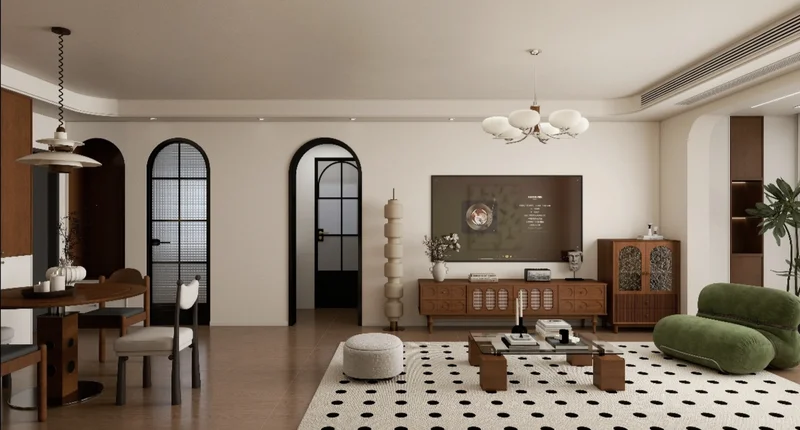
Luxury Teak Wood and Frosted Glass Doors for High-End Club Projects | Collection-Grade Craftsmanship
In the realm of exclusive hospitality design, where ambiance and artistry converge, the integration of luxury teak wood and frosted glass doors redefines sophistication for high-end club environments. Meticulously crafted for discerning architects and interior visionaries, this collection-grade project harmonizes the rich, warm grain of sustainably sourced Indonesian teak with the subtle elegance of sandblasted frosted glass, offering both visual depth and refined privacy. Each door is a testament to masterful joinery and precision engineering—hand-finished by artisans with generations of expertise—ensuring seamless operation and enduring beauty in high-traffic, elite spaces. The interplay of natural wood texture and softly diffused light creates an atmosphere of understated opulence, perfectly suited for members-only lounges, private dining rooms, or boutique wellness sanctuaries. More than mere entryways, these doors serve as architectural statements—elevating spatial narrative while embodying the timeless craftsmanship expected in world-class club developments.
Why Collection-Grade Teak Is the Ultimate Choice for Premium Club Entrances
-
Exceptional density and natural oil content make collection-grade teak uniquely suited for high-traffic, prestige environments such as private clubs, where longevity and aesthetics are non-negotiable. This grade represents the heartwood of mature Tectona grandis trees, sourced from sustainably managed forests with optimal growing conditions, resulting in tight, uniform grain and minimal imperfections.
-
Unlike commercial-grade teak, collection-grade material is free from knots, sapwood, and structural inconsistencies. This purity ensures dimensional stability under fluctuating humidity and temperature—critical for entrance doors exposed to seasonal transitions and coastal climates. Its resistance to warping, cracking, and fungal decay eliminates maintenance concerns without sacrificing visual refinement.
-
The natural silica and oils in collection-grade teak provide inherent protection against moisture ingress and UV degradation, preserving both structural integrity and golden-brown luster over decades. When paired with frosted glass panels—engineered for privacy, light diffusion, and architectural symmetry—the result is a portal that balances exclusivity with elegance.
-
Aesthetically, collection-grade teak develops a distinguished silvery patina over time if left untreated, or it can be maintained in its original warmth with minimal intervention. This dual capacity allows clubs to align material expression with brand identity—whether timeless warmth or understated sophistication.
-
From a design standpoint, the wood’s workability allows for precise joinery, clean detailing, and integration with modern hardware systems without compromising strength. Its weight and acoustic mass contribute to sound attenuation, enhancing privacy within club interiors.
-
Sustainability is increasingly central to luxury branding. Collection-grade teak is typically certified under rigorous forestry standards (e.g., PEFC, FSC), ensuring ethical sourcing without greenwashing. This transparency resonates with environmentally conscious clientele and institutional stakeholders.
-
In the context of high-end club architecture, where first impressions define member experience, the entrance door is not merely functional—it is symbolic. Collection-grade teak, combined with minimalist frosted glass, conveys permanence, discretion, and craftsmanship. It resists obsolescence in both form and function, distinguishing elite establishments through material authenticity.
-
Ultimately, selection of collection-grade teak reflects a commitment to enduring value. It transcends trend, offering a tactile and visual benchmark that aligns with the legacy aspirations of premium private clubs worldwide.
Design Excellence: Combining Natural Wood with Frosted Privacy Glass
-
Premium teak wood and frosted privacy glass converge in door design to achieve a rare standard of architectural elegance, where material authenticity meets refined functionality. This synthesis defines a benchmark in high-end club environments, where spatial distinction, acoustic comfort, and aesthetic continuity are paramount.
-
Teak, harvested from sustainably managed plantations, offers exceptional density, grain stability, and natural resistance to moisture and decay—qualities essential for enduring performance in climate-controlled yet high-traffic hospitality settings. Its warm, golden-brown hue deepens gracefully over time, cultivating a patina that speaks to legacy rather than mere use.
-
The integration of 8–10mm tempered frosted glass ensures optimal visual diffusion, allowing natural and ambient light to permeate private zones without compromising discretion. Acid-etched or sandblasted finishes provide uniform opacity while preserving surface integrity, resisting fingerprints and environmental wear far more effectively than coatings or films.
-
Precision-engineered joinery—such as mortise-and-tenon or finger-jointed frames—secures the glass within teak surrounds without visible fasteners, creating a seamless transition between organic and translucent elements. Each assembly undergoes stress testing to guarantee dimensional stability under thermal fluctuation and mechanical load.
-
Finishes are applied in multiple micro-thin layers, beginning with resin sealing to minimize tannin bleed, followed by UV-resistant polyurethane or natural oil enhancements that accentuate grain character while defending against abrasion and club-use exposure.
-
Hardware selection complements the composition: concealed hinges, magnetic catches, and low-profile pulls in satin brass or brushed stainless steel preserve visual purity. Integration with smart access systems is executed discreetly, maintaining design integrity without sacrificing modern convenience.
-
These doors perform as both threshold and statement—mediating between private lounge and communal space with quiet authority. Their balanced proportion, typically 70% teak to 30% glass, ensures grounding mass without visual heaviness, while the frosted surface introduces a subtle luminosity that enhances interior ambiance.
-
Each unit is crafted to exacting tolerances, with final inspection verifying flatness, alignment, and finish consistency. Serial numbering and documentation affirm collection-grade provenance, aligning with curatorial standards often reserved for bespoke furniture or architectural fixtures in legacy developments.
-
In elite club environments, where membership expectations include timeless materiality and flawless execution, this marriage of teak and frosted glass transcends utility—becoming an expression of enduring design excellence.
Engineering Durability and Elegance in High-Traffic Club Environments
-
Engineered for resilience without compromising aesthetic distinction, luxury teak wood and frosted glass doors meet the exacting demands of high-traffic club environments where durability, privacy, and elegance converge. These spaces—private lounges, members-only salons, executive suites—require architectural elements that withstand constant use while reinforcing exclusivity and refinement.
-
Teak wood, selected for its naturally high oil content, interlocked grain, and resistance to moisture and decay, forms the structural backbone of these doors. Sourced from sustainably managed plantations, each plank undergoes kiln-drying to precise moisture levels, minimizing dimensional instability. The result is a material that resists warping, swelling, and surface degradation under fluctuating humidity—critical in climate-controlled interiors subjected to heavy foot traffic and frequent door operation.
-
The integration of tempered frosted glass enhances both function and design. Sandblasted or acid-etched to diffuse light and obscure direct views, the glass maintains spatial openness while ensuring acoustic privacy. Laminated with UV-stable interlayers or framed within precision-mitered teak stiles and rails, the glazing withstands impact and repeated cleaning, preserving clarity and finish integrity over decades.
-
Hardware selection is equally rigorous. Concealed hinges with ball bearings facilitate smooth 180-degree operation, supporting multi-thousand-cycle performance. Premium mortise locks with anti-tamper cylinders align with institutional security needs, while brushed stainless-steel or satin brass pulls provide tactile sophistication. All metal components are corrosion-resistant and engineered for minimal maintenance.
-
Craftsmanship elevates these technical attributes into collection-grade artistry. Hand-fitted joinery—dovetail, mortise-and-tenon—ensures structural continuity under mechanical stress. Finishes are built in multiple hand-sanded layers, sealed with non-yellowing acrylic-modified polyurethanes that protect against alcohol-based cleaners and incidental spills common in club settings.
-
In high-end clubs, where brand identity hinges on seamless integration of material integrity and design language, these doors perform beyond enclosure—they become silent ambassadors of enduring quality. Their presence signals intent: a commitment to longevity, discretion, and aesthetic authority in environments where every detail is scrutinized and expected to last.
Customizing Glass Door Systems for Exclusive Membership Venues
-
Customization begins with material integrity: teak wood selected for its density, grain refinement, and natural resistance to moisture ensures enduring performance in climate-controlled environments typical of private clubs. Only quarter-sawn or vertical-grain teak is utilized to minimize warping and enhance dimensional stability over decades of use.
-
Glass components are precision-engineered for both aesthetic discretion and structural performance. Frosted glass is acid-etched to a uniform Grade 4 opacity, providing visual privacy without sacrificing ambient light transmission. Laminated safety glass with a PVB interlayer is standard, meeting stringent impact and acoustic requirements for high-traffic luxury spaces.
-
Integration with access control systems is seamless. Door frames are pre-machined to embed RFID readers, biometric scanners, or keypad interfaces within flush-mounted housings, preserving clean sightlines. Electrified hinges or concealed power transfer units enable uninterrupted power delivery to electronic locks without visible cabling.
-
Threshold design is adapted to venue-specific needs: raised bronze thresholds with integrated drainage accommodate frequent cleaning in spa or wellness zones, while low-profile stainless steel tracks support barrier-free access in member lounges and event spaces.
-
Finishes are curated in collaboration with the venue’s design team. Teak is finished with UV-resistant oil blends that deepen patina over time, enhancing warmth without yellowing. Glass edges are beveled or polished to complement ambient lighting schemes, and optional back-painted bands in custom RAL tones introduce subtle brand alignment.
-
Acoustic performance is prioritized. Double-glazed units with argon fill achieve STC 45+ ratings, effectively isolating private meeting rooms or screening lounges from adjacent activity. Gasketing systems are compression-molded to exact tolerances, eliminating air infiltration and minimizing sound bleed.
-
Hardware selection adheres to collection-grade standards—lever sets in solid forged brass with anti-tarnish plating, concealed continuous hinges with 200,000-cycle endurance ratings, and multi-point locking systems ensure both security and silent operation.
-
Each door system is documented with a material passport, detailing wood origin, glass certification, and hardware specifications—supporting provenance transparency and long-term maintenance protocols essential for heritage-conscious venues.
-
Prototyping is conducted for all bespoke configurations. Full-scale mock-ups are reviewed in situ under operational lighting and traffic flow conditions, ensuring alignment with both functional requirements and the venue’s experiential narrative.
The Role of Craftsmanship in Elevating Club Interior Architecture
-
Meticulous craftsmanship serves as the cornerstone of exceptional club interior architecture, transforming functional spaces into immersive environments of refined distinction. In high-end clubs—where legacy, exclusivity, and sensory experience converge—the design of entryways and partitions, particularly doors, transcends utility to become a statement of identity and permanence. Luxury teak wood and frosted glass doors, when executed with collection-grade precision, embody this principle by harmonizing material integrity with artisanal mastery.
-
Teak wood, renowned for its density, grain elegance, and resistance to environmental stress, demands exacting handcrafting techniques. Only through skilled hand-planing, precise joinery, and controlled curing can its dimensional stability and lustrous patina be preserved over decades. Each door becomes a singular artifact, reflecting the wood’s natural variation and the craftsman’s intent. This level of detail ensures structural longevity while elevating tactile engagement—a critical element in spaces where members expect enduring quality.
-
Frosted glass, when integrated, introduces luminosity and spatial depth without compromising privacy. The treatment of the glass—whether sandblasted, acid-etched, or digitally textured—must be calibrated to complement the wood’s warmth and grain pattern. Seamless integration requires exact alignment of glass panels within teak frames, achieved through hand-fitted mortise-and-tenon or floating panel construction. Such precision prevents stress fractures, maintains thermal stability, and preserves visual coherence.
-
The convergence of these materials is not merely aesthetic; it reflects a philosophy of holistic design. In club environments, where acoustics, sightlines, and atmosphere are paramount, a well-crafted door modulates sound transmission, filters light, and guides movement with quiet authority. The absence of visible hardware, concealed hinges, and custom thresholds further attest to craftsmanship’s role in achieving visual purity.
-
Ultimately, doors defined by collection-grade craftsmanship are not installed—they are curated. They respond to the architectural narrative, uphold the institution’s prestige, and endure as functional heirlooms. In this context, craftsmanship is not an embellishment; it is the essential medium through which luxury, discretion, and permanence are architecturally realized.
Frequently Asked Questions
What makes collection-grade teak ideal for high-end club wood glass doors?
Collection-grade teak is prized for its exceptional density, natural oils, and straight grain structure, offering unparalleled durability and resistance to warping, moisture, and decay. Sourced from mature, sustainably harvested trees, it contains minimal knots and defects, providing a premium aesthetic and structural integrity essential for luxury architectural applications like high-end club doors.
How does frosted privacy glass balance aesthetics and functionality in luxury door design?
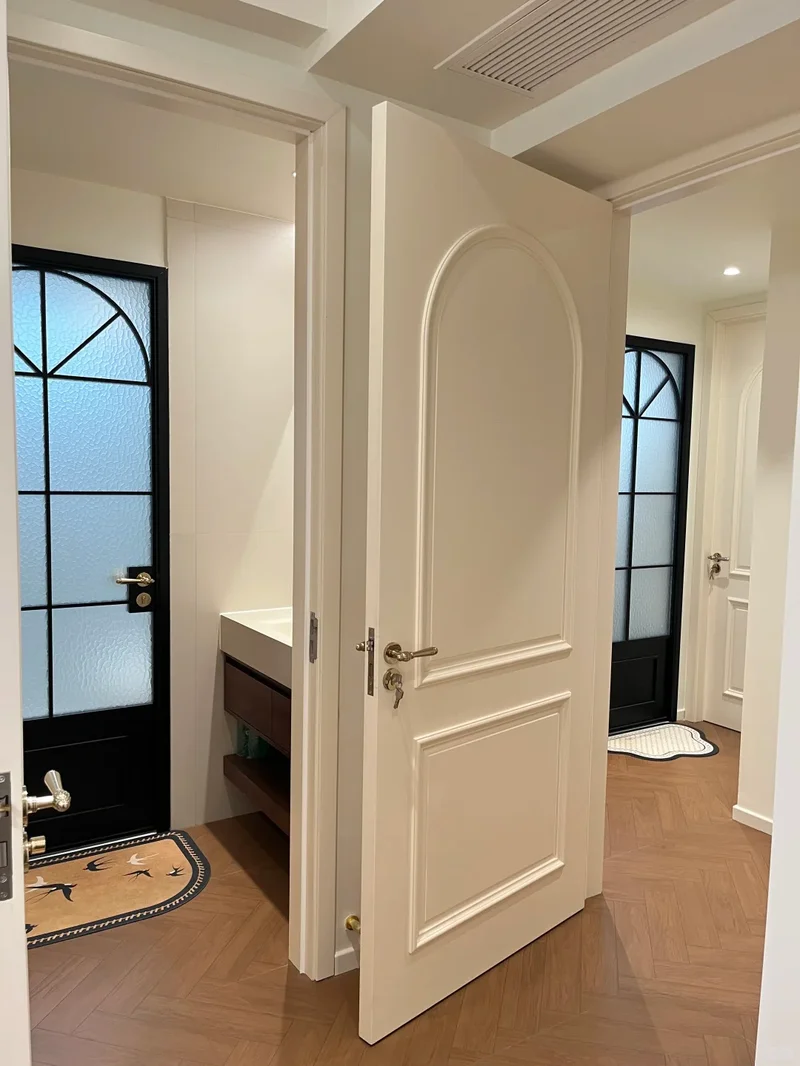
Frosted privacy glass allows diffuse natural light to filter through while obscuring direct visibility, creating an atmosphere of refined elegance and intimacy. In high-end settings, acid-etched or sandblasted frosted glass maintains optical clarity in texture while ensuring privacy—ideal for executive lounges or members-only areas requiring discretion without sacrificing ambiance.
What construction techniques ensure longevity in teak and glass combination doors?
Expert-level fabrication involves mortise-and-tenon or full-blind-tenon joinery to secure teak stiles and rails, minimizing movement and maximizing strength. Glass is set in compression gaskets or silicone bedding within a locked rabbet, preventing stress fractures. The wood frame is typically pre-stressed and acclimated to match environmental conditions, avoiding seasonal gapping or twisting.
How should collection-grade teak be finished to preserve its natural beauty in club environments?
For high-traffic club settings, a hand-rubbed, semi-gloss tung oil or hardwax oil finish is recommended. These penetrate deeply, enhancing grain depth without masking the wood’s character. Avoid film-forming finishes like polyurethane, which can peel under UV exposure; instead, use UV-stable natural oils periodically renewed to resist fading and marring.
What types of hardware complement a high-end teak and frosted glass door?
Invest in forged, solid brass or stainless steel hardware with PVD (physical vapor deposition) coatings for tarnish and scratch resistance. Lever sets, concealed hinges, and magnetic closers from luxury brands like Häfele, CISA, or Häppö should align precisely with the door’s plane for uninterrupted visual flow and smooth operation.
How can thermal and acoustic performance be optimized in a teak glass door?
Pair frosted insulated glass units (IGUs) with low-E coatings to manage heat transfer. For sound attenuation, use laminated frosted glass with a PVB interlayer and seal the teak frame with compressed neoprene gaskets. The inherent mass of teak further dampens sound transmission, making these doors ideal for acoustically sensitive club spaces.
Are there sustainability considerations when sourcing collection-grade teak?
Yes—ensure the teak is certified by the Forest Stewardship Council (FSC) or Programme for the Endorsement of Forest Certification (PEFC) to confirm ethical harvesting. Plantation-grown teak from controlled sources in Central America or Africa offers premium quality without contributing to deforestation.
What design elements maximize visual impact in exclusive club applications?
Integrate symmetrical mullion patterns or minimalist frames to emphasize craftsmanship. Consider shadow-line reveals between door and jamb for a floating effect, or incorporate backlighting behind frosted glass for dramatic nighttime ambiance. Custom inlays using ebony or mother-of-pearl can elevate design exclusivity.
How do you maintain the integrity of frosted glass in high-touch environments?
Clean with pH-neutral glass cleaner and non-abrasive microfiber cloths to preserve the etch finish. Avoid ammonia-based products that can degrade sealants over time. For commercial clubs, schedule quarterly professional inspections to check for delamination or edge seal failure in insulated units.
What threshold and frame systems support seamless integration of teak glass doors?
Use a floor-level drop seal or magnetic automatic threshold for ADA compliance and weather tightness. The frame should be kerfed for integral reveal matching and constructed from the same grade of teak to eliminate differential movement. Aluminum-reinforced jambs hidden within the wood enhance structural stability in wide spans.
Can high-end teak doors be engineered for automatic operation?
Yes—concealed top-hung electro-hydraulic operators (e.g., GEZE Slimdrive) can be embedded in the header with motion sensors and soft-start/stop programming. Ensure the teak structure accommodates added weight and torque; reinforcement with marine-grade stainless brackets is advised for reliable long-term automated performance.
What role does climate control play in the installation of teak and glass doors?
Teak must be acclimated to the site’s relative humidity (ideally 40–55%) for at least two weeks pre-installation to prevent post-fit shrinkage. Maintain stable interior climates to avoid glass condensation and wood movement. Use desiccant-filled warm-edge spacers in IGUs to further mitigate humidity effects.