Zebrawood Wood Glass Doors with Metal Inlay & Back-Painted Glass for Luxury Villa Entrances
Elevate the grandeur of luxury villa entrances with the striking sophistication of zebrawood wood glass doors featuring metal inlay and back-painted glass—an exquisite fusion of natural elegance and modern artistry. Renowned for its bold, contrasting grain patterns, zebrawood commands attention, serving as a dynamic canvas that captures light and imagination. Paired with precision-crafted metal inlays in brushed brass, stainless steel, or matte black finishes, these doors achieve a refined balance between organic warmth and architectural precision. The integration of back-painted glass adds depth and customization, offering a palette of rich, saturated hues that enhance privacy while amplifying ambient light. Engineered for both aesthetic impact and enduring performance, these doors are more than entryways—they are statement pieces that define the architectural character of high-end residences. Designed for discerning clients who value craftsmanship, innovation, and timeless design, zebrawood doors with metal inlay and back-painted glass transform the threshold into a masterpiece of modern luxury.
Why Zebrawood Is the Ultimate Choice for Luxury Villa Entry Doors
- Exceptional aesthetic distinction
- Unmatched durability and structural integrity
- Natural resistance to environmental degradation
- Seamless integration with modern architectural elements
- High perceived value and exclusivity
Zebrawood stands as the preeminent hardwood selection for luxury villa entry doors, combining rare visual drama with engineering excellence. Sourced from the tropical forests of West Africa, Microberlinia brazzavillensis—commonly known as Zebrawood—exhibits a striking grain pattern defined by alternating light golden to beige tones and dark, irregular streaks, creating a natural zebra-like motif. This inherent uniqueness ensures no two doors are identical, offering discerning architects and homeowners a bespoke centerpiece that commands attention without overt ornamentation.
Beyond its visual impact, Zebrawood possesses mechanical properties critical for external architectural applications. With a Janka hardness rating of approximately 1,830 lbf, it surpasses many traditional hardwoods in resistance to wear, indentation, and compression. This density translates into long-term dimensional stability—critical for entry doors subject to frequent use and environmental stress. Its interlocked grain structure further enhances resistance to warping and twisting, even under fluctuating humidity and temperature conditions common in diverse global climates.
Zebrawood’s natural oils and extractives contribute to high durability, providing inherent resistance to fungal decay, moisture absorption, and insect infestation. When properly finished and maintained, Zebrawood entry doors maintain structural integrity and luster for decades, minimizing lifecycle costs and preserving aesthetic value.
In the context of contemporary villa design, Zebrawood’s versatility allows seamless fusion with metal inlays—typically brass, stainless steel, or bronze—and back-painted glass panels. These integrations elevate functionality and artistry: metal inlays offer reinforcement and geometric contrast, while back-painted glass introduces color depth and controlled light transmission. The result is a harmonious composition where organic grain meets precision engineering.
Moreover, the rarity of sustainably harvested Zebrawood enhances its exclusivity, aligning with the ethos of high-end residential developments that prioritize material integrity and status. As the focal point of architectural arrival sequences, Zebrawood entry doors do not merely serve as transitions—they define legacy, craftsmanship, and uncompromising taste.
Combining Elegance and Strength: Wood, Glass, and Metal Inlay Design
-
Zebrawood’s striking linear grain and contrasting dark-to-light tonal bands establish a bold natural foundation, making it an ideal candidate for luxury entrance doors where visual impact and material integrity are paramount. When paired with glass and metal inlay, the result transcends mere functionality, emerging as a sculptural statement of refined architectural intent.
-
The integration of back-painted glass introduces depth and controlled color dynamics. Unlike clear or frosted glass, back-painted variants offer consistent opacity and hue, enabling precise alignment with a villa’s interior design palette. Applied behind tempered glass panels framed within zebrawood, this technique allows for discreet branding, monochromatic accents, or gradient transitions, all protected from UV degradation and physical wear.
-
Metal inlays—typically executed in brushed brass, satin stainless steel, or oxidized bronze—serve both aesthetic and structural roles. Strategically embedded along grain continuities or as geometric interruptions, they emphasize design rhythm while reinforcing stress points at hinge and lock interfaces. The precision required for flush inlay demands CNC-machined channels and hand-finished setting, ensuring dimensional stability and tactile continuity.
-
Structurally, the composite system leverages the compressive strength of zebrawood, the rigidity of tempered glass, and the tensile resilience of metal. Multi-point locking mechanisms are seamlessly integrated into the metal framework, minimizing visible hardware and preserving visual purity.
-
Thermal and moisture performance is addressed through engineered substructures: zebrawood is kiln-dried to 8–10% moisture content and laminated over a stabilized core to resist warping. Glass panels are sealed within thermally broken perimeter frames to mitigate condensation and thermal transfer, critical in coastal or high-humidity environments typical of luxury villa locations.
-
Design harmony is achieved when material transitions are intentional: metal inlays echo fixtures and lighting elements on-site; back-painted glass reflects interior wall tones; and zebrawood’s natural variation is book-matched across double-door configurations for symmetrical elegance. The outcome is a portal that balances organic warmth with industrial precision—assertive yet refined.
-
These doors are not merely entry points but calibrated compositions where material intelligence meets artisan rigor, serving as enduring signatures of architectural distinction.
The Aesthetic Impact of Back-Painted Glass in Modern Villa Entrances
-
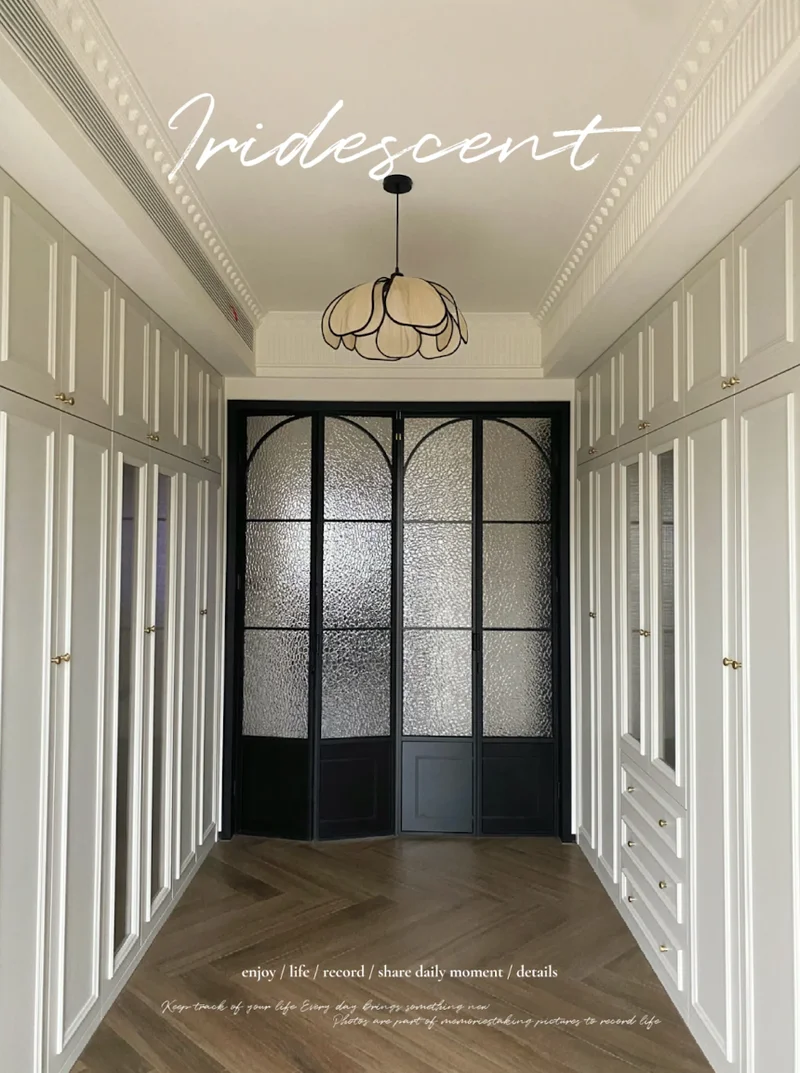
Back-painted glass has emerged as a transformative medium in luxury architectural design, particularly in the context of modern villa entrances where first impressions are paramount. When integrated into zebrawood wood glass doors with metal inlay, back-painted glass transcends mere functionality, serving as a calibrated aesthetic intervention that balances warmth, reflectivity, and material contrast.
-
The primary aesthetic contribution of back-painted glass lies in its ability to introduce depth and chromatic sophistication. Unlike standard transparent or frosted glass, back-painted variants offer a luminous opacity, with color applied to the rear surface to protect against UV degradation and physical wear. This technique preserves hue integrity while enabling seamless integration with natural materials such as zebrawood. The dark, linear grain of zebrawood gains visual counterpoint against the glass’s solid or gradient tones—typically in deep charcoals, midnight blues, or warm taupes—creating a dynamic tension between organic texture and refined finish.
-
Strategically positioned within entryway compositions, back-painted glass panels modulate light transmission and reflection. During daylight hours, they subtly diffuse ambient light, softening transitions from exterior to interior. At night, when illuminated from within or adjacent, the glass emits a halo effect, accentuating the door’s architectural profile and reinforcing the entrance as a focal node of the villa. This interplay of light enhances perceived spatial volume and contributes to a sense of arrival that is both intimate and monumental.
-
The fusion with metal inlay—typically in brushed brass, matte black steel, or polished stainless—further elevates the design narrative. Metal elements frame or intersect the back-painted glass, introducing linear precision that contrasts with the wood’s organic grain. This tripartite material synergy—wood, glass, metal—achieves a balance of tactile warmth, reflective depth, and structural clarity.
-
Crucially, back-painted glass supports minimalist design objectives without sacrificing richness. Its seamless surface eliminates visual clutter, aligning with contemporary preferences for clean lines and monolithic forms, while its inherent materiality conveys exclusivity and craftsmanship. In high-end residential contexts, such intentionality in material selection communicates a sophisticated design ethos, positioning the entrance not merely as a threshold but as a calibrated statement of architectural intent.
Designing Custom Entry Doors: Balancing Zebrawood, Metal Accents, and Glass
-
Zebrawood, with its bold, linear grain and contrasting dark and light streaks, demands a design approach that honors its visual intensity without overwhelming the architectural context. When specifying custom entry doors for luxury villas, the integration of zebrawood, metal accents, and glass must achieve a synthesis of materiality, proportion, and function.
-
Structural balance begins with the door’s primary composition. Zebrawood performs optimally as a veneer over engineered substrates to mitigate warping while preserving its aesthetic dominance. Typically, 60–70% of the door surface should feature zebrawood, concentrated in vertical stiles and central panels, allowing the grain to guide the eye upward—enhancing perceived height and grandeur.
-
Metal accents, preferably in brushed bronze, blackened steel, or satin stainless steel, serve both structural and decorative roles. They frame zebrawood elements, reinforce hinge and lock zones, and provide thermal break functionality when integrated into insulated glazing perimeters. Design precision is critical: metal inlays should maintain consistent width—typically 12–20 mm—and align with architectural sightlines. Asymmetrical placements risk visual discord; symmetry reinforces elegance.
-
Glass selection balances transparency, privacy, and light modulation. Back-painted glass, with its depth and color saturation, contrasts effectively against zebrawood’s organic patterning. Deep charcoal, navy, or bronze back-painted panels, limited to 20–30% of the door area, anchor the composition. For increased luminosity, low-iron insulated glazing units (IGUs) with fritted or acid-etched patterns can occupy sidelights or transoms, diffusing light while preserving views.
-
Thermal and moisture performance must not be compromised. All materials require compatibility in expansion coefficients. Silicone gasketing between zebrawood and metal, along with thermally broken frames, prevents stress fractures. Back-painted glass should be laminated for safety and UV stability, especially in high-sunlight climates.
-
Finishing protocols are essential. Zebrawood should receive UV-stable oil or catalyzed lacquer to resist fading. Metal surfaces require clear protective coatings to prevent oxidation. Regular maintenance access points—such as concealed fasteners—should be incorporated without disrupting visual continuity.
-
The result is a door that transcends mere entry: a calibrated composition where zebrawood asserts character, metal provides strength and refinement, and glass introduces light and color—all unified through disciplined detailing and material integrity.
Durability and Maintenance of Zebrawood Glass Doors in Residential Architecture
-
Zebrawood, distinguished by its bold, contrasting grain pattern, offers exceptional density and natural resistance to wear, making it a premier choice for luxury entrance applications. When engineered into glass doors with metal inlay and back-painted glass, the material’s structural integrity contributes significantly to long-term durability. However, zebrawood’s performance in exterior environments depends on proper finishing and ongoing maintenance protocols.
-
The integration of glass and metal components introduces both aesthetic refinement and complex performance considerations. Back-painted glass provides a stable, non-porous surface resistant to UV degradation and color fading when high-quality ceramic frit coatings are applied. Metal inlays—typically in stainless steel, brass, or aluminum—must be corrosion-resistant and thermally compatible with wood to prevent stress fractures due to differential expansion.
-
Moisture management is critical. Zebrawood, despite its natural oils, remains hygroscopic. Prolonged exposure to fluctuating humidity or direct water ingress can lead to dimensional instability, warping, or delamination at wood-glass interfaces. Therefore, zebrawood components must be fully sealed with marine-grade, UV-stable finishes such as oil-modified polyurethane or catalyzed lacquer. These coatings should be inspected annually and renewed as needed, particularly on exposed vertical and horizontal surfaces.
-
Metal inlays require periodic cleaning with non-abrasive, pH-neutral agents to prevent surface oxidation or galvanic corrosion, especially in coastal climates. Any protective clear-coats on metallic elements should be maintained to preserve luster and structural cohesion.
-
Glass elements, while inherently durable, demand inspection for seal integrity in insulated units. Failure can result in fogging or moisture entrapment between panes, compromising both aesthetics and thermal performance.
| Maintenance Activity | Frequency | Recommended Method |
|---|---|---|
| Visual inspection for cracks, warping, or finish degradation | Biannually | Professional assessment |
| Reapplication of wood finish | Every 3–5 years | Sand lightly, reseal with compatible topcoat |
| Cleaning of metal inlays | Quarterly | Soft cloth, mild detergent, rinse and dry |
| Glass seal and edge integrity check | Annually | Non-destructive inspection by fabricator |
Properly maintained, zebrawood glass doors with metal inlay exhibit a service life exceeding two decades, combining enduring elegance with structural resilience in high-end residential settings.
Frequently Asked Questions
What makes zebrawood a premium choice for luxury villa entrance doors?
Zebrawood is prized for its striking, bold grain pattern with contrasting light golden to medium brown hues and dark streaks, offering a visually dynamic appearance that elevates architectural aesthetics. Its high Janka hardness rating (~1500 lbf) ensures durability, while its dimensional stability makes it ideal for exterior applications like entry doors when properly finished and sealed against moisture.
How does tempered glass enhance the performance of zebrawood entrance doors?
Tempered glass offers four to five times greater strength than standard annealed glass, enhancing both safety and security. In zebrawood doors, it allows natural light transmission while maintaining privacy and structural integrity. When combined with insulated glazing units (IGUs), it also improves thermal efficiency and sound dampening, making it ideal for climate-controlled villa environments.
What are the benefits of using back-painted glass in luxury entry door designs?
Back-painted glass provides a sleek, modern finish with customizable color options, enabling seamless integration with a villa’s architectural palette. The paint layer acts as a protective barrier, resisting UV degradation, staining, and moisture. When fused with tempered glass, it delivers long-term color retention and a flawless, non-porous surface ideal for high-traffic entryways.
Why is metal inlay used in zebrawood glass entry doors, and what metals are recommended?
Metal inlays—commonly brass, stainless steel, or aluminum—add structural reinforcement, design contrast, and artisanal detail. They enhance durability at stress points and enable intricate geometric or branding elements. For coastal or humid climates, non-corrosive metals like 316 stainless steel or powder-coated aluminum are recommended to prevent oxidation and maintain aesthetic integrity.
How do you ensure zebrawood doors with glass and metal inlays withstand outdoor conditions?
Expert fabrication involves kiln-dried zebrawood (<8% moisture content), marine-grade epoxy sealing on all surfaces, end-grain protection, and stainless-steel fasteners to prevent galvanic corrosion. Glass must be edge-sealed within a thermally broken frame, and expansion joints are incorporated in metal inlays to accommodate thermal movement and prevent warping or cracking over time.
What sealing and finishing protocols protect zebrawood in high-exposure entry applications?
A multi-coat system of penetrating epoxy primer followed by UV-resistant, water-based polyurethane (minimum 3–5 coats) is standard. Some high-end installations use catalyzed acrylic or marine varnish for enhanced abrasion and UV resistance. Re-coating every 3–5 years, depending on sun exposure, ensures longevity and preserves the wood’s luster and dimensional stability.
Can zebrawood doors with back-painted glass be customized for smart home integration?
Yes—expert manufacturers integrate concealed wiring channels for electronic locks, biometric scanners, doorbell cameras, and perimeter lighting. Back-painted glass panels can also incorporate edge-lit LED illumination or be paired with laminated, switchable privacy glass for adaptive functionality, all while maintaining structural and aesthetic continuity.
What structural framing system best supports zebrawood and glass combination doors?
A hybrid frame with a concealed aluminum or structural-grade stainless-steel subframe ensures long-term stability, minimizes wood movement, and supports the weight of large glass panels. The subframe also facilitates precise alignment of metal inlays and provides a mounting interface for heavy-duty pivot or multi-point locking systems used in commercial-grade residential entrances.
How does the combination of zebrawood, metal, and back-painted glass contribute to villa security?
High-density zebrawood, when paired with multi-point locking systems embedded in reinforced metal inlays and laminated or IGU tempered glass, forms a forced-entry-resistant assembly. The opaque back-painted glass obstructs direct visibility, enhancing privacy without sacrificing light—critical for securing private villa spaces.
What maintenance regimen is required for zebrawood wood glass doors with metal inlay?
Quarterly cleaning with pH-neutral wood cleaner and microfiber cloths preserves finishes. Biannual inspection of metal inlays for micro-gaps or corrosion—particularly in proximity to saltwater—is essential. Hardware lubrication and silicone sealant touch-ups at glass-wood junctions prevent water ingress and extend service life to 20+ years.
Are there sustainability considerations when sourcing zebrawood for luxury doors?
Zebrawood (Microberlinia brazzavillensis) is listed on CITES Appendix II in some regions; sourcing must comply with FSC or PEFC certification to ensure ethical harvesting. Reputable fabricators use kiln-dried, traceable stock from managed forests and may offer carbon-offset installation programs for high-end residential projects.
What design trends are emerging in zebrawood entry doors with metal and glass elements?
Current luxury trends include asymmetrical metal inlays (e.g., brushed brass chevrons), matte-black back-painted glass, full-height pivot mechanisms, minimalist framing, and integration with landscape lighting. Biophilic designs that blend zebrawood’s natural grain with geometric metal accents are increasingly sought after in contemporary and tropical modern villa architecture.