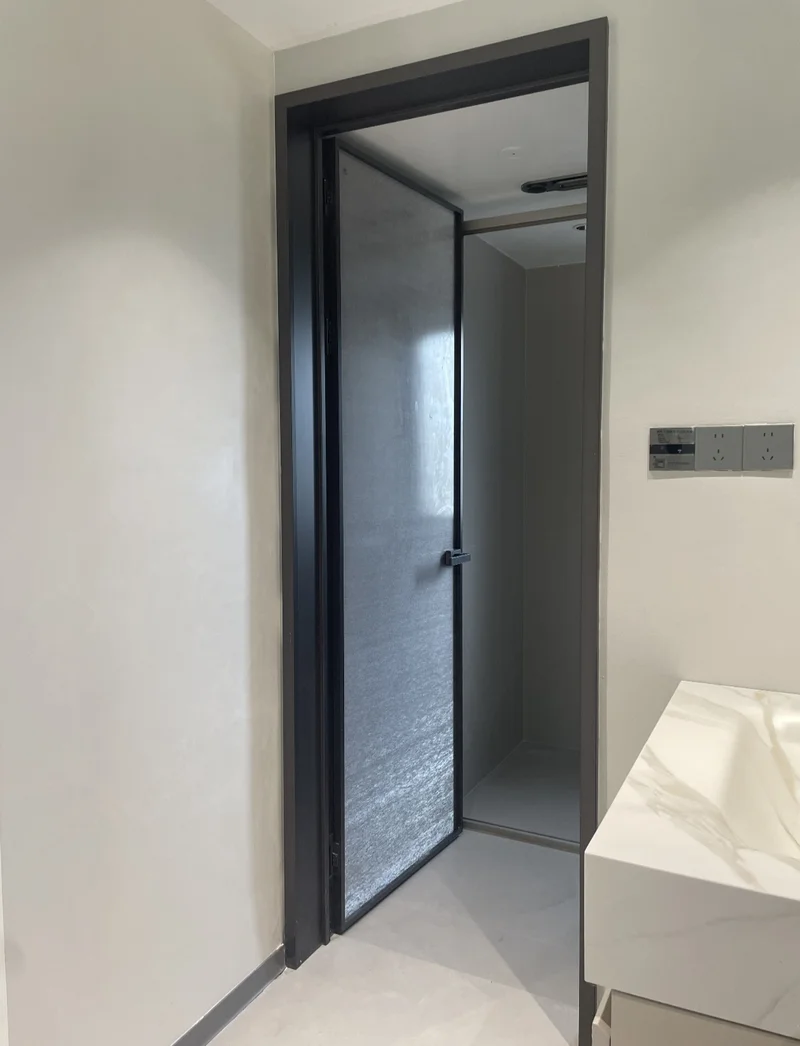
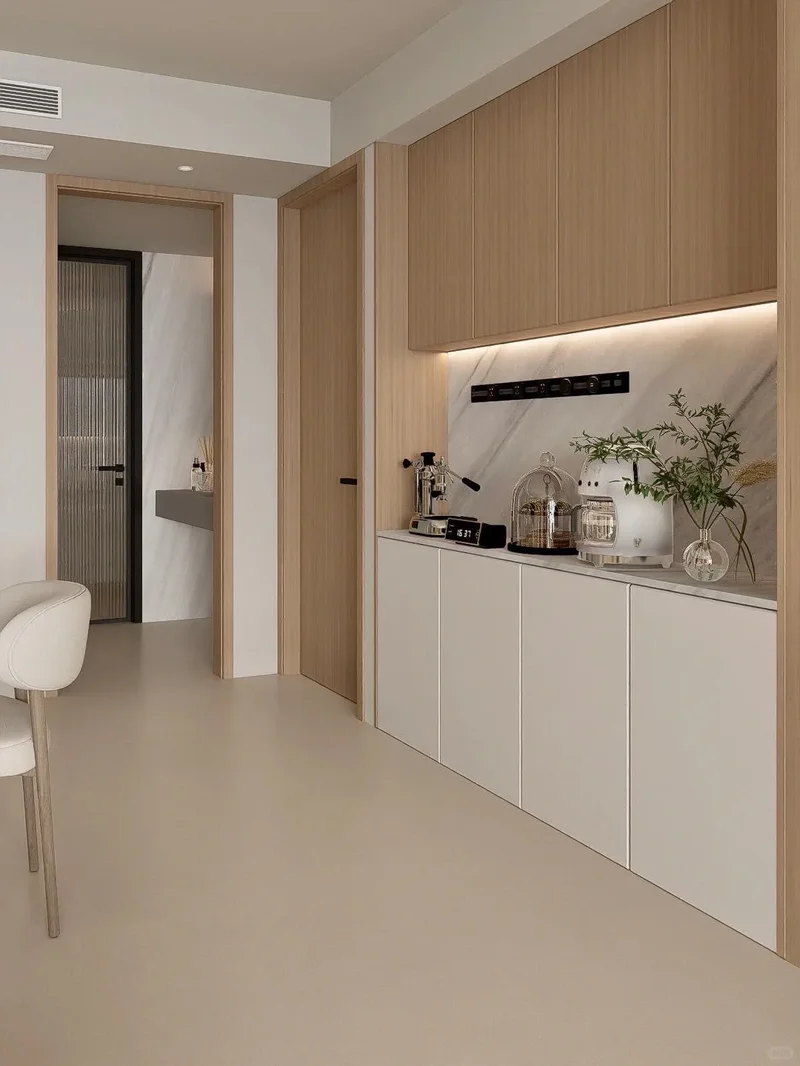
Aluminum glass doors with slim frames for modern design
In the pursuit of architectural elegance and a seamless connection to the outdoors, aluminum glass doors with slim frames have emerged as a defining element of contemporary design. These sophisticated portals masterfully dissolve the boundary between interior and exterior spaces, flooding rooms with natural light and creating a profound sense of openness. The engineering marvel lies in the strength of the thermally broken aluminum profiles, which allow for remarkably slender sightlines without compromising on durability or energy efficiency. This minimalist aesthetic champions clean lines and uncluttered views, transforming a functional entryway into a striking design statement. For those seeking to imbue their modern home with clarity, light, and a refined connection to its surroundings, these doors represent not just an opening, but a transformative vision.
Maximizing Light and Space: How Our Slim-Frame Aluminum Glass Doors Transform Modern Interiors
The architectural pursuit of maximizing light and spatial perception is fundamentally an engineering challenge. Our slim-frame aluminum glass doors address this by applying advanced material science and precision fabrication to minimize structural mass while maximizing performance. The core principle is the strategic use of thermally broken, high-strength aluminum alloys, which allow for drastically reduced sightlines without compromising structural integrity or environmental separation.
Functional Advantages:
- Optimal Structural Efficiency: Frames are extruded from 6063-T5 or 6061-T6 aluminum, achieving a minimum yield strength of 160 MPa. This allows for slimmer profiles (sightlines as narrow as 50mm) that support large, heavy glass panes with minimal deflection, adhering to ASTM E1300 and EN 12600 standards for load resistance.
- Superior Thermal Performance: The polyamide thermal break, with a minimum width of 24mm, is mechanically locked and crimped within the aluminum profile. This creates a continuous barrier, achieving U-factors as low as 1.1 W/(m²·K) for the entire door system, which is critical for meeting modern building energy codes.
- Enhanced Acoustic Insulation: The combination of the airtight compression seal system and the option for laminated acoustic glass (e.g., 6.38mm: 6mm glass + 0.38mm PVB interlayer) provides a weighted sound reduction (Rw) of up to 42 dB, effectively isolating interior environments from external noise pollution.
- Robust Weather & Durability: A multi-stage pretreatment (chromate-free) and electrostatic powder coating (minimum 70μm thickness) ensure a corrosion resistance rating of Class C4 (ISO 12944). The system maintains an air infiltration rating of ≤0.5 m³/(m·h) and a water penetration resistance of ≥600 Pa when tested per ASTM E283 and E331.
Technical Performance Parameters:
| Performance Category | Test Standard | Achieved Metric | Benefit |
|---|---|---|---|
| Thermal Insulation (U-factor) | EN ISO 10077-1 / NFRC 100 | 1.1 – 1.4 W/(m²·K) | Reduces thermal bridging, lowers HVAC load, prevents condensation. |
| Structural Load (Deflection) | ASTM E1300 / EN 12600 | L/175 under design load | Ensures sash stability and reliable operation of hardware under wind load. |
| Air Infiltration | ASTM E283 / EN 1026 | ≤ 0.5 m³/(m·h) | Eliminates drafts, enhances building envelope integrity and energy efficiency. |
| Water Penetration Resistance | ASTM E331 / EN 1027 | ≥ 600 Pa | Protects interior finishes and air quality in extreme weather conditions. |
| Acoustic Insulation (Rw) | ISO 10140 / ASTM E90 | Up to 42 dB (system dependent) | Creates acoustically controlled environments for residential and commercial applications. |
| Cyclic Durability | AAMA 920 / EN 12400 | > 25,000 cycles (Grade 4) | Guarantees long-term operational performance for high-traffic openings. |
The integration of these engineered components—from the alloy composition and thermal break geometry to the gasket durometer (typically 70 Shore A)—results in a door system that is not merely an opening, but a high-performance building envelope component. It transforms interiors by erasing the visual barrier between inside and out, creating seamless transitions that amplify natural light and perceived space, all while providing quantifiable performance that meets the rigorous demands of contemporary architectural specifications.
Engineered for Durability and Performance: The Structural Advantages of Our Aluminum Framing System
The structural integrity of our slim-frame aluminum system is derived from a precision-engineered alloy, typically 6063-T5 or 6061-T6, which undergoes a controlled thermal tempering process. This yields a material with a high yield strength, typically exceeding 160 MPa, ensuring the slender profiles maintain rigidity under wind loads and operational stress. The profiles are designed with multi-chamber extrusions that separate structural and drainage functions, optimizing the material’s inherent strength-to-weight ratio.
Core Functional Advantages:
- Superior Load Distribution: The geometric design of the frame incorporates reinforced corners with mechanically locked or welded joints, supplemented by internal stainless steel reinforcement where required. This creates a continuous load path, effectively transferring weight from large glass panels to the building structure without deflection.
- Enhanced Weatherproofing Integrity: A multi-stage sealing system is employed, combining EPDM gaskets with integrated capillary breaks within the frame itself. This design achieves high air infiltration ratings (≤0.5 cfm/ft² per ASTM E283) and water penetration resistance (≥15 psf per ASTM E331), independent of frame width.
- Long-Term Dimensional Stability: The anodized or powder-coated finishes (applied to AA-M12 C2/C3 Class 2 surfaces) are not merely aesthetic. They provide a robust barrier against UV degradation and corrosion, with coating thicknesses rigorously controlled to ensure consistent performance and color retention over decades, minimizing maintenance liability.
- Thermal & Acoustic Performance: The thermal break, constructed from polyamide 66 with glass fiber reinforcement (≥25% by volume), is mechanically locked into the aluminum profile. This creates a true thermal barrier, achieving U-factors as low as 0.80 W/(m²·K). The system, when paired with appropriate insulated glass units, also contributes to sound reduction, with STC/OITC ratings scalable based on glazing specification.
Key Performance Parameters:
| Parameter | Test Standard | Typical Performance Value | Notes |
|---|---|---|---|
| Wind Load Resistance | ASTM E330 / EN 12211 | Up to 3.0 kPa (Positive Pressure) | Varies by profile series and glazing. |
| Air Infiltration | ASTM E283 / EN 1026 | Class ≤ 0.5 cfm/ft² (Class 4 per EN) | Critical for building envelope energy codes. |
| Water Penetration | ASTM E331 / EN 1027 | ≥ 15 psf (Class E1350 per EN) | Tested under static and dynamic pressure. |
| Thermal Transmittance (Uf) | ISO 10077-2 / NFRC 100 | 0.80 – 1.20 W/(m²·K) | Frame-only U-factor; dependent on profile design. |
| Structural Deflection | ASTM E1300 / EN 16612 | L/175 to L/240 under design load | Ensures reliable operation and glass integrity. |
| Coating Adhesion | ASTM D3359 / ISO 2409 | Class 5B / GT 0 | Cross-cut tape test for anodized and powder coatings. |
The system’s compatibility with structural silicone glazing (SSG) or pressure plate methods allows for seamless integration into unitized curtain wall systems or as standalone door elements. All fabrication adheres to ISO 9001 quality management protocols, with material certifications (mill certificates) provided for traceability. This engineering approach ensures the slim visual profile is not a compromise, but a direct result of calculated material efficiency and advanced manufacturing.
Seamless Integration and Customization: Tailoring Doors to Fit Your Architectural Vision
Seamless integration is achieved through a foundation of precision-engineered extrusions and modular design. The primary aluminum alloy, typically 6063-T5 or 6061-T6, undergoes a multi-stage thermal break process. A reinforced polyamide bar is mechanically locked within the profile, creating a continuous thermal barrier that minimizes linear thermal transmittance (Ψ-value) and prevents condensation. This allows for consistent sightlines across large-scale installations, regardless of climatic zone.
Customization is not merely aesthetic but a technical specification process. The system’s parametric design accommodates a wide range of architectural demands without compromising structural integrity or performance.
Functional Advantages of the Modular System:
- Structural Adaptability: Independent adjustment of frame depth (e.g., 50mm to 120mm) and glass thickness (up to 48mm insulated units) allows load redistribution to meet specific wind load requirements (up to Class C5, EN 12211) and safety standards (CPR, EN 14351-1).
- Acoustic & Thermal Optimization: Cavities within the profiles can be filled with structural foam or acoustic wool. Combined with laminated glass configurations (e.g., 10.8.4 with PVB/ionoplast interlayers), this achieves sound reduction ratings (Rw) up to 48 dB. Thermal insulation Uf-values as low as 0.8 W/m²K are attainable.
- Finish Durability: Powder-coating finishes are applied to a minimum thickness of 70μm per layer (base and top coat), following Qualicoat Class 2 or GSB Master specifications. Anodic oxidation is available at AA20 or AA25 grades. Both processes ensure consistent color matching and high resistance to UV degradation and corrosion (exceeding 1000 hours in salt spray testing, ASTM B117).
- Hardware Integration: Pre-milled, reinforced pockets within the frame accept a full spectrum of architectural hardware (3D adjustable hinges, multi-point locks) without requiring on-site fabrication, ensuring repeatable operation and security performance.
For specification, key performance parameters are defined by the following technical ranges:
| Parameter | Specification Range | Test Standard / Notes |
|---|---|---|
| Thermal Transmittance (Uf) | 0.8 – 1.4 W/m²K | Calculated per EN 10077-2; depends on profile depth and thermal break design. |
| Wind Load Resistance | Up to 3000 Pa (Class C5) | EN 12211. Correlates to frame reinforcement and glass specification. |
| Water Tightness | Up to 900 Pa (Class 9A) | EN 12208. Achieved via dual-channel drainage and sealed corner joints. |
| Air Permeability | Class 4 (≤ 3.0 m³/h·m²) | EN 12207. Critical for building envelope energy performance. |
| Acoustic Insulation (Rw) | 35 – 48 dB | EN ISO 10140 series. Requires specified glass and sealant package. |
| Maximum Single Leaf Dimension | Up to 3000mm (H) x 1400mm (W) | Subject to glass thickness, hardware, and wind load calculations. |
Integration into the building envelope is critical. Our systems are engineered for compatibility with adjacent cladding and framing systems, utilizing adaptable sub-frame and perimeter seal solutions. Silicone-based structural glazing or pressure plate cover systems can be specified for a fully flush exterior appearance. All fabrication adheres to ISO 9001 quality management protocols, with tolerances held within ±0.5mm for consistent on-site assembly.
Advanced Weatherproofing and Energy Efficiency: Protecting Your Space with Precision Engineering
The structural integrity and long-term performance of aluminum glass door systems are fundamentally governed by the precision of their weatherproofing and thermal barrier design. Modern slim-frame systems achieve this not through bulk, but through advanced material engineering and meticulous assembly protocols that meet stringent international standards.
Core Engineering Principles:
- Thermal Break Technology: The aluminum profile is separated by a polyamide thermal break with a minimum width of 24mm. This barrier achieves a thermal transmittance (Uf) as low as 1.6 W/m²K for the frame itself, critically reducing condensation risk and heat transfer.
- Multi-Chambered Seal Geometry: A triple-seal gasket system—comprising primary water barrier, secondary air seal, and tertiary acoustic/thermal buffer—is engineered for differential compression. EPDM (Ethylene Propylene Diene Monomer) gaskets, with a Shore A hardness of 60±5, ensure permanent elasticity and UV resistance.
- Drained and Pressure-Equalized Glazing Cavity: The system employs a capillary-break principle within the glazing rebate. Any incidental moisture ingress is actively channeled to external weep holes, maintaining a dry interior cavity and preventing water pressure buildup.
Performance Data & Technical Specifications:
| Parameter | Test Standard | Performance Grade | Functional Impact |
|---|---|---|---|
| Air Permeability | EN 12207 | Class 4 (≤ 3.0 m³/(h·m²) at 100 Pa) | Eliminates drafts, minimizes uncontrolled air exchange. |
| Water Tightness | EN 12208 | Class 9A (≥ 600 Pa static pressure) | Withstands driven rain in high-rise and coastal applications. |
| Wind Load Resistance | EN 12210 | Class C5 (≥ 2000 Pa) | Structural stability in severe wind conditions. |
| Thermal Transmittance (Uw) | EN ISO 10077 / NFRC 100 | Uw ≤ 1.0 W/m²K (with appropriate IGU) | Core metric for building energy compliance and occupant comfort. |
| Acoustic Insulation (Rw) | EN ISO 10140 | Up to 45 dB | Significant noise reduction for urban or high-noise environments. |
Glazing Unit Synergy: Frame performance is contingent on the insulating glass unit (IGU). For optimal results:
- Specify low-emissivity (Low-E) coatings (ε ≤ 0.04) on surface #2 or #3 to reflect radiant heat.
- Use argon or krypton gas fill (≥ 90% concentration) to reduce conductive/convective transfer.
- Select warm-edge spacer bars with stainless steel or composite construction to mitigate edge-seal thermal stress and linear thermal transfer.
Quality Assurance & Compliance: All system components are validated under ISO 9001:2015 quality management protocols. Full-scale mock-ups undergo performance testing per EN 1026, EN 1027, and EN 12211 to certify the published ratings. Sealant compounds are formulated to meet ASTM C920 Class 25 requirements, ensuring adhesion and movement capability over the system’s service life.
Architectural & Specification Advantages:
- Predictable Energy Modeling: Certified Uw and g-values enable accurate whole-building energy simulation for LEED, BREEAM, or local code compliance.
- Long-Term Profile Stability: High-grade 6060-T66 aluminum alloy, combined with the insulated thermal break, prevents thermal bowing and maintains operational alignment.
- Reduced Maintenance Liability: The engineered drainage path and stable seals eliminate common failure points, reducing callbacks for water ingress or operational issues.
Technical Specifications and Installation Guidelines: Ensuring Optimal Performance and Fit
Material Specifications & Performance Data
The structural integrity and long-term performance of slim-framed aluminum glass doors are defined by precise material engineering and adherence to international standards. The primary aluminum alloy is 6063-T5 or 6061-T6, thermally broken with a reinforced polyamide bar. Glass is typically tempered or laminated safety glass, with options for low-E coatings and argon gas fills.
| Component | Specification | Standard / Test Method | Performance Value |
|---|---|---|---|
| Aluminum Profile | Alloy 6063-T5, Powder Coating | AAMA 2605 / QUALICOAT Class 2 | Minimum film thickness: 60µm; Salt spray resistance: >3000 hrs |
| Thermal Break | Polyamide 6.6 with 25% Glass Fiber | EN 14024 / ASTM C1363 | Thermal Transmittance (Ψ): ≤0.08 W/m²K |
| Glass Unit (Typical) | 24mm IGU, Clear Tempered Outer, Low-E Inner, Argon Fill | EN 1279 / ASTM E2190 | Center-of-Glass U-value: ≤1.0 W/m²K; SHGC: Adjustable 0.2-0.5 |
| Air Infiltration | – | EN 12207 / ASTM E283 | Class 4 (≤0.5 m³/m·h @ 100 Pa) |
| Water Tightness | – | EN 12208 / ASTM E547 | Class 9A (≥600 Pa static pressure) |
| Wind Load Resistance | – | EN 12211 / ASTM E330 | Up to Class C5 (≥3000 Pa) |
| Acoustic Performance | Laminated Glass Variants | EN ISO 10140 / ASTM E90 | Up to 42 dB Rw sound reduction |
| Hardware | 3D Adjustable Hinges & Multi-point Locks | EN 1906 / EN 12209 | Grade 6 for durability, ≥100,000 cycles |
Key Functional Advantages:
- Structural Stability: High-strength alloy profiles maintain dimensional stability under wind load and thermal cycling, preventing frame deflection.
- Thermal Efficiency: The reinforced polyamide thermal break creates a continuous barrier, minimizing thermal bridging and achieving whole-door U-values as low as 1.3 W/m²K.
- Weather Resilience: Multi-chambered profile design and triple-seal gasket systems (EPDM) ensure long-term water and air infiltration resistance.
- Corrosion Resistance: Chromate pretreatment and premium polyester powder coatings provide exceptional resistance to UV degradation and atmospheric corrosion.
Installation Guidelines: Critical Tolerances & Procedures
Proper installation is critical to achieving the published performance metrics. Failure to adhere to these guidelines will compromise weather-tightness, structural behavior, and operational lifespan.
1. Rough Opening Preparation
- Openings must be square, level, and plumb. Maximum tolerance for deviation in the opening diagonal is 3mm per meter of span.
- The structural support must be capable of supporting a minimum of 1.5x the design dead load of the door system.
- A continuous, level sill support is mandatory. Use a non-compressible, non-absorbent shim material (HDPE or composite) at all load-bearing points.
2. Frame Installation & Anchoring
- Anchor points must not exceed 350mm centers, with a maximum of 150mm from any corner or joint.
- Use corrosion-resistant, structural-grade stainless steel anchors (A4/AISI 316). Do not use mild steel or non-structural fixings.
- Frame must be installed as a fully assembled unit. Anchor by applying pressure to the solid profile wall, never into the thermal break.
- Shim continuously to maintain uniform clearance. Verify plumb and level before final torque setting of anchors.
3. Glazing & Sealing
- Glazing must be performed in accordance with system-specific instructions, using prescribed gaskets or structural silicone.
- For dry-glazed systems, ensure corner keys are fully seated and gasket joints are mitered and sealed.
- For structural silicone glazing (SSG), substrate preparation, primer application, and sealant bead dimensions (width-to-depth ratio) must strictly follow the sealant manufacturer’s ETA and the system engineer’s details.
- The perimeter seal between the door frame and the building structure is critical. Apply a continuous, backer-rod-supported, non-skinning polyurethane sealant. The sealant must adhere to both the aluminum powder coat and the adjacent substrate.
4. Hardware Adjustment & Commissioning
- All multi-point locks and adjustable hinges must be commissioned after the door is fully sealed and before handing over.
- Adjust in the following sequence: 1) Hinge vertical alignment, 2) Hinge horizontal compression, 3) Locking point engagement depth and pressure.
- Final operation must be smooth, with positive compression against the seals without excessive force. The door leaf should have no free play when locked.
5. Tolerances Summary Table
| Parameter | Allowable Tolerance | Notes |
|---|---|---|
| Opening Diagonal Difference | ≤ 3mm per meter of diagonal length | For openings >3m, absolute max of 10mm |
| Anchoring Point Spacing | 350mm max, 150mm from corners/joints | Increase frequency in high-wload zones |
| Frame/Leaf Perimeter Clearance | 3mm ± 0.5mm (consistent around perimeter) | Measured after sealing, before hardware adjustment |
| Sealant Bead (Typical SSG) | Minimum 6mm width, 8mm depth | Confirm with project-specific structural calculation |
| Torque on Mechanical Fixings | ± 10% of specified value | Use a calibrated torque wrench |
Trusted by Architects and Builders: Case Studies and Certifications for Quality Assurance
The structural integrity and long-term performance of slim-framed aluminum glass doors are validated through rigorous third-party testing and documented project success. Our systems are engineered to meet or exceed international standards, providing architects and builders with predictable, certified performance.
Core Material & Performance Certifications
- Alloy Integrity & Thermal Performance: Profiles are extruded from 6063-T5 or 6063-T6 aluminum alloys, certified to EN 755-9 or ASTM B221. Thermal break technology is validated per EN 14024 or AAMA 507, with calculated and tested U-factors for the complete door assembly.
- Glass & Glazing Unit Standards: Insulated glass units (IGUs) comply with EN 1279 or ASTM E2190 for structural sealant durability, gas retention (argon/krypton), and condensation resistance. Laminated safety glass meets EN 12600 (CPR Class) or ANSI Z97.1 impact requirements.
- Structural & Air/Water Performance: Full door assemblies undergo type testing in accordance with:
- EN 12211 / AAMA 501.1 for air permeability (Class 4 typical).
- EN 12208 / AAMA 501.7 for watertightness (Class 9A/ E1875 high-performance).
- EN 12210 / ASTM E330 for wind load resistance (Positive & Negative Pressure).
- Quality Management: Manufacturing processes are certified under ISO 9001:2015, with traceability from raw material to finished product.
Documented Performance Parameters
| Parameter | Test Standard | Typical Performance Range | Architectural Implication |
|---|---|---|---|
| Thermal Transmittance (Uw) | EN ISO 10077-1 / NFRC 100 | 0.90 – 1.30 W/(m²·K) | Meets stringent building energy codes; reduces thermal bridging at the frame. |
| Wind Load Resistance | EN 12210 / ASTM E330 | Up to 3000 Pa (Class C5 / C6) | Suitable for high-rise and coastal applications with high design pressures. |
| Air Infiltration | EN 12211 / ASTM E283 | ≤ 0.5 m³/(m·h) @ 75 Pa (Class 4) | Ensures building envelope tightness, critical for energy-efficient designs. |
| Water Penetration Resistance | EN 12208 / AAMA 501.7 | ≥ 600 Pa (Class 9A) | Guarantees weather integrity in exposed façades and driving rain conditions. |
| Acoustic Insulation (Rw) | EN ISO 10140-1 / ASTM E90 | 35 – 45 dB | Provides measurable sound reduction for urban environments or interior noise control. |
| Door Operation Cycle Life | EN 1191 / ANSI/BHMA A156.4 | > 100,000 cycles (Grade 6) | Validates hardware and frame durability for high-traffic commercial and residential use. |
Case Study Evidence: Performance in Built Environments
- High-Rise Residential Tower, North Sea Coast: A curtain wall and door system utilizing 50mm slim profiles achieved a certified Uw value of 1.1 W/(m²·K) and passed water penetration testing at 1800 Pa to withstand extreme coastal weather. The project required full-scale mock-up testing prior to approval.
- Historic Renovation, Urban Center: Slim-frame pivot doors were specified to maximize glass area while meeting strict aesthetic guidelines. The solution provided an Rw 42 dB acoustic rating, mitigating urban noise, and utilized a bespoke anodized finish (Qualicoat Class 2) for historical compatibility and durability.
- Commercial Office (LEED Platinum Target): Floor-to-ceiling sliding door systems contributed to the building envelope’s energy model. Certified thermal break calculations and air leakage rates were integral to achieving the project’s overall energy performance targets.
Frequently Asked Questions
How do aluminum-glass doors prevent structural warping in humid climates?
Select doors with a thermal break and alloy 6063-T5/T6, featuring a moisture expansion coefficient below 0.0023%/°C. Ensure the glass is dual-sealed with butyl and polysulfide. For wood-plastic composite (WPC) elements, specify a density >650 kg/m³ and an E0-grade core to resist swelling and maintain dimensional stability.
What standards ensure indoor air safety with integrated composite materials?
Insist on materials certified to E0 (≤0.5mg/L) or EN (≤0.124mg/m³) formaldehyde emission standards. For WPC components, verify they use calcium-zinc stabilizers instead of lead-based ones. The aluminum powder coating should be non-VOC, and all adhesives must carry GREENGUARD or similar indoor air quality certification.
Can slim-frame doors meet stringent thermal insulation requirements?
Yes, with a multi-chambered thermal break profile (PA66 GF25 nylon) and low-E, argon-filled triple glazing (U-value ≤1.0 W/(m²·K)). The critical detail is a continuous warm-edge spacer and a minimum 24mm thermal barrier width. This achieves a complete door system U-value comparable to insulated walls.
How is impact resistance achieved without compromising the slim aesthetic?
Use tempered or laminated safety glass (Class 1 impact rating) with a minimum thickness of 10mm. The aluminum frame should have a wall thickness ≥2.0mm and be reinforced at stress points with galvanized steel or LVL (Laminated Veneer Lumber) cores. The glass bonding should be structural silicone for added rigidity.
What specifications guarantee long-term weather and UV resistance?
The aluminum must have a minimum 25μm PVDF (70% Kynar 500®) or 40μm polyester powder coating. All seals must be EPDM with a Shore A hardness of 60±5. For any WPC elements, specify full-wrap PVC co-extrusion skins >0.5mm thick and UV-inhibited ASA caps to prevent fading and degradation.
How do you ensure acoustic insulation in large glass door installations?
Opt for asymmetric laminated glass (e.g., 6.38mm/8.38mm) with a 1.52mm PVB interlayer, achieving Rw ≥ 40 dB. Critical is the use of compression seals with dual magnetic gaskets and ensuring the frame system has a fully gasketed, multi-point locking mechanism to eliminate sound flanking paths.
What are the critical installation tolerances to prevent operational failure?
Frame plumb and level tolerance must be ≤1.5mm over 3m. The rough opening clearance should be 10-15mm on all sides for proper shimming and sealant application (use structural silicone). Anchor spacing must not exceed 600mm, and expansion joints must be calculated based on local thermal differentials.