Steel door long-term supply for real estate developers
In the fast-paced world of real estate development, where timelines are critical and quality is non-negotiable, securing a reliable supply chain is paramount. For the essential component of entryways, a strategic partnership with a dedicated steel door supplier transcends a simple transaction—it becomes a cornerstone of project success. Such a collaboration ensures not just consistent delivery of durable, secure, and code-compliant doors, but also provides predictability in budgeting and scheduling across multiple developments. This long-term approach mitigates supply chain volatility, streamlines procurement, and allows developers to focus on their core mission: building exceptional properties. Ultimately, a steadfast steel door supply agreement is an investment in operational efficiency, brand integrity, and the enduring safety and satisfaction of future residents.
Secure Your Project Timeline with Reliable, On-Demand Steel Door Delivery
Project timelines are compromised not by the installation of steel doors, but by their absence on-site when needed. Reliable, on-demand delivery is a logistical function built on a foundation of engineering and production discipline. It requires a supply partner whose manufacturing processes and material specifications are standardized, predictable, and scalable.
The prerequisite for just-in-time delivery is a manufacturing system engineered for consistency. Our long-term supply framework is built on this principle.
- Standardized Component Libraries: We maintain inventories of pre-engineered, certified components—cold-rolled steel sheets, galvanized substrates, LVL cores, and hardware preps—to facilitate rapid assembly without custom fabrication delays.
- Predictable Cure & Fabrication Cycles: The production of fire-rated and acoustic door sets involves precisely timed processes. Our controlled curing for intumescent seals and press operations for acoustic gasketing follow strict schedules, making lead times calculable and reliable.
- Modular Design Philosophy: A core range of door designs, based on standard performance grades, allows for batch production and warehouse staging. This modularity enables swift configuration to project-specific requirements without initiating a full custom production cycle.
Critical to timeline security is the technical validation of doors prior to shipment, ensuring no remedial work is required on-site.
| Validation Checkpoint | Parameter & Standard | Consequence for Timeline |
|---|---|---|
| Dimensional & Squareness | Tolerance per EN 14351-2 / ASTM E 2112 | Eliminates on-site trimming and frame adjustment. |
| Hardware Prep Alignment | CNC template accuracy (±0.5mm) | Prevents binding, misalignment, and callbacks for hinge or lock re-fitting. |
| Fire & Smoke Seal Integrity | Visual & tactile inspection of gasket/chamfer | Avoids failed inspections and replacement orders. |
| Surface Finish Integrity | Adhesion (cross-cut test per ISO 2409), coating thickness | Prevents rejection for visual defects and corrosion warranty issues. |
On-demand delivery is ultimately about supply chain resilience. Our protocol includes:
- Regional Buffer Stock: Strategic holding of high-volume door models (e.g., 30/60-minute fire-rated, 35 dB acoustic) in warehouse networks to cover immediate demands.
- Transparent Production Scheduling: Clients receive visibility into production slots and material availability, allowing for accurate phase planning.
- Documentation Kitting: All technical data sheets, test reports (fire, acoustic, thermal), and CE/UKCA marking documentation are packed with the shipment, expediting the approval and sign-off process upon delivery.
By integrating manufacturing rigor with logistical precision, we transform steel door supply from a critical path risk into a predictable, scheduled project activity.
Engineered for High-Traffic Durability: The Structural Integrity of Our Steel Doors
The structural integrity of a steel door is defined by its core assembly and material composition, not merely the outer steel skins. Our doors are engineered as a composite system where each layer is specified to manage specific structural loads and environmental stresses over a multi-decade service life.
Core Structural System:
The stability of the door under repeated use and impact is determined by its internal framework. We utilize a engineered wood composite core, specifically a cross-banded LVL (Laminated Veneer Lumber) matrix, encased within a full-perimeter steel channel frame. This design addresses the primary failure points in high-traffic applications:
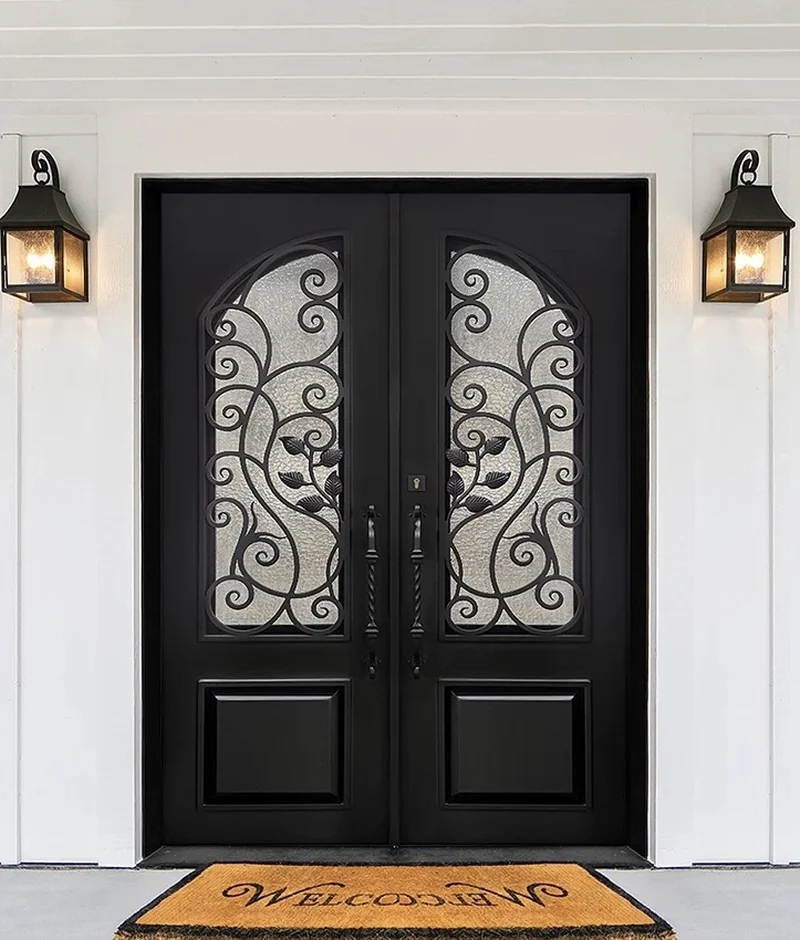
- LVL Core Stability: The cross-laminated construction provides dimensional stability, resisting warping, twisting, and sagging. Its shear strength ensures the steel skins are fully supported, preventing oil-canning and localized deformation.
- Full-Perimeter Steel Frame: A continuous 20-gauge galvanized steel frame is mechanically fastened to the core, creating a unified load path. This transfers hinge and lock stresses directly into the core and frame, preventing detachment of the skin at the edges.
- Adhesive Bonding: The steel skins are bonded to the core with a high-solids, moisture-curing polyurethane adhesive. This creates a monolithic composite structure, eliminating drumminess and increasing panel stiffness.
Performance Under Load:
Doors are subjected to cyclical loading from operation, slam forces, and environmental pressure differentials. Our construction is validated against relevant standards to ensure predictable performance.
| Performance Parameter | Test Standard | Typical Performance Data | Functional Implication |
|---|---|---|---|
| Hardness (Skin) | ASTM D2240 (Shore D) | 75-80 Shore D | Resists scratching, abrasion, and impact from carts, keys, and debris. |
| Cycle Testing (Hinges/Locks) | ANSI/BHMA A156.115 | >1,000,000 cycles (Grade 1) | Exceeds commercial-grade requirements for lifetime operation in high-use corridors. |
| Uniform Load Deflection | ASTM E330 | ≤ L/120 at 1.5x design pressure | Maintains structural geometry and seal compression under sustained wind or stack pressure. |
| Edge Screw Holding | ANSI/DASMA 108 | >600 lbf withdrawal | Ensures secure attachment of hardware, closers, and accessories over time. |
Material Specifications for Longevity:
- Steel Skin: Minimum 24-gauge, cold-rolled, galvanized steel (G90 coating) with a phosphatized pretreatment for superior paint adhesion and corrosion resistance.
- Fire & Smoke Integrity: Designs are available with certified ratings up to 90 minutes (EN 1634-1 / UL 10C), incorporating intumescent seals and non-combustible core materials as specified.
- Acoustic Performance: The mass-law principle of the steel skin, combined with a damped core and perimeter seals, achieves sound transmission class (STC) ratings from 35 to 52 dB, as validated by ASTM E90.
- Environmental Stability: The composite core is manufactured to E1 formaldehyde emission standards (EN 13986) and exhibits a moisture absorption rate of <8% per ASTM D1037, ensuring dimensional stability in varying humidity.
Cost-Effective Solutions: Maximizing ROI with Long-Term Supply Agreements
Long-term supply agreements for architectural steel doors are not merely procurement contracts; they are strategic engineering investments that lock in predictable cost structures and guarantee consistent performance specifications across multiple projects. The return on investment is realized through three primary engineering and operational channels: bulk material procurement, standardized installation protocols, and lifecycle performance certainty.
Material & Manufacturing Consistency
A fixed supply chain allows for the optimization of core material specifications and manufacturing tolerances, directly impacting unit cost and long-term durability.
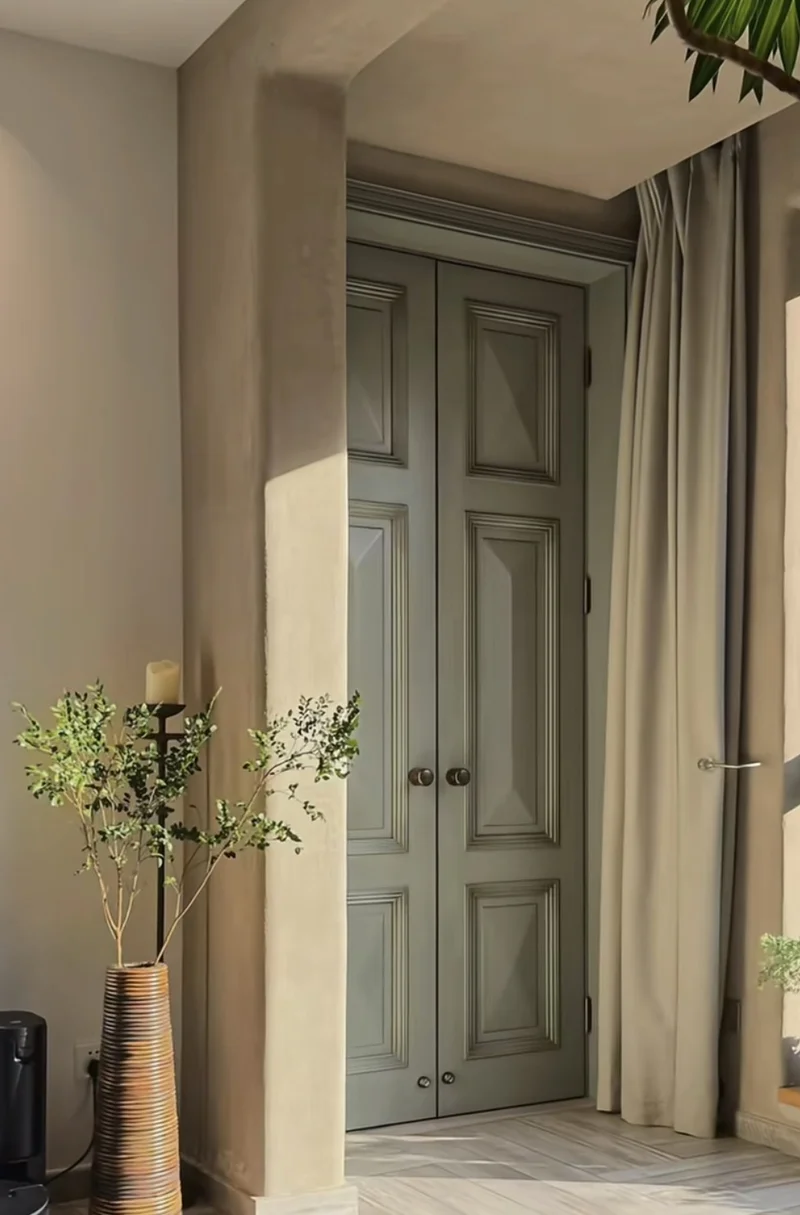
- Coated Steel Specifications: Agreements specify and lock in the substrate grade (e.g., cold-rolled, galvanized G90), primer type, and final coating (PVDF, polyester, or nano-ceramic). This prevents cost-driven substitution with inferior coatings that have lower weathering performance (QUV resistance) and impact resistance.
- Core Material Stability: For fire-rated or acoustic doors, the core material (mineral wool, vermiculite board) density and composition are critical. Long-term agreements ensure batch-to-batch consistency in core density (kg/m³), which directly correlates to fire integrity duration (e.g., EI 60/90/120 per EN 1634-1) and Sound Transmission Class (STC) ratings.
- Seal & Hardware Integration: Standardizing on gasket profiles (EPDM vs. PVC, durometer hardness) and pre-engineered hinge/mortise preparations reduces on-site fabrication, ensures consistent air/water infiltration performance (ASTM E283/E547), and extends service life.
Operational & Installation Efficiency
Standardization reduces complexity, errors, and labor costs throughout the construction process.
- Dimensional Tolerances: Uniform jamb depths, slab thicknesses, and hardware prep locations allow for repetitive, precise rough-opening framing. This minimizes costly field modifications and callbacks.
- Pre-Installation: Options like factory-applied primers or finish coats, pre-hung assemblies, and integrated door frames reduce on-site labor time and the variability of field-applied finishes.
- Inventory & Logistics: Predictable delivery schedules aligned with construction phases reduce on-site storage needs, prevent project delays, and minimize handling damage.
Lifecycle Cost Management
The true cost-effectiveness of a steel door is measured over its service life, not just at purchase. Long-term agreements ensure performance metrics that reduce operational expenses.
| Performance Parameter | Standard Specification | Impact on Operational Cost |
|---|---|---|
| Cyclic Durability | >200,000 cycles (EN 1191) | Reduces replacement frequency and maintenance in high-traffic areas. |
| Thermal Transmittance (U-factor) | U-value ≤ 1.5 W/m²K (with insulated core) | Lowers HVAC energy loads for perimeter spaces, contributing to building energy certification. |
| Corrosion Resistance | 1,000+ hours salt spray test (ASTM B117) | Essential for coastal or high-humidity environments; prevents premature degradation. |
| Fire Rating Integrity | Certified to EN 1634-1 / ASTM E119 | Guarantees compliance, avoiding legal liability and retrofit costs. |
| Surface Hardness | Pencil hardness ≥ 1H (ASTM D3363) | Resists scratching and abrasion during cleaning and use, maintaining aesthetic value. |
Risk Mitigation through Quality Assurance
A binding long-term agreement formalizes the quality management framework, transferring performance risk from the developer to the supplier.
- Certification Compliance: The agreement mandates ongoing compliance with third-party certifications (ISO 9001 for quality management, ISO 14001 for environmental management) and product-specific marks (CE marking, UL listing).
- Audit Rights: It secures the right to audit the supplier’s manufacturing process, raw material sourcing, and quality control testing (e.g., coating thickness measurements, cycle testing).
- Performance Warranty: It extends beyond commercial terms to include long-term performance warranties for finish integrity, hardware operation, and corrosion resistance, backed by the supplier’s technical liability.
By engineering the supply chain as a fixed variable, developers convert the door package from a recurring capital expense into a predictable, high-performance building system with a demonstrably lower total cost of ownership.
Technical Specifications: Customizable Options for Diverse Real Estate Applications
Core Construction & Material Specifications
The structural integrity and longevity of a steel door system are determined by its core composition and material properties. Our supply is based on engineered solutions, not commodity products.
- Cold-Rolled Steel Skin: Minimum 0.8mm gauge, zinc-coated (Z120 minimum) and phosphated for superior paint adhesion and corrosion resistance. Electrostatic powder coating follows a 7-stage pretreatment, resulting in a 60-80μm finish with a pencil hardness of ≥2H.
- Reinforced Frame & Lock Block: 1.2mm galvanized steel frame with a reinforced, multi-point lock preparation block. This ensures hinge and lock stability over >200,000 cycles, preventing sag and misalignment.
- Core Infill Options: Performance is dictated by core selection.
- Honeycomb Cardboard Core: Standard option for interior applications. Provides basic rigidity and sound dampening at minimal weight.
- Solid Polyurethane Foam (PUR) Core: For thermal and acoustic insulation. Density range: 40-55 kg/m³. Delivers a U-factor as low as 1.2 W/m²K and sound reduction up to 38 dB (Rw).
- Mineral Wool Core: Mandatory for certified fire-rated doors. Non-combustible infill with stability up to 120 minutes (EN 1634-1 / ASTM E119). Also provides enhanced acoustic performance (>42 dB Rw).
Performance Grading & Certifications
All doors are manufactured and tested to international standards, with documentation provided for regulatory compliance.
| Performance Parameter | Standard / Grade | Test Method | Typical Value / Certification |
|---|---|---|---|
| Fire Resistance | Integrity (E) & Insulation (I) | EN 1634-1 / UL 10C | EI 30/60/90/120 available |
| Safety & Durability | Cycle Testing, Hard Body Impact | EN 14351-1, ANSI/BHMA A156.13 | >200,000 cycles, Class 4 impact resistance |
| Thermal Transmittance | U-factor | EN ISO 8990 / ASTM C1363 | From 1.2 W/m²·K (with PUR core) |
| Acoustic Insulation | Weighted Sound Reduction (Rw) | EN ISO 10140-2 | Up to 42 dB (Rw) depending on core/seal |
| Formaldehyde Emissions | Indoor Air Quality | EN 16516 / ISO 12460-4 | E1 (<0.124 mg/m³) or E0 (<0.065 mg/m³) compliant |
| Quality Management | Production Consistency | ISO 9001:2015 | Full factory certification |
Architectural Customization & Finish
Doors are tailored to project aesthetics and functional demands without compromising the engineered envelope.
- Dimensions & Configuration: Single or double leaf; standard heights up to 2800mm and widths to 1200mm per leaf. Oversized and custom geometric configurations are engineered to order, with reinforced framing.
- Surface Finish:
- Paint: RAL, NCS, or custom color matching. Finish options include smooth, textured, or woodgrain embossed.
- Vinyl Laminate: High-pressure laminates (HPL) or continuous vinyl wraps. Available in unlimited woodgrain and solid color designs, with a scratch-resistant surface (≥ 4H pencil hardness).
- Real Wood Veneer: Sliced veneers (oak, walnut, etc.) bonded under heat and pressure, finished with catalyzed lacquer for UV and wear resistance.
- Glazing: Insulated glass units (IGU) up to 50% of door area. Options include tempered, laminated, low-E, or decorative glass. Glazing beads are mechanically fixed for security and serviceability.
- Hardware Integration: Pre-machined for multi-point locking systems (e.g., ASSA Abloy, Gretsch-Unitas, GU). Prepared for concealed or surface-mounted hinges, closers, and access control systems. All cutouts are CNC-machined for precision fit.
Sealing System & Site Performance
The perimeter sealing system is critical for in-situ performance, affecting air infiltration, sound, and water resistance.
- Primary Seal: EPDM or thermoplastic elastomer (TPE) bulb gasket, providing a continuous compression seal.
- Threshold: Adjustable, thermally broken aluminum thresholds with integrated sweep seals or magnetic seals for enhanced acoustic and thermal breaks.
- Fire & Smoke Seals: Intumescent strips expand under heat, sealing gaps to prevent fire and smoke passage. Certified for use in fire-rated assemblies.
- Weatherproofing Rating: Achieves up to Class 4 for air permeability (EN 12207) and Class 9A for watertightness (EN 12208), suitable for exposed applications.
Trusted by Industry Leaders: Case Studies and Certifications for Quality Assurance
Case Study: High-Rise Residential Tower, Coastal City
A 45-story development required doors capable of withstanding a corrosive saline atmosphere with annual humidity exceeding 85%. Our long-term supply contract specified a 1.2mm cold-rolled steel skin with a polyester powder coating (PPC) system comprising a zinc phosphate pre-treatment, 80µm epoxy primer, and a 60µm super-durable polyester topcoat. The core utilized a stabilized, low-density mineral wool with a declared thermal conductivity (λ) of 0.035 W/m·K. After 36 months of coastal exposure, accelerated salt spray testing (ASTM B117) on sample doors showed zero red rust formation and a measured U-factor of 1.1 W/m²K, meeting the project’s energy and durability specifications.
Certification Framework for Supply Chain Integrity
Our manufacturing and quality management systems are externally audited to ensure consistency across multi-year supply contracts. This framework guarantees that every batch, regardless of order volume or project timeline, meets identical performance thresholds.
- Quality Management: ISO 9001:2015 certification governs the entire process from raw material sourcing to final inspection, ensuring traceability and procedural consistency.
- Fire Performance: Doorsets are tested and classified to EN 1634-1 / ASTM E814, with available ratings from EI30 to EI120. Full-scale test reports, including hose stream test results, are provided for architectural submittals.
- Environmental & Health Compliance: All composite materials, including seals and core components, are certified to E0 formaldehyde emission standards (EN 16516). Volatile Organic Compound (VOC) emissions are controlled per ISO 16000 standards.
- Material Specifications: Steel is sourced from mills complying with ASTM A1008/A1008M for structural quality and consistent formability. All coatings are independently tested for adhesion (ASTM D3359), impact resistance (ASTM D2794), and QUV weathering resistance (ASTM G154).
Technical Performance Data: Standard Door Leaf Construction
The following parameters are guaranteed minimums for our standard 44mm insulated door leaf, forming the baseline for project-specific engineering.
| Parameter | Test Standard | Performance Value | Notes |
|---|---|---|---|
| Sound Reduction (Rw) | EN ISO 10140-2 | 32 dB | With perimeter sealing system. |
| Thermal Transmittance (U) | EN ISO 12567-1 | 1.3 W/m²·K | Core-dependent; can be engineered to 0.9 W/m²·K. |
| Structural Load (Uniformly Distributed) | EN 12444 | >1200 N | Tested on hinges and lock side. |
| Surface Hardness | ASTM D3363 (Pencil) | ≥2H | For standard PPC finish. |
| Durability Cycle Test | EN 1191 | ≥200,000 cycles | Grade 8 operation for heavy-duty residential use. |
Case Study: Nationwide Multi-Unit Developer Portfolio
A developer with a standardized door specification across 12,000 units required a supply partner to maintain dimensional tolerance and aesthetic consistency over a 5-year rolling program. Our solution involved:
- Tooling Control: Dedicated, registered tooling for lock preparation, hinge jigs, and vision panel frames to eliminate batch-to-batch variance.
- Batch Testing Protocol: Quarterly third-party testing of a randomly selected door from production, assessing:
- Fire rating integrity (where applicable).
- Finish thickness and adhesion.
- Operational force and alignment.
- Just-in-Time Logistics: A bonded warehouse system with barcode tracking, ensuring on-site delivery of complete doorsets (leaf, frame, hardware) in correct installation sequence, reducing on-site handling damage to <0.5%.
Frequently Asked Questions
How do your steel doors prevent long-term warping in humid climates?
Our doors feature LVL core reinforcement with <8% moisture content and galvanized steel frames (1.2mm thickness). This engineered combination minimizes differential expansion, ensuring dimensional stability. Doors undergo 1000-hour salt spray testing to guarantee performance in humidity exceeding 85% RH without deformation.
What are the formaldehyde emission standards for your door cores and sealing materials?
We exclusively use E0-grade (≤0.05mg/m³) and EN-standard compliant composite cores and sealants. All materials are certified with SGS reports, ensuring indoor air quality safety exceeds GB 18580-2017 standards. This is critical for residential projects requiring green building certifications like LEED or BREEAM.
What thermal insulation performance can be achieved for energy-efficient building envelopes?
Our doors integrate 28kg/m³ high-density PU foam cores and multi-chamber thermal break profiles. This achieves a U-value as low as 1.2 W/(m²·K), reducing thermal bridging by over 60%. Performance is validated per EN 10077 standards, directly contributing to reduced HVAC loads and operational costs.
How is impact resistance and durability ensured for high-traffic residential entrances?
Doors utilize 0.8mm embossed cold-rolled steel skins with a 25μm PVDF coating, providing a pencil hardness of 2H. The reinforced hinge system supports 200,000+ open/close cycles. Impact resistance meets ANSI 250.4 Level 3 standards, preventing dents and maintaining aesthetic integrity in demanding environments.
What sound insulation levels do your steel doors provide for multi-family units?
We achieve 38-42 dB Rw sound reduction through a combination of magnetic perimeter seals, 45mm thick mineral wool acoustic cores, and triple-sealing gaskets. This performance meets GB/T 8485-2008 Class 4 standards, effectively mitigating urban noise transmission between units and common corridors.
What anti-corrosion measures protect doors in coastal or high-pollution areas?
A 3-layer protection system is applied: zinc phosphating pretreatment, 20μm epoxy electrocoating, and 30μm polyester powder coating. This process ensures 1,200 hours of neutral salt spray resistance (ASTM B117), preventing red rust and maintaining finish integrity in C5-M high corrosion environments.
How do you manage dimensional tolerances for large-scale project installation efficiency?
We employ CNC-controlled fabrication with ±0.5mm tolerance on frame and leaf dimensions. Pre-installed adjustable stainless steel hinges and pre-drilled hardware templates ensure seamless fit. This precision eliminates on-site modifications, reducing installation time by up to 40% compared to conventional doors.
What fire rating certifications do your doors hold for commercial and residential stairwells?
Doors are certified to GB 12955-2008 Class B (1.0 hour) and can be manufactured to meet 2-hour ratings. They incorporate intumescent strips, ceramic wool cores, and non-combustible reinforcement. All certifications (CCCF, UL) are factory-traceable, ensuring compliance with strict fire compartmentalization codes.