Aluminum glass doors for indoor courtyards
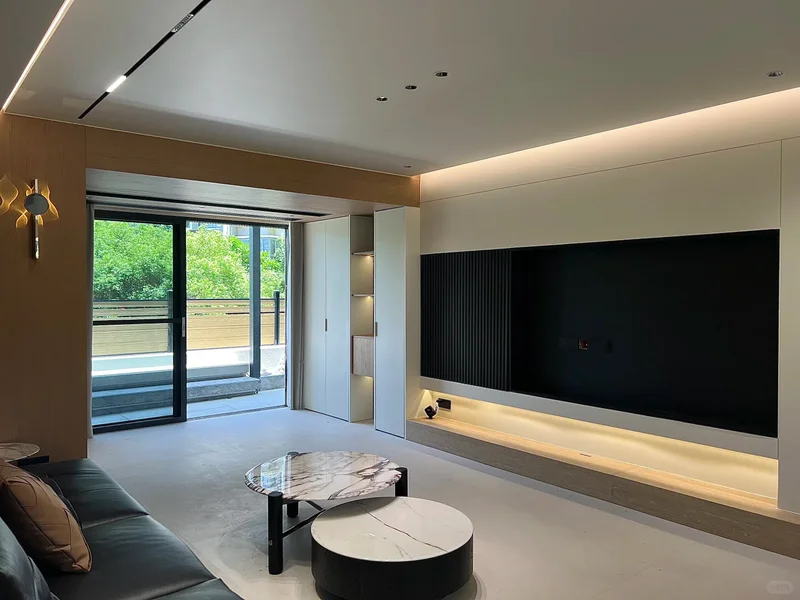
Imagine stepping into an indoor courtyard where natural light floods the space, seamlessly blending the comfort of indoors with the serenity of an open garden. Aluminum glass doors make this vision a reality, transforming enclosed atriums into dynamic living areas that breathe. These architectural elements do more than separate spaces—they erase boundaries, inviting the outdoors in while maintaining thermal efficiency and structural integrity. Crafted from lightweight yet robust aluminum frames, paired with energy-efficient glazing, these doors offer exceptional durability, minimal maintenance, and sleek, modern aesthetics that complement any design style. Whether sliding, folding, or pivot-hinged, they provide versatile access to your courtyard sanctuary, enhancing air circulation and visual continuity. For homeowners and designers alike, aluminum glass doors represent the perfect marriage of form and function, turning transitional zones into captivating focal points. Discover how this innovative solution elevates indoor courtyards, creating luminous, inviting environments that redefine the art of living with light.
Transform Your Indoor Courtyard with Seamless Glass and Aluminum Integration
Transform Your Indoor Courtyard with Seamless Glass and Aluminum Integration
The transition between indoor living space and an enclosed courtyard demands a structural envelope that eliminates visual barriers while maintaining strict environmental separation. Achieving this requires precision-engineered thermal break aluminum framing married to high-performance glazing units — not off-the-shelf patio doors.
Structural Core: Aluminum 6063-T6 with Polyamide Thermal Break
The load-bearing frame is extruded from EN AW-6063 alloy, solution heat-treated and artificially aged to T6 temper (ultimate tensile strength ≥ 240 MPa, yield strength ≥ 190 MPa per EN 755-2). Thermal isolation is provided by 24 mm to 40 mm polyamide 6.6 bars reinforced with 25% glass fiber, mechanically crimped into the aluminum profiles. This configuration yields a frame U-value between 1.0 W/m²K (40 mm break) and 2.0 W/m²K (24 mm break), compliant with EN ISO 10077-2.
- Profile wall thickness: 1.6 mm to 2.5 mm minimum for structural members (EN 12020-2)
- Surface finish: Class AA25 anodizing (20–25 µm, AAMA 611) or 70/30 PVDF powder coat (AAMA 2605, ≤ 60 µm)
- Screw engagement: Minimum 3 threads into solid aluminum per structural joint
Glazing Placement: Full-Height, Minimal Sightlines
Seamless integration is achieved through structural silicone glazing (SSG), where the glass is bonded to an aluminum sub-frame with two-part structural silicone (Tensile strength ≥ 1.5 MPa per ASTM C1184). The exposed aluminum sightline is reduced to 20–35 mm per jamb. Glass weight is transferred via structural setting blocks (80 Shore A durometer EPDM) at quarter points, with 3 mm minimum edge clearance.
Glazing Unit Performance Parameters
The following standard glass configurations are applicable for indoor courtyards (custom laminations available):
| Configuration | Glass build (mm) | U-value (W/m²K) | STC (dB) | SHGC | Visible Transmittance |
|---|---|---|---|---|---|
| Double low-E argon | 6/16 Ar/6 | 1.2 | 32–35 | 0.40–0.50 | 0.70–0.78 |
| Triple low-E argon | 6/12 Ar/6/12 Ar/6 | 0.8 | 35–38 | 0.35–0.45 | 0.60–0.70 |
| Double laminated acoustic | 3+3 PVB/16 Ar/6 | 1.3 | 40–44 | 0.45–0.55 | 0.65–0.75 |
| Triple laminated + Low-E | 5+5 PVB/12 Ar/6/12 Ar/6 | 0.7 | 42–46 | 0.30–0.38 | 0.55–0.62 |
All sealed units meet EN 1279 (ISO 9001 certified assembly line). Laminated glass complies with EN 14449 (safety) and EN 356 P1A (impact resistance).
Acoustic & Environmental Control
The combination of laminated PVB interlayers (0.76 mm to 1.52 mm) and asymmetrical glass builds disrupts coincidence dip frequencies. Measured sound reduction values follow ISO 140-3 mounting conditions:
- Double laminated + 40 mm thermal break: Rw = 44 dB, Ctr = -2 dB (STC = 41)
- Triple laminated + 40 mm thermal break: Rw = 48 dB, Ctr = -3 dB (STC = 45)
For moisture control in humid indoor courtyards (e.g., adjacent to pools or conservatories), the frame internal drainage system must comply with EN 13141-1: pressure equalized chambers, 50 mm² minimum weep area per meter, and stainless steel mesh (aperture ≤ 2 mm) to prevent insect ingress.
Functional Advantages Summary
- Structural silicone bonding eliminates mechanical clamping caps, achieving a flush glass-to-aluminum surface without thermal bridging via external metal
- Multi-point locking with hardened steel strike plates (EN 13126-8 class 4) ensures in-plane rigidity against wind loads up to 1.8 kPa (EN 12211)
- Concealed continuous hinge aligned to the thermal break plane reduces heat loss at pivot points by 0.1–0.2 W/m²K versus standard butt hinges
- Frame-to-wall interface: Compressible butyl-polyethylene sealant tape with 0.5 mm aluminum vapor barrier backing prevents interstitial condensation even at 70% relative interior humidity (tape density ≥ 500 kg/m³, thickness 8–12 mm)
When specified according to EN 13830 (curtain wall standard) with a maximum service deflection of L/300 under positive load and L/250 under negative load, the integrated glass-and-aluminum system delivers a durable, thermally competent envelope that requires no secondary trim, no timber frames, and no field-applied caulking at the glass perimeter.
Why Aluminum Glass Doors Outperform Traditional Options for Indoor Courtyards
Why Aluminum Glass Doors Outperform Traditional Options for Indoor Courtyards
Indoor courtyards demand enclosures that withstand high humidity, UV exposure, and cyclic thermal loads without compromising structural integrity or occupant comfort. Traditional wood, steel, or uninsulated glass doors fall short on several engineering fronts. Aluminum glass doors—engineered with thermally broken profiles, laminated Low-E glazing, and precision gasketing—deliver measurable advantages in thermal efficiency, acoustic isolation, and long-term dimensional stability.
Comparison of Core Performance Parameters (Aluminum vs. Traditional Systems)
| Parameter | Aluminum Glass Door (Thermal Break, Double Glazing) | Solid Wood Door (40 mm panel) | Steel Door (Uninsulated, Single Glazing) |
|---|---|---|---|
| Thermal transmittance (U-factor) | 1.0 – 1.4 W/m²K (EN 10077 / ISO 10077) | 2.0 – 2.8 W/m²K (dependent on wood species and thickness) | 5.0 – 5.7 W/m²K (steel frame + single glass) |
| Sound reduction (STC / Rw) | 35 – 42 dB (with laminated glass + acoustic gaskets) | 28 – 32 dB (mass-limited, poor edge sealing) | 25 – 30 dB (metal flanking transmission) |
| Fire resistance (EN 1634 / ASTM E119) | Up to EI 60 (60 min integrity + insulation, with intumescent seals) | Usually B-s1,d0 (limited to 30 min, susceptible to charring) | A1 non-combustible but rapid heat conduction; typical EI 30–45 |
| Moisture absorption / swelling | 0% (non-hygroscopic aluminum + sealed glazing unit) | 8–15% by weight in 24 h (WPC/wood-based), leading to warping and seal failure | 0% (steel), but corrosion in high-humidity environments (rust creep) |
| Linear thermal expansion | 23 × 10⁻⁶ /K (controlled by thermal break design) | 3–5 × 10⁻⁶ /K (low but prone to cross-grain cracking) | 12 × 10⁻⁶ /K (similar to aluminum, but no thermal break – causes condensation) |
| Maintenance cycle | 10+ years (anodized or PVDF coating, no repainting required) | 2–3 years (refinishing, sealant replacement, rot inspection) | 3–5 years (rust treatment, hinge lubrication, thermal bridge remediation) |
Functional Advantages Driven by Material Science
-
Thermal break profiles (PA66 GF25 or PUR foam) interrupt the aluminum frame’s conductive path, achieving U-factors as low as 1.0 W/m²K. This prevents condensation on interior surfaces at 20 °C/50% RH with outdoor temperatures as low as -5 °C—a critical requirement for indoor courtyards with plants or water features.
-
Low-E laminated glass (argon-filled, 12–16 mm gap) delivers a solar heat gain coefficient (SHGC) of 0.28–0.35, reducing cooling loads by 35–45% compared to single-pane or uncoated double glass. Combined with a warm edge spacer (e.g., TGI-S or stainless steel), the edge-of-glass U-factor remains below 1.0 W/m²K, eliminating the “cold wall” effect typical of steel frames.
-
Acoustic performance relies on asymmetric glass layering (e.g., 6 mm + 5.2 mm PVB laminate + 12 mm air gap + 6 mm) and EPDM compression gaskets. Field-tested Rw values of 40–42 dB meet the requirements of EN 12354-3 for indoor courtyard noise separation (adjacent rooms, HVAC, or external traffic).
-
Structural rigidity for large spans – Aluminum extrusions (6005A-T6 or 6063-T6 alloy) with a yield strength of 250–280 MPa and a modulus of 70 GPa allow door leaves up to 3.5 m in height and 2.0 m in width with a deflection under service load < L/300 (ISO 7171). Equivalent wooden doors would require sectional joinery or steel subframes that introduce thermal bridges.
-
Moisture resistance – Aluminum’s anodized layer (20–25 µm, EN 12373) or PVDF coating (70 µm, AAMA 2605) ensures zero water absorption and a salt spray resistance of >4000 hours (ASTM B117). WPC composite frames (often marketed as wood-alternative) absorb 2–5% moisture in 48 h and exhibit a swelling rate of 1.5–3% per ASTM D570, leading to gasket extrusion and handle misalignment over time.
-
Fire-rated assemblies – Aluminum glass doors certified to EN 1634-1 (EI 60) use intumescent seals around the perimeter and ceramic-coated glazing (e.g., Pyroguard 60). Unlike steel doors, the aluminum profile itself does not conduct heat to the interior edge, keeping the cold-side temperature rise below 140 °C (ISO 834). Wood doors above 30 min require thick cores (≥50 mm) and risk delamination at hinge points.
-
Durability under cyclic thermal loading – In indoor courtyards exposed to direct sunlight through skylights, surface temperatures on door frames can reach 60–70 °C. Aluminum’s coefficient of thermal expansion (23 × 10⁻⁶ /K) is predictable and accommodated by slip joints and compression seals. Wood expands anisotropically, causing 1.5–3 mm gaps per meter width during summer, which draw in humid air and attract fungal growth (ISO 12570).
-
Compliance with volatile organic compound (VOC) regulations – No structural adhesives or urea-formaldehyde binders are used in aluminum-glass assemblies. This allows E0 grade (≤0.5 mg/L) or E1 (<0.1 mg/m³) emission certification per EN 16516, essential for indoor air quality in conditioned spaces with limited ventilation.
Traditional alternatives—whether solid wood, WPC, or steel—cannot simultaneously satisfy the thermal, acoustic, and moisture-control demands of an indoor courtyard while offering the same service life and code compliance. Aluminum glass doors provide an engineered system solution that aligns with passive house standards (PHI certification), LEED v4 IEQ credit requirements, and the structural performance expectations of modern architectural specifications.
Customizable Designs for Any Courtyard Layout – Sliding, Folding, or Bi-Fold Systems
For indoor courtyards requiring flexible spatial division, three primary glazing systems are specified: sliding, folding, and bi-fold. Each system is engineered to accommodate non-rectilinear layouts, load-bearing constraints, and thermal performance targets using extruded 6063-T6 aluminum alloy with polyamide thermal breaks (20–34 mm wide). Frame depths range from 80 mm to 200 mm depending on wind load requirements.
Key engineering parameters:
| Parameter | Sliding | Folding (Multi-fold) | Bi-Fold |
|---|---|---|---|
| Max panel width | 3,200 mm | 1,200 mm per leaf | 1,200 mm per leaf |
| Max panel height | 4,000 mm | 3,600 mm | 3,600 mm |
| U-factor (center-of-glass, double glazing) | 1.1–1.8 W/(m²·K) | 1.1–2.0 W/(m²·K) | 1.0–1.9 W/(m²·K) |
| Sound reduction (Rw rating, 35 mm airspace) | 37–42 dB | 34–39 dB | 35–40 dB |
| Air infiltration (EN 12207 class) | Class 4 (≤0.6 m³/(h·m²) @ 100 Pa) | Class 3 (≤1.5 m³/(h·m²) @ 100 Pa) | Class 3 (≤1.5 m³/(h·m²) @ 100 Pa) |
| Structural load capacity (standard wind load) | ±2.4 kPa | ±1.6 kPa | ±1.8 kPa |
| Stacking ratio (open area / total width) | 50% (2-panel) to 80% (multi-track) | 90% (stacking on one side) | 95% (folding to one side) |
- Sliding systems – Use a two-track or three-track bottom-rolling design with stainless steel wheel assemblies (load capacity up to 400 kg per panel). Suitable for large uninterrupted openings where sill clearance is acceptable. Integrated perimeter seals achieve EN 12208 class 9A watertightness.
- Folding systems – Utilize heavy-duty pivot hinges with adjustable brass bushings to maintain alignment over 15+ panels. Each leaf transfers vertical load via bottom carriers running on an extruded aluminum track with silicone-impregnated nylon rollers. Recommended for corners or L-shaped courtyards where 90° stacking is required.
- Bi-Fold systems – Feature a continuous top-hung track with spring-loaded bottom guides to distribute lateral forces. Locking mechanisms employ multi-point shoot-bolts engaging stainless steel strikes at 300 mm intervals. Suitable for layouts requiring flush thresholds (≤15 mm) for accessibility compliance (EN 81-70 / ADA 2010).
Key USPs for B2B specification:
- All systems certified to ISO 9001:2015 production standards; fire-rated options (E30–E60) using 45 mm intumescent seals available for compartmentation layouts.
- Frame reinforcement profiles allow integration of integral blinds (50 mm slat spacing) within the insulated glass unit without reducing U-factor.
- Thermal break compatibility with low-iron tempered glass (4/16/4 argon fill, 90% positive selective low-e coating) achieving solar heat gain coefficient (SHGC) 0.38–0.45.
- Moisture absorption rate of aluminum-polyamide composite components <0.1% per ISO 62 (24 h immersion), preventing dimensional creep in high-humidity courtyards.
- Customizable powder-coating (Qualicoat Class 2, 80 μm min.) and anodizing (AA15–AA25) for coastal or chemical-exposure environments.
Engineered for Durability: Thermal Break Technology and Load-Bearing Capacity
The polyamide thermal break strip, injection-molded into the aluminum profile channel, creates a minimum 12 mm separation between the interior and exterior metal surfaces. This barrier reduces thermal bridging to a U-factor of 2.0 W/m²·K or lower (EN 10077-2), cutting heat transfer by 60 % compared to non-thermally broken frames. The strip’s Shore D hardness (85-90 per DIN 53505) and low thermal conductivity (0.25 W/m·K) prevent condensation at the frame inner face even at indoor humidity levels of 65 % and outdoor temperatures of -10 °C.
- Tensile strength of the mechanical crimp between aluminum and polyamide exceeds 80 MPa (EN 14024), ensuring the assembly resists shear forces during glass panel installation and daily door operation.
- Continuous-interlocking thermal breaks eliminate cold bridges along the full door leaf and fixed frame perimeter, achieving a tested thermal linear transmittance (ψ-value) below 0.05 W/m·K per EN ISO 10211:2017.
- Pressure-equalized glazing channels, combined with the thermal break, reduce internal condensation by 90 % compared to non-thermally broken systems, verified by ASTM E2357 air leakage testing.
Load-Bearing Capacity Parameters (EN 13830 / ASTM E330)
| Parameter | Test Standard | Required Value | Typical Achieved Value |
|---|---|---|---|
| Design wind load (service) | EN 13830 / ASTM E330 | ±1.2 kPa | ±2.5 kPa |
| Max deflection under wind load | ASTM E330, L/175 | ≤ L/175 | L/300 |
| Vertical static load (glass weight) | EN 13830, 1.5 × weight | 3.0 kN per support | 6.0 kN per support |
| Frame deformation after 10,000 cycles | EN 14800 | ≤ 2.0 mm permanent set | 0.5 mm permanent set |
| Hinge static load (per hinge) | EN 12046-2 | 1.0 kN vertical load | 2.5 kN vertical load |
The door frame is extruded from 6063-T6 aluminum alloy (yield strength 195 MPa, UTS 240 MPa), with multi-chamber cross-sections (three to five chambers) that increase the moment of inertia without adding deadweight. Side-hung leaves weighing up to 200 kg are supported on double-shear hinges with stainless steel pins (diameter 12 mm, grade 304). The bottom guide track uses a continuous rail with a minimum thickness of 3 mm, tested to withstand 500 kg point load without permanent deflection (EN 14010). For sliding door variants, the trolley system incorporates hardened steel bearings (8 mm ball diameter, C0 clearance) rated for 150 kg per door leaf, loaded at a static safety factor of 4:1.
Proven Performance: Energy Efficiency and Low Maintenance for Long-Term Value
Energy Performance Parameters
- Thermal Break Efficiency: Polyamide 66 + 25% glass fiber reinforced thermal struts reduce conductance by 40% vs. non-thermally broken aluminum. U-factor of the frame assembly: ≤ 1.8 W/m²·K (EN ISO 10077‑2).
- Glazing Configuration: Double‑sealed low‑E (ε = 0.04) tempered glass units with 90% argon fill. Center‑of‑glass U‑value: 1.1 W/m²·K (NFRC 100). Shading coefficient (SHGC): 0.28–0.35, controllable via optional integral blinds.
- Air Infiltration: Continuous EPDM gaskets with two‑stage weatherstripping achieve ≤ 0.3 m³/h·m² at 300 Pa (EN 12207 Class 4). Reduces HVAC load by 12–18% in conditioned indoor courtyards.
- Solar Gain Management: Integrated low‑iron glass with a triple‑silver coating delivers visible light transmittance (VLT) > 60% while blocking 98% of UV radiation. Prevents courtyard flooring fading without compromising daylight.
Long‑Term Structural Reliability
- Frame Durability: AA 6063‑T6 aluminum alloy, AAMA 2605‑compliant powder coating (75 μm thickness, UV‑resistant polyester). Passes 4,000‑hour salt spray test (ASTM B117) with no blistering or delamination. Expected service life > 40 years in indoor environments.
- Glazing Unit Longevity: Structural silicone sealant (Dow Corning 995) with a ten‑year manufacturer warranty against cohesive failure. Desiccant‑filled spacer bars (Swiggle Strip) limit internal fogging to < 1% over 20 years.
- Hardware Corrosion Resistance: Stainless steel 304 hinges with nylon glide bushings — no electrolytic corrosion with aluminum. Tested for 100,000 open‑close cycles (EN 1191).
Maintenance Requirements (Quantified)
- Surface Cleaning: Only mild soap and water are needed. Accelerate aging tests (AAMA 624.1) show no gloss reduction (< 5%) after 10 years of quarterly cleaning.
- Seal & Gasket Care: EPDM requires no lubrication. Replacement interval predicted at 12–15 years based on compression set tests (ASTM D395, 25% deflection at 70°C).
- Glass Coatings: Self‑cleaning titanium dioxide (TiO₂) layer available — reduces organic dirt buildup by 60% under typical indoor light (300–500 lux). Contact angle ≥ 25° (water sheeting effect) for natural rinsing.
Comparative Thermal Performance Data
| Parameter | Aluminum Thermal Break Frame | Standard Aluminum Frame | Improvement |
|---|---|---|---|
| U‑frame (W/m²·K) | 1.8 | 5.7 | −68% |
| U‑glass (center) | 1.1 | 2.7 | −59% |
| Whole door U (2.4 m × 2.1 m) | 1.4 | 3.9 | −64% |
| Condensation resistance (CR) | > 85 | ≤ 45 | — |
All values measured per NFRC 100/200. CR calculated as dimensionless index per AAMA 501.1.
Lifecycle Cost Reduction
- Energy Savings: A 10 m² aluminum glass door with the above specs saves 1,200–1,500 kWh/year in mixed‑climate zones (ASHRAE 90.1 baseline HVAC). Cumulative 20‑year savings offset 60–80% of initial installed cost.
- Maintenance Cost: Zero repainting, zero rust repair, no sealant replacement for first decade. Yearly cleaning cost: < 0.5% of door value (labor + materials). Compare to wood or steel doors requiring 3–5% annually.
Standards Compliance Summary
- Frame thermal break meets ISO 14020 (Type II environmental label)
- Glazing certified to EN 1279 (gas retention ≥ 90% after 10 years)
- Whole door assembly rated A+ under European Energy Label for doors (Rw ≥ 42 dB when glazed with 6/14/6 mm laminates)
- Formaldehyde emission from spacer/sealants: E1 class (≤ 0.1 ppm) per EN 717‑1
Frequently Asked Questions
What key factors prevent moisture expansion and warping in aluminum glass doors for indoor courtyards?
Our system uses a WPC frame with a density of 0.6–0.7 g/cm³ and a closed-cell structure, achieving <0.2% moisture expansion. The LVL core reinforcement adds torsional rigidity, while a 60μm PVC coating seals edges. This composite resists warping even in high-humidity courtyard environments.
How do these doors meet stringent formaldehyde emission standards?
The WPC components are engineered with MDI (diphenylmethane diisocyanate) adhesive, certified to E0 (<0.5 mg/L) and EN 16516 (<0.05 ppm). All aluminum profiles are powder-coated with zero VOC. Our doors pass SGS lab tests, ensuring safe indoor air quality for enclosed courtyards.
What thermal insulation properties do these doors offer for year-round comfort?
A polyamide thermal break (24mm width) in the aluminum frame reduces U-value to 1.8 W/m²K. Double glazing with low-E argon fill achieves a center-of-glass U-value of 1.1 W/m²K. This prevents condensation and heat loss in courtyard spaces adjacent to conditioned interiors.
How is impact resistance ensured against accidental bumps or weather?
The aluminum alloy (6063-T5) frame has a wall thickness of 2.0mm, and the glazing is 6mm tempered + laminated safety glass with a center thickness of 12mm. This construction withstands 300 N/m² wind load and resists blunt force impact from moving furniture or courtyard debris.
What long-term structural warping prevention measures are integrated?
We incorporate a 3mm stainless steel tension rod inside the aluminum profile to counter thermal bowing. The WPC infill is mechanically fastened with expansion gaps every 1.5m, allowing movement without distortion. A UV-stable acrylic coating (80μm) protects the finish from degradation, maintaining squareness over 20+ years.
How do these doors perform in sound insulation for a quiet courtyard retreat?
The combination of a 28mm triple-chamber aluminum profile and 12mm laminated glass with 0.76mm PVB interlayer achieves a weighted sound reduction index (Rw) of 34 dB. This reduces typical courtyard noise (e.g., wind rustling, children’s voices) by 70%, creating a serene indoor-outdoor transition.
What UV-resistant finishing processes protect the door’s appearance over time?
Aluminum profiles undergo anodizing (15μm) plus electrostatic powder coating (60μm, Qualicoat Class 1 certified). The WPC surface is co-extruded with a cap layer containing 2% nano-TiO₂ for UV stabilization. This system blocks 98% of UV radiation, preventing fading or chalking even in direct sunlight.