Ash Wood Glass Doors with Slim Aluminum Clamps: Minimalist Elegance for Modern Cafes
In the evolving landscape of modern cafe design, where ambiance and functionality converge, ash wood glass doors with slim aluminum clamps have emerged as a hallmark of minimalist sophistication. Seamlessly blending natural warmth with industrial precision, these doors feature light-toned ash wood frames that highlight the wood’s delicate grain, harmonizing with the transparency of tempered glass to create an open, inviting atmosphere. Paired with discreet, sleek aluminum clamps, the design achieves a floating effect—structural integrity meets refined elegance without visual clutter. Ideal for contemporary cafes seeking to blur the boundaries between indoor and outdoor spaces, this architectural detail enhances natural light flow while maintaining acoustic and thermal efficiency. The result is more than just a doorway; it’s a statement of intention—clean lines, sustainable materials, and understated luxury that reflect a brand’s commitment to both aesthetic excellence and functional design.
Why Ash Wood Glass Doors Define Modern Cafe Aesthetics
-
Seamless integration of natural and industrial materials defines contemporary cafe design, and ash wood glass doors with slim aluminum clamps epitomize this balance. Ash wood, prized for its pale, uniform grain and subtle warmth, introduces organic texture without overwhelming visual weight. When paired with frameless glass, it creates an aesthetic of clarity and continuity, allowing unobstructed sightlines that enhance spatial perception—a critical consideration in compact urban cafes where openness equates to comfort.
-
The structural elegance of slim aluminum clamps reinforces this minimalist philosophy. Unlike bulky traditional frames, these precision-engineered clamps secure the glass with mechanical precision while remaining visually recessive. Their narrow profile ensures that neither material—glass nor wood—is compromised by excessive hardware, preserving the purity of line and form. This restraint aligns with modern design principles that prioritize intentionality and material honesty.
-
Functionally, the transparency of glass supports an inviting atmosphere. Customers immediately perceive the interior ambiance, menu offerings, and seating availability, reducing psychological barriers to entry. Simultaneously, the ash wood infill panels or cladding on the door edges provide tactile contrast, grounding the design in natural materiality. This duality—transparency and warmth—creates a layered sensory experience that elevates the customer journey from mere transit to curated encounter.
-
From a branding standpoint, these doors communicate a deliberate design ethos: understated sophistication, attention to detail, and alignment with sustainable materials. Ash is a rapidly renewable resource when responsibly sourced, appealing to environmentally conscious operators and patrons alike. The durability of tempered glass and corrosion-resistant aluminum ensures longevity, reducing maintenance and replacement cycles—key for high-traffic commercial environments.
-
In urban contexts where natural light is limited, the reflective and transmissive qualities of glass maximize illumination, reducing reliance on artificial lighting during daylight hours. The pale tone of ash wood further amplifies this effect, contributing to a brighter, more energizing interior.
Ultimately, ash wood glass doors with slim aluminum clamps are not merely entry points—they are architectural statements that encapsulate the core values of modern cafe culture: transparency, authenticity, and refined minimalism.
The Role of Slim Aluminum Glass Clamps in Minimalist Design
-
Slim aluminum glass clamps serve as a pivotal element in achieving minimalist elegance within modern café environments, particularly when integrated with ash wood glass doors. These components are engineered to provide structural integrity while maintaining an almost invisible presence, allowing architectural and material aesthetics to take precedence.
-
Constructed from high-grade aluminum, these clamps offer exceptional strength-to-weight ratios and corrosion resistance, making them ideal for high-traffic commercial spaces. Their slim profiles—often less than 20mm in width—minimize visual interruption, preserving sightlines and contributing to a sense of spatial continuity critical in open-concept café designs.
-
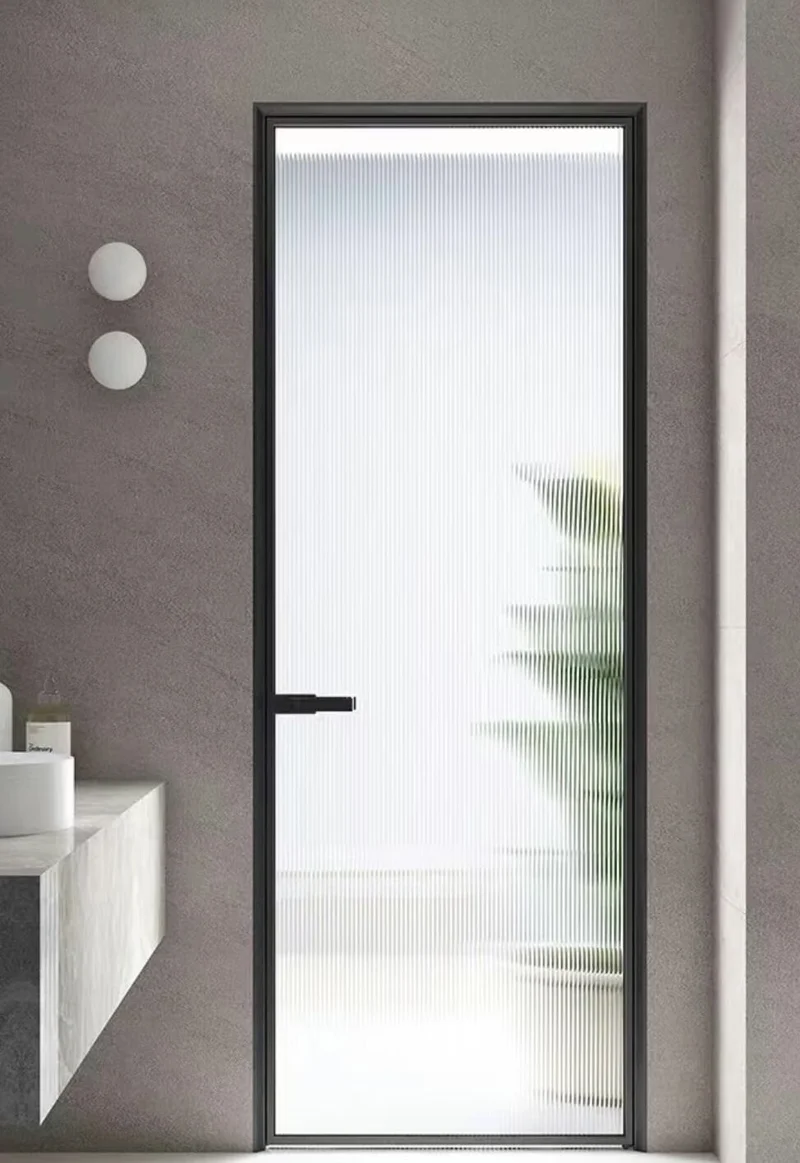
The integration of ash wood elements with glass and aluminum introduces a balance of warmth and precision. Ash wood, with its light grain and organic texture, contrasts subtly with the cool, reflective quality of glass and the linear clarity of aluminum. The clamps act as silent connectors, anchoring the glass without overwhelming the wood’s natural character, thus enabling a harmonious material dialogue.
-
From a design perspective, the aesthetic value of slim aluminum clamps lies in their ability to eliminate bulky framing. Traditional door systems rely on heavy metal or timber frames that compartmentalize space; in contrast, these clamps support frameless or semi-frameless glass installations, promoting transparency and fluidity. This is especially impactful in café settings where visual access, natural light transmission, and spatial perception influence customer experience.
-
Functionally, the clamps allow for precise alignment and secure fastening of glass panels to ash wood components, ensuring long-term durability and ease of maintenance. Their modular design facilitates installation and adaptation to various configurations, including pivot, sliding, or fixed door systems, offering architects and designers flexibility without compromising minimalist intent.
-
Furthermore, the refined finish of the aluminum—available in anodized, matte, or powder-coated options—can be customized to complement specific interior palettes, enhancing cohesion across material systems. When paired with sustainably sourced ash wood and low-iron glass, the result is a design statement that is both environmentally conscious and aesthetically refined.
-
In essence, slim aluminum glass clamps are not merely functional hardware; they are enablers of design philosophy, allowing minimalist principles—clarity, restraint, and intentionality—to manifest physically in contemporary café architecture.
Design Harmony: Blending Natural Ash Wood with Sleek Metal Elements
-
Natural ash wood, prized for its pale, warm tone and pronounced grain, offers an organic foundation that softens the precision of modern architectural spaces. When integrated into glass door systems through minimalist aluminum clamps, ash wood becomes both structural and aesthetic, grounding sleek, transparent elements with tactile authenticity. The result is a balanced composition where nature and industry coexist without competition.
-
Ash’s open grain and subtle texture contrast elegantly with the cold, reflective finish of anodized or powder-coated aluminum. This juxtaposition is not incidental but intentional—designers leverage the warmth of wood to humanize spaces dominated by glass and metal, particularly in high-traffic environments like modern cafes where ambiance influences patron experience. The wood’s natural variation ensures each door panel is unique, adding character without compromising coherence.
-
The aluminum clamps serve a dual function: they secure the glass structurally while acting as delicate design cues. Their slim profile—often under 20mm—ensures minimal visual interruption, allowing the ash wood frames or stiles to align seamlessly with the glass plane. Precision-engineered joints eliminate bulk, reinforcing a sense of lightness and spatial continuity. When finished in matte black, brushed nickel, or satin bronze, the metal components complement rather than dominate the wood’s understated elegance.
-
From a design philosophy standpoint, this fusion embodies contemporary minimalism: reduction without austerity, clarity without sterility. The transparency of glass amplifies natural light and spatial perception, while ash wood introduces acoustic and thermal modulation, improving comfort. Aluminum ensures durability and long-term alignment, resisting warping and corrosion in environments with fluctuating humidity.
-
In cafe applications, this assembly supports an open, inviting layout. Patrons perceive transparency and flow, while operators benefit from low maintenance and high resilience. The marriage of materials also aligns with sustainable design principles—ash is fast-growing and renewable, and aluminum is infinitely recyclable.
-
Ultimately, the harmony lies in contrast managed with restraint: warmth against coolness, organic against engineered, soft grain against sharp edge. When executed with precision, ash wood and aluminum-clamped glass doors become more than entryways—they are statements of considered design, where material intelligence meets aesthetic clarity.
Functional Benefits of Frameless Glass Doors in High-Traffic Cafe Spaces
-
Unobstructed visual flow enhances spatial perception, making compact cafe environments feel larger and more inviting. Frameless glass doors with slim aluminum clamps minimize visual interruptions, allowing natural and artificial light to permeate freely between zones. This transparency supports an open-concept layout, critical in high-traffic cafes where visibility aids customer navigation and staff monitoring.
-
The absence of bulky frames reduces physical and perceptual barriers, promoting intuitive movement. In cafes experiencing peak congestion, this seamless transition between indoor seating, ordering counters, and outdoor areas mitigates bottlenecks. Patrons move efficiently, improving throughput during rush hours without compromising aesthetic continuity.
-
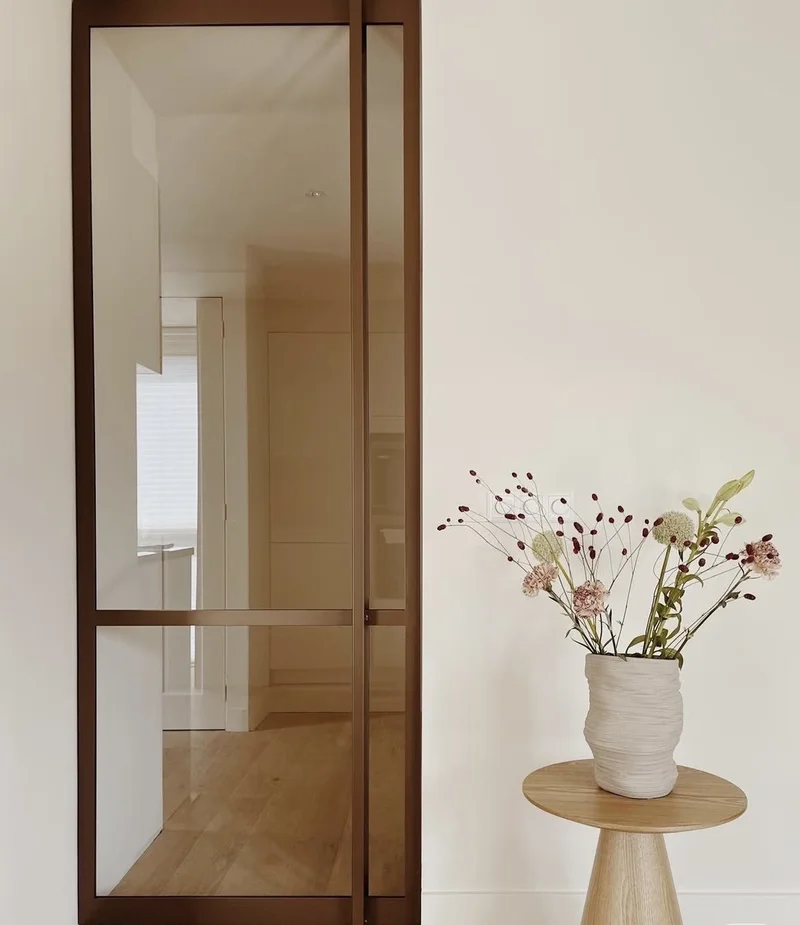
Ash wood integrated into the door system provides structural balance and tactile warmth, contrasting the clinical sterility often associated with glass. This hybrid materiality—tempered glass supported by minimalist aluminum clamps and finished with natural ash—delivers durability without sacrificing design integrity. The wood’s grain pattern introduces biophilic elements, contributing to a calming atmosphere that encourages longer dwell times.
-
Maintenance efficiency is a critical functional advantage. Frameless systems eliminate crevices and ledges where dirt and moisture accumulate, simplifying cleaning protocols. The non-porous glass surface resists stains and bacterial growth, meeting stringent hygiene standards required in food service environments. Aluminum clamps, anodized for corrosion resistance, endure frequent use without degradation.
-
Acoustic performance, while secondary to visibility and flow, is pragmatically managed. Laminated glass options can be specified to dampen ambient noise from street traffic or dense patronage, maintaining a balanced auditory environment conducive to conversation and concentration.
-
Structural reliability is ensured through engineered aluminum clamps that secure the glass without traditional framing. These clamps distribute stress evenly, supporting seismic and impact resilience—particularly relevant in urban cafes with fluctuating occupancy loads. The system complies with commercial building codes for egress and safety glazing.
-
Long-term cost efficiency emerges from material longevity and reduced need for replacement. Unlike wood-framed or hollow-core doors prone to warping and wear, the glass and aluminum assembly resists wear from repeated use, moisture, and temperature variance—common stressors in high-traffic cafe settings.
How to Style Minimalist Glass Entryways for Maximum Visual Impact
-
Select lighting to accentuate material contrast: Position recessed ceiling spots or track lights to graze the glass surface and highlight the grain of ash wood. Avoid diffuse lighting; directional illumination intensifies texture and creates refined shadow lines that emphasize the door’s architectural presence.
-
Maintain spatial clarity: Frame entryways with uncluttered sightlines. Position seating, planters, or signage at least 1.5 meters from the threshold to preserve visual flow. This reinforces the minimalist ethos and allows the door’s clean geometry to dominate perception upon approach.
-
Use reflective surfaces strategically: Install a full-height mirror or polished concrete floor adjacent to the entry. Reflections amplify transparency, making glass appear even more seamless and enhancing the sense of openness—critical in compact urban cafes.
-
Coordinate finishes with intention: Match the silver or matte black aluminum clamps to other metal elements—door handles, light fixtures, or furniture frames. Cohesive metallic tones unify the composition without introducing visual noise.
-
Integrate seasonal plantings: Flank the entry with slender, upright planters containing architectural greenery such as Dracaena marginata or Ficus lyrata. Avoid ornamental clutter; use plants as vertical accents that frame, not obscure, the door’s lines.
-
Control transparency with subtlety: If privacy is required during off-hours, employ motorized sheer roller blinds within the glazing cavity. Opt for neutral tones that recede when raised, preserving daytime clarity without compromising evening discretion.
-
Align thresholds precisely: Use a flush, low-profile threshold made of stainless steel or matching ash wood veneer. Misaligned or bulky transitions undermine the minimalist effect; precision detailing reinforces craftsmanship.
-
Maintain surface integrity: Establish a cleaning protocol using non-abrasive, pH-neutral solutions for both glass and wood. Fingerprints, water spots, or micro-scratches degrade the premium aesthetic—consistent care ensures sustained visual impact.
The minimalist glass entry is not merely a threshold but a calibrated design statement. When ash wood, ultra-clear glass, and precision-engineered aluminum clamps converge, the result transcends function. Styling such an entry demands restraint, alignment with material authenticity, and attention to ambient conditions. The goal is not decoration, but refinement—elevating arrival into an experience defined by calm, clarity, and quiet authority.
Frequently Asked Questions
What are the benefits of using ash wood with glass doors in minimalist cafe designs?
Ash wood offers a clean, light-tonal grain that enhances natural brightness in cafe spaces, pairing exceptionally well with glass to promote an open, airy aesthetic. Its strength and durability make it ideal for high-traffic environments, while its sustainable sourcing appeals to eco-conscious design. Combined with glass doors, ash wood creates a minimalist yet warm atmosphere, balancing warmth and transparency for modern hospitality interiors.
Why choose slim aluminum glass clamps for ash wood and glass door systems?
Slim aluminum glass clamps provide structural support with minimal visual disruption, preserving the clean lines essential to minimalist design. They offer corrosion resistance and high strength-to-weight ratio, ensuring long-term durability in café environments. Precision-engineered clamps allow for frameless or semi-frameless installations, enhancing sightlines and contributing to a sleek, contemporary aesthetic.
How do ash wood glass doors contribute to acoustic control in cafes?
While glass can reflect sound, incorporating ash wood—particularly in solid or veneered framing—adds natural sound-dampening properties. Strategically placed ash wood elements help diffuse noise and break up reflective surfaces, improving acoustic comfort. For optimal results, pair with acoustic glass or integrate soft furnishings to manage reverberation in open-plan café layouts.
Are ash wood glass doors suitable for high-humidity areas like coffee bars?
When properly sealed with water-resistant finishes (such as UV-cured lacquers or oil-modified polyurethane), ash wood can perform well in high-humidity zones. Combining it with low-iron glass and non-corrosive aluminum clamps ensures long-term stability. Regular maintenance, including humidity monitoring and re-finishing, is recommended to prevent warping or swelling over time.
What structural considerations are needed when installing glass doors with ash wood and aluminum clamps?
Engineers must assess load distribution, especially with heavy glass panels, to ensure floor and header support can handle point loading at clamp locations. Use tempered or laminated safety glass per local building codes. Ash wood posts or frames should be securely anchored, and aluminum clamps must be rated for specified glass thickness and wind loads, particularly in entry applications.
How do slim aluminum clamps affect the thermal performance of glass doors in cafes?
Aluminum has high thermal conductivity, which can create thermal bridging. However, thermally broken aluminum clamps—featuring insulating polymer inserts—minimize heat transfer, improving energy efficiency. Pairing these with double-glazed or low-E glass enhances insulation, helping maintain comfortable interior temperatures and reducing HVAC loads in climate-controlled café environments.
Can ash wood be customized to match a cafe’s branding or interior theme?
Yes, ash wood readily accepts stains and finishes, allowing customization from natural light tones to deeper grays or warm walnut hues. CNC machining enables precise milling for integrated handles or decorative inlays. Pre-finishing in controlled environments ensures uniformity and durability, aligning with branded design schemes while preserving the wood’s structural integrity.
What maintenance is required for ash wood and glass door systems in commercial cafes?
Routine cleaning with pH-neutral glass cleaner and soft microfiber cloths preserves glass clarity and clamp finish. Ash wood surfaces should be dusted frequently and cleaned with wood-safe products to avoid finish degradation. Inspect aluminum clamps quarterly for tightness and signs of wear, and re-torque if necessary to maintain safety and alignment.
Are there sustainable sourcing options for ash wood in commercial door applications?
Yes—specify FSC- or PEFC-certified ash wood from responsibly managed forests. Due to its fast growth and abundance in North America and Europe, ash is a relatively sustainable hardwood. Pairing it with recyclable aluminum clamps and low-impact finishes enhances the environmental profile, supporting green building certifications like LEED or BREEAM.
How do minimalist glass doors with ash wood improve customer experience in cafes?
These doors visually expand space, allowing unobstructed views that encourage transparency and connection between indoor and outdoor areas. Natural ash wood imparts warmth and biophilic design benefits, which studies show can reduce stress and enhance perceived comfort. The minimalist aesthetic aligns with modern consumer preferences for clean, Instagrammable environments.
What safety standards apply to glass doors in public cafes?
Glass doors must comply with local building codes, typically requiring tempered or laminated safety glass (e.g., ASTM C1048 or EN 12150). Glazing must pass impact safety standards (e.g., CPSC 16 CFR 1201 in the U.S.) and include visible safety markings. Frameless systems using clamps must meet load and deflection requirements for public egress and accessibility (e.g., ADA or EN 179).
How can lighting be integrated with ash wood glass doors for evening ambiance?
Recessed top or bottom LED lighting within ash wood headers or thresholds can uplight the glass, highlighting texture and creating a welcoming glow. Indirect illumination accentuates the wood grain and enhances transparency. Use warm-white (2700K–3000K) LEDs to preserve the cozy, intimate cafe atmosphere while ensuring compliance with energy codes.