Beech Wood Glass Doors with Laminated Safety Glass – Durable & Stylish Solutions for Shopping Malls
In the dynamic environment of modern shopping malls, where aesthetics meet high-traffic functionality, Beech wood glass doors with laminated safety glass offer an ideal fusion of elegance and endurance. Crafted from naturally resilient beech wood, these doors boast a warm, sophisticated appearance that complements contemporary and classic interiors alike, while their wear-resistant surface ensures longevity under constant use. Paired with laminated safety glass—engineered to hold together when shattered—these doors provide enhanced security, noise reduction, and protection against forced entry, meeting rigorous safety standards without compromising on style. The transparency of the glass invites natural light, creating open, inviting spaces that enhance the shopper experience, while the sturdy beech frame delivers structural integrity and timeless appeal. Designed for durability, ease of maintenance, and visual impact, this innovative door solution is redefining entrances and interior partitions in high-traffic commercial environments, offering mall developers and designers a reliable, upscale option that stands the test of time.
Why Beech Wood Glass Doors Are Ideal for High-Traffic Shopping Malls
- Combines structural integrity of beech wood with the safety and clarity of laminated glass, offering a durable yet visually open solution ideal for high-traffic commercial environments
- Beech wood provides exceptional hardness and wear resistance, outperforming softer hardwoods commonly used in interior architectural elements; its tight, uniform grain enhances dimensional stability under fluctuating humidity levels typical in large public buildings
- Laminated safety glass, composed of two or more glass layers bonded with a polyvinyl butyral (PVB) interlayer, ensures compliance with international safety standards; in the event of impact, the glass cracks but remains intact, minimizing risk of injury and maintaining barrier function
- The composite construction of beech wood frames and laminated glass delivers superior acoustic insulation, critical for maintaining ambient noise control in expansive mall environments where echoes and sound propagation are persistent challenges
- Aesthetically, the warm tonality of beech wood complements modern and minimalist interior designs prevalent in contemporary shopping centers, while the transparency of glass supports natural light penetration, reducing artificial lighting demands and enhancing spatial perception
- Surface finishes can be customized with commercial-grade lacquers or UV-cured coatings that resist scratches, graffiti, and frequent cleaning—essential for areas exposed to daily public interaction
- Engineered for repeated operation, these doors integrate seamlessly with heavy-duty commercial hinges and closers, ensuring longevity under thousands of daily cycles without sagging or warping
- Fire-rated configurations are achievable through the use of intumescent seals and compatible glass treatments, aligning with stringent mall safety codes without compromising visual continuity
- Low long-term maintenance requirements translate into reduced operational costs; the material combination resists delamination, fungal growth, and joint failure when properly installed and maintained
- Offers design flexibility—available in full-view, panel, or sidelighted configurations—supporting both functional zoning and brand expression at tenant entrances, atriums, and service corridors
This hybrid door system meets the rigorous demands of high-density retail environments by balancing durability, safety, and architectural elegance. Its performance under continuous use, resilience to environmental stressors, and alignment with sustainable design principles make it a strategic choice for modern shopping mall infrastructure.
The Superior Strength of Laminated Glass in Commercial Door Systems
-
Laminated glass stands as the preeminent glazing solution in commercial door systems, particularly within high-traffic environments such as shopping malls, where safety, durability, and aesthetic continuity are non-negotiable. Constructed by bonding two or more layers of glass with an interlayer—typically polyvinyl butyral (PVB), ethylene-vinyl acetate (EVA), or ionoplast—the resulting composite delivers structural integrity far beyond that of monolithic or tempered glass alone.
-
The fundamental advantage of laminated glass lies in its post-breakage performance. When subjected to impact, the interlayer holds shattered glass fragments together, preventing dangerous shards from dispersing. This critical safety feature mitigates injury risk in crowded public spaces and aligns with stringent building codes and safety standards, including CPSC 16 CFR 1201 and ANSI Z97.1.
-
In commercial door assemblies, laminated glass significantly enhances forced-entry resistance. The interlayer’s tensile strength and adhesion impede penetration, providing extended delay against impact and tampering—a vital consideration for perimeter security in retail environments. Unlike tempered glass, which fractures into small pieces upon failure, laminated glass maintains a degree of visibility and barrier function even when cracked, allowing continued egress and surveillance.
-
Acoustic performance is another dimension where laminated glass excels. The viscoelastic interlayer dampens sound transmission, reducing ambient noise from mall concourses, entertainment zones, or street-level traffic. This contributes to acoustic comfort within tenant spaces without compromising transparency or design intent.
-
Structural resilience is further amplified when laminated glass is incorporated into engineered door systems with robust framing. The glass acts as a stabilizing component, distributing loads and enhancing overall system rigidity. This synergy between beech wood framing and laminated safety glass delivers a solution that is both visually refined and functionally robust.
-
Additionally, UV radiation blocking—up to 99% with certain interlayers—preserves interior finishes, textiles, and merchandise from solar degradation, a critical benefit in daylit atriums and storefronts.
-
For shopping malls demanding elegance without compromise, the integration of laminated safety glass in beech wood door systems represents the optimal balance of longevity, security, and architectural sophistication.
Wear-Resistant Features That Extend the Lifespan of Mall Entrance Doors
-
Premium-grade beech wood core provides intrinsic structural integrity, resisting warping and dimensional instability under fluctuating humidity and temperature conditions common in high-traffic mall environments. This natural density minimizes surface degradation from repeated contact and environmental exposure.
-
Multi-layer laminated safety glass, composed of two or more sheets of annealed glass bonded with a resilient polyvinyl butyral (PVB) interlayer, delivers exceptional impact resistance. The interlayer retains glass fragments upon impact, preventing shattering and reducing maintenance frequency due to breakage—critical in areas subject to accidental collisions or heavy pedestrian flow.
-
Factory-applied, cross-linking polyurethane or UV-cured acrylic finishes form a hard, non-porous surface barrier on the beech wood components. These coatings resist scratching, chemical abrasion from cleaning agents, and ultraviolet degradation, preserving both appearance and performance over extended service cycles.
-
Reinforced aluminum or stainless steel perimeter framing integrates seamlessly with the wood-glass assembly, shielding vulnerable edges from direct impact and abrasion. These metal components are anodized or passivated to prevent galvanic corrosion, ensuring long-term structural cohesion at stress points.
-
High-cycle, heavy-duty hinges and pivot mechanisms—rated for over 1 million operations—are precision-engineered to maintain alignment and smooth operation despite constant use. Incorporation of self-lubricating bushings and sealed bearings reduces wear from particulate ingress in dusty or debris-laden environments.
-
Threshold systems with replaceable wear strips made from brass or hardened polymer allow for localized maintenance without full door replacement. These strips absorb floor-level abrasion from foot traffic and rolling carts, extending the functional lifespan of the sill interface.
-
Strategic placement of low-friction, transparent polycarbonate overlays on high-touch zones—such as push plates and stile edges—further mitigates surface wear while maintaining visual continuity. These overlays are field-replaceable and engineered to match the transparency and texture of adjacent glass and wood.
-
All hardware fasteners are constructed from A2 or A4 stainless steel to resist corrosion from moisture and cleaning chemicals. Internal threaded inserts in the beech wood core prevent thread stripping during repeated servicing, maintaining joint integrity over time.
-
Design incorporates thermal and mechanical isolation between glass, wood, and metal elements to prevent stress concentration due to differential expansion, reducing microfracturing and material fatigue over thermal cycles.
Through the integration of these wear-resistant features, beech wood glass doors achieve a balance of longevity and low maintenance, making them a technically sound and economically viable solution for mall entrances where durability, safety, and aesthetics are non-negotiable.
Aesthetic Appeal and Design Flexibility of Beech Wood Finishes
-
Beech wood is renowned for its fine, uniform grain and pale, warm hue, offering a clean and contemporary aesthetic that integrates seamlessly into modern commercial environments such as shopping malls. Its minimal grain variation provides a smooth, consistent surface ideal for high-quality finishes, enhancing both visual continuity and architectural harmony across expansive interior spaces.
-
The natural light tone of beech serves as an excellent neutral backdrop, enabling it to complement a wide spectrum of interior design schemes—from minimalist and Scandinavian to high-end contemporary retail environments. When finished with modern laminates or translucent coatings, the wood retains its organic texture while gaining enhanced resistance to wear, making it ideal for high-traffic areas without sacrificing elegance.
-
One of the key advantages of beech wood in architectural applications is its exceptional receptivity to staining and finishing techniques. It accepts dyes and pigments evenly, allowing for customization to match specific branding or design palettes. Whether finished in natural oils, matte lacquers, or high-gloss polymers, beech maintains a refined appearance that elevates the perceived quality of glazed entryways and interior partitions.
-
When combined with laminated safety glass, beech wood frames deliver a balanced fusion of warmth and transparency. The wood’s smooth, tactile surface contrasts elegantly with the sleek clarity of glass, creating visually dynamic door assemblies that invite natural light penetration while preserving spatial definition.
-
Design flexibility is further augmented by beech’s workability. It can be precisely machined into slender profiles or sculpted into custom shapes without compromising structural integrity, enabling architects to realize innovative door designs—from frameless glass integrations to intricate multi-panel configurations—while maintaining strict safety and durability standards.
-
Additionally, the consistent density and low porosity of beech minimize warping and surface imperfections over time, ensuring long-term aesthetic performance under fluctuating environmental conditions typical in large commercial buildings.
-
In summary, beech wood finishes offer a rare combination of natural elegance, design adaptability, and enduring visual appeal, making them ideally suited for premium glazed door systems in high-visibility retail and public spaces where durability and design sophistication are equally paramount.
Safety, Security, and Maintenance Benefits for Commercial Property Managers
-
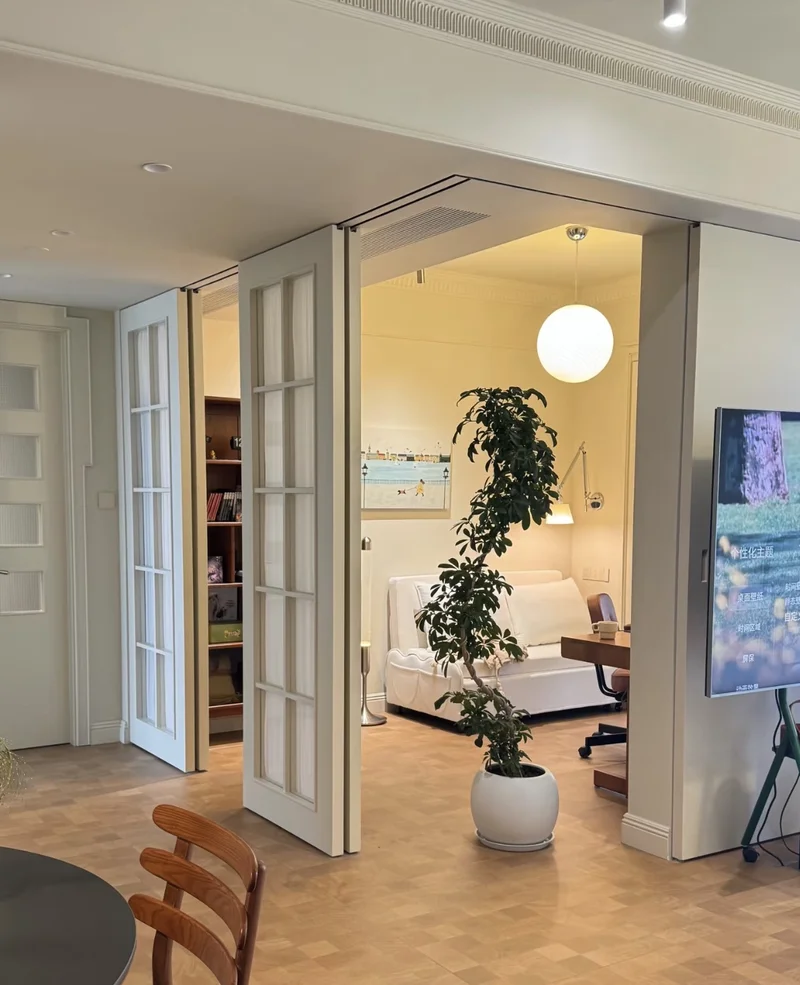
Beech wood glass doors with laminated safety glass offer commercial property managers a strategic advantage in maintaining secure, compliant, and low-maintenance environments within high-traffic shopping mall settings. The integration of laminated safety glass—constructed with interlayer bonding technology—significantly reduces the risk of injury during impact events. Unlike traditional glass, which shatters into sharp, hazardous fragments, laminated glass holds together upon breakage, minimizing potential harm to occupants and reducing liability exposure.
-
From a security standpoint, these doors provide enhanced resistance to forced entry. The polyvinyl butyral (PVB) or ethylene-vinyl acetate (EVA) interlayers used in lamination act as a durable barrier, requiring prolonged effort to breach. This delay capability deters opportunistic intrusions and supports broader mall security protocols, especially during non-operational hours. When combined with robust beech wood framing—known for its structural hardness and dimensional stability—the result is a door assembly that withstands both environmental stressors and human-induced threats.
-
Maintenance efficiency is another critical benefit. Beech wood, when properly finished with commercial-grade sealants, resists warping, swelling, and surface degradation common in high-humidity or temperature-variable environments. The smooth surface of laminated glass is highly resistant to graffiti, scratches, and wear, allowing for easy cleaning with standard non-abrasive agents. Unlike metal-framed alternatives, beech wood does not corrode or require frequent repainting, reducing lifecycle maintenance costs.
-
Fire performance is enhanced indirectly through the use of laminated glass, which remains intact under thermal stress longer than annealed glass, helping to contain smoke and flames in adjacent zones. While not a fire-rated assembly by default, the system contributes to passive safety strategies when incorporated into broader fire compartmentation plans.
-
Compliance with building codes and accessibility standards is streamlined, as laminated safety glass meets or exceeds ANSI Z97.1 and CPSC 16 CFR 1201 safety glazing requirements. This ensures property managers can meet regulatory obligations without sacrificing aesthetic appeal. In high-visibility commercial environments where safety, longevity, and appearance are interdependent, beech wood glass doors represent a technically sound and operationally resilient investment.
Frequently Asked Questions
What makes beech wood glass doors with laminated glass ideal for high-traffic shopping malls?
Beech wood glass doors with laminated glass combine structural strength, aesthetic appeal, and safety—key requirements for shopping malls. Beech wood offers excellent dimensional stability and wear resistance, enduring heavy use without warping. Paired with laminated glass, which includes interlayers that hold shards together upon impact, these doors meet rigorous safety and durability standards. Their resistance to scratches, moisture, and daily abrasion makes them ideal for commercial environments with high pedestrian traffic.
How does laminated glass enhance safety in beech wood glass doors for public spaces?
Laminated glass consists of two or more glass layers bonded with a polyvinyl butyral (PVB) or ethylene-vinyl acetate (EVA) interlayer. In case of breakage, the interlayer retains glass fragments, reducing injury risks—a critical factor in crowded areas like shopping malls. Additionally, laminated glass provides improved resistance to forced entry, UV radiation, and sound transmission, supporting security and occupant comfort.
Are beech wood doors more durable than other wood types in commercial applications?
Yes, beech wood is exceptionally durable for interior commercial use due to its high Janka hardness rating (~1,300 lbf), fine grain, and uniform texture. It resists denting and wear better than softer hardwoods like poplar or alder. When properly finished with commercial-grade sealants and wear-resistant coatings, beech doors maintain structural integrity and appearance over time, outperforming many alternatives in high-traffic installations such as mall entrances and storefronts.
What finish options maximize wear resistance in beech wood glass doors?
For maximum wear resistance, beech wood glass doors should be finished with catalyzed lacquers, polyurethane coatings, or UV-cured finishes. These industrial-grade finishes form a hardened surface resistant to abrasion, moisture, and chemicals. Pre-catalyzed or post-catalyzed lacquers are particularly recommended for shopping mall environments due to their durability, fast curing, and resistance to yellowing under constant lighting.
Can beech wood glass doors meet fire safety codes in shopping malls?
Beech wood glass doors themselves are not fire-rated unless integrated with fire-resistant glazing and certified fire door assemblies. However, when combined with fire-rated laminated glass (e.g., ceramic or intumescent interlayers) and installed within a fire door frame system tested to ANSI/UL 10C or BS 476 standards, they can comply with mall fire codes. Certification from recognized testing laboratories is essential for regulatory approval.
How do wear-resistant glass treatments complement laminated glass in these doors?
Wear-resistant glass treatments, such as sputter-coated or silica-based hard coatings, enhance surface hardness and scratch resistance without compromising optical clarity. When applied to laminated glass used in beech wood doors, they protect against scuffing from carts, bags, and constant hand contact—common in malls. These coatings also improve cleanability and reduce maintenance frequency, crucial for maintaining aesthetics in high-visibility areas.
What structural benefits does laminated glass offer in combination with solid beech frames?
Laminated glass provides improved load distribution and structural rigidity when integrated into solid beech wood door frames. The interlayer dampens vibrations and adds stiffness, minimizing deflection under wind loads or impact. This synergy enhances overall door stability, especially in large-format designs common in mall entrances, while preserving the natural strength and aesthetic warmth of beech wood.
How should beech wood glass doors be maintained in shopping mall environments?
Routine maintenance should include daily cleaning with pH-neutral glass and wood cleaners, avoiding ammonia-based or abrasive products. Regular inspection for loose hardware, seal integrity, and finish wear is recommended. Re-coating with compatible finishes every 3–5 years, depending on foot traffic, extends lifespan. Preventative measures like installing door stops and protective thresholds reduce mechanical damage.
Can customized sizes and configurations be engineered for large mall entrances?
Yes, beech wood glass doors with laminated glass can be custom-engineered to precise dimensions and configurations—single, double, sliding, or pivot styles—using structural calculations and finite element analysis to ensure performance. CNC machining ensures tight tolerances, while reinforced stiles and rails accommodate larger glass panels. Engineering documentation and compliance testing are provided to meet architectural and building code requirements.
Do these doors contribute to acoustic comfort in shopping malls?
Yes, laminated glass with acoustic PVB interlayers can achieve sound transmission class (STC) ratings of 35–45, effectively reducing noise from adjacent retail units or external traffic. Beech wood’s natural density further dampens sound, making these doors effective in controlling acoustic spill in high-noise environments like food courts or main corridors.
Are there sustainability advantages to using beech wood in commercial doors?
Beech wood is a rapidly renewable resource with high yield per hectare, typically sourced from sustainably managed European forests. It has a lower carbon footprint than metal or plastic alternatives and is fully biodegradable or recyclable at end-of-life. When certified by FSC or PEFC, beech wood doors support LEED or BREEAM credits for sustainable material use in mall construction.
What security features can be integrated into beech wood laminated glass doors?
These doors can incorporate multi-point locking systems, anti-drill plates, and reinforced strike zones. Laminated glass with Security PVB (SPVB) interlayers resists forced entry, bullet impact (up to specific ratings), and blast effects. Integration with electronic access control, surveillance, and alarm sensors enhances security—critical for perimeter doors or high-value retail entrances in malls.