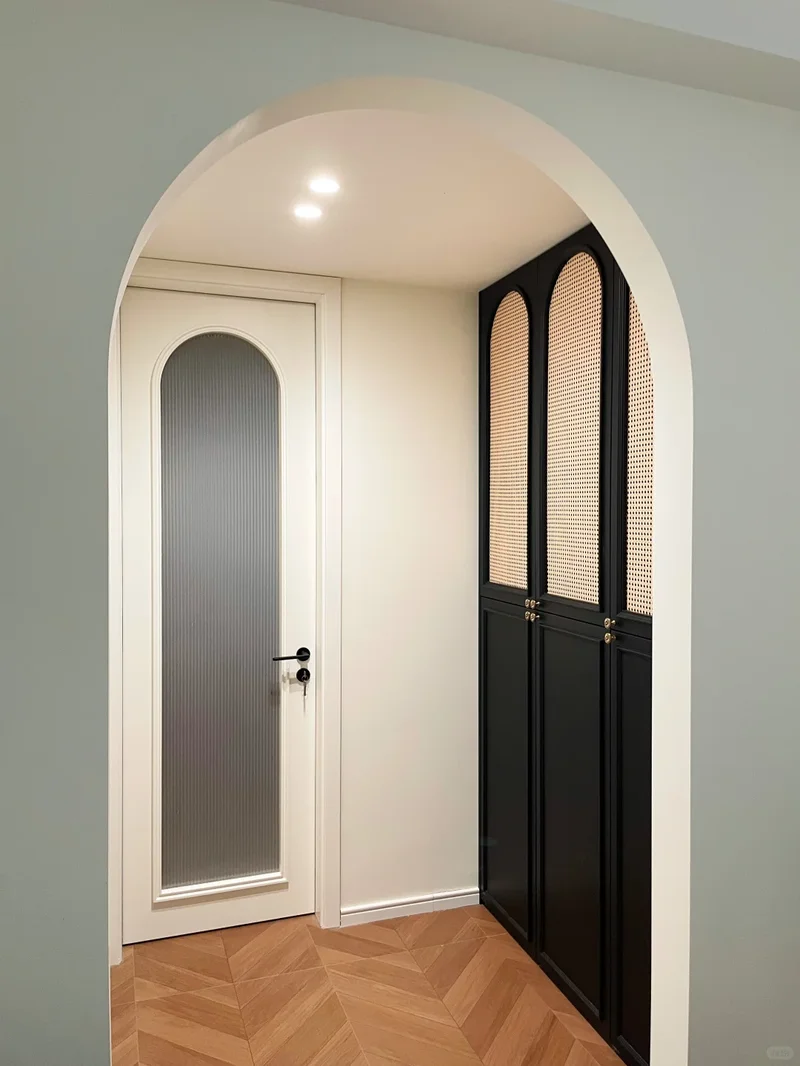
Eco-Friendly Cherry Wood Glass Doors with E0 Grade & Tinted Glass for Hospital Interiors
In the evolving landscape of healthcare design, where hygiene, durability, and patient well-being intersect, architects and facility managers are increasingly turning to sustainable, high-performance materials. Cherry wood glass doors with E0-grade certification and tinted glass represent a harmonious fusion of elegance, safety, and environmental responsibility—ideally suited for modern hospital interiors. Crafted from responsibly sourced cherry wood and bonded with ultra-low formaldehyde emissions, E0-grade materials ensure superior indoor air quality, a critical factor in healthcare environments. The integration of tinted glass not only enhances privacy and reduces glare but also contributes to a calming, therapeutic atmosphere conducive to healing. These doors combine timeless aesthetic appeal with advanced functionality, offering antimicrobial properties, easy maintenance, and resistance to wear in high-traffic areas. As hospitals strive to meet green building standards without compromising on design or durability, eco-friendly cherry wood glass doors emerge as a forward-thinking solution—balancing sustainability, patient comfort, and architectural sophistication in one seamless, elegant package.
Why Cherry Wood Glass Doors Are Ideal for Modern Healthcare Environments
- Combines natural aesthetic with clinical functionality
- Supports patient well-being through biophilic design principles
- Meets stringent hygiene and durability standards for healthcare use
Cherry wood glass doors represent a convergence of sustainable material science and human-centered design, making them particularly suited for modern healthcare environments. The inherent warmth of cherry wood introduces a biophilic element that has been clinically associated with reduced patient stress and improved recovery rates. In settings where sterile, impersonal materials dominate, the organic grain and rich tonality of cherry wood offer visual relief without compromising professional integrity.
These doors utilize E0-grade cherry wood, signifying formaldehyde emissions below 0.5 mg/L—a critical standard in healthcare where indoor air quality directly impacts patient and staff health. This ultra-low emission profile ensures compliance with global environmental and occupational safety benchmarks, including ISO 14001 and LEED v4.1, supporting institutional sustainability goals without sacrificing performance.
The integration of tinted, tempered glass enhances both functionality and privacy. Tinted glass filters harsh ambient light, reducing glare in corridors and treatment areas while maintaining natural illumination—key for circadian regulation among long-term patients. Simultaneously, the glass component allows for visual monitoring, enabling clinical staff to observe room activity without compromising patient privacy or thermal comfort. The lamination process ensures shatter resistance, meeting ANSI Z97.1 safety standards for impact resistance.
Structurally, cherry wood provides dimensional stability and resistance to warping under variable humidity—common in sterilization zones and high-traffic areas. When paired with thermally treated glass, the assembly demonstrates resilience against repeated cleaning cycles involving alcohol-based and quaternary ammonium disinfectants, preserving both finish integrity and microbial barrier performance.
From a lifecycle perspective, cherry wood is a rapidly renewable resource when sourced responsibly, and its longevity reduces replacement frequency—lowering material waste and operational disruption. Modular construction allows for easy retrofitting into existing hospital frameworks, minimizing construction-related downtime.
Ultimately, cherry wood glass doors fulfill a dual mandate: elevating the healing environment through design-sensitive materiality while adhering to the rigorous operational, sanitary, and environmental demands of contemporary healthcare infrastructure.
Understanding E0 Grade Certification: The Gold Standard in Low-Emission Materials
-
E0 Grade certification represents the most stringent international benchmark for formaldehyde emission levels in engineered wood products, defined by the ISO 16893:2016 standard. It mandates that formaldehyde emissions remain below 0.016 parts per million (ppm), a threshold rigorously validated through the desiccator and chamber testing methods. This level is not merely a regulatory compliance metric; it signifies a material’s suitability for environments where indoor air quality is non-negotiable, such as hospitals, neonatal units, and long-term care facilities.
-
The significance of E0 lies in its alignment with global health standards. Formaldehyde, a volatile organic compound (VOC) classified as a human carcinogen by the International Agency for Research on Cancer (IARC), poses acute and chronic health risks, particularly in enclosed spaces with prolonged human occupancy. By adhering to E0 standards, cherry wood substrates in glass doors contribute to mitigating respiratory irritation, allergic sensitization, and long-term exposure risks—critical considerations in healthcare interiors.
-
Unlike E1 (≤0.124 ppm) or E2 (≤3.0 ppm) grades, E0 certification demands superior adhesive technology, typically involving ultra-low-emission urea-formaldehyde (UF) resins or alternative binders such as phenol-formaldehyde with optimized curing processes. This technological rigor ensures that the composite wood core—often medium-density fiberboard (MDF) or plywood—maintains structural integrity without compromising emission performance.
-
In hospital settings, where vulnerable populations including immunocompromised patients and infants are present, material selection directly influences healing environments. E0-compliant cherry wood components, when combined with tinted, low-iron glass, offer both aesthetic refinement and functional safety. The low-emission substrate prevents off-gassing that could exacerbate indoor air pollution, while tinted glass provides glare reduction and visual privacy without sacrificing natural light transmission.
-
Third-party certification bodies such as CARB (California Air Resources Board), FSC (Forest Stewardship Council), and GREENGUARD Gold often incorporate E0-equivalent thresholds in their protocols, reinforcing its credibility. Manufacturers must undergo periodic audits and product lot testing to maintain certification, ensuring consistency across production cycles.
-
Selecting E0-grade cherry wood for interior doors is not merely an environmental gesture—it is a clinical imperative. It reflects a commitment to evidence-based design, regulatory foresight, and patient well-being, establishing a benchmark for sustainable materiality in high-performance healthcare architecture.
The Role of Tinted Glass in Hospital Door Systems: Privacy, Light Control, and Aesthetics
-
Tinted glass in hospital door systems fulfills critical functional and design roles, balancing clinical necessity with patient-centered environmental design. By modulating light transmission and enhancing visual privacy, tinted glass contributes to therapeutic interiors while supporting operational efficiency in healthcare facilities.
-
Privacy is a primary concern in clinical environments. Tinted glass reduces direct line-of-sight into patient rooms, consultation areas, and treatment zones without compromising spatial openness. Unlike opaque materials, it allows indirect observation by medical staff when necessary, supporting patient safety and monitoring protocols. The degree of tint can be calibrated—ranging from light bronze to deep gray—enabling tailored privacy solutions across departments, from intensive care units to outpatient clinics.
-
Light control is equally vital. Excessive glare and unfiltered sunlight can disrupt patient rest, affect medical equipment readability, and increase thermal load. Tinted glass mitigates solar gain by absorbing and reflecting a portion of incoming radiation, reducing cooling demands and improving indoor comfort. This passive solar control supports energy efficiency, aligning with sustainable building goals, particularly when integrated with cherry wood frames that feature E0-grade, low-emission adhesives.
-
Aesthetically, tinted glass enhances the visual coherence of hospital interiors. When paired with warm-toned eco-friendly cherry wood, it creates a balanced facade—modern yet inviting, clinical yet humane. The subtle hue of the glass softens ambient light, contributing to a calming atmosphere that supports patient well-being and staff performance.
-
Furthermore, tinted glass maintains transparency in design language without sacrificing functionality. Its integration into door systems ensures seamless transitions between zones, preserving spatial continuity in high-traffic corridors and private areas alike.
-
From an infection control standpoint, glass surfaces are non-porous and easily sanitized, making them ideal for healthcare environments. Tinted variants offer these benefits while adding performance layers through UV filtration and reduced glare.
-
In sum, tinted glass in hospital door systems is not merely an aesthetic choice but a multidimensional solution—advancing privacy, optimizing light and thermal performance, and reinforcing a healing-centered architectural ethos when combined with sustainable materials like E0-grade cherry wood.
Sustainable Design in Healthcare: How Eco-Friendly Doors Enhance Patient Well-Being
-
Sustainable design in healthcare extends beyond energy efficiency and waste reduction—it directly influences patient outcomes, staff performance, and institutional resilience. Within this framework, architectural elements such as interior doors play a critical yet often overlooked role. Eco-friendly cherry wood glass doors with E0-grade emissions certification and tinted glass represent a convergence of environmental responsibility and therapeutic design, contributing meaningfully to patient well-being.
-
The use of sustainably harvested cherry wood ensures minimal ecological impact while providing natural aesthetic warmth. Unlike synthetic materials, real wood contributes to biophilic design principles, which are empirically linked to reduced patient stress, lower blood pressure, and improved recovery times. When paired with tinted glass, these doors allow for controlled daylight diffusion, reducing glare and supporting circadian rhythm regulation—a key factor in sleep quality and healing.
-
E0-grade formaldehyde emission standards signify ultra-low volatile organic compound (VOC) release, critical in healthcare environments where air quality directly affects immunocompromised individuals. Conventional doors using adhesives or composite materials with higher VOC levels can contribute to indoor air pollution, exacerbating respiratory conditions and delaying recovery. E0-certified products mitigate these risks, ensuring safer, healthier interiors.
-
Tinted glass further enhances functionality by offering visual privacy without compromising spatial openness. This balance supports patient dignity while maintaining staff visibility for safety and monitoring—particularly valuable in semi-private rooms, behavioral health units, and outpatient settings. The neutral tint reduces harsh light transmission, diminishing visual fatigue for patients and clinicians alike.
-
Beyond health outcomes, these doors support long-term facility sustainability goals. Durable, low-maintenance materials reduce lifecycle costs and replacement frequency. Cherry wood’s longevity, when properly finished, resists wear in high-traffic clinical areas, aligning operational efficiency with environmental stewardship.
-
Integrating eco-conscious doors into hospital design is not merely an aesthetic or regulatory consideration—it is a clinical decision. By selecting sustainable materials that enhance air quality, natural light management, and psychological comfort, healthcare institutions affirm a holistic commitment to healing environments grounded in environmental and human health integrity.
Customizing Cherry Wood Glass Doors for Hospitals: Durability, Cleanability, and Safety Compliance
-
Cherry wood glass doors in hospital environments require meticulous customization to balance aesthetic appeal with stringent performance criteria. The integration of E0-grade cherry wood—characterized by ultra-low formaldehyde emissions—ensures compliance with indoor air quality standards essential for healthcare settings, particularly in patient rooms, isolation units, and administrative zones where prolonged exposure occurs.
-
Durability is achieved through a multi-layered construction approach. Solid E0-grade cherry wood veneers are bonded to a moisture-resistant core substrate, minimizing warping and delamination in high-humidity areas such as restrooms and sterilization corridors. The wood surface is sealed with hospital-grade, UV-cured polyurethane coatings that resist abrasion, chemical exposure, and frequent disinfection cycles without compromising the wood’s natural grain appearance.
-
Tinted glass panels, typically ranging from 6mm to 10mm in thickness, are laminated for impact resistance and integrated into the door assembly using thermally broken aluminum or stainless steel framing. This reduces thermal transfer and prevents condensation, which is critical in temperature-controlled environments. The tint provides solar heat gain reduction and visual privacy while maintaining natural light transmission—key factors in patient well-being and circadian rhythm regulation.
-
Cleanability is optimized through seamless edge detailing and non-porous surface treatments. All hardware, including handles and hinges, is specified in antimicrobial stainless steel or copper alloys, compliant with EPA guidelines for continuous microbial reduction. The glass-to-wood transition zones are sealed with medical-grade silicone to prevent microbial ingress and facilitate wipe-down disinfection using standard hospital-grade agents such as quaternary ammonium compounds or hydrogen peroxide solutions.
-
Safety compliance is addressed through adherence to multiple regulatory standards. The doors meet ASTM E84 Class A fire rating requirements when fitted with fire-rated glass and intumescent seals. Acoustic performance is tuned to STC 35–45 ratings through the use of acoustic interlayers in the glass and perimeter gasketing, supporting HIPAA-mandated privacy. ADA-compliant operation is ensured via low-energy automatic operators or lever handles with less than 5 lbf opening force.
-
Customization options include variable glass opacity (from 30% to 70% tint), embedded antimicrobial film layers, and integration with building access control systems. Each door is fabricated under ISO 9001-certified conditions to guarantee traceability, material integrity, and alignment with healthcare facility-specific infection control risk assessments.
Frequently Asked Questions
What makes E0 grade cherry wood environmentally superior for hospital glass doors?
E0 grade cherry wood emits formaldehyde at less than 0.5 mg/L, significantly below standard thresholds, making it one of the safest engineered wood options. Its low volatile organic compound (VOC) emissions are critical in healthcare environments where air quality impacts patient recovery and staff health. Combined with sustainably harvested cherry wood, E0 compliance ensures both environmental responsibility and regulatory adherence to LEED and WELL Building Standards.
How does tinted glass in cherry wood doors benefit hospital settings?
Tinted glass in cherry wood hospital doors reduces solar heat gain and glare while maintaining natural light transmission—key for patient comfort and circadian rhythm regulation. The tint provides UV protection, preventing interior fading, and enhances privacy without compromising aesthetics. In high-traffic medical areas, this balance supports healing environments while meeting HIPAA-related visual privacy requirements.
Are cherry wood glass doors with E0 certification compliant with healthcare building codes?
Yes, E0-certified cherry wood doors with tempered tinted glass meet ASTM E84 Class B fire ratings when properly constructed and comply with the International Building Code (IBC) and ICC A117.1 accessibility standards. Hospitals require doors to support infection control, fire safety, and durability—specifications achievable with certified E0 wood cores and laminated or insulating glass units.
Why choose cherry wood over other materials for hospital interior doors?
Cherry wood offers inherent durability, aesthetic warmth, and acoustic damping properties ideal for healthcare environments. Unlike metal or plastic alternatives, sustainably sourced cherry wood with E0 binding resins reduces environmental impact while providing superior sound insulation (STC 30+ when engineered properly). Its natural grain also masks wear, maintaining a premium appearance over time in high-traffic zones.
Can eco-friendly cherry wood doors with tinted glass support infection control in hospitals?
Yes—when finished with antimicrobial, low-VOC sealants and paired with non-porous tinted glass, these doors resist mold, bacteria, and chemical degradation. The seamless integration between wood and glass minimizes joints where pathogens can accumulate. Regular hospital-grade disinfectants can be used safely without compromising E0 integrity or finish longevity.
What sustainability certifications should I look for in cherry wood hospital doors?
Look for FSC or PEFC certification for wood sourcing, CARB Phase 2 and EU E0 compliance for emissions, and GREENGUARD Gold certification for indoor air quality. Doors meeting these standards ensure full lifecycle sustainability—from responsibly managed forests to low-emission manufacturing—and contribute toward LEED v4.1 Interior Design and Construction (ID+C) credits.
How does tinted glass enhance patient privacy without isolating occupants?
Tinted glass reduces visibility from outside while preserving daylight and visual connection to hallways or waiting areas. In behavioral health units or patient rooms, this semi-opaque layer maintains surveillance sightlines for staff safety while reducing patient anxiety associated with isolation. Dual lamination with PVB or SGP interlayers further enhances security and sound insulation.
What maintenance is required for E0 cherry wood doors with tinted glass in hospitals?
Routine maintenance includes cleaning glass with ammonia-free solutions to prevent sealant degradation and wiping wood veneers with pH-neutral cleaners. Avoid abrasive or high-alkaline disinfectants that may degrade finishes. Annual inspection of thresholds, seals, and frame integrity ensures long-term performance. Manufacturer-recommended refinish intervals (typically every 5–7 years) preserve appearance and protective properties.
Are cherry wood glass doors with E0 grade suitable for NICU or ICU environments?
Yes, provided they are custom-engineered for acoustics, fire rating, and cleanability. Incorporating insulated tinted glass with STC 40+ ratings and using thermally fused edge seals enhances sound control critical in NICUs. E0-grade MDF or plywood cores with water-resistant phenolic backing prevent off-gassing and support frequent wiping with antimicrobial agents.
How do E0 cherry wood doors contribute to LEED certification in healthcare projects?
These doors contribute to LEED v4.1 credits in Materials and Resources (MR)—specifically MR Credit: Building Product Disclosure and Optimization – Sourcing of Raw Materials (FSC-certified wood) and MR Credit: Low-Emitting Materials (E0 and GREENGUARD compliance). Their durability and end-of-life recyclability further support Life Cycle Assessment (LCA) optimization points.
Can cherry wood doors with tinted glass be customized for hospital acoustic requirements?
Absolutely. Custom fabrication allows integration of high-density core materials, perimeter gasketing, and acoustic glazing (e.g., laminated tinted glass with varying thicknesses) to achieve STC 45 or higher. Acoustic performance is essential in reducing noise pollution, which the WHO links to delayed patient recovery—making tailored solutions crucial for ORs, ICUs, and mental health units.
What fire safety standards apply to cherry wood glass doors in hospitals?
These doors must meet NFPA 80 and IBC requirements for fire-rated assemblies. E0 cherry wood doors with ceramic or wired tinted glass can achieve 20- to 90-minute fire ratings when constructed with intumescent seals and steel-reinforced cores. Third-party testing and listing from UL or WHI ensure compliance with healthcare egress and compartmentalization protocols.