Wenge Wood Glass Doors with Silk-Screen Printed Glass: Elegance Redefined for Luxury Clubs
In the realm of high-end interior design, where sophistication meets innovation, Wenge wood glass doors with silk-screen printed glass emerge as a defining statement of modern luxury. Renowned for its deep, lustrous grain and rich chocolate-brown hue, Wenge wood lends unparalleled warmth and opulence to exclusive environments, making it the material of choice for elite clubs seeking distinction. Paired with precision-crafted tempered glass featuring custom silk-screen printing, these doors blend organic elegance with contemporary artistry, offering both privacy and visual allure. The result is a seamless fusion of nature and technology—where the natural variations in Wenge grain harmonize with intricate, light-filtering patterns etched in glass. Beyond their aesthetic mastery, these doors deliver durability, acoustic insulation, and timeless refinement, redefining spatial division in luxury lobbies, VIP lounges, and private members’ areas. For designers curating immersive, high-impact experiences, this sophisticated ensemble sets a new benchmark in architectural elegance—elevating ambiance, prestige, and exclusivity in every subtle detail.
The Allure of Wenge Wood in High-End Interior Design
- Rich, deep chocolate-brown to nearly black hue with subtle undertones of gray and olive
- Distinctive interlocked grain patterns creating dramatic visual movement
- Natural luster that enhances depth and dimension under ambient and directional lighting
Wenge wood has long occupied a revered position in high-end interior design, particularly within spaces where presence, exclusivity, and tactile refinement are non-negotiable. Its inherent visual intensity makes it an ideal medium for architectural elements that command attention—especially glass doors in luxury clubs where materiality speaks to status and sophistication. When paired with silk-screen printed glass, wenge transcends mere functionality, becoming a curated design statement.
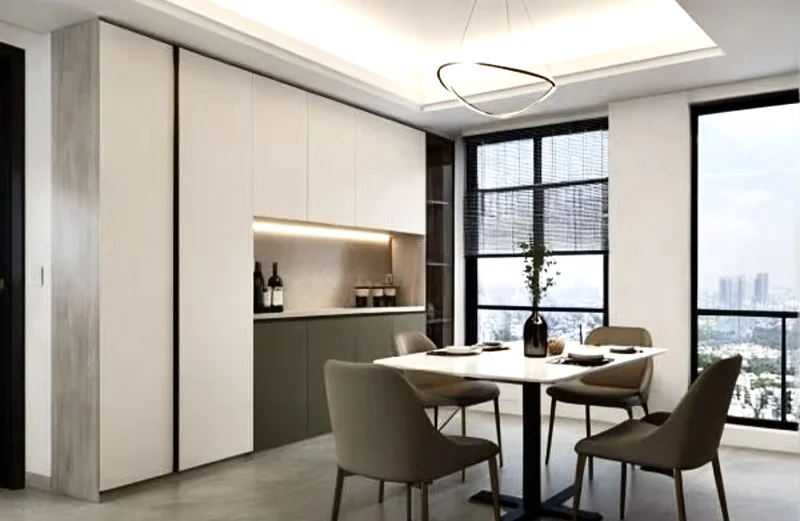
The density and stability of wenge allow for precise milling and seamless integration with glass substrates, ensuring structural integrity without compromising aesthetic flow. Its resistance to wear and natural resilience to humidity fluctuations make it particularly suited to high-traffic, climate-controlled environments typical of elite private clubs and members-only lounges.
More than its physical properties, wenge’s allure lies in its psychological impact. The wood’s somber elegance evokes a sense of grounded luxury—an understated opulence that avoids ostentation. In spaces designed for discretion and refined social exchange, wenge wood frames around glass panels serve as both boundary and invitation, offering partial visual permeability while maintaining an aura of privacy.
Silk-screen printed glass enhances this duality. Custom ceramic frits can mirror club insignias, abstract motifs, or geometric patterns, aligning with brand identity while diffusing light with soft precision. The contrast between the matte or satin-finished wenge and the smooth, slightly reflective glass surface creates a layered sensory experience—textural, visual, and spatial.
Sustainability remains a consideration; responsibly sourced wenge, certified by recognized forestry standards, ensures ethical integrity without sacrificing design ambition. Designers increasingly specify it not only for its aesthetic gravity but also for its ability to anchor biophilic narratives within urban-centric luxury interiors.
In sum, wenge wood—when fused with advanced glass fabrication techniques—delivers a rare synthesis of strength, elegance, and narrative depth. It is not merely a material choice but a deliberate assertion of identity, ideal for environments where design must resonate long after first impression.
Luxury Grain Finishes That Define Premium Club Aesthetics
-
Wenge wood, with its dense, interlocked grain and deep chocolate-brown to near-black hue, represents one of the most coveted materials in luxury interior design, particularly within high-end private clubs where material integrity and visual distinction are paramount. When integrated into glass door systems, wenge’s natural grain is not merely a surface treatment—it becomes a defining architectural element, amplifying sophistication through tactile richness and tonal depth.
-
The aesthetic power of wenge lies in its grain structure: tight, linear patterns punctuated by subtle variations in tone and texture that respond dynamically to ambient lighting. In club environments, where lighting is carefully curated to evoke exclusivity and warmth, wenge’s reflective qualities enhance spatial depth and visual gravitas. Premium finishes emphasize this by employing hand-buffed oils or UV-cured lacquers that preserve the wood’s porosity while enhancing durability—critical in high-traffic, climate-controlled spaces.
-
Paired with silk-screen printed glass, wenge achieves a layered elegance. The glass component introduces translucency and modernity, while the precision of ceramic frit printing allows for custom motifs—geometric lattices, abstract contours, or monogrammed insignias—that complement the organic rigor of the wood grain. This juxtaposition balances nature and technology, creating a dialogue between raw materiality and refined fabrication.
-
The integration demands exacting craftsmanship: edge detailing, alignment of grain direction across multiple panels, and seamless transition between wood and glass are critical to maintaining visual continuity. Micro-joints and concealed hardware further elevate the finish, ensuring the material story remains uninterrupted.
-
Sustainability and provenance are increasingly central to luxury material selection. Premium wenge applications now incorporate FSC-certified sourcing and low-emission finishing protocols, aligning environmental responsibility with aesthetic excellence.
-
In the context of elite clubs, where identity is expressed through material narrative, wenge wood glass doors with silk-screened elements transcend function. They serve as curated signatures—statements of permanence, taste, and discernment. The grain is not just seen; it is felt, remembered, and associated with an atmosphere of restrained opulence. This is the essence of premium club aesthetics: material intelligence elevated to experiential artistry.
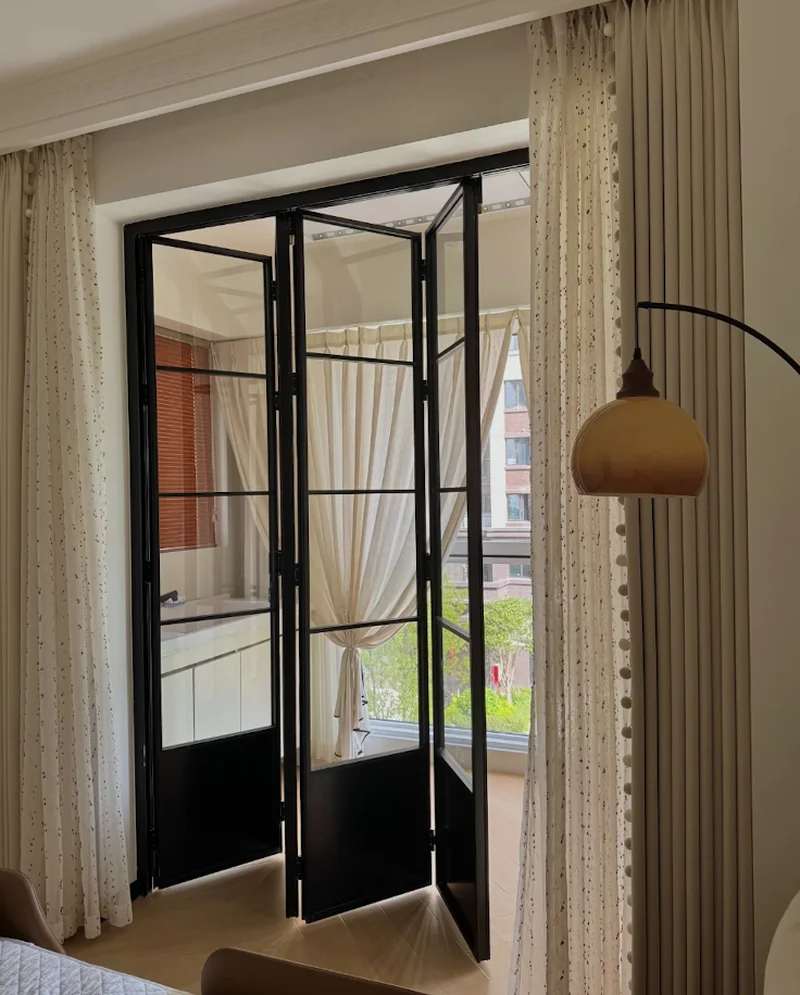
Silk-Screen Printed Glass: Artistic Detailing for Exclusive Spaces
-
Silk-screen printed glass represents the convergence of advanced material science and artistic craftsmanship, offering a distinctive medium for architectural expression in high-end environments. When integrated into wenge wood glass doors, this technique elevates functional partitions into curated design statements, particularly suited for luxury clubs where exclusivity and aesthetic precision are paramount.
-
The process involves applying ceramic frits through a precision-engineered mesh screen onto float glass, followed by thermal tempering to fuse the pigment permanently to the substrate. This results in a durable, fade-resistant surface capable of rendering intricate patterns, logos, or abstract motifs with exacting detail. Unlike applied films or etching, silk-screen printing alters the glass at a structural level, ensuring longevity without compromising visual integrity.
-
In luxury club settings, the opacity and translucency of the printed glass can be calibrated to balance privacy with ambient diffusion. Fine-line geometries or organic filigrees can be designed to complement the rich, dark grain of wenge wood frames, creating a harmonious dialogue between natural texture and graphic artistry. This synergy reinforces spatial identity while maintaining visual continuity across lounge areas, VIP rooms, or executive entrances.
-
A key advantage lies in customization: designs can be developed to reflect a club’s heritage, branding, or cultural theme. Whether employing metallic inks for subtle luminosity or layered grayscale gradients for depth, the technique supports a broad design spectrum without sacrificing performance. Additionally, the printed surface contributes to solar control and glare reduction—functional benefits that align with sustainable design objectives in premium interiors.
-
Integration with wenge wood requires meticulous engineering to ensure structural compatibility and seamless joinery. The thermal stability of silk-screened glass complements the dimensional stability of engineered wenge, minimizing stress at material interfaces. This ensures long-term performance in high-traffic, climate-controlled environments typical of elite hospitality venues.
-
Ultimately, silk-screen printed glass transforms wenge wood doors from mere access points into focal elements of interior narrative. It is not merely decorative—it is an assertion of design authority, precision, and exclusivity, tailored for spaces where every detail must reflect uncompromising standards.
Why Wenge Wood and Glass Doors Elevate VIP Club Interiors
-
Wenge wood, with its deep espresso tone and tight grain structure, imparts an immediate sense of gravitas and exclusivity. Its natural density and lustrous finish make it a material of choice for high-end architectural applications, particularly in environments where prestige and refinement are paramount. In VIP club interiors, where atmosphere dictates perception, wenge wood serves as a foundational element in establishing an aura of understated luxury.
-
When integrated into door systems, wenge frames provide both structural integrity and visual weight, anchoring transitional spaces with sophistication. Paired with glass—specifically silk-screen printed glass—the contrast between solidity and transparency becomes a deliberate design statement. The printed glass introduces texture, pattern, and controlled opacity, allowing for privacy without sacrificing light transmission or spatial continuity.
-
Silk-screen printing enables precise customization, permitting clubs to embed logos, geometric motifs, or thematic artistry directly into the glass. This capability transforms doors from mere functional elements into curated brand expressions. Whether backlit for dramatic effect or left in natural illumination, the interplay of wenge’s richness with the subtlety of ceramic-fused patterns elevates the sensory experience of movement through the space.
-
From an acoustic standpoint, the combination offers performance advantages. Wenge’s density contributes to sound dampening, while laminated or insulated silk-screened glass further reduces noise transfer—critical in maintaining distinct zones within a high-volume venue. This acoustic control enhances guest comfort, preserving the intimate ambiance that defines VIP areas.
-
Furthermore, the durability of both materials ensures longevity under heavy use. Wenge resists wear and maintains its finish over time, while silk-screened glass is resistant to fading, scratching, and chemical degradation—essential for environments with constant foot traffic and rigorous cleaning protocols.
-
Taken together, wenge wood and silk-screen printed glass doors represent a convergence of aesthetic mastery and technical performance. They do not merely divide spaces—they define them, signaling transition, exclusivity, and refined taste. In the competitive landscape of luxury nightlife, such details are not peripheral; they are central to brand identity and client perception.
Design Integration: Pairing Wenge Doors with Ambient Lighting and Acoustics
-
Wenge wood glass doors with silk-screen printed glass represent a convergence of material richness and design precision, making them ideal for luxury club environments where ambiance and exclusivity are paramount. Successful integration into such spaces demands a holistic approach that harmonizes the doors’ aesthetic gravity with ambient lighting and acoustic performance.
-
The deep, espresso tones of wenge wood provide a natural contrast to the translucency of silk-screened glass, creating a layered visual effect that responds dynamically to light. To accentuate this interplay, ambient lighting should be deployed with intentionality. Indirect cove lighting installed above or below the door frame enhances depth and emphasizes the door’s profile without causing glare on the glass surface. Warm-toned LEDs (2700K–3000K) complement wenge’s inherent warmth, reinforcing a sense of refined intimacy.
-
Integrated linear lighting within the door frame or reveal can highlight the silk-screen pattern, especially during evening hours when subtlety and mood are critical. The opacity and design density of the silk-screen printing should inform lighting intensity—higher opacity patterns may require slightly higher illumination to maintain visibility, while fine-line motifs benefit from softer, diffused light to avoid harsh shadows.
-
Acoustically, wenge wood’s density contributes to sound attenuation, particularly when paired with laminated or insulated glass. However, the inclusion of glass—especially large glazed areas—can compromise sound control if not properly engineered. To maintain acoustic integrity, pair these doors with perimeter gasketing and ensure tight seals at jambs and thresholds. Acoustic performance is further enhanced when adjacent walls and ceilings incorporate sound-absorbing materials such as micro-perforated wood panels or fabric-wrapped baffles, which preserve design continuity.
-
The silk-screen pattern itself can contribute to sound diffusion; geometric or organic prints disrupt sound wave propagation, reducing echo in high-ceilinged club spaces. When aligned with strategic lighting zones—such as entry vestibules or private lounges—these doors become not merely architectural elements but active components in shaping sensory experience.
-
Ultimately, the success of wenge wood glass doors in luxury clubs lies in their integration within a fully considered environmental system, where light, sound, and materiality are calibrated to elevate both function and atmosphere.
Frequently Asked Questions
What is Wenge wood, and why is it ideal for luxury glass door designs?
Wenge wood is a dense, tropical hardwood known for its deep chocolate-brown color, dramatic grain patterns, and exceptional durability. Its high oil content and natural luster make it resistant to wear and humidity, ideal for high-traffic environments like luxury clubs. When paired with glass, Wenge’s striking aesthetic enhances visual depth and sophistication, offering a tactile contrast that underscores opulence and craftsmanship.
How does silk-screen printed glass elevate the design of Wenge wood doors?
Silk-screen printed glass adds a custom, high-end visual element by embedding intricate patterns, logos, or artistic motifs directly onto the glass surface through ceramic fusing. In luxury clubs, this technique allows for brand storytelling, privacy, and light diffusion without sacrificing elegance. When combined with Wenge wood frames, the fusion of organic texture and precision-printed glass creates a bespoke architectural statement.
Are Wenge wood and glass doors suitable for high-moisture environments like bars or lounges?
Yes, when properly engineered. Wenge wood’s natural resistance to moisture, coupled with sealed finishes and stainless steel or aluminum joinery, ensures stability in humid environments. Laminated or tempered silk-screen glass further enhances durability and safety. Expert installation with expansion gaps and climate-appropriate adhesives prevents warping, making these doors ideal for premium club settings.
What are the structural considerations when installing Wenge wood glass doors in commercial spaces?
Structural integrity hinges on robust framing, proper load distribution, and professional hardware integration. Wenge’s density requires pre-drilling and high-grade fasteners. Frameless or semi-frameless hinges must be rated for heavy-duty use, and threshold supports should accommodate frequent traffic. Engineers should assess floor load capacity and ensure compliance with commercial building codes, particularly for seismic or fire safety.
Can silk-screen patterns on glass be customized to match a club’s branding?
Absolutely. Silk-screen printing supports full-color replication, logo integration, and custom gradients using CAD-designed stencils. Advanced digital printing allows photorealistic results fused at high temperatures for permanence. Designers work with architects to align patterns with acoustics, lighting, and privacy needs—ensuring brand consistency while maintaining the door’s luxury aesthetic and function.
How do Wenge wood glass doors contribute to acoustic privacy in high-end clubs?
While glass transmits sound, acoustic performance can be optimized using laminated silk-screen glass with PVB interlayers that dampen noise. Strategic placement of printed zones (e.g., denser patterns at ear level) disrupts sound waves. Pairing with Wenge’s solid structure and sealed perimeters enhances sound insulation, offering a balance between visual openness and auditory privacy in VIP or lounge areas.
What maintenance is required to preserve the finish of Wenge wood and silk-screen glass?
Wenge should be cleaned with pH-neutral wood cleaners and conditioned annually with non-silicone oils to prevent drying. Avoid abrasive cloths or ammonia-based glass cleaners, which can damage printed glass—use microfiber and distilled water instead. For commercial settings, a maintenance schedule with UV-protective coatings on wood and anti-static treatments on glass ensures long-term luster and color retention.
Are there sustainability concerns with using Wenge wood in luxury interiors?
Yes. Authentic Wenge (Millettia laurentii) is listed on CITES Appendix II due to overharvesting. High-end projects should source from FSC-certified suppliers or consider sustainable alternatives like African Black Walnut or stained Hickory with similar grain. Reclaimed Wenge or hybrid designs using veneers over sustainable substrates offer responsible luxury without compromising aesthetics.
How does lighting interact with silk-screened glass and Wenge wood finishes?
Lighting dramatically enhances the depth of Wenge’s grain and the translucency of printed glass. Backlighting or cove lighting emphasizes silhouette and texture, while directional spotlights accentuate the wood’s natural luster. LED systems with tunable color temperatures allow ambiance control—warm tones complement Wenge’s richness, while cool light intensifies the clarity of printed graphics.
What security features can be integrated into Wenge wood glass door systems?
For premium clubs, doors can incorporate laminated, multi-ply glass with polycarbonate interlayers meeting forced-entry standards. Electrified hinges, magnetic locks, or RFID access systems integrate discreetly within Wenge frames. Tempered silk-screen glass resists shattering, and framing can include concealed steel inserts for added structural security without compromising design.
Can Wenge wood glass doors be automated for seamless operation?
Yes. High-end automation using silent linear actuators or floor-spring operators enables hands-free, sensor-triggered opening. Systems are customizable for speed, hold-open duration, and integration with building management systems (BMS). Hidden tracks and flush-mounted electronics preserve the minimalist aesthetic while delivering futuristic functionality suited to exclusive venues.