Custom Villa Wood Glass Doors with Sidelights and Transoms for Elegant Entryways
Elevating the grandeur of a villa’s entrance begins with a thoughtful fusion of craftsmanship, light, and design—elements masterfully embodied in custom wood glass doors enhanced by matching sidelights and transoms. These meticulously crafted entry systems do more than open and close; they make a statement, inviting natural light to dance across elegant interiors while reinforcing architectural harmony. By seamlessly integrating rich, sustainably sourced wood with expansive glass panels, custom villa doors offer both aesthetic distinction and enduring performance. Sidelights amplify luminosity and spatial perception, while transoms crown the entry with refined detail, transforming even the simplest threshold into a focal point of sophistication. Tailored to reflect individual style—from traditional to contemporary—each configuration is engineered for precision, security, and thermal efficiency. More than an entryway, this bespoke combination becomes an enduring expression of luxury living, where artistry meets function in perfect balance.
Designing a Grand Entrance with Custom Wood Glass Doors for Villas
-
Custom wood glass doors with sidelights and transoms serve as the architectural centerpiece of a villa’s entrance, merging structural elegance with functional artistry. The design of such entryways demands a balance between craftsmanship, material integrity, and aesthetic coherence with the villa’s overall architectural language.
-
Solid hardwoods—such as teak, oak, or mahogany—are preferred for their durability, grain refinement, and resistance to environmental stress. These materials provide structural stability while enabling intricate detailing, from hand-carved panels to precision-milled moldings. When paired with high-performance glass—typically insulated, low-emissivity (Low-E), or laminated for thermal and acoustic efficiency—the result is both visually transparent and environmentally resilient.
-
Sidelights flanking the primary door amplify natural light penetration into the entry foyer, reducing artificial lighting demands during daylight hours. When engineered with proportional symmetry and framed in matching wood species, sidelights enhance verticality and presence without compromising privacy—achieved through textured, frosted, or obscured glass options.
-
Transoms positioned above the door serve dual roles: they extend the visual height of the entrance and facilitate cross-ventilation in climates conducive to passive cooling. Operable transoms, integrated with concealed hardware, allow airflow control while maintaining seamless sightlines. Fixed transoms, in contrast, offer uninterrupted glazing for dramatic light capture and skyward views.
-
Proportional harmony is critical. The height-to-width ratio of the door system should align with classical architectural principles—typically ranging from 2:3 to 3:4—to evoke balance and grandeur. Custom sizing ensures compatibility with the villa’s entry scale, whether monumental or understated.
-
Hardware selection—leveraging forged iron, brushed brass, or oil-rubbed bronze—must complement both function and design intent. Concealed hinges, magnetic multi-point locking systems, and weather-sealed thresholds ensure security and longevity without disrupting visual continuity.
-
Integration with surrounding materials—stone thresholds, stucco walls, or timber porches—requires meticulous detailing at all junctions. Expansion gaps, water-shedding profiles, and finish-matched trim strips are essential for long-term performance in diverse climates.
-
Ultimately, a well-designed wood glass entry system transcends mere access; it establishes a narrative of arrival, reflecting the homeowner’s taste and the villa’s architectural identity through material authenticity and engineered refinement.
Choosing Premium Wood and Glass Combinations for Villa Entry Doors
-
Premium wood species selection begins with understanding both structural performance and aesthetic longevity. For villa entry doors with glass inserts, sidelights, and transoms, engineered stability and dimensional integrity are non-negotiable. Solid hardwoods such as African mahogany, white oak, and iroko offer exceptional resistance to warping, particularly in climates with high humidity or temperature fluctuations. These species accept stains and finishes uniformly, allowing seamless integration between door panels and surrounding millwork.
-
When pairing wood with glass, consider the visual weight of the grain. Fine, straight grains like those in rift-sawn white oak provide a clean, modern backdrop that enhances transparency and light diffusion through insulated glazing. Conversely, bold grain patterns in sapele or walnut introduce richness and warmth, ideal for traditional or transitional architectural styles. Finishes must be UV-resistant and moisture-stable—oil-modified polyurethanes or catalyzed lacquers are preferred for exteriors to prevent degradation from solar exposure.
-
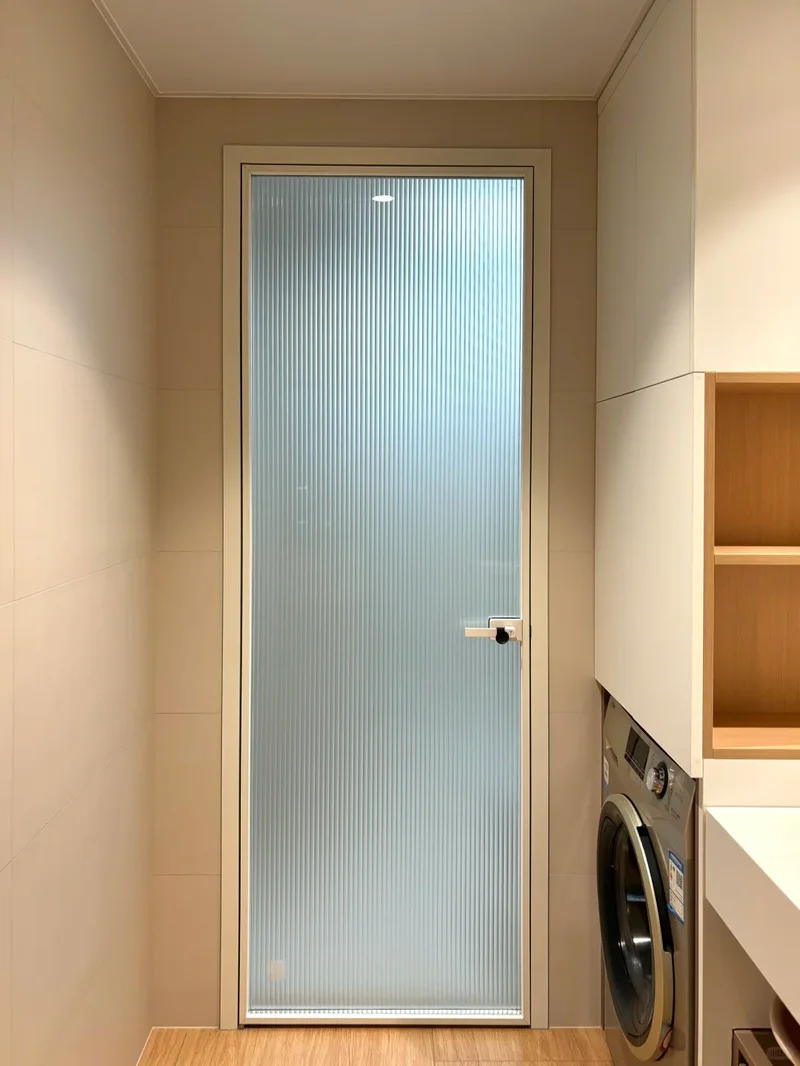
Glass selection directly impacts both security and energy performance. For premium installations, use laminated insulated glass units (IGUs) with low-emissivity (Low-E) coatings and argon gas fill. Lamination provides impact resistance and sound attenuation while meeting safety codes for overhead and large-area glazing. For sidelights and transoms, consider obscure or textured glass—such as reeded, fluted, or matte acid-etched—to preserve privacy without sacrificing luminosity.
-
Design harmony between wood and glass relies on proportion and framing detail. Slimmer stile and rail profiles maximize glass area for a contemporary effect, while broader frames in heavy timber convey grandeur and solidity. Thermal breaks within the door’s perimeter frame prevent condensation and improve U-values, particularly critical in mixed-climate regions.
-
Hardware integration must align with both materials. Stainless steel or solid brass hardware with coordinated finishes—satin nickel, aged bronze, or oil-rubbed bronze—complement the organic tones of fine wood and add a refined tactile element. All fasteners and connectors should be non-ferrous to prevent corrosion and staining.
-
Ultimately, the fusion of wood and glass in a villa’s entry system must reflect architectural intent, environmental context, and long-term durability. A meticulously specified combination elevates not only curb appeal but also thermal efficiency, acoustic comfort, and structural resilience.
Perfectly Proportioned Sidelights to Complement Your Custom Door
-
Expertly proportioned sidelights are a defining element in elevating the architectural integrity and visual harmony of custom entryway systems. When integrated with villa-grade wood and glass doors, sidelights do not merely flank the primary door—they enhance symmetry, amplify natural light transmission, and establish a commanding presence at the threshold.
-
The ideal sidelight proportion balances aesthetic refinement with structural function. Typically ranging from 12 to 18 inches in width per panel, sidelights should scale proportionally to the primary door’s height and surrounding structural openings. For standard 80-inch doors, sidelights between 14”–16” wide offer optimal visual balance; for grand 96-inch or taller entry systems, widths of 16”–18” maintain architectural authority without overwhelming the façade.
-
Material consistency is paramount. Sidelights must mirror the wood species, finish, and profile detailing of the primary door—whether rift-sawn white oak, sapele, or walnut—to ensure unified craftsmanship. Frame profiles should align precisely, with continuous stile lines reinforcing vertical cohesion.
-
Glass selection within sidelights plays a dual role: enhancing privacy and contributing to design language. Options range from clear insulated glass with low-E coatings for energy efficiency, to textured or beveled glazing for added dimension. For heritage-inspired villas, Georgian wired glass or reeded patterns offer subtle opaqueness while maintaining elegance. Contemporary residences may favor minimalist low-iron glass with slim mullions to maximize transparency.
-
Structural integration demands precision engineering. Sidelight units must be factory-joined or site-assembled with weather-resistant, structural silicone glazing and reinforced jambs to accommodate differential movement and ensure long-term performance in variable climates.
-
When flanking double entry doors or paired with transom assemblies, sidelight proportions must be recalibrated to preserve visual rhythm. A common approach employs equal-width sidelights on both sides of the door, with transom height typically set at 20–30% of the door’s total height to maintain classical proportioning.
-
Ultimately, sidelights are not ancillary components but integral architectural features. Their alignment, scale, materiality, and glazing must be meticulously coordinated during the design phase to achieve a seamless, enduring entryway composition that reflects both technical mastery and refined aesthetic intent.
Enhancing Natural Light with Transom Windows Above Villa Entry Doors
-
Transom windows positioned above villa entry doors serve as a strategic architectural element for enhancing the penetration of natural light into interior spaces. By bridging the vertical gap between the top of the main door unit and the structural header, transoms allow daylight to enter even when doors are closed, maintaining privacy without sacrificing luminosity.
-
Strategically sized and oriented, transom windows can significantly reduce reliance on artificial lighting during daylight hours, contributing to energy efficiency and occupant well-being. In villa designs where entryways may be recessed or flanked by solid walls, transoms act as conduits for diffusing ambient light into foyers, halls, and adjacent living areas, creating a seamless transition from exterior to interior.
-
The integration of wood-framed glass transoms with custom villa entry doors ensures material and stylistic continuity. When aligned with sidelights and the primary door glazing, transoms contribute to a unified aesthetic, amplifying visual height and architectural elegance. Clear, textured, or artisanal glass options further allow for tailored light diffusion—softening glare while preserving brightness.
-
Structural considerations include headroom clearance, load-bearing constraints, and thermal performance. High-performance glazing—such as double or triple-pane insulated glass with low-emissivity (Low-E) coatings—ensures that transoms contribute to thermal efficiency without compromising light transmission. Proper weather sealing and integration with the door assembly prevent air infiltration and maintain building envelope integrity.
-
Design flexibility permits transom configurations in rectangular, arched, or geometric forms, enabling customization that complements regional architectural idioms—from Mediterranean to modernist. Motorized operable transoms can further enhance functionality, facilitating passive ventilation in temperate climates when integrated with smart home systems.
-
From a spatial perspective, transoms amplify perceived volume in entry zones, creating an immediate impression of grandeur and openness. This psychological effect, combined with consistent daylighting, elevates the resident and visitor experience upon arrival.
-
When engineered in coordination with sidelights and entry door systems, transom windows become more than light modifiers—they are integral components of a holistic design strategy focused on luminosity, elegance, and environmental responsiveness in high-end residential architecture.
Tailoring Size, Style, and Hardware for a Cohesive Villa Aesthetic
-
Door dimensions must align with architectural proportions of the villa’s facade to ensure visual harmony. Oversized entries may overwhelm low-slung villas, while undersized doors can appear incongruous in grand, multi-story designs. Standard door widths range from 36 to 48 inches, but custom widths up to 72 inches or more suit expansive entryways. Height should complement ceiling transom conditions—typically 80 to 96 inches for doors, with transoms adding 12 to 24 inches vertically.
-
Proportional balance between door, sidelights, and transom is critical. Sidelights should not exceed 60% of the door’s height; widths typically range from 12 to 18 inches per panel. Transoms function best when spanning the full width of the door assembly and maintain a height-to-width ratio that avoids a cramped or fragmented appearance. For classical villas, arched transoms with divided lites echo traditional detailing; modern interpretations favor clean, rectangular transoms with minimal mullions.
-
Style alignment with villa architecture ensures cohesion. Mediterranean villas benefit from distressed oak frames with warm glazing and decorative iron accents; contemporary designs call for rift-sawn white oak or walnut with flat-profile stiles and rails, paired with low-iron glass for clarity. Raised panel doors suit traditional contexts, while flush or recessed-panel profiles support minimalist aesthetics.
-
Hardware selection extends stylistic intent. Lever handles in unlacquered brass develop a patina suited to organic, aged looks; polished chrome or matte black finishes align with modern precision. Hinges should be full-mortise, concealed where appropriate, and sized to the door’s thickness—typically 4 ¼” for 2”-thick doors. Entry sets must comply with ANSI/BHMA Grade 1 standards for durability in high-traffic residential use.
-
Integration with surrounding materials—stone, stucco, or wood cladding—requires careful frame finishing. Frame depths should accommodate exterior wall build-ups, and exterior stops must be weather-resistant. Interior casing profiles should mirror interior trim to unify transitions.
-
Material consistency across door, sidelights, and transom enhances unity. Using the same wood species and finish on all units prevents visual dislocation. Glass type—beveled, textured, or clear—should support privacy needs without compromising daylight transmission.
Frequently Asked Questions
What are the key design considerations when customizing a villa wood glass door with sidelights and transoms?
Customizing a villa wood glass door with sidelights and transoms requires attention to architectural style, structural load, energy efficiency, and sightlines. Match the door system to the home’s aesthetic—whether traditional, modern, or transitional—and coordinate wood species, finish, and hardware. Ensure structural integrity around the rough opening, especially for oversized designs. Include thermal breaks, insulated glass units (IGUs), and Low-E coatings for climate performance. Collaborate with a design engineer to balance natural light transmission and privacy through glass selection and grilles.
How do I select the right wood species for a custom wood glass entry system?
Choose wood species based on durability, stability, and aesthetics. For exterior doors and sidelights, opt for stable, rot-resistant woods like African Mahogany, White Oak, or Sapele. These species resist warping and moisture. For painted finishes, poplar or alder may be suitable. Always use kiln-dried, FSC-certified lumber with a moisture content of 6–8% to prevent shrinkage or expansion. Consider pre-finishing with marine-grade polyurethane to withstand UV exposure and weather.
What types of glass are best suited for custom wood glass doors and matching transoms?
For security and insulation, use laminated or insulated glass units (IGUs) with argon or krypton gas fill. Laminated glass (2.28mm PVB interlayer) enhances sound reduction and impact resistance. Low-E coatings tailored to your climate improve thermal performance. For decorative flair, incorporate beveled, etched, or textured glass in sidelights and transoms—ensuring compliance with safety codes (e.g., tempered or laminated safety glass where required by IBC).
Can I integrate smart home technology into a custom wood glass door system?
Yes. High-end wood glass doors can integrate with smart home ecosystems via concealed electronic deadbolts (e.g., Schlage Encode or August Wi-Fi), touchless entry sensors, and integrated sidelight motion lighting. Ensure wiring channels are built into the door jamb and sidelight frames during fabrication to preserve clean aesthetics. Consider solar-powered transom lighting or frame-integrated security cameras for a seamless, tech-enabled entry.
What structural support is required for large wood glass doors with oversized transoms?
Large glazed assemblies require engineered header systems or steel reinforcements (e.g., LALLY columns or moment frames) to support dead and live loads, especially when transoms exceed 36 inches in height or the combined assembly spans over 8 feet. Use engineered laminated veneer lumber (LVL) or microlam headers sized by a structural engineer. Seal all joints with compression gaskets and use shims to distribute weight evenly across the foundation.
How do I ensure energy efficiency in custom wood glass doors and sidelights?
Maximize energy efficiency by specifying triple-glazed IGUs with warm-edge spacers, argon gas, and spectrally selective Low-E coatings. Frame thermal breaks—especially in aluminum-clad wood systems—reduce conductive heat loss. Conduct a blower door test post-installation to verify airtightness. Aim for NFRC certification with U-factors below 0.30 and SHGC appropriate to your climate zone.
What customization options exist for glass grilles and muntins in matching sidelights and transoms?
Choose between true divided lites (TDL), simulated divided lites (SDL), or insulated grilles between glass (GBG). For authenticity in traditional villas, TDLs with mortise-and-tenon joints provide depth and craftsmanship. SDLs offer a similar look with lower maintenance. GBG systems improve thermal efficiency and reduce condensation. Customize grille profiles—Savannah, colonial, or diamond—to match architectural intent.
How should wood glass doors and sidelights be maintained in high-humidity or coastal environments?
In corrosive or humid environments, use stainless steel or marine-grade hardware and apply UV-stable, moisture-resistant finishes (e.g., two-part catalyzed urethane). Inspect sealants and weatherstripping annually. Clean glass with ammonia-free solutions to avoid coating degradation. Ensure proper overhangs and drip caps to shield wood from direct water exposure. Install ventilation gaps in transom frames to allow moisture escape.
What safety codes apply to custom wood glass door systems with sidelights and transoms?
Comply with IBC Chapter 24 on glazing safety: all glass within 36 inches of the floor and within 60 inches of a walking surface must be safety-glazed (tempered or laminated). Transoms above 72 inches may use annealed glass if protected. Egress requirements per IBC Section 1015 mandate minimum clear opening dimensions for primary entry points. Fire-rated assemblies may be required in certain zones—verify local amendments.
How long does it take to fabricate and install a fully customized wood glass door system?
Lead times range from 10 to 16 weeks for design, engineering, fabrication, and finishing—depending on complexity and wood seasoning. Handcrafted joinery, custom glass, and finishes extend timelines. Installation typically takes 2–3 days with a skilled team: rough framing verification, threshold setting, door/sidelight integration, and weatherproofing. Schedule final trim and finish work post-drywall for seamless integration.
Can sidelights and transoms be designed to be operable for ventilation?
Yes, transoms can be hinged or awning-style for passive ventilation, particularly in Mediterranean or tropical villa designs. Use concealed operators and weather-sealed pivots to maintain aesthetics and prevent leaks. Pair with concealed insect screens and smart humidistats for climate control. Ensure operable units comply with safety egress and wind-load standards.
What are the best finishing techniques for exterior wood glass door systems?
Employ multi-step finishing: sand-sealing, grain-filling (if open-pored), and 3–4 coats of high-solids, UV-inhibiting marine spar urethane or two-part polyurethane. Apply finishes in a controlled environment to avoid dust. Re-coat every 5–7 years, focusing on exposed edges and bottom rails. For painted systems, use 100% acrylic or alkyd primers with top-coats formulated for vertical surfaces.