Modern Wood and Glass Office Doors with Soft-Close Hinges: A Complete Procurement Guide
In today’s evolving workplace, office doors are more than functional passageways—they are statements of design, efficiency, and innovation. Modern wood and glass office doors with soft-close hinges epitomize the seamless fusion of aesthetics and performance, offering sleek transparency, natural warmth, and whisper-quiet operation. As organizations prioritize both employee experience and architectural elegance, the procurement of these sophisticated door systems has become a strategic decision. Combining the timeless appeal of wood with the openness of glass, these doors enhance natural light distribution, support flexible workspace designs, and convey a contemporary corporate identity. Integrated soft-close technology further elevates functionality by eliminating slamming, reducing wear, and ensuring smooth, controlled closure. Yet, selecting the right door involves careful consideration of materials, hardware specifications, acoustic performance, and sustainability standards. This comprehensive procurement guide navigates the essential factors—from design integration and safety compliance to hinge mechanisms and supplier vetting—ensuring informed, future-ready decisions for commercial environments where form and function must move in perfect harmony.
Why Modern Wood and Glass Doors Are Essential for Contemporary Office Buildings
-
Modern wood and glass office doors are no longer a design luxury but a strategic architectural necessity in contemporary office buildings. Their integration balances aesthetic sophistication with functional performance, directly supporting evolving workplace priorities such as transparency, acoustic control, sustainability, and user experience.
-
The fusion of natural wood with architectural glass creates a visual language of openness and warmth. Glass panels promote natural light transmission, reducing reliance on artificial lighting and contributing to energy efficiency and occupant well-being. Studies consistently show that access to daylight improves alertness, productivity, and circadian regulation. Wood elements, particularly from responsibly sourced timber, introduce biophilic design principles, reducing stress and enhancing cognitive function—critical in high-performance work environments.
-
From a spatial perspective, these doors contribute to visual continuity without sacrificing privacy or acoustic separation. Strategic use of frosted, obscure, or laminated glass allows for controlled transparency—ideal for executive offices, meeting rooms, and collaborative zones. The density and grain structure of solid or engineered wood further aid in sound attenuation, meeting stringent acoustic performance standards required in modern office layouts.
-
Durability and low maintenance are inherent advantages. Contemporary wood species such as walnut, oak, and teak—when properly finished and paired with tempered or insulated glass—resist wear, humidity, and UV degradation. Soft-close hinges, integrated seamlessly into the design, eliminate slamming, reduce mechanical stress, and extend hardware life while enhancing user interaction through quiet, controlled operation.
-
Sustainability is another compelling driver. Manufacturers increasingly utilize FSC- or PEFC-certified wood and recyclable glass, aligning with LEED, WELL, and BREEAM certification goals. The longevity of these doors reduces lifecycle costs and material turnover, supporting circular economy principles.
-
Finally, these doors project a corporate identity of innovation and refinement. Their clean sightlines, minimalist framing, and precision engineering reflect organizational values of clarity, collaboration, and attention to detail—making them essential components in the design of professional, forward-thinking office environments.
Key Features to Look for in High-Performance Office Entry and Interior Doors
-
Material Integrity and Construction Quality
High-performance office doors must utilize premium hardwoods or engineered wood cores with durable veneers to resist warping, expansion, and surface degradation under fluctuating environmental conditions. For glass elements, tempered or laminated safety glass—minimum 6 mm thickness—is essential to meet code requirements and ensure occupant safety. Frame and stile construction should employ mortise-and-tenon joinery or equivalent mechanical reinforcement to maintain structural integrity over repeated use. -
Thermal and Acoustic Performance
Effective sound attenuation is critical in office environments. Look for doors with acoustical ratings of STC 35–45, achieved through solid core construction, perimeter seals, and optional acoustic gaskets. In glass doors, insulated glazing units (IGUs) or acoustic interlayers enhance sound dampening. Thermal performance should not be overlooked; low-emissivity (Low-E) glass coatings and thermally broken frames minimize heat transfer, supporting HVAC efficiency. -
Soft-Close Hinge Integration
Soft-close hinges are non-negotiable for high-end installations. They must be concealed or minimally visible, constructed from stainless steel or brass, and rated for at least 200,000 cycles. Proper integration ensures smooth, controlled door closure without slamming, reducing wear on hardware and enhancing user experience. Compatibility with the door’s weight and thickness is imperative—verify hinge load specifications during procurement. -
Hardware Compatibility and Finish Consistency
Ensure all door components—hinges, locks, pulls, and closers—are from a cohesive system to guarantee performance and aesthetic continuity. Finishes should be durable, corrosion-resistant, and uniformly applied across wood, glass, and metal components. Specify PVD (physical vapor deposition) or anodized coatings for metal hardware in high-traffic areas. -
Fire and Safety Compliance
Verify that doors meet local fire-rating standards (e.g., 20- or 90-minute ratings where required), with appropriate labeling and certification from recognized bodies (e.g., UL, FM). Fire-rated glass must be labeled and installed with compatible frames and gaskets to maintain integrity during combustion events. -
Design Flexibility and Customization
High-performance doors should offer configurable dimensions, glass-to-solid ratios, and finish options without sacrificing structural or performance standards. Modular systems that support retrofitting or reconfiguration enhance long-term adaptability in dynamic office environments.
The Advantages of Soft-Close Hinges in Commercial Office Door Applications
- Ensures quiet, controlled door closure, minimizing noise pollution in shared workspaces
- Reduces mechanical wear on door components by eliminating slamming forces
- Enhances occupant safety by preventing fingers from being caught in fast-closing doors
- Extends door and frame lifespan through reduced impact stress on hardware and structure
- Supports compliance with acoustic performance standards in open-plan and private office environments
Soft-close hinges integrate hydraulic or mechanical damping mechanisms that modulate the final phase of door closure, preventing abrupt contact between door and frame. In commercial office environments—where acoustic comfort, durability, and user experience are critical—this technology directly contributes to operational efficiency and occupant satisfaction. The elimination of slamming reduces ambient noise levels, a key consideration in maintaining concentration and privacy, particularly in environments with adjacent meeting rooms, executive offices, or hybrid workspaces.
From a maintenance perspective, soft-close mechanisms significantly reduce the frequency of hinge, frame, and door edge repairs. Repeated slamming accelerates wear on strike plates, latch bolts, and jamb components, often necessitating premature refinishing or replacement. By mitigating impact forces, soft-close hinges lower long-term facility maintenance costs and extend the service life of high-traffic doors, especially in multi-tenant or high-occupancy buildings.
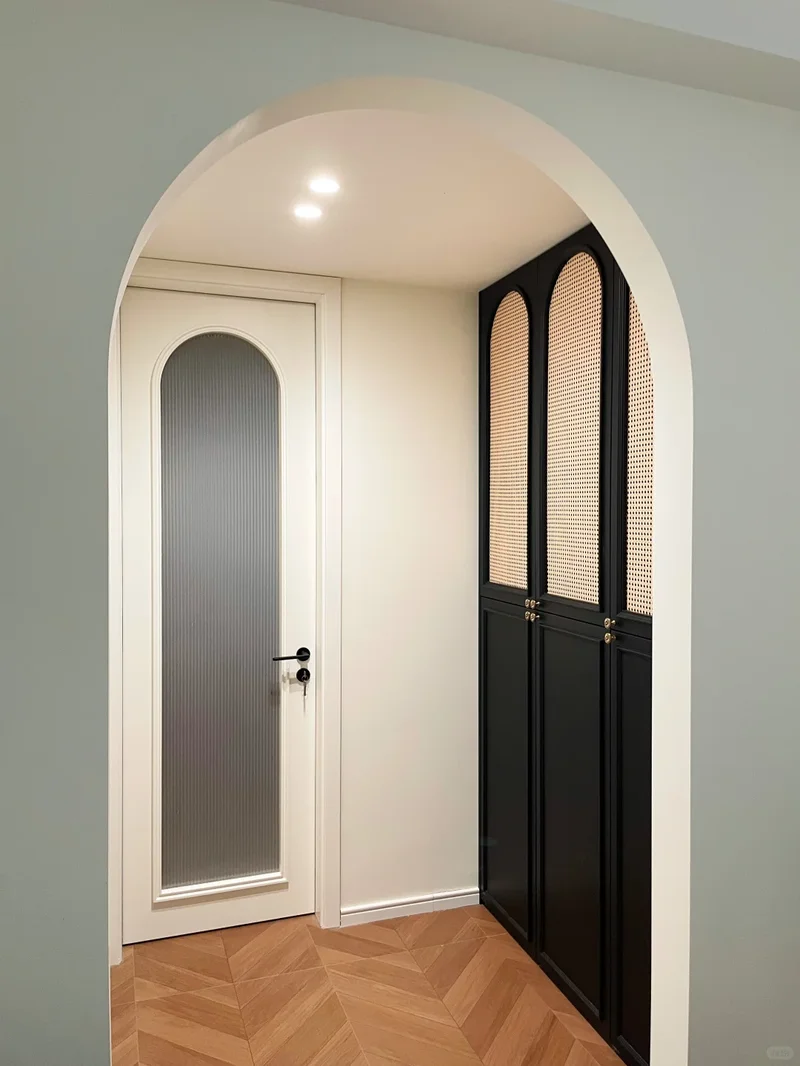
Safety is another compelling advantage. In fast-paced office settings, particularly those with transient occupants or shared workspaces, uncontrolled door movement poses pinching hazards. Soft-close functionality ensures doors close gently during the final 15–20 degrees of travel, reducing the risk of injury and supporting inclusive design principles.
From a procurement standpoint, specifying soft-close hinges in wood and glass office doors aligns with sustainability goals by reducing material turnover and service calls. Modern soft-close systems are engineered for seamless integration with concealed hinges, slim-profile glass door frames, and fire-rated assemblies, ensuring performance does not compromise design or code compliance.
When evaluating products, prioritize hinges with independent cycle testing certifications (e.g., EN 1935, ASTM E119) and verify compatibility with door weight, glass thickness, and frame construction to ensure long-term reliability.
Procurement Best Practices for Sourcing Premium Wood-Glass Composite Doors
-
Prioritize verified material specifications: Ensure suppliers provide detailed technical data sheets confirming the composite core structure—typically a hardwood or engineered wood frame bonded with tempered glass panels using structural adhesives. Confirm glass is at minimum 6mm tempered, with options for low-iron clarity or acoustic lamination based on acoustic requirements.
-
Demand third-party certification: Require evidence of compliance with ISO 9001 for quality management and ISO 14001 for environmental practices. For fire-rated applications, insist on certification from recognized testing bodies (e.g., UL, CE markings) validating fire resistance duration and integrity.
-
Conduct factory audits or request video audits: Evaluate manufacturing facilities for precision in milling, glass integration, and finishing processes. Pay close attention to moisture control environments, as wood-glass composites are sensitive to humidity during production. Confirm that climate-controlled curing chambers are used during adhesive bonding.
-
Specify soft-close hinge integration at design stage: Collaborate with suppliers to ensure hinges are not retrofitted but engineered into the door structure. Verify hinge compatibility with door weight—typically 45–65 kg—and confirm minimum 100,000-cycle durability testing under load. Request hinge mounting reinforcement details, such as embedded steel plates or mortised inserts.
-
Require full sample validation: Procure a fully finished sample with specified finishes (e.g., UV-stabilized stains, catalyzed lacquers) and hardware. Test for dimensional accuracy (±0.5 mm tolerance), flatness, and operational performance including soft-close consistency across repeated cycles.
-
Establish clear finish and color matching protocols: Insist on batch-specific finish reports and spectrophotometric color data (ΔE < 2.0 for acceptable variance). For large projects, require all units be produced in a single production run to minimize finish variation.
-
Define packaging and logistics standards: Require custom crating with edge protection, waterproof wrapping, and vertical storage labeling. Confirm carrier experience with fragile architectural elements and ensure insurance coverage includes glass integrity pre-installation.
-
Negotiate post-delivery support: Include warranty terms (minimum 5 years on materials and workmanship), availability of spare parts, and technical support for on-site issues such as hinge calibration or sealant touch-ups. Confirm response time for service requests (ideally under 48 hours).
-
Implement phased delivery scheduling: Align shipments with on-site installation capacity to minimize staging risks. Include liquidated damages clauses for late or non-conforming deliveries to enforce accountability.
Design Integration: Matching Modern Aesthetics with Functional Door Solutions
-
Modern wood and glass office doors represent a convergence of architectural intent and operational functionality, where aesthetics are not compromised for performance, nor vice versa. Integrating these doors into contemporary office environments requires a deliberate approach to design continuity, material harmony, and spatial logic.
-
The visual language of wood and glass doors—featuring clean lines, minimal framing, and transparent or translucent glazing—complements current design trends emphasizing openness, natural light transmission, and biophilic elements. When specified with soft-close hinges, these doors maintain a refined appearance while ensuring silent, controlled operation, eliminating disruptive slams and enhancing acoustic privacy.
-
Material selection plays a pivotal role in design integration. Hardwood species such as walnut, white oak, or ash offer warmth and grain variation that align with high-end interiors, while engineered wood substrates provide dimensional stability and sustainability. Glass options—including clear, frosted, low-iron, or insulated laminated units—allow designers to balance transparency, privacy, and energy performance. Frame profiles should be slim yet robust, supporting large glazed areas without compromising structural integrity.
-
Alignment with adjacent architectural elements is critical. Door finishes must coordinate with millwork, flooring, and wall treatments to avoid visual dissonance. For instance, a rift-sawn oak door should echo the tone and grain of built-in cabinetry or paneling. Similarly, metal components—hinges, pulls, and thresholds—should match established hardware finishes such as brushed nickel, matte black, or satin brass.
-
Soft-close hinges, while concealed, influence both user experience and design longevity. These mechanisms reduce wear on frames and surrounding walls, preserving wall finishes and reducing maintenance. Their integration should be seamless, with no compromise to the door’s slim aesthetic or alignment when closed.
-
Effective design integration also considers sightlines, threshold transitions, and door swing in relation to furniture layout and circulation paths. In open-plan environments, the door should act as a subtle demarcation rather than a barrier, supporting both collaborative and focused work modes.
-
Ultimately, successful specification lies in viewing the door not as an isolated component, but as an integrated architectural element that enhances spatial clarity, acoustic control, and design coherence across the workspace.
Frequently Asked Questions
What are the best wood species for modern office glass and wood composite doors?
Hardwood species like American walnut, white oak, and rift-sawn ash are preferred for modern office doors due to their dimensional stability, fine grain, and compatibility with glass inlays. These species pair well with minimalist designs and accept modern finishes that enhance durability and aesthetic consistency. Engineered wood with veneers is also recommended for reduced warping in HVAC-controlled office environments.
How do soft-close hinges improve functionality in office glass and wood doors?
Soft-close hinges eliminate slamming, reduce mechanical wear, and enhance user experience by controlling door movement through hydraulic or gear-driven mechanisms. In high-traffic office settings, they increase door longevity, meet acoustic privacy requirements, and comply with safety standards such as ANSI A156.7. Look for hinges rated for at least 200,000 cycles for commercial use.
What glass types are optimal for modern office wood-frame glass doors?
Tempered or laminated insulated glass units (IGUs) with low-iron content are ideal for modern office doors. Options include 6–10mm tempered glass for durability, with options for partial or full glazing. For privacy, consider silk-screened, frosted, or switchable smart glass. Ensuring compliance with ASTM E2353-22 for impact safety and LEED daylighting credits is critical in procurement.
Are there fire-rating considerations when procuring wood-glass office doors?
Yes—doors in egress paths or fire partitions must meet fire-rating requirements (typically 20- to 90-minute ratings per NFPA 80). Use fire-rated wood cores (e.g., mineral core flush doors) and tested glass such as ceramic or wired glass that complies with fire codes. Always verify the entire assembly (frame, glass, hinges) is labeled by a recognized testing laboratory like UL or Intertek.
What frame and hardware specifications ensure longevity in commercial installations?
Specify aluminum or thermally broken aluminum-steel hybrid frames for dimensional stability and corrosion resistance. Pair with heavy-duty continuous (piano) hinges or ball-bearing butt hinges (grade 1 ANSI). Stainless steel or electroless nickel-phosphorus (ENP) finishes resist wear in high-use corridors. Ensure compatibility with access control systems and fire/life safety requirements.
How should I specify soft-close mechanisms for heavy wood-glass office doors?
For doors exceeding 110 lbs (50 kg), use concealed soft-close hinges with adjustable compression, such as those conforming to EN 1935 standards with dynamic load ratings above 120 lbs. Surface-mounted overhead closers with soft-close function (e.g., GEZE TS4000) are alternatives. Always test mockups under expected usage cycles and temperature ranges.
What sustainability standards should be considered in modern office door procurement?
Prioritize wood certified by FSC or PEFC, low-VOC finishes (e.g., meeting Greenguard Gold), and recycled glass content. Evaluate environmental product declarations (EPDs) and health product declarations (HPDs). Doors contributing to WELL Building Standard (A07) and LEED v4.1 MR and ID credits offer lifecycle advantages and support corporate ESG goals.
Can acoustic performance be optimized in glass-wood hybrid office doors?
Yes—use laminated glass with PVB interlayers (STC 35–45) and seal edges with acoustic-grade gaskets. Pair with perimeter compression seals and ensure tight frame-to-wall integration. Opt for raised thresholds and automatic drop seals in demountable partition systems. Acoustic performance should comply with ASTM E90 testing and align with workspace privacy needs (e.g., private offices, conference rooms).
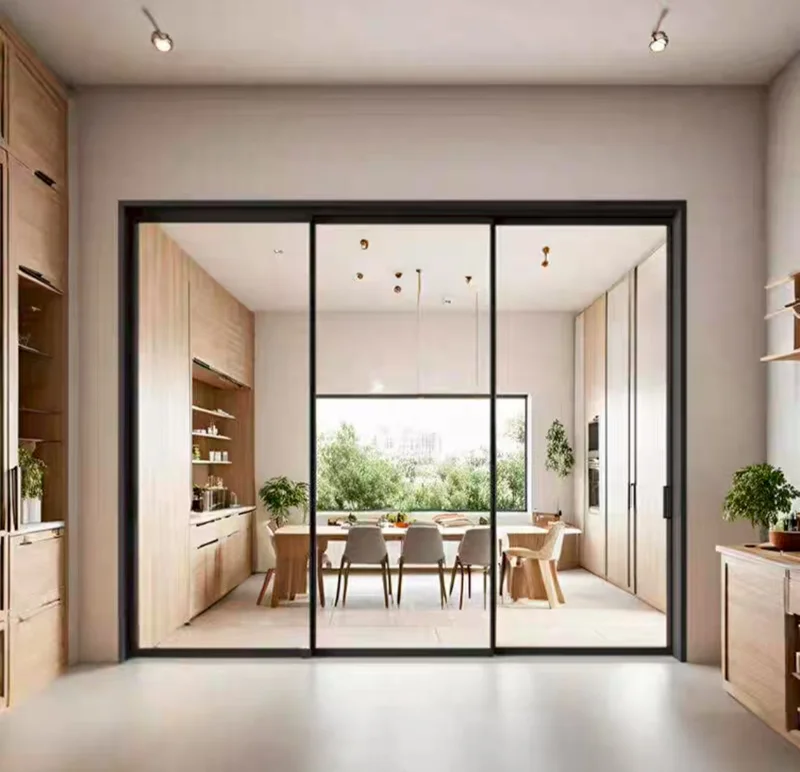
What are the installation best practices for wood-glass office doors with soft-close hinges?
Anchor frames into structure using seismic-rated clips. Ensure rough opening is plumb, level, and square within ±1/8″. Apply backer rod and non-shrink grout for fire and acoustical integrity. Calibrate soft-close hinges post-installation and verify leaf alignment under door weight and usage simulations. Commission with a final operational and safety inspection.
How do building codes affect glass placement and size in office doors?
Per IBC Section 2406, vision panels must be at least 43″ AFF (above finished floor) with minimum dimensions as required by accessibility codes (ADA 206.4). Full-height glazing must use safety glass per CPSC 16 CFR 1201 or ANSI Z97.1. Large glass areas may require protective glazing or stiles. Side lights must be considered part of the fire-rated assembly where applicable.
Should office doors with glass integrate with smart building systems?
Yes—modern office doors should accommodate embedded electronic access hardware (e.g., PoE-enabled strikes, RFID, or BLE readers) and integrate with building management systems (BMS) or IWMS platforms. Select frame designs that allow pre-wired conduit paths. Soft-close operation should not conflict with electromagnetic locks or motion-sensor automation.
What maintenance protocols extend the life of wood-glass doors and soft-close hinges?
Implement quarterly inspections: lubricate hinge pivot points with silicone-based oil, check alignment, and clean glass with non-abrasive agents. Re-torque mounting screws annually. Monitor wood for moisture intrusion at thresholds. Hinges should be serviced per manufacturer intervals (typically every 3–5 years). Keep replacement parts and specifications on file for rapid response.