Premium Fireproof & Soundproof Wood Glass Doors for Modern Cinema Lobbies in Commercial Complexes
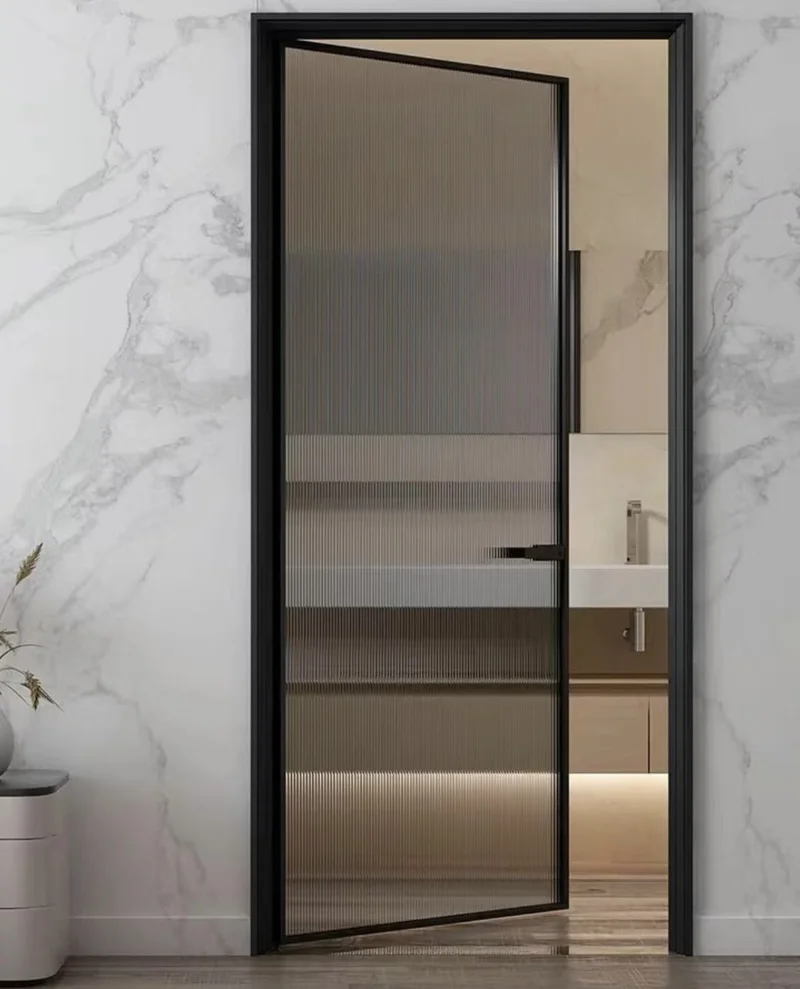
In the dynamic environment of commercial complexes, cinema lobbies demand architectural solutions that seamlessly blend aesthetic sophistication with uncompromising safety and functionality. Premium wood glass doors engineered with fireproof and soundproof capabilities are redefining these transitional spaces, offering more than just visual appeal. Designed to meet stringent fire safety codes, these doors provide critical protection by containing flames and smoke during emergencies, ensuring occupant safety and regulatory compliance. Simultaneously, their advanced acoustic insulation minimizes noise transmission between bustling common areas and the immersive quiet of screening rooms, preserving the cinematic experience. Combining natural wood finishes with tempered, laminated glass, these doors deliver a warm, modern elegance that enhances the ambiance of high-traffic lobbies. Ideal for luxury multiplexes and mixed-use developments, they represent a strategic investment in both design integrity and operational resilience. As architects and developers prioritize performance without sacrificing style, fireproof and soundproof wood glass doors are emerging as essential elements in the next generation of commercial cinema design.
Why Fireproof and Soundproof Wood Glass Doors Are Essential for Cinema Lobbies
-
Cinema lobbies in commercial complexes function as high-traffic transitional zones, bridging public circulation areas with controlled auditorium environments. In such contexts, fireproof and soundproof wood glass doors are not merely architectural elements—they are critical components of safety, acoustic integrity, and occupant experience.
-
Fire resistance is a non-negotiable requirement in cinema environments due to concentrated occupant loads and limited egress paths during emergency scenarios. High-performance fireproof wood glass doors are engineered to withstand temperatures exceeding 1,600°F for up to 90 minutes, providing critical containment of flames and smoke. These doors comply with stringent building codes such as NFPA 80 and IBC Chapter 7, ensuring compartmentalization of fire zones and enabling safe evacuation. The integration of intumescent seals and fire-rated glazing maintains visibility without compromising structural integrity.
-
Simultaneously, sound transmission between auditoriums and lobbies must be rigorously controlled. Cinematic audio systems operate at high decibel levels, and unchecked sound bleed compromises both the in-theater experience and lobby usability. Premium wood glass doors utilize multi-layered laminated glazing, acoustic cores, and perimeter sealing systems to achieve Sound Transmission Class (STC) ratings of 45 or higher. This level of performance prevents dialogue, effects, and score from leaking into adjacent spaces, maintaining audio fidelity within screening rooms and preserving intelligibility in the lobby.
-
Aesthetically, wood glass doors offer a balance of warmth and transparency, aligning with the premium branding of modern cinema complexes. The architectural transparency facilitates natural light penetration and visual connectivity while retaining acoustic and fire performance. Unlike opaque or fully glazed alternatives, engineered wood glass solutions provide design flexibility without sacrificing technical performance.
-
Moreover, durability and low maintenance are inherent to these systems, essential for environments subject to constant use. Certified hardware, reinforced frames, and impact-resistant glazing ensure longevity under rigorous daily operation.
-
In conclusion, the integration of fireproof and soundproof wood glass doors in cinema lobbies addresses overlapping imperatives: life safety, acoustic precision, aesthetic coherence, and operational resilience. Their deployment is not a design preference—it is a strategic necessity in high-performance commercial cinema architecture.
Design and Material Innovation: Combining Wood Aesthetics with Glass Functionality
-
Integration of natural wood aesthetics with advanced glass technology defines the next generation of architectural entrances for premium cinema lobbies within commercial complexes. This innovation merges visual warmth with structural performance, addressing both design intent and functional necessity in high-traffic, acoustically sensitive environments.
-
The design approach centers on engineered wood veneers applied to fire-rated glazing substrates, achieving Class A fire resistance without compromising the organic texture and grain variation that wood provides. These veneers are sourced from sustainably harvested hardwoods—such as walnut, oak, and sapele—and treated with intumescent coatings that expand under heat, forming an insulating barrier during fire exposure. This ensures compliance with stringent fire safety codes while maintaining visual continuity with interior design schemes.
-
Structurally, the glass component utilizes multi-laminated, acoustic interlayer technology (PVB or ionoplast) to deliver sound transmission class (STC) ratings of 45–55, effectively isolating cinematic audio from adjacent retail or circulation zones. The lamination process embeds the wood veneer between glass plies, protecting it from wear while enhancing impact resistance and UV stability. This layered construction prevents delamination and color degradation under prolonged exposure to lobby lighting and visitor traffic.
-
Material innovation extends to the framing system, where thermally broken aluminum or composite profiles integrate seamlessly with the wood-glass panel. These frames provide dimensional stability, corrosion resistance, and concealed gasketing that maintains acoustic integrity. Precision-engineered edge detailing ensures the wood grain appears uninterrupted across the visible surface, enhancing the perception of solid timber without sacrificing transparency or safety.
-
Digital customization enables precise alignment of wood grain patterns across multiple doors, supporting architectural symmetry in expansive lobbies. CNC-controlled lamination and cutting ensure tight tolerances, critical for maintaining fire and sound seals in dynamic building environments.
-
The result is a product that transcends conventional material boundaries: a door system that reads as warm, natural wood at eye level, yet performs as engineered safety glass—resisting flames for up to 120 minutes and attenuating noise comparable to solid masonry partitions. This duality supports the aesthetic ambitions of high-end commercial design while meeting uncompromising regulatory and operational demands in multiplex and entertainment complexes.
Fire Resistance Standards and Safety Compliance for Commercial Entry Doors
-
Commercial entry doors in modern cinema lobbies must meet stringent fire resistance standards due to high occupant loads, complex egress requirements, and proximity to assembly spaces. Compliance is governed primarily by the International Building Code (IBC) and referenced standards such as NFPA 80 and ASTM E119. These codes mandate that doors in fire-rated assemblies maintain structural integrity and limit temperature rise for specified durations—typically 20, 45, 60, or 90 minutes—under standardized fire exposure conditions.
-
Premium wood-glass entry doors intended for cinema lobbies must undergo rigorous third-party certification through organizations such as UL (Underwriters Laboratories) or Intertek. Certification confirms that the complete door assembly—including frame, glazing, vision panels, gaskets, and hardware—performs as a unified system under fire conditions. Labeled assemblies must bear a permanent certification mark, and deviations from listed components invalidate compliance.
-
Glass in fire-rated wood doors must utilize approved fire-protective or fire-resistive glazing. Wired glass, while historically common, no longer meets safety standards due to breakage risks; modern alternatives include ceramic glass, borosilicate, or multi-layered intumescent laminates. Fire-resistive glazing (classified under ASTM E119 or UL 263) provides both hose-stream endurance and radiant heat blocking, essential for safe egress during evacuation.
-
Critical hardware components—hinges, closers, latches, and fire/smoke detectors—must also be fire-rated and listed for use in fire door assemblies. Automatic door closers are mandatory to ensure doors close after use, preventing the spread of smoke and flames. Gasketing materials must be intumescent, expanding under heat to seal gaps between door and frame.
-
Regular inspection and maintenance are required per NFPA 80, mandating annual testing of all fire door assemblies. Deficiencies such as damaged glazing, missing glazing beads, or improperly adjusted hardware compromise system integrity and result in non-compliance during jurisdictional inspections.
-
In commercial complexes housing cinemas, coordination with local authorities having jurisdiction (AHJs) is essential to align door specifications with occupancy classifications, egress paths, and building compartmentalization strategies. Full documentation, including shop drawings and certification reports, must be submitted during plan review and retained for audit.
Acoustic Performance: How Soundproofing Enhances the Cinema Viewing Experience
-
Acoustic isolation is paramount in commercial cinema environments, where external noise infiltration and sound bleed between auditoriums can severely compromise audio fidelity and viewer immersion. Premium wood glass doors engineered for modern cinema lobbies must therefore integrate advanced soundproofing technologies without sacrificing aesthetic or safety standards.
-
The cinematic experience relies on precise audio dynamics—from subtle ambient cues to high-intensity surround sound. Uncontrolled sound transmission through lobby doors disrupts this balance, leading to auditory fatigue, dialogue intelligibility loss, and reduced acoustic clarity in adjacent spaces. High-performance soundproof doors mitigate these issues by incorporating multi-layered composite cores, resilient channel framing, and acoustic seals that achieve sound transmission class (STC) ratings of 50 or higher.
-
Laminated acoustic glass panels, acoustically decoupled from door frames via perimeter gaskets, prevent flanking paths for sound. These glass elements maintain visual transparency—critical for lobby aesthetics and spatial continuity—while attenuating mid- to high-frequency noise from crowds, HVAC systems, and public corridors. The wood component, when constructed with dense, cross-laminated veneers, adds mass and damping properties that further resist sound wave propagation.
-
In multiplex configurations within commercial complexes, sound leakage between adjacent auditoriums or from common areas can result in program bleed, where audio from one screening interferes with another. Doors with optimized acoustic performance eliminate this risk, ensuring each screening remains acoustically autonomous. This integrity supports compliance with cinema certification standards, such as those defined by THX or Dolby Atmos, which mandate strict ambient noise and isolation thresholds.
-
Additionally, fire safety and acoustic performance are not mutually exclusive. Modern doors utilize intumescent barriers and non-combustible core materials that meet or exceed fire resistance ratings (e.g., 60–90 minutes) while preserving sound attenuation properties. The integration of these dual-performance characteristics ensures continuous occupant safety without acoustic compromise.
-
Ultimately, deploying high-specification fireproof and soundproof wood glass doors in cinema lobbies establishes an acoustic boundary that enhances both audience immersion and operational integrity. These doors act as engineered transitions—balancing transparency, safety, and silence—essential for maintaining the premium sonic environment audiences expect in contemporary commercial cinema venues.
Custom Solutions for High-Traffic Commercial Complexes and Multiplex Entrances
-
Custom-engineered fireproof and soundproof wood glass doors are essential for high-traffic commercial complexes and multiplex entrances, where safety, acoustics, and architectural aesthetics converge under demanding operational conditions. These environments necessitate solutions that exceed baseline building code requirements while maintaining seamless integration with modern design language.
-
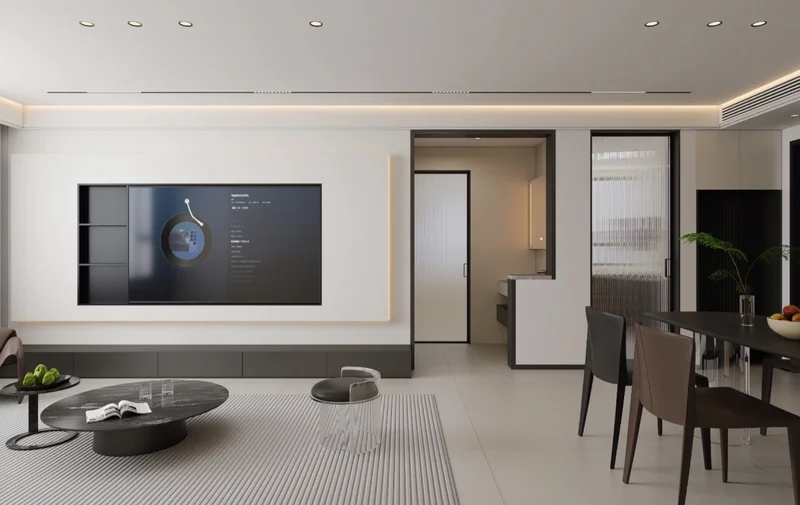
Entrances to cinema lobbies within commercial complexes experience concentrated foot traffic, especially during peak hours, necessitating doors built for durability, rapid egress, and continuous operation. Premium wood glass doors are constructed with reinforced framing systems—typically thermally broken aluminum or steel—integrated within natural or engineered wood veneers, ensuring structural resilience without compromising visual warmth. Laminated or insulated glazing units with acoustic interlayers (PVB or SG) provide up to STC 45–52 ratings, effectively isolating auditorium sound from adjacent retail or circulation zones.
-
Fire performance is non-negotiable. Doors are certified to withstand fire exposure for 60 to 120 minutes (UL/BS/EN 1634-1 compliant), incorporating intumescent seals that expand under heat to block smoke and flames. Simultaneously, the inclusion of overhead auto-releases and electromagnetic holders ensures compliance with emergency egress codes, allowing fail-safe door release during fire alarm activation.
-
Customization extends beyond dimensional adaptation. Door systems are tailored to specific acoustic loads—particularly critical in mixed-use developments where cinemas interface with restaurants, retail, or offices. Digital modeling tools simulate sound transmission paths, enabling precise specification of glass thickness, interlayer composition, and perimeter sealing. Aesthetic integration is achieved through matching wood species, finishes, and hardware coordination with lobby interiors, ensuring architectural continuity.
-
Integration with building management systems (BMS) enhances functionality. Smart sensors monitor door position, cycle counts, and seal integrity, providing predictive maintenance alerts. Electrified hinges or concealed operators support hands-free access, improving accessibility and flow efficiency during high-volume periods.
-
These doors are not off-the-shelf products but engineered assemblies, subject to rigorous cycle testing (exceeding 500,000 operations), thermal performance validation, and on-site commissioning. Collaboration between architects, acoustical consultants, and fire safety engineers ensures that each installation meets the unique operational, regulatory, and design demands of large-scale commercial entertainment environments.
Frequently Asked Questions
What materials are best for fireproof and soundproof commercial complex wood glass doors in cinema lobbies?
Solid engineered wood with intumescent core and tempered laminated glass is ideal. The wood must be treated with fire-retardant coatings and meet ASTM E84 Class A fire ratings. For soundproofing, use insulated glazing units (IGUs) with acoustic interlayers and high STC-rated (50+) composite cores. Aluminum or steel perimeter frames with thermal breaks enhance both fire and acoustic performance.
How do fireproof wood doors meet cinema safety codes?
Fireproof wood doors for cinema lobbies must comply with IBC (International Building Code) and NFPA 80 standards, achieving 20–90 minute fire resistance depending on egress path requirements. They feature intumescent seals that expand under heat, preventing flame and smoke spread. Certification from third-party agencies like UL or Intertek ensures code compliance for high-occupancy venues.
What is the optimal Sound Transmission Class (STC) rating for cinema lobby doors?
An STC rating of 45–55 is recommended for cinema lobbies to significantly reduce noise transfer between auditoriums and public areas. Higher STC is achieved via multi-layer wood composites, perimeter acoustic gaskets, and dual-glazed or triple-glazed glass with varying thicknesses to disrupt sound frequencies.
Can glass panels in fire-rated wood doors maintain both transparency and safety?
Yes, fire-rated ceramic or wired glass with UL-listed fire endurance (e.g., FireLite or PyroSwiss) can provide up to 90 minutes of protection while maintaining clarity. These glass types are impact-resistant and compatible with acoustic interlayers, making them suitable for vision panels in cinema entrances without compromising safety or sound control.
How does door core construction impact fire and sound performance?
Doors with mineral core or compressed gypsum fill offer superior fire resistance and damping properties. These non-combustible cores expand during a fire to seal gaps and reduce sound transmission. When combined with edge-sealing and perimeter steel stiffening, core type directly enhances both UL 10B fire testing and ASTM E90 sound attenuation results.
Are automatic operators compatible with fireproof, soundproof cinema doors?
Yes, but only with fire-rated electro-hydraulic or electromechanical closers that auto-reset and integrate with fire alarm systems. UL-listed power transfer units (PTUs) in the overhead frame allow activation during emergencies while maintaining acoustical continuity and positive latching per NFPA 80 requirements.
What sealing systems enhance both fire and acoustic performance?
Continuous perimeter intumescent seals expand during a fire to block smoke, while acoustic compression gaskets create airtight edges for sound control. Hybrid seals with dual functionality (e.g., Pyroswiss AcoustiSeal) are tested to meet both UL 10B fire standards and ASTM E413 sound transmission criteria.
How are installation tolerances critical for door performance in cinemas?
Improper clearances (>1/8” undercut or >3/16” side gaps) compromise fire and sound integrity. Certified installers must follow manufacturer specifications, using shims and laser alignment to ensure uniform gaps. Field testing via acoustic intensity measurement and smoke penetration checks validates system performance post-install.
What certifications should I demand from manufacturers?
Look for UL Classification Listings for fire doors (e.g., UL 10B), ASTM E119 fire endurance, STC/WC testing per ASTM E90 and E413, and compliance with ADA and IBC egress requirements. Third-party testing reports and CWB (Canadian Wood Board) or FSC certification add credibility for sustainable, high-performance builds.
Can custom finishes preserve fire and acoustic ratings?
Yes, but only with approved laminates, veneers, and coatings that don’t compromise fireproofing. Water-based intumescent topcoats and Class A fire-rated laminates (e.g., Arborite FR) maintain aesthetics while preserving ratings. Any customization must be factory-applied under controlled conditions and re-certified.
How often should fire and acoustic door assemblies be inspected?
Annual inspection per NFPA 80 is mandatory for fire doors, including seal integrity, latching, and alignment. Acoustic performance should be spot-checked every 2 years using portable sound transmission tests. Document all maintenance to meet cinema venue insurance and municipal compliance audits.
What are common failure points in cinema lobby doors and how to prevent them?
Frequent failures include seal degradation, misaligned latches, and glass delamination. Prevent issues through quarterly maintenance, using stainless steel hardware resistant to wear, specifying low-maintenance finishes, and selecting doors with reinforced kick plates and impact-resistant thresholds suitable for high-traffic cinema environments.