Powder-coated aluminum glass doors for retail shops
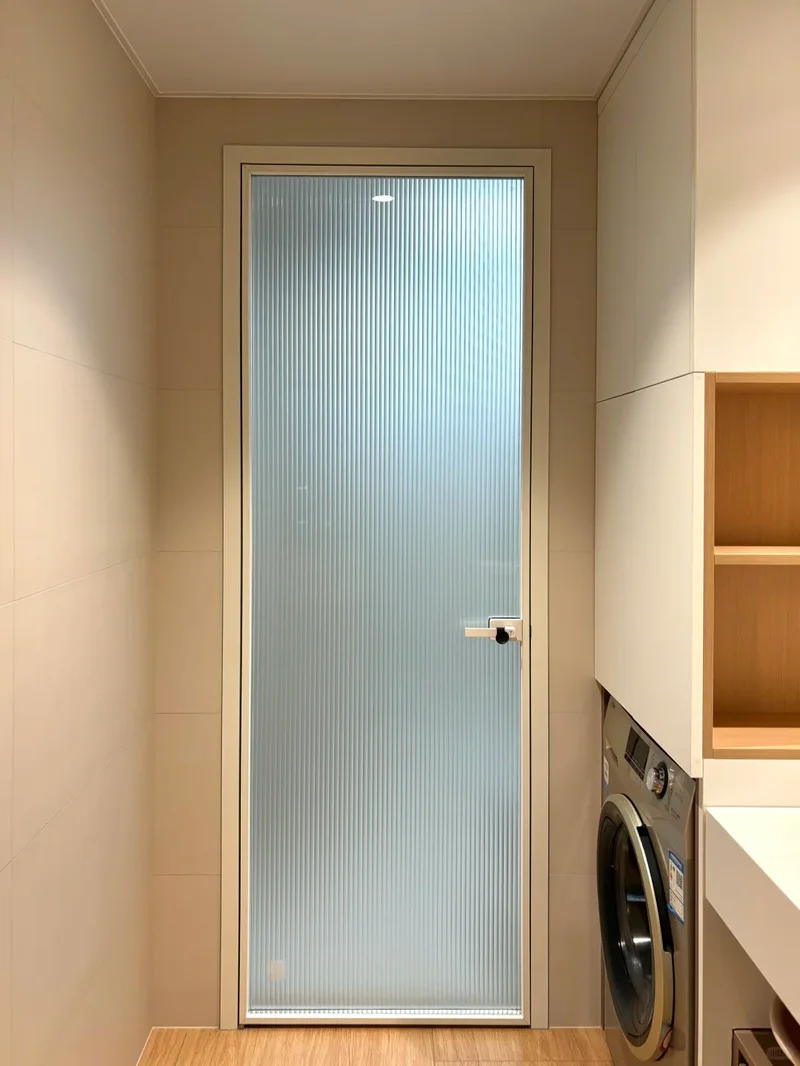
In the competitive landscape of retail, every detail of your storefront contributes to the crucial first impression. Powder-coated aluminum glass doors represent a sophisticated fusion of durability and design, offering a powerful statement for modern businesses. This advanced finishing process creates a resilient, uniform coating that is far superior to traditional paint, resisting scratches, corrosion, and fading even in high-traffic environments. The result is a sleek, seamless entrance that enhances architectural aesthetics while providing exceptional longevity. Available in a virtually limitless spectrum of colors and finishes, from matte to metallic, these doors allow for complete brand alignment and visual storytelling. They are not merely an entry point but a strategic asset—elevating curb appeal, ensuring security, and inviting customers into a well-crafted brand experience.
Enhance Retail Visibility and Customer Flow with Sleek, Modern Design
The primary architectural objective for retail entrances is to resolve the inherent tension between secure enclosure and open invitation. Powder-coated aluminum glass doors achieve this through engineered material performance, enabling designs that maximize visual permeability and facilitate intuitive movement without compromising on durability or environmental control.
Material and Coating Integrity for Lasting Aesthetics
The aluminum substrate is thermally improved and fabricated to precise tolerances, ensuring structural stability for large glass infills. The powder coating is not merely a finish; it is a thermoset polymer layer applied electrostatically and cured under heat. This process creates a coating with superior resistance to UV degradation, abrasion (typically >H9 pencil hardness), and chemical corrosion compared to wet paints. The result is a consistently sleek appearance with minimal maintenance, available in any RAL color, which maintains its integrity under high-frequency use and harsh cleaning agents.
Engineered for Performance and Compliance
- Structural and Thermal Performance: The door system’s thermal break, a polyamide bar mechanically locked within the aluminum profile, is critical. It achieves a low U-factor (typically ≤1.6 W/m²K for the complete door assembly), reducing thermal bridging and condensation risk, which maintains interior comfort and protects perimeter finishes.
- Acoustic and Safety Ratings: Laminated glass options with PVB or SGP interlayers can provide sound reduction ratings (Rw) up to 40 dB and meet stringent safety standards for impact resistance and post-breakage behavior.
- Operational Hardware Integration: The design accommodates high-performance hardware for smooth, reliable operation. This includes options for low-energy automatic operators compliant with ANSI/BHMA A156.19, which manage kinetic energy for safe, accessible customer flow, and multi-point locking systems meeting ANSI/BHMA A156.13 Grade 1 for security.
Functional Advantages for Retail Dynamics
- Unobstructed Sightlines: Slim profile designs (sightlines as narrow as 50mm) and minimal framing maximize glass area, creating a transparent storefront that enhances merchandise visibility from the exterior and provides a welcoming, open atmosphere.
- Optimized Traffic Management: Configurations such as wide single slides, bi-parting centers, or telescoping systems can be engineered to create clear, expansive openings exceeding 90% of the facade width, facilitating peak traffic flow and ADA compliance without visual obstruction.
- Durability Under Load: The high strength-to-weight ratio of aluminum allows for larger, heavier glass panes to be used securely, supporting grand entrance designs. The powder coat finish withstands constant handling, with a typical resistance of >1,000 hours in salt spray testing (ASTM B117).
- Seamless Integration: The system is designed for integration with adjacent cladding, curtain wall, or storefront systems, ensuring consistent sightlines and weather performance across the building envelope. Gaskets and seals are engineered for long-term compression set resistance.
Technical Performance Parameters
| Performance Characteristic | Standard / Test Method | Typical Performance Range | Notes |
|---|---|---|---|
| Coating Durability (Accelerated Weathering) | ASTM G155 / ISO 16474-2 | >1,500 hours (QUV, Q-SUN) without significant color shift (ΔE<2.0) | Ensures long-term color stability under UV exposure. |
| Thermal Transmittance (U-factor) | EN 12412-2 / NFRC 100 | 1.4 – 2.2 W/m²·K (varies with glass type & profile) | Critical for energy code compliance and condensation resistance. |
| Air Infiltration | ASTM E283 / EN 12207 | Class 4 (≤0.78 cfm/ft²) | High-performance sealing for energy efficiency and draft prevention. |
| Water Penetration Resistance | ASTM E331 / EN 12208 | Class 5A (≥600 Pa) | Ensures weathertight integrity under driven rain conditions. |
| Structural Performance (Wind Load) | ASTM E330 / EN 12211 | Positive & Negative up to 3.0 kPa (PS 3) | Validated for specific project conditions and glass sizes. |
| Acoustic Performance (Rw) | ISO 10140 / ASTM E90 | Up to 40 dB (with laminated glass) | Reduces external noise infiltration for a controlled retail environment. |
The design is therefore a calculated integration of form and function. The sleek profile is a direct consequence of the aluminum’s structural capability and the precision of powder coating technology, while the facilitation of customer flow is engineered through hardware selection, configuration, and performance-tested sealing systems.
Engineered for High-Traffic Durability: The Structural Integrity of Powder-Coated Aluminum
The structural integrity of a retail door system is defined by its aluminum alloy composition and the protective powder coating. For high-traffic environments, this combination must withstand mechanical stress, environmental exposure, and constant operation without degradation.
Core Material: Aluminum Alloy 6063-T5/T6
The substrate is a 6063-series aluminum, thermally treated to the T5 or T6 temper. This provides an optimal balance of strength and extrudability, allowing for complex, robust profiles.
- High Yield Strength: Ensures the frame resists permanent deformation from impact or excessive force.
- Precision Extrusion: Allows for integrated structural reinforcements within the profile, such as multi-chamber designs for rigidity and thermal break installation.
- Inherent Corrosion Resistance: The aluminum surface forms a protective oxide layer, providing a stable base for coating adhesion.
Protective System: Thermoset Powder Coating
The powder coating is a critical engineered component, not merely a finish. Applied electrostatically and cured under heat, it forms a continuous, chemically cross-linked polymer skin.
Key Performance Advantages:
- Superior Abrasion & Impact Resistance: Far exceeds the performance of liquid paints on the ASTM D3363 (pencil hardness) and ASTM D2794 (reverse impact) tests, resisting scratches from carts, merchandise, and cleaning.
- Enhanced Corrosion Protection: Acts as a high-resistance barrier against chlorides, humidity, and urban pollutants. Qualifies for ASTM B117 salt spray testing exceeding 1,000 hours without substrate corrosion.
- Color & Gloss Retention: UV-stable polyester or super-durable polyester resins prevent chalking and fading, maintaining aesthetic integrity under prolonged solar exposure (ASTM G154).
- Hygienic & Chemical Resistance: The non-porous, seamless surface resists staining from common cleaning agents, oils, and graffiti, allowing for easy maintenance without degradation.
Structural Integration & Testing
The system’s durability is validated through performance testing that simulates decades of use:
| Performance Parameter | Test Standard | Typical Performance Benchmark |
|---|---|---|
| Operational Cycle Life | EN 16361 / ANSI/BHMA A156.39 | >200,000 cycles (heavy-duty grade) without mechanical failure or significant coating wear. |
| Coating Adhesion | ASTM D3359 (Cross-Cut) | Class 5B (0% removal) after application and post-thermal cycling. |
| Surface Hardness | ASTM D3363 (Pencil Hardness) | ≥2H (resists marking from standard pencils, indicative of scratch resistance). |
| Wind Load Resistance | ASTM E330 / EN 12211 | Engineered to meet specified performance grades (e.g., Class 4/5) based on profile design and glazing. |
Architectural Specification Considerations
For specification, ensure the system includes:
- Thermal Break: A polyamide bar mechanically locked within the profile, separating interior and exterior aluminum to minimize thermal bridging (U-factor improvement).
- Hardware Integration: Reinforced, machined pockets for heavy-duty continuous gears, multi-point locks, and pivot sets, ensuring load is transferred to the structural frame.
- Glazing Integrity: The profile design must accommodate and seal insulated glass units (IGUs) under deflection, maintaining weather-seal performance and acoustic insulation (dB reduction) over time.
The result is a door system where the material science of the alloy and polymer coating directly translates to long-term structural reliability, reduced lifecycle maintenance, and sustained aesthetic performance in demanding retail applications.
Superior Weather and Corrosion Resistance for Long-Lasting Performance
The long-term structural integrity and aesthetic appearance of a retail entrance are fundamentally determined by the substrate and coating system’s resistance to environmental degradation. Powder-coated aluminum represents a synergistic material solution, engineered to withstand aggressive weathering, UV radiation, and corrosive agents without the performance compromises inherent to ferrous metals or organic substrates.
Material Science of the Aluminum Substrate
The 6063-T5 or 6061-T6 aluminum alloy extrusions used for door profiles develop a natural, self-passivating aluminum oxide (Al₂O₃) layer. This inert, hard oxide surface provides the primary corrosion barrier. Prior to powder coating, this layer is artificially thickened and structured through a controlled chromate or chrome-free pretreatment process (e.g., Ti-Zr based), creating a micro-crystalline conversion coating. This pretreatment is critical for ensuring optimal molecular adhesion (physisorption and chemisorption) of the powder, preventing under-film corrosion, and mitigating galvanic reaction risks at dissimilar metal fastening points.
Engineering of the Powder Coating System
The thermosetting polymer powder—typically a polyester, polyurethane, or super-durable polyester hybrid—is electrostatically applied and thermally cured to form a continuous, high-crosslink-density film. Key performance metrics are:
| Performance Parameter | Test Standard | Typical Performance Range | Significance |
|---|---|---|---|
| Film Hardness | ASTM D3363 (Pencil) | H-2H | Resistance to scratching and abrasion from foot traffic and cleaning. |
| Impact Resistance | ASTM D2794 (Reverse Impact) | ≥ 80 in-lbs | Resilience against accidental impact from carts or goods. |
| Salt Spray Resistance | ASTM B117 | >1,000 hours without creepage from scribe | Direct measure of corrosion protection; exceeds standard architectural requirements. |
| QUV Accelerated Weathering | ASTM G154 (UVA-340) | >2,000 hours with ΔE < 2.0 | Predicts long-term color retention and gloss retention under UV exposure. |
| Humidity Resistance | ASTM D2247 | 1,000+ hours without blistering | Ensures film integrity in high-humidity coastal or interior climates. |
Functional Advantages for Retail Environments
- Elimination of Oxidation: The aluminum substrate does not rust, eliminating a primary failure mode of steel systems and the associated maintenance liabilities.
- UV Stability: Advanced UV-inhibited pigments and resin systems within the powder coating prevent chalking, fading, and embrittlement, maintaining brand color consistency for decades.
- Chemical Resistance: The cured coating provides excellent resistance to airborne pollutants, cleaning agents, and de-icing salts commonly encountered in retail settings.
- Thermal Cycling Performance: The matched coefficient of thermal expansion between aluminum and the coating, combined with high film flexibility, prevents cracking or delamination across operational temperature extremes.
- Structural Integrity in Humidity: Unlike organic or composite materials, the aluminum profile exhibits zero moisture absorption, guaranteeing dimensional stability and preventing warping or swelling that compromises door operation and seals.
This engineered system ensures the door assembly maintains its operational reliability, security, and visual appeal, reducing total cost of ownership by minimizing reactive maintenance, refinishing, and premature replacement cycles.
Customizable Solutions to Match Your Retail Brand and Space Requirements
Customization in powder-coated aluminum glazing systems is not merely aesthetic; it is a precise engineering process that integrates brand identity with stringent performance criteria. The substrate—6063-T5 or 6063-T6 aluminum alloy extrusions—provides the foundational strength, with temper designations dictating yield strength and elongation profiles for structural integrity in high-traffic retail environments.
Core Functional Advantages of a Customizable System:
- Aperture & Configuration Engineering: Door leaf dimensions, transoms, and sidelights are calculated not just for aesthetics but to manage structural load distribution, hinge stress, and glass deflection. Options include single swing, bi-parting, sliding, or pivot systems, each with distinct load-path engineering.
- Precision Color Matching & Finish Durability: The powder coating process involves electrostatic application of thermosetting polymers (typically polyester, polyurethane, or hybrid resins) followed by thermal curing. This creates a film with consistent thickness (typically 60-80 µm). The system allows for exact RAL, Pantone, or custom color matching. Performance is validated by:
- Corrosion Resistance: >1000 hours neutral salt spray (NSS) testing per ASTM B117.
- Mechanical Durability: Impact resistance (ISO 6272), pencil hardness (ASTM D3363), and adhesion (cross-cut test per ISO 2409) are specified.
- Glass Performance Package: Glass is a critical engineered component. Laminated configurations with PVB or SGP interlayers provide safety and acoustic damping. Low-E coatings (soft-coat or hard-coat) and argon-filled cavities target specific Solar Heat Gain Coefficients (SHGC) and U-factors for thermal efficiency and UV protection of merchandise.
- Hardware Integration & Operational Performance: Concealed or surface-mounted hardware options are selected based on cycle testing (exceeding 500,000 cycles for Grade 1 per ANSI/BHMA A156.13), security rating, and acoustic sealing performance. Automated systems integrate with building management protocols.
Technical Parameters for Specification:
The following table outlines key performance variables that can be tailored to project requirements.
| Parameter Category | Standard Option | Enhanced/Performance Option | Test Method / Standard |
|---|---|---|---|
| Thermal Insulation (Frame U-value) | Uf ≈ 3.5 W/m²K (Thermal break, standard) | Uf ≤ 1.8 W/m²K (Advanced polyamide thermal barrier, >24mm) | EN 10077 / NFRC 100 |
| Acoustic Performance | Rw ≈ 30 dB (Single sealing gasket) | Rw ≥ 40 dB (Triple-sealed, laminated glass spec) | EN ISO 10140 / ASTM E90 |
| Structural Performance | Wind Load Class C3 (EN 12211) / Water Tightness 9A (EN 12208) | Wind Load Class C5 / Water Tightness 9A (Enhanced for coastal/high-rise) | EN 12210, EN 12211, EN 12208 |
| Fire & Safety Rating | Class E (Integrity) 30-60 minutes (Glazed system) | Class EI (Integrity & Insulation) 60-120 minutes (Specialized glazing & seals) | EN 13501-2 / ASTM E119 |
| Operational Force | < 75 N to open (Standard swing door) | < 50 N (Optimized bearing & balance system) | ANSI/BHMA A156.19 |
Material & Process Compliance: All extrusions, finishes, and glazing are manufactured under a certified Quality Management System (ISO 9001:2015). Powder coatings comply with AAMA 2604 (High-Performance Organic Coatings) or 2605 (Superior Performing Organic Coatings) for exterior durability. Fire-rated assemblies carry full-system certification from notified bodies.
The goal is a fully integrated facade element where color, form, and function are derived from a single, engineered specification, ensuring brand visibility is matched by long-term performance and compliance.
Technical Specifications and Installation Guidelines for Seamless Integration
Material Specifications
- Aluminum Alloy: Extruded from 6063-T5 or 6061-T6 alloy, conforming to ASTM B221/EN 755. Minimum anodic oxidation pretreatment of 10µm to ensure superior powder coating adhesion and corrosion resistance.
- Powder Coating: Thermosetting polyester or fluorocarbon (FEVE) powders applied via electrostatic spray. Minimum dry film thickness of 60µm per surface. Meets or exceeds AAMA 2604 (High Performance) or QUALICOAT Class 2 standards for color retention (≤5 ΔE after 10,000 hours QUV-B) and chalk resistance (≥8 rating).
- Glazing: Clear or coated tempered safety glass, minimum thickness 10mm. Options include:
- Laminated Glass: 44.2 PVB interlayer for security and acoustic damping (up to 35 dB Rw reduction).
- Low-E Insulated Glass Units (IGUs): Argon-filled, warm-edge spacer, achieving U-factors as low as 1.2 W/(m²·K). Must comply with ASTM E2190.
- Hardware Integration: Frame profiles are engineered for direct compatibility with heavy-duty commercial hardware (e.g., DIN EN 1906 Grade 4 for hinges, EN 1125 for panic hardware). Pre-machined pockets ensure precise alignment.
Performance Data
| Parameter | Specification | Test Standard |
|---|---|---|
| Structural Performance | Deflection ≤ L/175 under design load | ASTM E1300 / EN 12600 |
| Air Infiltration | ≤ 0.5 cfm/ft² (Class 40) | ASTM E283 / EN 12207 |
| Water Resistance | ≥ 15 psf (Grade 50) | ASTM E331 / EN 12208 |
| Wind Load Resistance | Up to 120 mph (Positive & Negative) | ASTM E330 / EN 12211 |
| Acoustic Performance | STC Rating up to 40 dB | ASTM E90 |
| Thermal Transmittance (U-Factor) | 0.40 – 1.20 Btu/(ft²·h·°F) | ASTM C1363 / EN ISO 10077-2 |
| Fire Rating (if specified) | Up to 60 minutes integrity (E) | EN 13501-2 / ASTM E119 |
Critical Installation Guidelines for Seamless Integration
-
Opening Preparation: Structural opening must be square, plumb, and level. Tolerances must not exceed ±3mm in any 1000mm span. Provide a continuous, level bearing surface. Shim points must be identified at 300mm maximum intervals along the sill and at each vertical jambs.
-
Anchoring & Shim Methodology: Use 304 or 316 stainless steel shims and anchors. Anchor spacing ≤ 400mm on center. Do not overtighten anchors, as this will induce frame distortion. Shim behind all anchor points to prevent deflection. Anchor through the reinforced glazing pocket, not the thermal break.
-
Thermal & Moisture Breaks:
- Verify the integrity of the polyamide thermal break during handling.
- Apply a continuous, non-skinning butyl sealant tape to the back of the frame’s mounting flange prior to setting.
- After anchoring, seal all perimeter joints with a high-performance structural silicone (compatible with powder coat and glass) or two-part polysulfide, creating a continuous watertight barrier from the exterior.
-
Glazing Protocol: Use compatible, non-staining setting blocks (durometer 90 ±5 Shore A) at quarter points. Edge clearance must be a minimum of 5mm. Glazing gaskets must be fully seated. For structural silicone glazing (SSG), follow ASTM C1401 with strict adhesion compatibility testing.
-
Hardware Mounting: Mount all hardware to pre-drilled and reinforced frame locations. Use only the provided stainless steel fasteners. Hinge axes must be precisely aligned; misalignment will cause binding and premature wear.
-
Clearance & Adjustment: Maintain a consistent reveal (typically 3-4mm) around operable leaves. Final weather seal compression should be 15-20%. Adjust automatic door operators per manufacturer’s instructions, ensuring they do not place undue stress on the frame.
-
Post-Installation Verification: Conduct functional testing of all operable elements. Verify water drainage paths are clear. Provide a final sealant tooling and inspection.
Trusted by Retailers: Case Studies and Warranty Assurance
Case Study: High-Traffic Urban Fashion Retailer
Project Scope: Installation of 12 single-leaf and 4 double-leaf powder-coated aluminum glass doors as primary entrances and internal department dividers for a flagship store in a coastal, high-humidity metropolitan area.
Technical Challenge: The environment demanded exceptional corrosion resistance from salt air, coupled with the need to withstand over 500 daily cycles from high customer traffic without visible wear, color fading, or operational failure. Internal doors required specific acoustic and thermal separation.
Engineered Solution: Doors were fabricated using 6063-T5 aluminum alloy extrusions, thermally broken with 34mm polyamide barriers. A 70-80µm thick polyester powder coat was applied using a 7-stage pre-treatment (degreasing, chromate-free conversion coating) to achieve a QUALICOAT Class 3 durability rating. Hardware was specified with a minimum grade of EN 1906:2012 for durability.
Validated Performance (24-month post-installation audit):
- Corrosion: No pitting or blistering; salt spray test performance exceeded 3000 hours to white rust (ASTM B117).
- Abrasion Resistance: Measured surface hardness maintained at Shore D 75-80 (ASTM D2240); no visible gloss reduction on traffic surfaces.
- Operational Integrity: All hinges and closers met 500,000-cycle testing benchmark (EN 1935:2002). Acoustic reduction for internal doors averaged 32 dB (Rw).
Technical Specifications & Warranty Assurance
Our warranty is predicated on verifiable material performance and manufacturing consistency. The following parameters form the basis of our 10-year limited warranty on the aluminum profile and powder coating system.
Core Performance Data:
| Parameter | Test Standard | Performance Grade | Warranty Threshold |
|---|---|---|---|
| Powder Coating Thickness | ISO 2360 / QUALICOAT | 70-80 µm (minimum 60 µm on edges) | Adhesion & corrosion warranty void if < 50 µm. |
| Adhesion (Cross-cut) | ISO 2409 | Class 0 (no detachment) | Warranty requires sustained Class 0-1. |
| Impact Resistance | ASTM D2794 | 160 in-lb direct, 160 in-lb reverse | No cracking or adhesion loss at specified energy. |
| Color Fastness (ΔE) | ISO 105-B02 (Xenon arc) | ΔE < 3.0 after 3000 hrs | Warranty covers fading exceeding ΔE of 5.0. |
| Thermal Insulation (U-value) | EN 10077-2 | Uf = 1.8 – 2.2 W/m²K for thermally broken system | Maintains rated U-factor for warranty duration. |
| Condensation Resistance | AAMA 1503.1 | CRF ≥ 50 | Warranty requires design compliance. |
Warranty Scope & Conditions:
The warranty covers defects in materials and workmanship under normal service conditions. It is validated by:
- Material Traceability: Full batch tracking of aluminum alloy and powder feedstock.
- Process Certification: Manufacturing under ISO 9001:2015 with documented control points for pre-treatment, curing temperature (190°C ±5°C), and film thickness.
- Design Compliance: Installation per our engineered details, including minimum clearances and specified compatible hardware.
Functional Advantages Delivering Long-Term Value:
- Superior Weathering: The electrostatic powder application and thermal curing create a monolithic coating with higher cross-link density than liquid paints, resulting in superior resistance to UV degradation and hydrolytic breakdown.
- Chemical Resistance: The inert, thermoset polymer matrix provides excellent resistance to cleaning agents, atmospheric pollutants, and salt spray, maintaining aesthetic integrity.
- Structural Stability: The aluminum substrate offers a negligible coefficient of thermal expansion (23.2 x 10⁻⁶/K), ensuring consistent operation and seal integrity across temperature ranges from -20°C to +80°C.
- Maintenance & Lifecycle: The non-porous surface inhibits pollutant adhesion and allows for effective cleaning with neutral pH detergents, reducing long-term maintenance costs and supporting a lifecycle exceeding 25 years with proper care.
Frequently Asked Questions
What are the critical thermal insulation specifications for powder-coated aluminum glass doors in high-traffic retail environments?
Optimal thermal break aluminum profiles with a polyamide barrier (minimum 24mm) and double-glazed Low-E glass (argon-filled, U-value ≤1.1 W/m²K) are essential. This combination drastically reduces condensation and energy loss, maintaining stable interior climates and lowering HVAC operational costs in constantly accessed spaces.
How do you ensure long-term dimensional stability and prevent warping in large-format aluminum door systems?
Utilize alloy 6063-T5 or T6 with a minimum 1.8mm wall thickness. Critical is the integration of a structural LVL (Laminated Veneer Lumber) or reinforced aluminum core within the stile, paired with a multi-stage powder coating (≥60μm) to mitigate thermal expansion and resist torsional stress from heavy glass panels over decades.
What impact resistance standards should retail doors meet for safety and durability?
Doors must comply with ANSI/BHMA A156.4 Grade 1 for commercial heavy usage. The glass should be tempered or laminated (minimum 10mm thickness), often with an ionoplast interlayer (SentryGlas®). The aluminum frame must withstand cyclic pressure testing exceeding 150,000 cycles without failure of hardware or sealants.
Are there formaldehyde emission concerns with composite materials used in door construction?
For any integrated wood-plastic composite (WPC) elements, insist on E0 (≤0.5 mg/L) or ENF (Formaldehyde-Free) certification. High-quality WPC should have a density exceeding 1,200 kg/m³ and use virgin polymer resin, not regrind, to ensure zero off-gassing, which is critical for indoor air quality in enclosed retail vestibules.
What are the specifications for moisture and corrosion resistance in coastal or high-humidity regions?
Specify a marine-grade powder coating (polyester or fluorocarbon) with a minimum 80μm thickness applied over a chromate pretreatment. All hardware must be 316-grade stainless steel. For composite components, ensure a moisture absorption rate below 0.5% and a co-extruded, UV-stabilized cap layer to prevent degradation.
How is sound insulation performance quantified for retail entrance doors?
Performance is measured by Rw (Weighted Sound Reduction Index). A high-performance system with dual seals (EPDM gaskets), laminated acoustic glass (6mm+0.76PVB+6mm), and a thermally broken frame can achieve Rw ≥ 35 dB. This effectively dampens street noise, enhancing the in-store customer experience.
What maintenance protocols guarantee the longevity of the powder coating and hardware?
Implement biannual cleaning with pH-neutral detergents only. Annually, inspect and lubricate all moving hardware with dry-film silicone. The powder coat’s longevity (25+ years) relies on this regimen to prevent abrasive damage and salt buildup, which can compromise the protective finish and smooth operation.