Oversized aluminum glass doors for luxury villa entrances
Imagine an entrance that dissolves the boundary between refined interior living and the breathtaking expanse of nature. This is the transformative power of oversized aluminum glass doors, the definitive architectural statement for the modern luxury villa. Far more than mere entryways, these grand portals are engineered masterpieces, combining immense, uninterrupted glass panels with the exceptional strength and sleek minimalism of aluminum frames. They flood interiors with natural light, frame panoramic views as living art, and create a seamless flow to outdoor terraces and gardens. As the ultimate symbol of sophistication and open-plan living, these doors elevate the arrival experience, promising not just an entrance, but a dramatic first impression that sets the tone for the entire home.
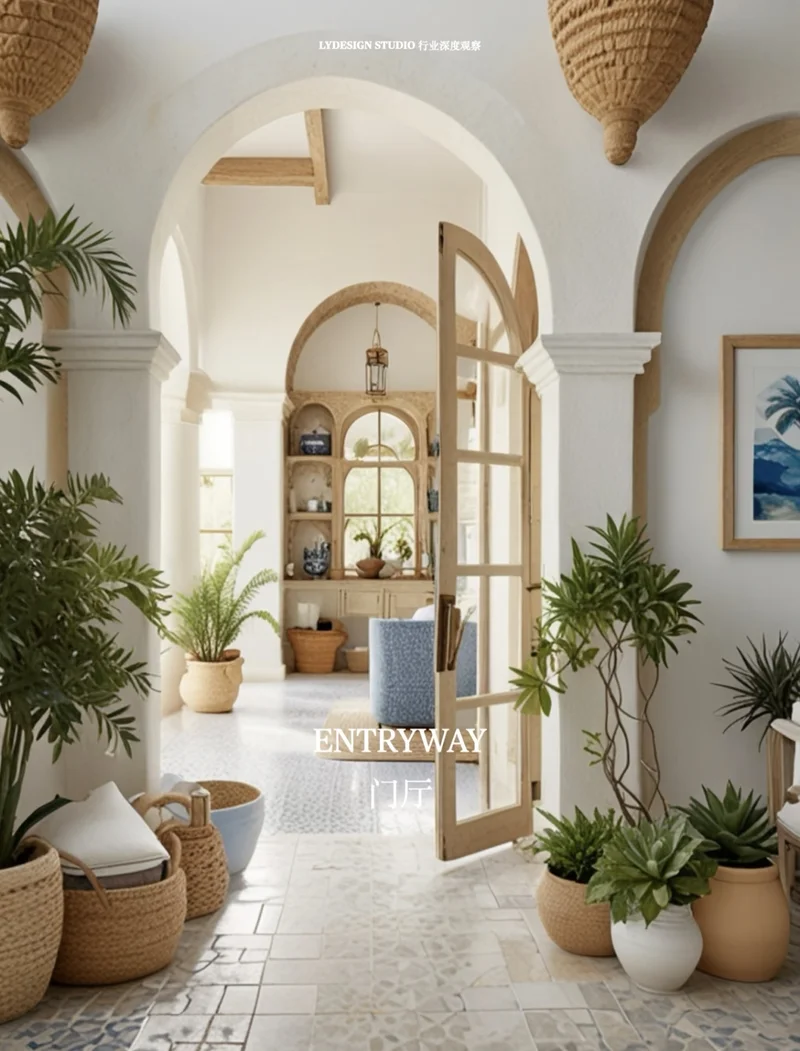
Seamless Indoor-Outdoor Living: How Our Oversized Aluminum Glass Doors Transform Villa Entrances
The architectural pursuit of seamless indoor-outdoor living is fundamentally an exercise in managing environmental boundaries. Our oversized aluminum glass door systems are engineered not to simply create an opening, but to provide a high-performance, thermally broken barrier that disappears when open and performs with exceptional integrity when closed. The transformation of a villa entrance hinges on the precise integration of advanced materials, structural engineering, and precision manufacturing.
Core Engineering & Material Specifications
The system’s performance originates in its aluminum alloy profiles. We utilize thermally broken 6063-T5 or 6060-T66 alloys, precision-extruded to tolerances exceeding EN 12020-2. The thermal barrier is a polyamide 66+GF25 (25% glass fiber) strip, mechanically crimped and digitally tested for continuity, achieving a linear thermal transmittance (Ψ-value) below 0.08 W/mK.
For glazing, monolithic or insulated glass units (IGUs) are engineered to project requirements. Standard configurations include:
- Laminated Outer Pane: 10.76 mm (6mm tempered + 1.52mm PVB + 6mm tempered) for safety and acoustic damping.
- Insulated Unit: Laminated outer pane + 16mm argon-filled cavity + 8mm inner tempered pane.
- Low-E Coating: Applied on surface #2 or #3 (per EN 673) to achieve a center-of-glass Ug-value as low as 0.5 W/m²K.
Hardware is integral to structural performance. We specify multi-point locking systems with shoot bolts engaging stainless steel receivers at thresholds and heads. Continuous hinges or pivot sets are rated for a minimum of 100,000 cycles (EN 1935:2002) and support door leaf weights exceeding 500kg.
Functional Advantages & Architectural USPs
- Thermal Insulation: Achieved Uf-values for the frame from 1.3 to 1.6 W/m²K. Combined with high-performance IGUs, full-door Uw-values meet or exceed 1.1 W/m²K, compliant with passive house standards in many climates.
- Structural Stability & Weatherproofing: Engineered to withstand wind loads up to Class C5 (≥ 3000 Pa) per EN 12211. Drainage chambers within the frame and triple EPDM gasket seals (per EN 12207) ensure an air permeability rating of Class 4 (≤ 0.75 m³/m·h) and watertightness to Class 9A (≥ 600 Pa).
- Acoustic Performance: The mass of laminated glass, combined with sealed air gaps and differential gasketing, provides sound reduction up to Rw 45 dB (EN ISO 10140-2) for critical barrier applications.
- Operational Effort & Safety: Despite their mass, doors operate with minimal force due to high-grade bearing systems. All glazing is tempered or laminated to meet ANSI Z97.1 / EN 12600 safety requirements.
Technical Performance Data
| Parameter | Standard / Test Method | Performance Range | Notes |
|---|---|---|---|
| Door Leaf Weight Capacity | Static Load Test (EN 947) | 400 kg – 800 kg | Dependent on hardware set and profile reinforcement. |
| Wind Load Resistance | EN 12211 | Up to 3000 Pa (Class C5) | Requires appropriate profile series and anchoring. |
| Air Permeability | EN 12207 | Class 4 (≤ 0.75 m³/m·h) | Standard performance; Class 5 available. |
| Watertightness | EN 12208 | Class 9A (≥ 600 Pa) | Achieved with pressurized gasket system. |
| Thermal Transmittance (Uw) | EN ISO 10077-1 | 0.9 – 1.3 W/m²K | Center-of-glass Ug as low as 0.5 W/m²K. |
| Acoustic Insulation (Rw) | EN ISO 10140-2 | 35 – 45 dB | With laminated glass and acoustic gaskets. |
| Forced Entry Resistance | EN 1627 | RC 2 / Class 2 | Enhanced hardware packages available for RC 3. |
Integration & Compliance
All systems are designed for seamless integration with floor tracks, flush thresholds, and adjacent fixed glazing or wall systems. Manufacturing is under a certified ISO 9001:2015 quality management system. Material sourcing and finishes comply with REACH and relevant VOC emission standards. The result is a fully certified, performance-guaranteed entrance system that erases the technical boundary between interior and exterior spaces, leaving only the visual and experiential connection.
Engineered for Extreme Weather: Waterproof and Corrosion-Resistant Performance in Coastal and Harsh Climates
The structural integrity and longevity of oversized aluminum glass door systems in coastal or harsh climates are contingent upon a multi-layered defense strategy. This begins at the molecular level with the aluminum alloy itself. We employ a 6063-T5 or 6063-T6 thermally treated alloy, which provides the necessary structural strength while serving as the primary substrate. The critical performance, however, is achieved through a rigorously controlled surface treatment process.
The first line of defense is a chromate-free pre-treatment, which etches and prepares the aluminum surface for optimal adhesion. This is followed by the application of a corrosion-inhibiting primer. The final and most critical layer is a 70-80 micron thick polyester powder coating (PPG, AkzoNobel, or equivalent), applied via electrostatic spray and thermally cured. For severe marine environments (C5-M per ISO 12944), a fluorocarbon paint (PVDF or FEVE) system is specified, offering superior resistance to UV degradation and salt spray corrosion.
The waterproof performance is a function of systemic engineering, not just gaskets. It integrates:
- Multi-Chambered Thermal Break: A polyamide 66 with 25% glass fiber (PA66 GF25) strip is mechanically locked and poured within the aluminum profile. This barrier not only achieves a low U-factor but also prevents thermal bridging that can lead to internal condensation and corrosion.
- Compartmentalized Drainage: Primary and secondary water channels within the frame are engineered to manage driven rain. A pressure-equalization principle is used to prevent water ingress by balancing atmospheric pressure across the primary seal.
- Triple-Seal Gasket Geometry: EPDM (Ethylene Propylene Diene Monomer) gaskets, with a Shore A hardness of 60±5, provide lasting elasticity. The seal strategy employs a primary weather seal, an intermediate thermal seal, and a primary air seal, each with a specific compression set resistance.
For hardware and ancillary components, marine-grade stainless steel (AISI 316 or 316L) is mandatory for all load-bearing hinges, multi-point locking system components, and fasteners exposed to the elements.
Technical Performance Data for Coastal/Harsh Climate Specification
| Parameter | Test Standard | Performance Data | Notes |
|---|---|---|---|
| Salt Spray Resistance | ASTM B117 / ISO 9227 | >1,000 hours without red rust | For powder-coated profiles with full pretreatment system. |
| Powder Coating Thickness | ISO 2360 / ASTM D7091 | 70-80 µm (microns) minimum | Measured on all critical faces; corners receive additional coverage. |
| Coating Adhesion | ISO 2409 (Cross-cut) | Class 0 (0% detachment) | After 1,000 hours of QUV accelerated weathering. |
| Air Infiltration | ASTM E283 / EN 1026 | Class 4 (≤0.5 m³/m·h @ 75 Pa) | Achieved via triple-seal gasket system. |
| Water Penetration Resistance | ASTM E331 / EN 1027 | Class 5A (≥600 Pa static pressure) | Validated with dynamic testing per ASTM E2268 for driven rain. |
| Thermal Insulation (U-factor) | EN ISO 10077-1 / NFRC 100 | Uf ≤ 1.2 W/m²K (Frame only) | With 34mm PA66 GF25 thermal break. System U-value dependent on glazing. |
| Operating Cycle Life | EN 12400 / ANSI/BHMA A156.23 | >25,000 cycles (Heavy Duty) | Testing includes salt spray exposure cycles on hardware. |
The glazing specification is equally critical. Insulated glass units (IGUs) must incorporate warm-edge spacers (stainless steel or composite polymer) and be sealed with structural silicone (SSG) or dual-seal (polyisobutylene primary, polysulfide secondary) systems to prevent moisture vapor transmission into the airspace. For maximum corrosion defense, the exterior glass pane should be set in a wet-glazed bed of neutral-cure silicone, creating a continuous barrier that isolates the aluminum sash from direct water contact.
Ultimately, performance in extreme climates is validated through whole-assembly testing, including cyclic static and dynamic water penetration tests, and accelerated weathering sequences that combine UV exposure, salt spray, and thermal cycling. This systemic approach ensures the door assembly performs as a unified barrier, maintaining its aesthetic and functional integrity for decades.
Structural Stability for Grand Openings: Reinforced Aluminum Frames Supporting Heavy Glass Panels Safely
The structural integrity of an oversized door system is non-negotiable. It is a calculated equilibrium between the immense dead load of the glass and the live loads from wind, use, and seismic activity. The reinforced aluminum frame is the engineered skeleton that makes this equilibrium possible, ensuring decades of safe, silent operation without deflection or failure.
Core Engineering Principles: Frame Reinforcement
Standard extruded profiles are insufficient for grand openings. Our systems employ thermally broken aluminum profiles engineered with internal structural reinforcements. These are not mere thickness increases but strategic applications of high-grade steel or reinforced polymer inserts within the profile cavities at critical stress points—primarily the hinge and lock stiles and the horizontal head and sill sections.
- Internal Steel Reinforcements: For spans exceeding 4 meters or in high wind-load zones (as per ASTM E1300 / EN 1999), galvanized steel cores are mechanically anchored within the aluminum profile. This composite construction multiplies the moment of inertia, drastically increasing the frame’s resistance to bending and torsional forces.
- Polyamide Thermal Break with Structural Duty: The polyamide thermal barrier is not just an insulator; in our profiles, it is a glass-fiber reinforced 34% polyamide (PA66 GF25) strip. This material possesses a high tensile strength and shear modulus, ensuring the two aluminum halves act as a unified structural member under load, preventing thermal stress-induced distortion.
Glass Panel Engineering and Load Transfer
The glass is an active structural element. For panels over 2.5m², monolithic glass is never used. The specification moves to laminated glass, and for the largest openings, to insulated laminated units.
- Laminated Glass as a Membrane: The polyvinyl butyral (PVB) or SentryGlas® (SGP) interlayer provides post-breakage safety, but critically, it also mitigates deflection. Under load, the interlayer shear-couples the glass plies, significantly increasing the stiffness of the panel compared to monolithic glass of the same total thickness. SGP, with a shear modulus approximately 100 times that of standard PVB, offers superior rigidity for extreme spans.
- Precise Load Path to Frame: The glass does not simply sit in the frame; it is structurally bonded. A continuous, high-performance silicone structural glazing sealant (with a minimum tensile strength of 1.5 MPa per ASTM C1135) transfers wind loads from the glass directly to the frame. This is complemented by precision-engineered mechanical setting blocks and edge blocks that provide bearing support, control glass alignment, and prevent hard contact with the aluminum.
Performance Data: Engineered for Specification
The following table summarizes key performance parameters for two standard system classes, demonstrating the direct relationship between profile reinforcement and achievable performance.
| Parameter | System Class A (Moderate Span) | System Class B (Grand Span / High Wind-Load) | Test Standard |
|---|---|---|---|
| Max. Recommended Panel Dimension | 3.2m H x 1.6m W | 5.0m H x 2.2m W | Engineered Calculation |
| Max. Glass Weight Capacity | 650 kg | 1200 kg | Static Load Test |
| Wind Load Resistance (Proof) | 2400 Pa | 3500 Pa | ASTM E330 / EN 12211 |
| Air Infiltration Rating | Class 4 (<1.5 m³/m·h @ 100Pa) | Class 4 (<1.5 m³/m·h @ 100Pa) | ASTM E283 / EN 12207 |
| Water Penetration Resistance | Class 5A (600 Pa, no failure) | Class 7A (900 Pa, no failure) | ASTM E331 / EN 12208 |
| Thermal Insulation (Uf-value) | 1.8 W/m²·K | 1.6 W/m²·K | EN 10077 / ISO 10292 |
| Primary Reinforcement | Reinforced Polyamide Thermal Break | Galvanized Steel Core + Reinforced Thermal Break | Material Certification |
Functional Advantages of the Engineered System
- Zero Long-Term Deflection: Pre-calculated reinforcement profiles ensure that the door head will not sag over time, maintaining perfect alignment of moving panels for consistent operation and weather sealing.
- Silent Operation Under Load: The rigidity of the composite frame and the precise, heavy-duty pivot hinge mechanisms (typically with adjustable stainless steel bearings) eliminate creaking, binding, or chatter, even in coastal or windy environments.
- Seal Integrity Preservation: By preventing frame flex, the compression of the perimeter EPDM gaskets remains constant. This ensures long-term performance in air infiltration (≤1.5 m³/m·h), water penetration (≥600 Pa), and acoustic insulation (Rw up to 42 dB for a full glazed assembly).
- Foundation for Precision Hardware: The stable, unwavering frame provides the necessary substrate for the consistent engagement of multi-point locking systems (typically 3-5 points per side) and the smooth operation of automated sliding or pivot hardware systems.
Ultimately, the structural stability is a pre-requisite that enables all other luxury features. It is the invisible engineering that guarantees the door is a permanent, reliable, and safe architectural element.
Aesthetic Minimalism with Maximum Impact: Sleek, Formaldehyde-Free Designs for Healthier Luxury Spaces
The pursuit of aesthetic minimalism in luxury architecture is not a reduction in quality but an elevation of material science and precision engineering. For oversized aluminum glass door systems, this translates to achieving a seamless, monolithic visual impact while rigorously ensuring indoor environmental quality through formaldehyde-free construction. The design integrity hinges on the performance of every component, from the thermal break to the sealant chemistry.
Core Material & Environmental Specifications:
- Frame Material: Utilize 6063-T5 or 6063-T6 aluminum alloys, anodized or powder-coated with low-VOC (Volatile Organic Compound) finishes. The alloy’s temper ensures yield strength exceeding 160 MPa, providing the structural rigidity required for oversized, single-pane glass panels without visual bulk.
- Formaldehyde-Free Commitment: All composite materials within the system—including thermal breaks, gaskets, and any internal reinforcement—comply with the strictest international emission standards. This is certified as E0 (≤0.5 mg/L per JIS A 1460) or CARB Phase 2 / EN 717-1 equivalent, ensuring undetectable formaldehyde off-gassing.
- Glass & Glazing: Laminated or insulated glass units (IGUs) are bonded with structural silicones that are solvent-free. Glass options with low-iron content (≥91.5% light transmittance) maximize clarity and color neutrality, essential for a true minimalist aesthetic.
Functional Advantages of the Engineered System:
- Superior Thermal Performance: A polyamide 66 + glass fiber (PA66GF25) thermal break, with a minimum width of 34mm, achieves a frame U-factor as low as 1.6 W/(m²·K). This is critical for maintaining interior climate stability and preventing condensation.
- Acoustic Insulation: The combination of laminated glass (e.g., 10.8mm thick, 6.38mm PVB interlayer) and multi-chamber seal profiles delivers sound reduction ratings (Rw) of up to 42 dB, effectively attenuating exterior noise.
- Structural & Weathering Integrity: Door systems are engineered to meet or exceed performance grades for wind load (Class C5 per EN 12210), water tightness (Class 9A per EN 12208), and air permeability (Class 4 per EN 12207). Corner cleats are mechanically fastened and sealed, not merely welded, for lifelong stability under operational stress.
- Health-Centric Sealing: All perimeter seals use EPDM (Ethylene Propylene Diene Monomer) gaskets with a Shore A hardness of 60±5, optimized for durability and compression set resistance without plasticizer migration.
Technical Performance Data:
The following table summarizes key comparative parameters for standard versus high-performance minimalist door systems.
| Performance Parameter | Standard System | High-Performance Minimalist System | Test Standard |
|---|---|---|---|
| Frame U-Factor | ~2.8 W/(m²·K) | ≤1.8 W/(m²·K) | EN 10077 / NFRC 100 |
| Air Infiltration | ≤2.5 m³/(m·h) @ 100 Pa | ≤1.5 m³/(m·h) @ 100 Pa | EN 1026 / ASTM E283 |
| Water Penetration Resistance | 600 Pa | ≥900 Pa | EN 1027 / ASTM E331 |
| Acoustic Rating (Rw) | 32 dB | 40 – 45 dB | EN ISO 10140 / ASTM E90 |
| Maximum Configurable Leaf Height | 3.2 m | 4.5 m (with reinforced mullions) | Structural analysis per EN 1999 |
| Primary Seal Durability | EPDM, Shore A 70 | EPDM, Shore A 60, low-compression set | ISO 815 |
Ultimately, the engineering goal is to create a door that visually disappears when closed, offering an unobstructed connection to the environment, while performing as a highly sophisticated, high-performance building envelope component. The specification of certified formaldehyde-free materials and advanced glazing ensures this transparency extends to indoor air quality, making the architectural statement one of responsible luxury.
Precision Installation and Customization: Tailored Solutions for Unique Villa Architectural Requirements
Precision installation of oversized aluminum glass doors is a non-negotiable prerequisite for achieving the advertised performance and longevity. The process begins with a comprehensive architectural survey, focusing on load-bearing assessments of the lintel and floor, verification of plumb and level across the rough opening, and analysis of thermal bridging at the interface with the villa’s primary structure. Installation tolerances are typically within ±1.5mm across the frame perimeter to ensure uniform sealant compression and prevent structural stress on the glass.
Customization extends beyond dimensional adaptation to integrate with the villa’s architectural language and environmental performance envelope. The aluminum alloy system itself is engineered for modification.
| Customization Parameter | Technical Specification & Impact |
|---|---|
| Alloy & Finish | Use of 6063-T5 or 6061-T6 alloys for structural members. Powder-coating to QUALICOAT Class 2 or AAMA 2605 standards for 25+ year durability. Anodizing to AA-M31-C22A41 (20-25µm) for architectural consistency. |
| Thermal Break & Insulation | Polyamide 6.6 thermal barriers with a minimum 24mm bridge width. Resulting in overall door U-factors as low as 0.8-1.1 W/(m²·K). Silicone foam thermal tapes at frame-to-wall junctions are mandatory. |
| Glazing Configuration | Laminated outer pane (6.38mm) with PVB/ionomer interlayer for safety and acoustic damping. Inner pane of low-E coated tempered glass (6mm). Argon-filled (90%+) cavity (16-20mm). Achieves Rw (C; Ctr) ratings of 40-45 dB and Solar Heat Gain Coefficients (SHGC) from 0.20 to 0.30. |
| Structural Integration | Custom-designed stainless steel (Grade 304/316) reinforcement brackets and moment-resisting anchors, engineered for site-specific wind load calculations (up to 2400 Pa) and seismic zone requirements. |
The functional advantages of a precision-engineered and custom-fitted system are quantifiable:
- Structural Integrity & Safety: Engineered hinge systems (e.g., 3D-adjustable, heavy-duty) support door leaf weights exceeding 400kg. Multi-point locking systems engage a minimum of 3-5 points per side, meeting PAS 24:2022 or equivalent forced-entry resistance standards.
- Long-Term Weatherproofing: Continuous EPDM or silicone gaskets (Shore A 70±5) form the primary seal. The secondary seal is provided by a structural silicone bond with a minimum 12mm bite and 6mm thickness, tested to ASTM C920 Class 25. Achieves an air infiltration rating ≤0.5 m³/(h·m²) at 300 Pa and water penetration resistance ≥600 Pa.
- Operational Performance: Bottom-rail tracked systems utilize stainless steel ball bearings and self-lubricating polymer wheels. Threshold designs incorporate drainage channels and thermal breaks, with a maximum threshold height of 20mm for barrier-free access while maintaining a pressure-equalized rain screen principle.
Final commissioning includes laser-alignment verification of the entire assembly, torque-testing of all fasteners, and a full-cycle operational test. A performance validation report, documenting measured air/water infiltration, structural deflection under load, and thermal imaging to identify any installation-related bridging, is provided.
Long-Term Value and Warranty Assurance: Durable Construction Backed by Industry-Leading Support
The structural longevity of an oversized door system is a function of its material integrity, assembly precision, and the environmental resilience of its components. Our warranty framework is predicated on quantifiable performance thresholds, not marketing claims, ensuring a lifecycle that matches the permanence of the villa architecture it serves.
Core Construction Principles for Lifespan Extension:
- Alloy Integrity: Primary structural members utilize 6063-T6 or 6061-T6 aluminum, thermally treated for optimal strength-to-weight ratio. Minimum 1.8mm wall thickness on critical sections resists deflection under wind load and repeated operation.
- Glazing System Stability: Insulated Glass Units (IGUs) employ warm-edge spacers and dual-seal (polyisobutylene primary, polysulfide secondary) technology to prevent inert gas (Argon/Krypton) leakage and internal condensation, maintaining U-factors below 0.15 Btu/(hr·ft²·°F) for decades.
- Hardware Integration: Load-bearing hinges and multi-point locking gear are engineered for a minimum of 100,000 cycles (tested per EN 1527:2013) without failure or excessive play, directly anchored to reinforced aluminum frames, not just glazing beads.
Performance Assurance Metrics:
Long-term value is verified against international standards, with warranties contingent on certified performance data.
| Component | Test Standard | Performance Threshold | Warranty Basis |
|---|---|---|---|
| Powder Coating | QUALICOAT Class 2 / AAMA 2604 | 4,000+ hours salt spray (ASTM B117), >15 years colorfastness (EN 12206-1) | Adhesion (ISO 2409: Cross-cut 0), gloss retention, chalk resistance. |
| Thermal & Air Infiltration | EN 12207 / ASTM E283 | Class 4 Air Permeability (<0.5 m³/(m·h)), Class 8 Water Tightness (EN 12208) | Maintains declared U-factor and airtightness for energy model compliance. |
| Structural & Operational | EN 13830 / AAMA 2505 | Deflection < L/175 under design wind load; cyclic operation >100,000 cycles. | Frame integrity, hardware function, and sealant adhesion under dynamic loads. |
Warranty Support Structure:
Our industry-leading support is a systematic engineering protocol, not merely a reactive service promise.
- Documentation: Full material certificates (Mill Test Reports), independent test lab summaries, and installation methodology guides (per AAMA 2400) are provided for project specification compliance.
- Failure Mode Analysis: Warranty claims trigger a forensic engineering review, including on-site inspection, material sampling, and lab analysis to determine root cause (material defect, installation error, or external damage).
- Replacement Protocol: Certified replacement components are supplied from identical production batches, with technical dispatch to ensure metallurgical and colorimetric consistency with the original installation.
The ultimate value assurance is the system’s designed redundancy and the provision of forensic technical support, ensuring any performance issue is resolved with engineering rigor, preserving the architectural intent and building envelope integrity for the duration of the structure.
Frequently Asked Questions
What are the critical thermal performance benchmarks for oversized aluminum-glass villa doors?
For true energy efficiency, specify doors with a thermal break using 34mm polyamide strips and insulated glass units (IGU) filled with argon gas. The overall U-value should be ≤ 1.1 W/(m²·K). This prevents condensation and significantly reduces HVAC load, ensuring comfort and long-term operational savings in extreme climates.
How do you prevent structural warping and ensure dimensional stability over decades?
The aluminum alloy must be 6063-T5 or T6 temper, with a minimum 2.5mm wall thickness. Crucially, the internal reinforcement should be a multi-chambered, powder-coated steel or LVL core. This combats torsional stress from wind loads and thermal cycling, guaranteeing the frame remains true and the door operates smoothly for its entire lifespan.
What standards define the safety and impact resistance of these large glass panels?
The glass must be laminated safety glass, typically a minimum of 12.76mm (6mm+1.52mm PVB+6mm). For coastal or high-risk areas, consider 10.12.10 construction with ionoplast interlayers (SentryGlas®). This achieves class P4 or higher impact resistance, ensuring the glass holds together upon impact and provides critical security and weather barrier integrity.
Which formaldehyde emission standard is non-negotiable for integrated wood-plastic composite (WPC) elements?
Insist on E0 (≤0.5 mg/L) or the European EN 717-1 E1 standard (≤0.124 mg/m³) for any WPC or engineered wood components. This is critical for indoor air quality in luxury residences. Verify the WPC has a density ≥ 650 kg/m³ and is co-extruded with a >0.5mm UV-stabilized PVC cap layer for durability.
How is long-term weather and UV resistance engineered into the door system?
Beyond standard anodizing, specify a 70-80 micron fluorocarbon (PVDF) paint coating applied via a multi-stage pretreatment and electrostatic spray process. This provides a 25-year warranty against fading and chalkiness. All seals must be EPDM gaskets with a minimum Shore A hardness of 70, resistant to ozone and temperature extremes from -40°C to 70°C.
What acoustic insulation performance can be realistically achieved?
A properly engineered system can achieve a weighted sound reduction index (Rw) of 40-45 dB. This requires a combination of laminated glass with asymmetric pane thicknesses (e.g., 8mm/12mm), airtight compression seals on all four sides, and a thermally broken frame filled with polyurethane foam to dampen vibration and block mid-to-high-frequency noise.
What are the key procurement checks for hardware and mechanical longevity?
Hardware must be certified Grade 1 per ANSI/BHMA A156.13 for commercial duty. Specify 304 or 316 stainless steel multi-point locking systems with a minimum of 3 bolts. Hinges must be heavy-duty, self-lubricating barrel types with adjustable tension. This ensures over 100,000 cycles of flawless operation under the door’s significant weight.