Tilt-Up Garage Doors for Residential Homes: Benefits, Styles & Installation Guide
Transforming the façade of a modern home often begins with a single, impactful choice—the garage door. Once viewed merely as a functional entry, today’s homeowners are embracing tilt-up garage doors as a seamless blend of innovation, style, and practicality. Perfectly suited for residential properties with limited exterior space or unique architectural designs, tilt-up doors, also known as canopy or swing-out doors, offer a space-saving alternative to traditional sectional models. Hinged at the front and lifting upward in one smooth motion, these doors provide unobstructed driveway access while enhancing curb appeal with clean lines and customizable finishes. Beyond aesthetics, they deliver durability, weather resistance, and low maintenance—essential traits for discerning homeowners. Whether you’re renovating a mid-century gem or building a contemporary retreat, understanding the benefits, design versatility, and proper installation of tilt-up garage doors can elevate both functionality and design harmony in your home.
Why Tilt-Up Garage Doors Are Ideal for Modern Residential Homes
-
Engineered for performance and aesthetics, tilt-up garage doors have become a preferred choice for modern residential homes due to their seamless integration with contemporary architectural design and superior functionality. Constructed from durable materials such as insulated steel or aluminum, these doors offer exceptional thermal efficiency, reducing energy transfer and contributing to lower heating and cooling costs—a critical consideration in energy-conscious home design.
-
Unlike traditional sectional doors, tilt-up doors operate as a single panel, pivoting upward from the front of the garage. This design eliminates track systems along the ceiling and side walls, maximizing interior clearance—an advantage particularly valuable in homes where garages double as workshops, storage areas, or living spaces. The absence of complex hardware also reduces long-term maintenance and potential mechanical failure points.
-
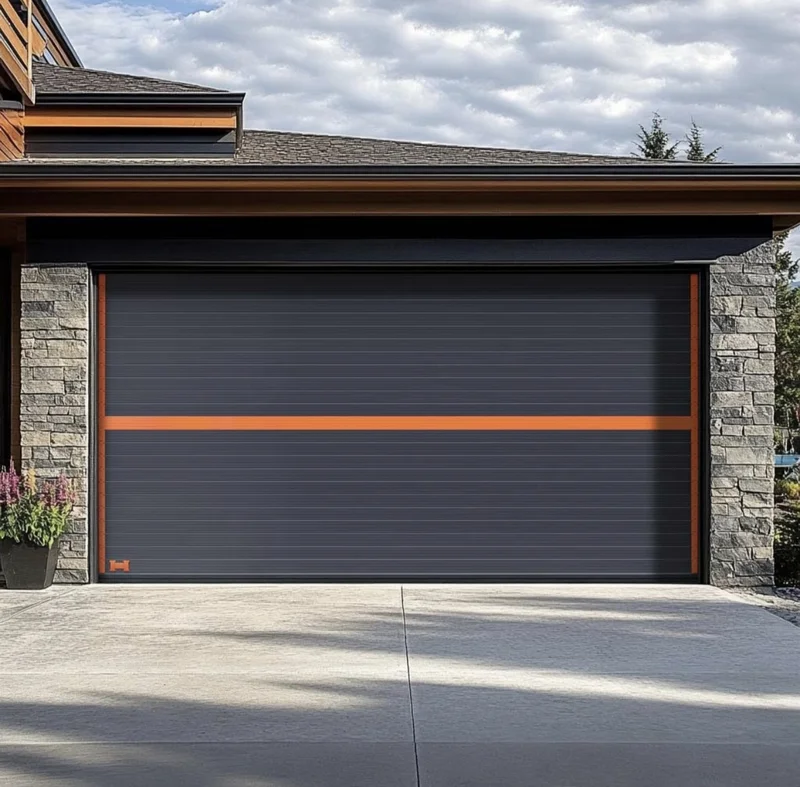
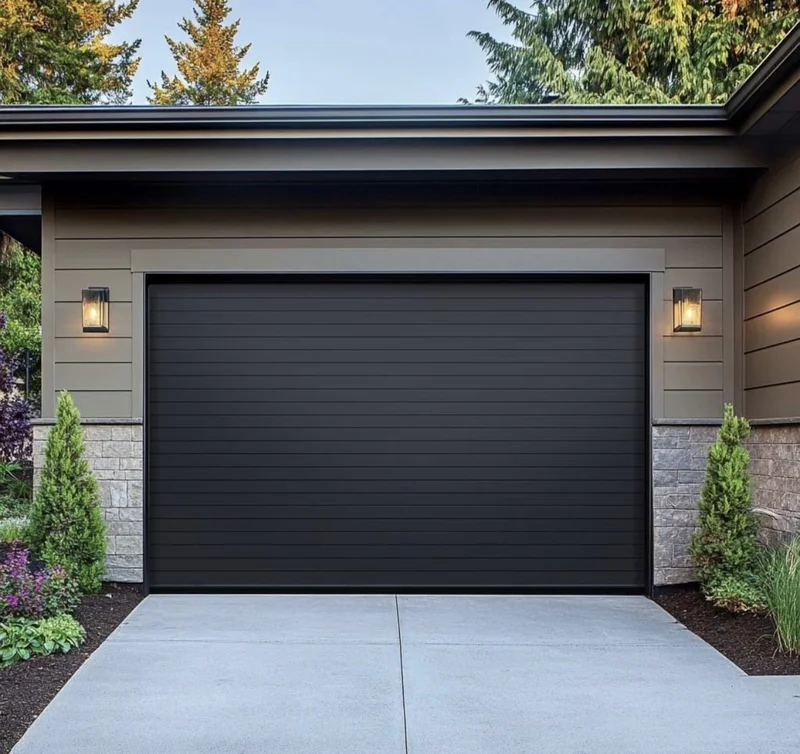
Aesthetic versatility is another key strength. Tilt-up doors can be customized with premium finishes, wood-look textures, and minimalist hardware to complement modern façades. Flush-mount installations and concealed hinges contribute to clean sightlines, supporting architectural trends that prioritize simplicity and geometric precision. Available in both insulated and non-insulated configurations, they adapt seamlessly to varied climates and homeowner priorities.
-
Installation precision is critical to performance. Professional alignment ensures even weight distribution and smooth operation, typically supported by heavy-duty torsion springs or counterbalance systems. When properly installed, tilt-up doors offer reliable, quiet operation with minimal wear over time.
-
Security is enhanced through integrated locking mechanisms and robust construction. The monolithic panel design resists forced entry more effectively than multi-panel alternatives, providing added peace of mind. Additionally, compatibility with smart home systems allows for remote monitoring and control, aligning with modern automation standards.
-
Sustainability is increasingly central to residential construction, and tilt-up doors support this objective. Their long service life, recyclable materials, and contribution to building envelope integrity make them a responsible choice for environmentally focused projects.
In summary, tilt-up garage doors represent a convergence of form, function, and durability—qualities that align precisely with the demands of contemporary residential architecture. Their adaptability, efficiency, and clean aesthetic make them not merely a functional component but a design asset in modern homes.
Key Advantages of Choosing Tilt-Up Garage Doors Over Other Types
- Cost-effective solution compared to other garage door types due to simplified manufacturing and reduced material requirements
- Enhanced structural durability from fewer moving parts and absence of springs, cables, and tracks that are prone to wear and failure
- Minimal maintenance needs over time, as the robust hinge-and-pivot mechanism resists stress and requires no periodic lubrication or spring adjustments
- Superior space efficiency in both vertical and lateral dimensions, preserving interior garage space and enabling closer parking to the door
- Seamless integration with low-ceiling or constrained garage designs where sectional or roll-up doors demand excessive headroom
- Consistent performance in extreme weather conditions, with fewer mechanical components vulnerable to freezing, warping, or corrosion
- Longevity exceeding 25 years with proper installation and periodic seal inspection, outperforming many sectional counterparts in lifespan
- Energy efficiency potential through full-panel insulation and compression seals that minimize air infiltration when closed
Tilt-up garage doors offer a compelling balance of engineering simplicity and functional performance. Constructed as a single rigid panel, typically of steel-reinforced wood or insulated composite, the door pivots upward from the front header via robust hinges. This mechanism eliminates the need for overhead tracks, torsion systems, and segmented joints—common failure points in sectional doors. As a result, long-term ownership costs are reduced, and reliability is increased, particularly in environments with frequent use or exposure to temperature extremes.
The operational mechanism inherently supports heavier materials without compromising function, allowing for architectural customization using premium finishes such as stained wood, corten steel, or custom cladding. This structural integrity also enhances security—there are no external rollers or track gaps that can be exploited. Moreover, because the door lifts straight up and remains partially outside when open, it avoids the complex articulation of multi-panel doors, reducing the risk of misalignment.
Installation is streamlined, requiring fewer precision adjustments than sectional systems. However, proper anchoring to a reinforced header is critical to handle the dynamic load during operation. When paired with a high-torque, direct-drive opener, modern tilt-up designs deliver smooth, quiet performance. While they do require clearance in front of the garage during opening, this trade-off is often acceptable in residential applications with standard driveway setbacks.
For homeowners prioritizing durability, minimal maintenance, and architectural cohesion, tilt-up garage doors represent a technically sound and aesthetically adaptable choice.
Popular Materials and Design Options for Residential Tilt-Up Doors
- Steel
- Wood
- Composite (fiberglass-reinforced polymer or wood-steel hybrids)
Steel remains the most widely selected material for residential tilt-up garage doors due to its strength, durability, and relatively low maintenance. Modern cold-rolled steel panels, typically 24- to 26-gauge, are factory-painted or coated with a protective laminate to resist corrosion and UV degradation. Insulated steel variants, filled with polyurethane or polystyrene, offer improved thermal performance, making them ideal for climate-controlled garages or homes in regions with extreme temperatures. Steel doors can be textured or embossed to mimic the grain of wood, providing aesthetic flexibility without sacrificing performance.
Wood, particularly premium hardwoods like mahogany, cedar, or redwood, is favored for its natural beauty and custom craftsmanship. Wood tilt-up doors are often specified in high-end residential developments or historically influenced neighborhoods where architectural authenticity is paramount. However, wood demands rigorous maintenance—regular sealing, staining, and protection from moisture—to prevent warping, cracking, or rot. Engineered wood products, such as laminated veneer lumber (LVL), are increasingly used to enhance dimensional stability while retaining the visual appeal of solid timber.
Composite materials represent a growing segment, combining the aesthetic qualities of wood with the resilience of synthetic or metallic components. Fiberglass-reinforced polymer doors resist dents, moisture, and temperature fluctuations while offering high customization in color and finish. Wood-steel hybrids integrate a wood exterior with a steel substructure, balancing visual warmth with structural integrity.
Design options for tilt-up doors emphasize integration with architectural style. Common panel configurations include flush, recessed, or raised panels, often accented with decorative hardware like strap hinges or forged handles. Insulation values (R-values) range from R-6 for non-insulated units to R-16 or higher for fully insulated assemblies. Finishes span factory-applied paints, powder coatings, and custom stains, with color-matching to home exteriors being a standard service. Design also extends to operational mechanisms—torsion or extension spring systems—selected based on door weight and cycle life requirements.
What to Know Before Installing a Tilt-Up Garage Door in Your Home
-
Assess ceiling and headroom requirements: Tilt-up garage doors operate by lifting vertically and pivoting outward before moving horizontally under the ceiling. A minimum of 12 to 18 inches of headroom above the door opening is typically required for standard torsion spring systems. Low-headroom track configurations are available but require reinforced track systems and may affect ceiling clearance for storage or mechanical equipment.
-
Evaluate structural support: The garage’s framing must support the weight of the door and the forces exerted by the spring and track system. Header strength is critical—undersized or deteriorated headers can compromise safety and function. Consult a structural engineer or qualified contractor to verify that the existing structure meets load requirements, especially in older homes.
-
Choose the appropriate spring system: Tilt-up doors commonly use either torsion or extension springs. Torsion springs, mounted above the door, offer smoother operation and enhanced safety but require professional installation. Extension springs, positioned along the horizontal tracks, are less expensive but pose greater risk if not properly maintained. Match the spring type to door weight and cycle frequency.
-
Consider insulation and weather sealing: Residential tilt-up doors are available with various insulation ratings (R-values). For garages attached to living spaces or used as workshops, select a door with an R-value of 12 or higher to improve energy efficiency. Ensure the door includes a durable bottom seal and side weather stripping to prevent air infiltration, moisture, and pest entry.
-
Plan for clearance and obstructions: Ensure unobstructed space in front of the garage door during operation. Vehicles, storage items, and landscaping should be positioned to allow full door movement. Overhead obstructions such as ductwork, lighting fixtures, or storage racks must be accounted for in the track layout.
-
Factor in long-term maintenance: Regular lubrication of rollers, hinges, and springs is essential. Inspect cables and springs annually for signs of wear or corrosion. Engage a professional for spring adjustments or replacements due to high tension risks.
-
Verify local building codes and homeowner association regulations: Some jurisdictions require safety sensors, pinch-resistant joints, or specific wind-load resistance. Confirm compliance prior to installation.
Maintenance Tips to Extend the Life of Your Tilt-Up Garage Door
-
Inspect the door and hardware quarterly for signs of wear, corrosion, or misalignment. Pay close attention to hinges, brackets, and fasteners, ensuring all are securely tightened and free from rust. Replace any damaged components promptly to prevent stress on adjacent parts.
-
Lubricate moving components every six months using a silicone-based or lithium grease lubricant. Apply sparingly to rollers, hinges, pivot points, and springs. Avoid petroleum-based products, which attract dust and debris, accelerating wear.
-
Test door balance annually. Disconnect the opener and manually raise the door halfway. A properly balanced door should remain in place. If it drifts closed or opens further, the torsion spring tension requires adjustment. This task involves significant risk and should be performed by a qualified technician.
-
Examine weatherstripping along the perimeter of the door, particularly at the bottom. Cracked or compressed seals compromise energy efficiency and allow moisture intrusion. Replace seals as needed to maintain a tight barrier against the elements.
-
Clean the door surface biannually with mild detergent and water. Remove dirt, salt, and pollutants that can degrade finishes, especially on wood or painted steel models. Rinse thoroughly and dry to prevent water spotting or corrosion.
-
Ensure tracks are aligned and free of obstructions. Misaligned tracks cause binding, uneven operation, and premature wear. Clean tracks with a damp cloth and inspect for bends or debris. Adjust alignment only if experienced; otherwise, consult a professional.
-
Monitor the garage door opener’s force settings and safety reverse mechanism. The door should reverse upon contacting an obstruction no thicker than 1.5 inches. Test this monthly using a roll of paper towels placed on the floor.
-
Keep springs, cables, and drums under professional review. These components operate under high tension and pose severe safety hazards if mishandled. Never attempt DIY repairs on torsion springs or cable systems.
-
Maintain proper clearance around the door’s path. Remove stored items that could interfere with movement. Ensure no structural modifications have encroached on the operational envelope.
Consistent, proactive maintenance significantly extends service life, enhances safety, and preserves the operational integrity of tilt-up garage doors. When in doubt, engage certified door technicians for inspection and servicing.
Frequently Asked Questions
What are the main advantages of tilt-up garage doors for residential homes?
Tilt-up garage doors offer exceptional durability, enhanced insulation, and superior security due to their solid construction and minimal moving parts. They are ideal for homeowners seeking long-term performance with low maintenance. Their simple hinge-and-lift mechanism ensures reliability in extreme weather conditions, and when properly insulated, they contribute significantly to energy efficiency in temperature-controlled attached garages.
How do tilt-up garage doors compare to sectional garage doors in terms of space efficiency?
Tilt-up doors require significant interior and exterior clearance to operate—swinging upward into the garage space and protruding slightly outside when open. In contrast, sectional doors glide along tracks and fold overhead, conserving interior space. Therefore, tilt-up doors are less space-efficient, making them better suited for garages with high ceilings and minimal overhead obstructions.
Are tilt-up garage doors energy efficient for residential use?
Yes, when constructed with insulated steel or wood and paired with quality weatherstripping, tilt-up doors provide excellent thermal performance. Their seamless panel design minimizes air leakage, improving HVAC efficiency in attached garages. For optimal energy savings, select models with a minimum R-value of 12 and ensure professional installation to eliminate gaps.
Can tilt-up garage doors be automated with modern openers?
While tilt-up doors can be automated, compatibility is limited compared to sectional doors. Specialized overhead operators or jackshaft openers are required due to the door’s single-panel lift mechanism. Not all standard openers can handle the weight distribution and arc motion. Consult a certified garage door technician to assess structural supports and select a compatible high-torque opener.
What materials are best for residential tilt-up garage doors?
Steel and solid wood are the most common and durable options. Hot-dipped galvanized steel resists corrosion and dents, making it ideal for harsh climates. Solid wood, such as cedar or redwood, offers aesthetic appeal and natural insulation but requires regular sealing. Composite wood-steel hybrids provide a balance of strength, insulation, and low maintenance.
How much maintenance do tilt-up garage doors require?
Tilt-up doors require annual inspection of hinges, pivot points, and counterbalance systems. Lubricate steel hinges and rollers every six months using silicone-based lubricants. Check weatherstripping for wear and inspect for rust or wood rot. Because of fewer moving components, they generally demand less maintenance than sectional doors, but hinge alignment is critical for long-term performance.
Are tilt-up garage doors suitable for all home styles?
Tilt-up doors work best with industrial, modern farmhouse, or rustic architectural styles where bold, minimalist lines are desired. Their single-panel design can appear bulky on homes with traditional or ornate facades. Custom finishes, paneled detailing, and powder-coated colors can enhance aesthetic integration, but design flexibility is inherently more limited than with sectional doors.
What safety considerations are involved with tilt-up garage doors?
Due to their weight and lifting motion, improperly balanced tilt-up doors pose serious injury and property risks. Always use professional installation with torsion or extension spring counterbalance systems rated for the door’s weight. Avoid manual operation if springs are damaged. Pair with safety sensors and automatic reversing mechanisms if automated to meet modern safety codes (ANSI/DASMA 108).
How long do tilt-up garage doors typically last?
With proper maintenance, steel tilt-up doors can last 25–30 years, while wood models last 15–20 years depending on climate and upkeep. The robust single-panel construction resists wear better than multi-panel doors, and hinges/fittings made of forged steel can exceed 20 years. Lifespan is maximized with regular lubrication, rust prevention, and timely hardware replacements.
Can tilt-up garage doors be insulated after installation?
Yes, retrofit insulation is possible using rigid foam boards (e.g., polyisocyanurate) bonded to the interior surface or exterior cladding, followed by a protective overlay. However, post-installation insulation is less effective than factory-insulated models due to potential air gaps and compromised structural adhesion. For best results, consult a garage door specialist to ensure added weight doesn’t overload hinges or openers.
What structural requirements must be met for installing a tilt-up garage door?
The garage header, side jambs, and overhead framing must support concentrated loads at the pivot points. A structural engineer should verify beam strength, especially when retrofitting older homes. The ceiling must accommodate the door’s arc, requiring at least 12–18 inches of vertical clearance above the door opening. Reinforced track anchors and heavy-duty hinges are mandatory for long-term integrity.
Are tilt-up garage doors more secure than other types?
Yes, due to their solid, single-panel design and limited entry points, tilt-up doors are inherently more resistant to forced entry. The lack of vertical seams prevents pry attacks common with sectional doors. When combined with commercial-grade deadbolts, reinforced hinge pins, and tamper-resistant hinges, they offer a high level of physical security for residential properties.