Vinyl Garage Doors: The Ultimate Low-Maintenance Solution for Rental Property Owners
For rental property owners, time is money—and constant maintenance eats into both. That’s where vinyl garage doors emerge as a game-changing solution, combining durability, aesthetic appeal, and exceptional low maintenance in one smart package. Unlike traditional wood or steel alternatives that demand regular painting, sealing, or rust prevention, vinyl garage doors resist dents, fading, and moisture damage with minimal upkeep. This makes them ideal for rental units where tenant turnover and unpredictable care habits can compromise exterior finishes. With advancements in manufacturing, modern vinyl doors offer a wide range of styles and textures that mimic wood grain or contemporary finishes, enhancing curb appeal without sacrificing practicality. They withstand harsh weather, resist pests, and retain their appearance year after year—all without the need for frequent repairs or refinishing. For property managers and landlords focused on reducing long-term costs and maximizing return on investment, vinyl garage doors represent a strategic upgrade that delivers both functional and financial benefits.
Why Vinyl Garage Doors Are Ideal for Rental Properties
- Durable resistance to weather extremes, ensuring long-term structural integrity
- Minimal maintenance requirements, reducing ongoing operational costs
- Consistent aesthetic appeal that enhances curb appeal without frequent upkeep
Vinyl garage doors represent a strategic investment for rental property owners seeking durability, cost-efficiency, and aesthetic consistency. Unlike wood or steel alternatives, vinyl is inherently resistant to rot, corrosion, and insect damage—common issues in rental units subject to variable tenant care and environmental exposure. This resilience translates into fewer service calls, reduced repair expenditures, and extended replacement cycles, all of which directly improve net operating income.
One of the most compelling advantages of vinyl garage doors is their near-zero maintenance profile. They do not require painting, sealing, or staining, eliminating recurring labor and material costs associated with traditional materials. For property managers overseeing multiple units, this reduction in maintenance burden streamlines operations and allows teams to allocate resources more efficiently. Additionally, vinyl’s non-porous surface resists mold, mildew, and moisture absorption, making it particularly suitable for humid or high-precipitation climates where other materials degrade rapidly.
From a tenant management perspective, vinyl garage doors minimize dispute risks related to wear and deterioration. Their surface resists chipping and fading, maintaining a clean, professional appearance throughout the rental lifecycle. This consistent visual standard supports property branding and helps maintain tenant satisfaction without placing responsibility on occupants for upkeep.
Furthermore, vinyl doors contribute to energy efficiency when constructed with insulated cores. Improved thermal performance reduces heat transfer through the garage—particularly important in attached units—helping stabilize indoor temperatures and lowering utility costs for tenants. This feature can serve as a competitive differentiator in markets where energy-conscious renters prioritize efficiency.
Finally, the long service life of vinyl garage doors aligns with the financial modeling of rental portfolios. With lifespans routinely exceeding two decades under normal conditions, they offer a high return on investment through reduced lifecycle costs. For owners focused on scalability and operational efficiency, vinyl garage doors deliver a combination of durability, aesthetic reliability, and economic advantage that few exterior components can match.
Low Maintenance Benefits of Vinyl Over Traditional Materials
- Resists moisture, rot, and insect infestation without sealants or treatments
- Does not warp, crack, or split under thermal expansion or humidity fluctuations
- Surface finish maintains color and integrity without repainting or staining
- Cleanable with mild soap and water—no solvents or abrasive treatments required
- Minimal hardware degradation due to non-corrosive material composition
Vinyl garage doors offer rental property owners a decisive maintenance advantage over traditional wood and steel alternatives. Unlike wood, which demands periodic sealing, staining, and vigilant monitoring for mold or insect damage, vinyl is inherently impervious to moisture and organic decay. This resistance eliminates the need for seasonal upkeep, significantly reducing long-term maintenance cycles and associated labor costs. For property managers overseeing multiple units, this translates into predictable operational efficiency and fewer service calls related to door deterioration.
Steel doors, while durable, are prone to rust at cut edges or impact sites, particularly in climates with high humidity or road-salt exposure. Preventative measures such as priming, painting, and rust treatment are often necessary—adding recurring costs and downtime. Vinyl, by contrast, maintains structural and aesthetic integrity without such interventions. Its homogenous composition ensures that scratches or scuffs do not compromise underlying material, and color is typically consistent throughout, minimizing visual degradation.
Additionally, vinyl does not require refinishing. Traditional wood doors may need refinishing every 3–5 years to preserve appearance and protect against the elements—a labor-intensive process that disrupts tenants and increases turnover time. Steel doors often fade or chalk under UV exposure, necessitating repainting to maintain curb appeal. Vinyl formulations include UV stabilizers that resist fading and surface breakdown, preserving aesthetic consistency across years of exposure.
From a lifecycle perspective, the absence of required chemical treatments, coatings, or structural reinforcements positions vinyl as a materially efficient solution. Rental property owners benefit from reduced liability associated with peeling paint, splintered wood, or rusted edges—common hazards in tenant environments. The combination of durability, aesthetic retention, and simplified cleaning protocols makes vinyl a strategically sound choice for minimizing maintenance overhead while ensuring reliable performance across diverse climatic and usage conditions.
Cost Efficiency and Long-Term Savings for Landlords
-
Low maintenance requirements directly translate to reduced operational expenses over time. Vinyl garage doors resist moisture, corrosion, and insect damage—common failure points in wood and steel alternatives—eliminating the need for frequent repairs or protective treatments. This durability reduces service calls and labor costs, both of which accumulate significantly across a portfolio of rental properties.
-
Unlike painted steel doors that require repainting or refinishing after chipping or rust formation, vinyl retains its finish and color integrity for decades. UV inhibitors embedded in the material prevent fading and degradation, maintaining aesthetic appeal without intervention. This longevity reduces replacement cycles, deferring capital expenditures and preserving property valuation.
-
Energy efficiency contributes materially to cost savings. Vinyl offers superior thermal resistance compared to standard steel or aluminum doors. When paired with proper insulation, vinyl garage doors mitigate heat transfer between the garage and living areas—particularly relevant in attached units. Reduced thermal bridging lowers heating and cooling loads, indirectly decreasing utility expenses borne by landlords in some lease structures.
-
Total cost of ownership analysis reveals compelling advantages. While initial acquisition costs may slightly exceed basic steel models, the reduction in maintenance, repair, and replacement frequency results in lower lifetime expenses. For instance, a vinyl door requiring no painting, sealing, or rust remediation over 25 years avoids hundreds of dollars in labor and materials per unit—savings that scale across multi-property portfolios.
-
Tenant turnover periods benefit from the readiness of vinyl doors. Their resistance to wear means minimal cosmetic upkeep between tenants, accelerating re-leasing timelines and reducing downtime. This operational efficiency enhances cash flow stability.
-
Insurance considerations may also favor vinyl. Its non-combustible composition and structural resilience in extreme weather can contribute to favorable risk assessments, potentially lowering premiums in high-exposure regions.
In summary, vinyl garage doors offer a strategically sound investment by minimizing recurring maintenance, extending service life, and reducing indirect operational costs. For rental property owners focused on long-term profitability and asset preservation, the economic rationale is clear: upfront efficiency gains compound into substantial lifecycle savings.
Enhancing Curb Appeal and Tenant Satisfaction with Vinyl
-
Vinyl garage doors significantly elevate the aesthetic quality of rental properties while delivering long-term performance advantages. Their ability to mimic high-end materials—such as wood grain or carriage-house designs—provides property owners with a cost-effective means of enhancing curb appeal without sacrificing durability or maintenance efficiency.
-
A well-maintained exterior is directly correlated with tenant satisfaction and retention. Vinyl garage doors contribute to a property’s polished appearance through consistent color retention and resistance to warping, cracking, and fading. Unlike painted steel or untreated wood alternatives, vinyl does not require periodic repainting or sealing, ensuring that the façade remains visually appealing throughout seasonal and climatic variations.
-
The surface integrity of vinyl remains stable under prolonged UV exposure and moisture-rich environments, minimizing discoloration and surface degradation. This resilience translates into sustained visual appeal with minimal intervention, a critical factor for rental properties where owner visits may be infrequent.
-
From a design perspective, vinyl garage doors are available in a range of styles, textures, and finishes that align with diverse architectural themes—modern, traditional, or transitional. This versatility allows property managers to maintain visual consistency across a portfolio of units, reinforcing brand standards and perceived property value.
-
Tenant satisfaction is further enhanced by the operational performance of vinyl doors. They are engineered for smooth, quiet movement and often incorporate insulated cores that contribute to interior comfort and noise reduction—features tenants frequently associate with higher-quality housing.
-
Additionally, the low-maintenance nature of vinyl reduces service requests related to door repairs, rust treatment, or paint touch-ups. This operational efficiency not only decreases maintenance costs but also minimizes tenant disruption, fostering a more positive rental experience.
-
In competitive rental markets, first impressions are decisive. A clean, attractive garage door forms a key component of a property’s street-level presentation. By selecting vinyl, owners invest in an exterior element that consistently projects quality, reliability, and attention to detail—attributes that resonate with prospective and current tenants alike.
-
Ultimately, vinyl garage doors represent a strategic convergence of aesthetics, functionality, and cost-efficiency. Their contribution to curb appeal and tenant satisfaction is measurable in longer lease durations, reduced turnover, and enhanced property valuation.
Installation, Durability, and Weather Resistance Explained
-
Installation of vinyl garage doors is a streamlined process best executed by certified professionals familiar with modern framing standards and local building codes. These doors are typically engineered for compatibility with standard residential garage openings, minimizing the need for structural modifications. Proper sealing and alignment during installation are critical to ensure long-term performance, energy efficiency, and resistance to forced entry. A precise fit prevents air infiltration and eliminates stress points that could compromise material integrity over time.
-
Durability is a defining attribute of vinyl garage doors. Unlike wood or steel counterparts, vinyl does not rot, rust, or suffer from insect infestation. The material is constructed from multi-layered polyvinyl chloride (PVC) or composite vinyl formulations designed to withstand daily wear, frequent operation, and incidental impact without denting or cracking. Reinforced internal structures—often incorporating steel or aluminum supports—enhance rigidity and contribute to extended service life, typically exceeding 25 years under normal conditions.
-
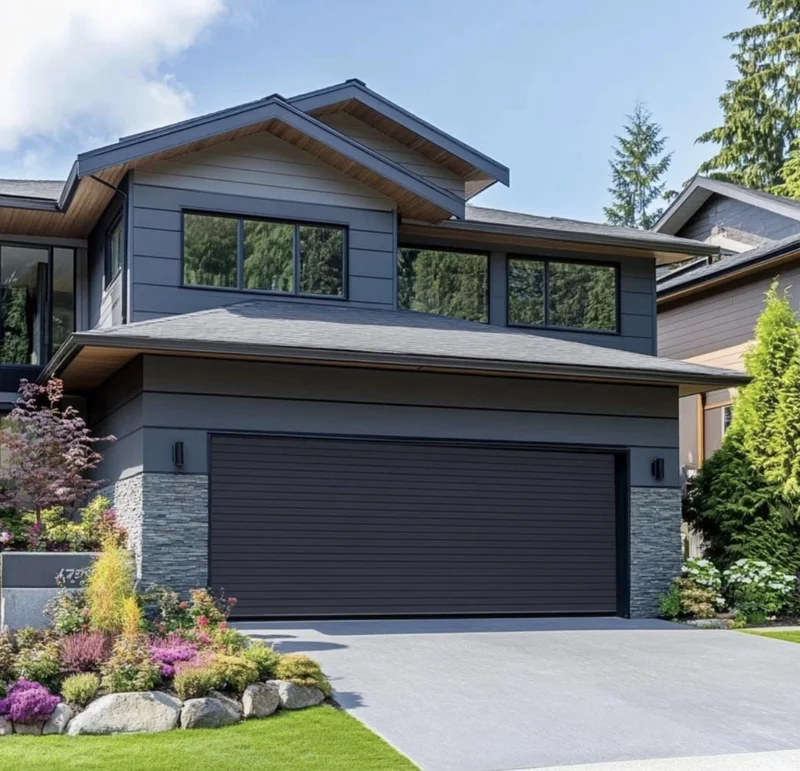
Weather resistance is where vinyl excels in diverse climates. The surface is inherently non-porous, preventing moisture absorption that leads to warping or delamination. UV-stabilized formulations resist fading, chalking, and surface degradation even under prolonged sun exposure. In freeze-thaw cycles, vinyl maintains dimensional stability without embrittlement, while in high-humidity or coastal environments, it remains impervious to salt spray and corrosion. This resilience ensures consistent appearance and functionality across seasons with no need for painting, sealing, or chemical treatments.
-
Maintenance requirements remain minimal post-installation. Routine cleaning with mild detergent and water preserves surface integrity and curb appeal. Unlike wood, which requires periodic refinishing, or steel, which demands vigilance against rust, vinyl doors retain color and finish without intervention. This low upkeep profile directly translates into reduced ownership costs and fewer service calls—critical advantages for rental property portfolios where operational efficiency and tenant satisfaction are paramount.
-
For property owners managing multiple units, the combination of rapid installation, exceptional longevity, and climate resilience makes vinyl a strategically sound investment. It reduces lifecycle costs, enhances property turnover speed, and supports consistent aesthetic standards across rental assets.
Frequently Asked Questions
What are the primary benefits of vinyl garage doors for rental properties?
Vinyl garage doors offer exceptional durability, resistance to dents and corrosion, and require minimal upkeep—making them ideal for rental properties where landlord maintenance costs and tenant turnover are concerns. They do not need painting, resist fading from UV exposure, and are impervious to rust and rot, reducing long-term maintenance expenses.
How do vinyl garage doors compare to steel and wood in terms of maintenance?
Unlike steel doors that can dent and rust or wooden doors that require sealing, staining, and painting, vinyl garage doors are virtually maintenance-free. They resist moisture, insects, and weather damage, eliminating the need for regular treatments or repairs common with wood and steel alternatives.
Are vinyl garage doors energy-efficient for rental units?
Yes, many vinyl garage doors are constructed with insulated vinyl or combined with insulating foam cores, providing improved thermal performance. This helps regulate indoor temperatures in attached garages, potentially reducing strain on HVAC systems in rental units and contributing to tenant comfort and energy savings.
Can vinyl garage doors withstand extreme weather conditions?
High-quality vinyl garage doors are engineered to endure harsh weather, including intense sunlight, heavy rain, snow loads, and temperature fluctuations. They resist cracking in cold climates and do not warp or degrade under prolonged UV exposure, which is critical for rental properties in diverse climates.
Do vinyl garage doors enhance curb appeal for rental homes?
Absolutely. Vinyl doors come in a variety of finishes and styles that mimic wood grain or offer modern aesthetics, enhancing a property’s exterior without ongoing upkeep. A well-maintained, attractive garage door boosts curb appeal, helping landlords attract and retain quality tenants.
Are vinyl garage doors resistant to forced entry, a concern for rental properties?
Many vinyl garage doors are reinforced with internal support structures or composite materials to provide robust security. When paired with high-quality locking mechanisms and smart garage openers, they offer dependable protection comparable to steel doors, deterring break-ins—an essential feature for rental security.
What is the average lifespan of a vinyl garage door in a rental setting?
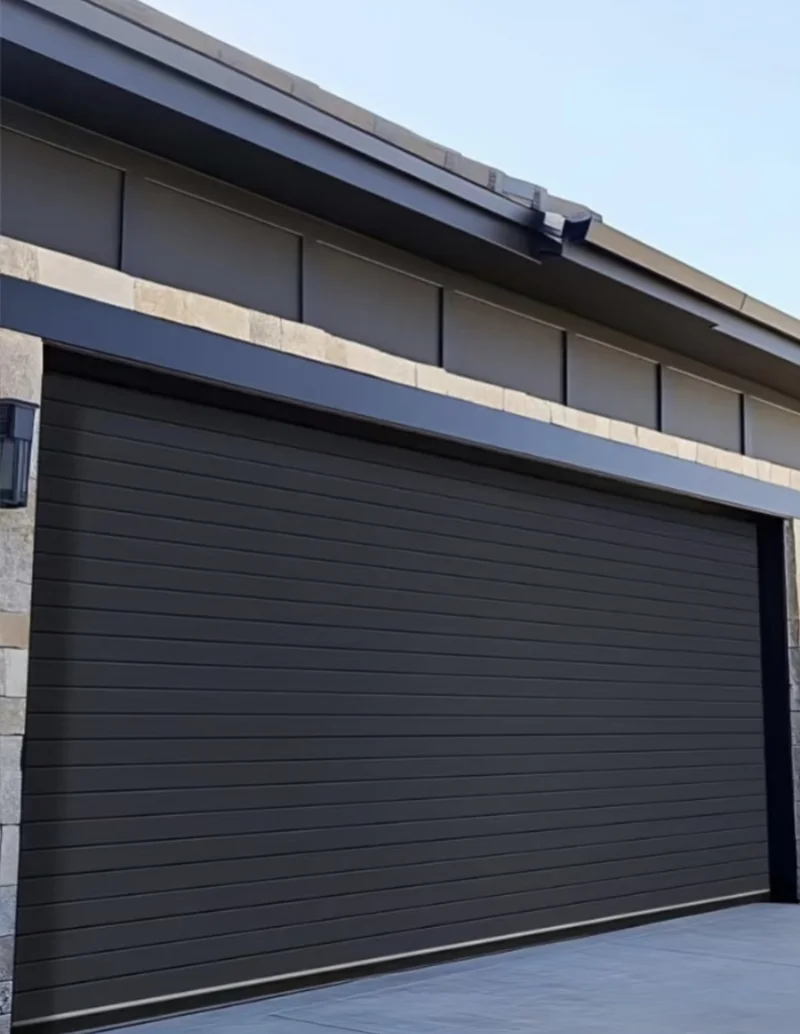
Vinyl garage doors typically last 20–30 years with minimal degradation, outlasting wood and some steel models—especially under frequent use and limited maintenance common in rental environments. Their resilience to environmental stresses ensures long-term performance and cost efficiency.
Can vinyl garage doors be customized for different architectural styles?
Yes, manufacturers offer vinyl garage doors in multiple panel designs, colors, and textures, including carriage-house and contemporary styles. This flexibility allows property managers to match the door to a home’s aesthetic, maintaining neighborhood standards and property value.
How do insurance companies view vinyl garage doors for rental properties?
Insurers often view vinyl garage doors favorably due to their durability and resistance to weather damage and break-ins. This can lead to lower risk profiles for rental properties, potentially qualifying landlords for reduced premiums, especially in storm-prone areas.
Is installation of vinyl garage doors more complex than other types?
Installation is comparable to steel or wood doors and is typically handled by professional garage door technicians. Most vinyl models are lightweight yet rigid, facilitating easier handling and reducing structural support requirements—an advantage for retrofitting older rental units.
Do vinyl garage doors require special cleaning or care?
No special cleaning is required—only occasional washing with mild soap and water removes dirt and debris. Avoid harsh chemicals or pressure washing, which can damage surfaces. Their non-porous nature prevents mold and mildew buildup, ideal for low-touch property management.
Are there eco-friendly advantages to using vinyl garage doors in rentals?
Modern vinyl garage doors often incorporate recyclable materials and require no paint or chemical treatments during their lifespan, reducing environmental impact. Their longevity also means fewer replacements and less waste, aligning with sustainable property management practices.