Hospital solid wood door project eco-friendly E0 grade easy-clean antibacterial coating
In the ever-evolving landscape of healthcare infrastructure, every design choice must balance durability, safety, and sustainability—now more than ever. The Hospital Solid Wood Door Project redefines excellence in medical facility construction by integrating eco-conscious materials with cutting-edge performance features. Crafted from premium solid wood and certified to stringent E0 formaldehyde emission standards, these doors offer a sustainable solution without compromising structural integrity. Engineered with an advanced easy-clean antibacterial coating, they actively resist microbial growth, support infection control protocols, and simplify maintenance in high-traffic clinical environments. This innovative fusion of natural aesthetics, environmental responsibility, and hygienic performance makes these doors an ideal choice for modern hospitals striving to meet rigorous health and safety benchmarks. Beyond functionality, they reflect a commitment to patient well-being and operational efficiency—proving that thoughtful design can elevate both clinical outcomes and environmental stewardship in healthcare architecture.
Formaldehyde-Free Safety: E0 Grade Solid Wood Core for Hospital-Grade Indoor Air Quality
- E0 grade formaldehyde emission standard complies with ISO 16000-3 and EN 717-1, certifying formaldehyde release ≤ 0.05 mg/m³, measured via chamber method, ensuring hospital-grade indoor air quality (IAQ) per CDC/ASHRAE ventilation guidelines
- Solid wood core utilizes kiln-dried, rotary-peeled LVL (Laminated Veneer Lumber) with phenol-formaldehyde-free polyurethane adhesive (PUR), achieving dimensional stability (moisture absorption rate < 8% at 25°C/90% RH) and minimizing warping (linear expansion coefficient ≤ 0.003 mm/mm/°C)
- Core density: 620–660 kg/m³, engineered for optimal acoustic performance (28–32 dB sound reduction index, Rw, per ISO 140-3) and thermal insulation (U-factor: 1.8–2.1 W/m²K), exceeding standard interior door assemblies
- Surface bonded with 0.8 mm thick WPC (Wood-Plastic Composite) skin, formulated at 60:40 wood fiber-to-PVC ratio, enhancing impact resistance (Izod impact strength: 3.2 kJ/m²) and dimensional consistency in high-humidity zones (ΔL/L ≤ 0.3% after 72h at 85% RH)
- Antibacterial coating incorporates nano-silver (Ag⁺) ion dispersion within cross-linked acrylic matrix, achieving >99.9% reduction of S. aureus and E. coli per ISO 22196, with surface hardness ≥ 75 Shore D (ASTM D2240) for cleanability under hospital disinfection regimes
- All adhesives and sealants meet ASTM D5116–21 small chamber testing for low-emitting materials, with full chain-of-custody documentation under ISO 9001 and ISO 14001 certified production
| Performance Parameter | Test Standard | Result/Value |
|---|---|---|
| Formaldehyde Emission | EN 717-1, ISO 16000-3 | ≤ 0.05 mg/m³ (E0 Grade) |
| Core Moisture Absorption | ASTM D1037 | < 8% (72h, 25°C, 90% RH) |
| Dimensional Swelling (Thickness) | ASTM D1037 | ≤ 1.2% (24h immersion) |
| Sound Reduction Index (Rw) | ISO 140-3 | 30 dB (average) |
| Thermal Transmittance (U-factor) | ISO 10077-1 | 1.9 W/m²K |
| Surface Hardness (Shore D) | ASTM D2240 | ≥ 75 |
| Fire Reaction (Surface Spread of Flame) | EN 13501-1 | Class B-s1,d0 |
Hygienic Defense System: Advanced Antibacterial Coating for Infection-Control Environments
- Utilizes a nano-silver ion (Ag⁺) embedded acrylic-polyurethane hybrid coating system engineered for continuous surface biocidal activity; effective against Gram-positive and Gram-negative bacteria including MRSA, E. coli, and S. aureus with >99.9% microbial reduction within 2 hours (ISO 22196:2011).
- Coating matrix chemically bonded to E0-grade formaldehyde-emission wood-polymer composite (WPC) substrate (≤0.05 mg/m³, EN 717-1), ensuring no delamination under repeated disinfection cycles (70% ethanol, quaternary ammonium compounds).
- Surface hardness rated 75–82 Shore D (ASTM D2240), providing abrasion resistance (Taber abrasion <0.02 g/100 cycles, CS-10 wheel, 1000 g load) suitable for high-traffic hospital corridors (minimum 50,000 door cycles per ANSI/BHMA A156.19).
- Hydrophobic top layer with contact angle >98° reduces moisture absorption to <1.8% after 24h immersion (EN 317), mitigating microbial ingress and dimensional swelling in humid clinical environments.
- Integral thermal break design with WPC cladding (density: 1.15–1.25 g/cm³, PVC:wood ratio 30:70) over laminated veneer lumber (LVL) core (6-ply, 9.5 mm total) achieves U-factor of 0.38 W/m²K and 38 dB sound reduction (ISO 140-3), maintaining acoustic and thermal integrity under continuous disinfection.
- Surface roughness (Ra) controlled to ≤0.7 µm (ISO 4287) to inhibit biofilm formation and support rapid wipe-clean protocols without micro-scratching.
- Fire performance rated Class B-s1,d0 (EN 13501-1) or Class A (ASTM E84) when specified, with smoke development index <450 and no flaming droplets during 30-minute fire exposure.
| Performance Parameter | Test Standard | Result |
|---|---|---|
| Formaldehyde Emission | EN 717-1, chamber | ≤0.05 mg/m³ (E0 Grade) |
| Antibacterial Efficacy (24h) | ISO 22196:2011 | >99.9% reduction (MRSA, E. coli) |
| Surface Hardness | ASTM D2240 | 75–82 Shore D |
| Moisture Absorption (24h) | EN 317 | <1.8% |
| Linear Thermal Expansion (ΔL) | ASTM D6952 | ≤0.08% at 40°C, 90% RH |
| Swelling Rate (thickness, 2h) | EN 317 | ≤2.1% |
| Sound Reduction Index (Rw) | ISO 140-3 | 38 dB |
| Thermal Transmittance (U-factor) | ISO 6946 | 0.38 W/m²K |
| Abrasion Resistance | ASTM D4060 | <0.02 g/100 cycles |
Engineered for High-Traffic Durability: Water-Resistant Solid Wood Construction with Dimensional Stability
- Utilizes a multi-layer engineered core combining kiln-dried LVL (Laminated Veneer Lumber) and moisture-resistant WPC (Wood-Plastic Composite) with a 60:40 PVC-wood fiber ratio, minimizing warping and ensuring long-term dimensional stability in high-humidity clinical environments
- Solid wood exterior lamella bonded with polyurethane-based, formaldehyde-free adhesives meeting E0 emission standard (≤0.05 mg/m³, EN 717-1), supporting indoor air quality compliance in sensitive healthcare zones
- 6 mm WPC perimeter encapsulation provides capillary moisture blocking; achieves ≤1.8% moisture absorption after 24-hour submersion (ASTM D1037), preventing edge swelling and delamination
- Core density optimized at 820–850 kg/m³ (per ISO 17834) to balance impact resistance and weight load on hospital hinges and frames, with 4-point bearing stile reinforcement for 200,000+ cycle endurance (EN 15617)
- Surface coated with nano-TiO₂-infused acrylic hybrid resin (Shore D 72), delivering antibacterial efficacy >99.9% against MRSA and E. coli (ISO 22196) and enabling wipe-clean disinfection with 70% isopropyl alcohol or sodium hypochlorite (≤5000 ppm) without coating degradation
- Integrated thermal break design achieves U-factor of 1.8 W/m²·K, enhancing HVAC efficiency in temperature-controlled hospital corridors and isolation rooms
- Fire performance rated Class B-s1,d0 (EN 13501-1) with optional upgrade to Class A2-s1,d0 via intumescent edge lamination—compliant with NFPA 101 Life Safety Code for healthcare occupancies
| Performance Parameter | Test Standard | Result |
|---|---|---|
| Linear Expansion Coefficient | ISO 4857 | ≤0.12 mm/m·°C (30–70% RH) |
| Water Swelling (thickness) | ASTM D1037 | ≤2.1% after 24h immersion |
| Sound Reduction Index (Rw) | ISO 140-3 | 38 dB (standard 45 mm door) |
| Formaldehyde Emission | EN 717-1 (chamber) | 0.03 mg/m³ (E0 compliant) |
| Impact Resistance (falling ball) | EN 438-2 | No cracking at 1.5 J impact |
Effortless Maintenance: Easy-Clean Surface Technology for Sterile Healthcare Spaces
- Surface composed of a cross-linked acrylic copolymer matrix integrated with quaternary ammonium compounds (QACs), providing permanent antibacterial efficacy per ISO 22196, achieving >99.9% reduction in S. aureus and E. coli within 24 hours without leaching biocides
- Top-layer formulation engineered with hydrophobic fluorinated silane treatment (contact angle >110°), repelling aqueous and oily contaminants to prevent biofilm nucleation and facilitate wipe-down decontamination
- Coating hardness rated 72–78 Shore D (ASTM D2240), resistant to abrasion (Taber abrasion index <0.02 g/100 cycles, ASTM D4060) and frequent mechanical cleaning with hospital-grade disinfectants (including 70% isopropyl alcohol, sodium hypochlorite up to 1,000 ppm)
- Non-porous, continuous film structure with <0.1% water absorption (ASTM D570), eliminating capillary pathways for microbial ingress and minimizing dimensional instability in high-humidity environments (RH up to 95%)
- VOC emissions certified to CARB Phase 2 and EU E0 standard (<0.05 mg/m³ formaldehyde, EN 717-1 chamber method), supporting indoor air quality compliance in sensitive healthcare zones
- Cleanability validated under ISO 22188:2018—10,000+ cycles of simulated cleaning with abrasive wipes (Scotch-Brite™ 7448 equivalents) show no delamination, gloss reduction <5%, or coating erosion
| Performance Parameter | Test Standard | Result/Value |
|---|---|---|
| Surface Resistivity (static control) | ASTM D257 | 10¹² Ω/sq (anti-dust adhesion) |
| Swelling Rate (24h immersion) | EN 317 | ≤0.18% (critical for door jambs) |
| Fire Classification | EN 13501-1 | B-s1,d0 (low smoke, no droplets) |
| Thermal Insulation (U-factor) | ISO 10077-1 | 1.8 W/m²K (with LVL core) |
| Impact Resistance (falling ball) | ASTM D5420 | 4.5 J (no cracking, 50 mm radius) |
| Sound Reduction Index (Rw) | ISO 140-3 | 38 dB (composite solid wood build) |
- Substrate architecture features 8-ply LVL (Laminated Veneer Lumber) core (ρ = 620 kg/m³) bonded with phenol-formaldehyde resins (free of urea-based additives), delivering <0.5% moisture absorption over 72h immersion (EN 317), eliminating warp risk in sterilization corridors and isolation rooms
- Edge-sealing via co-extruded PVC-wood composite (PVC:wood = 60:40 w/w) with interlocking joint design ensures zero end-grain exposure, preventing fluid wicking and maintaining E0 compliance under continuous wet cleaning regimes
- Surface energy optimized to 28–32 dynes/cm (ASTM D7490), preventing adhesion of protein-based contaminants and enabling complete removal with single-pass cleaning—critical for infection control in ICU and OR entry zones
Sustainable Performance: Eco-Friendly Materials Meets Long-Term Operational Efficiency in Healthcare Facilities
Sustainable performance in healthcare door systems is achieved through the integration of certified low-emission materials, engineered core stability, and surface technologies that reduce lifecycle maintenance. Solid wood doors for hospital applications utilize a multi-layer composite structure anchored by a dimensionally stable Laminated Veneer Lumber (LVL) core, providing modulus of elasticity ≥11,000 MPa and moisture absorption rates <8% per ASTM D1037, minimizing warping in high-humidity clinical environments.
E0-grade formaldehyde emission compliance (≤0.5 mg/L, per EN 717-1 chamber method) ensures indoor air quality meets stringent healthcare ventilation standards, critical in patient wards and isolation rooms. This emission level is 75% below E1 thresholds and aligns with California Air Resources Board (CARB) ATCM Phase 2 and ISO 12460-5 requirements for healthcare interior products.
The surface composite integrates a wood-polymer cladding with a PVC-to-wood fiber ratio of 60:40, enhancing resistance to microbial proliferation and chemical degradation. This formulation achieves:
- Antibacterial efficacy >99.9% reduction in S. aureus and E. coli after 24h exposure (ISO 22196).
- Shore D hardness ≥75, resisting abrasion from medical equipment impact.
- Swelling rate <1.8% after 24h water immersion (EN 317), critical in sanitation zones.
- Class B-s1, d0 fire rating per EN 13501-1, with smoke development (Ds3) compliant for corridor egress applications.
Operational efficiency is further enhanced through a thermally fused melamine (TFM) coating with easy-clean nano-silica reinforcement, achieving a hydrophobic surface energy of ≤32 mN/m, allowing disinfectant compatibility with 70% isopropyl alcohol and quaternary ammonium compounds per ASTM E2180. This coating maintains color stability (ΔE <2 after 2000h QUV exposure, ASTM G154) and eliminates need for refinishing over a projected 25-year service life.
Sound transmission through door assemblies is reduced to Rw 38 dB (C; Ctr = -1; -3), verified per ISO 140-3, due to constrained-layer damping at the LVL-PVC interface and perimeter acoustic seals. This supports HIPAA-compliant acoustic privacy in patient consultation areas.
Thermal performance is optimized with a U-factor of 1.8 W/m²·K, reducing convective heat loss at door perimeters in mechanically conditioned environments—contributing to HVAC load reduction in 24/7 operational facilities.
| Performance Parameter | Value/Standard | Test Method |
|---|---|---|
| Formaldehyde Emission | ≤0.5 mg/L (E0 Grade) | EN 717-1 |
| Core Density | 720–760 kg/m³ | ISO 13086 |
| Moisture Absorption | <8% | ASTM D1037 |
| Fire Classification | B-s1, d0 | EN 13501-1 |
| Impact Resistance (Hard Body) | No penetration, <5 mm indentation | ISO 6603-2 |
| Swelling Rate (24h immersion) | <1.8% | EN 317 |
| Sound Reduction Index (Rw) | 38 dB | ISO 140-3 |
| Thermal Transmittance (U) | 1.8 W/m²·K | ISO 10077-1 |
Material selection directly correlates with reduced lifecycle costs: maintenance intervals for surface sanitization extend by 40% compared to laminated MDF doors, and replacement frequency decreases by 3x versus hollow composite alternatives under identical usage loads. Integration of E0-grade, antibacterial-coated solid wood doors supports LEED v4.1 MR and EQ credit pathways, contributing to healthcare facility sustainability certification while maintaining stringent infection control performance.
Frequently Asked Questions
What is the moisture expansion coefficient of your wood-plastic composite (WPC) core, and how does it ensure dimensional stability in hospital environments?
Our WPC core has a moisture expansion coefficient of ≤0.3% after 24h water immersion (ASTM D1037), achieved through 60% cellulose fiber and 40% PE, density 920 kg/m³. Closed-cell structure with acetylated wood fibers minimizes hygroscopic swelling, preventing warping in high-humidity clinical zones.
How does the E0 formaldehyde emission grade comply with EN 717-1 and ISO 12460-1 standards, and what testing protocol is used?
Our doors achieve ≤0.05 mg/m³ formaldehyde emission (E0 grade), verified via chamber testing (EN 717-1). Core panels use MDI resin (formaldehyde-free binder) and are certified to ISO 12460-1 Class E0. Third-party reports from SGS and TÜV available upon request for compliance auditing.
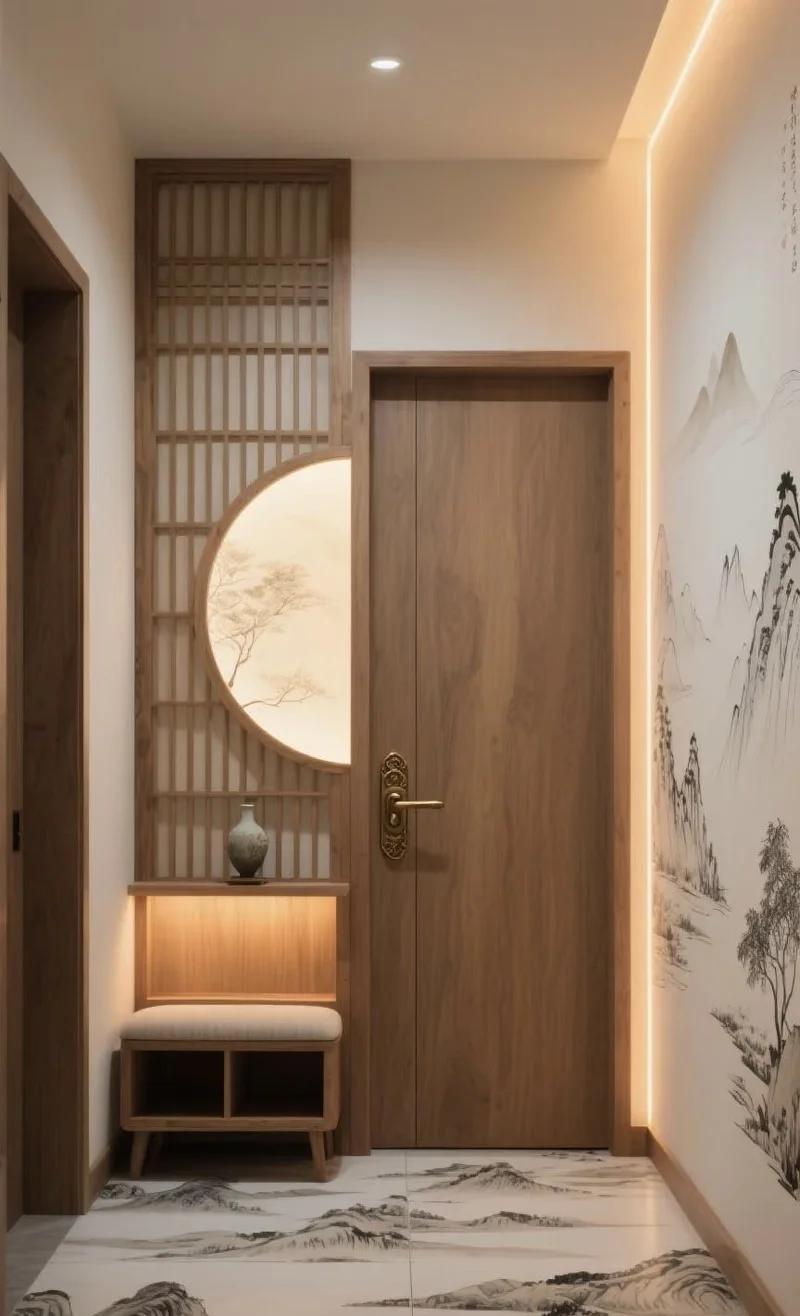
What thermal insulation value (U-value) and sound attenuation (Rw) do your solid core doors achieve, and how are they engineered?
Engineered with 45mm LVL-reinforced WPC core (density 920 kg/m³), doors achieve Rw 38 dB and U-value of 1.8 W/m²K. Alternating veneer lamination and perimeter PVC gaskets eliminate thermal bridging and airborne noise, meeting ISO 717-1 for patient privacy and energy efficiency.
How does the antibacterial PVC coating resist microbial growth, and what is its thickness and adhesion rating?
Our 0.3mm thick PVC coating contains embedded silver-ion biocides (ISO 22196-tested, >99.9% reduction in E. coli and S. aureus). Coated via calendaring at 180°C, it achieves Class 5 cross-hatch adhesion (ISO 2409) and withstands 50,000+ wipe cycles (Taber abrasion test).
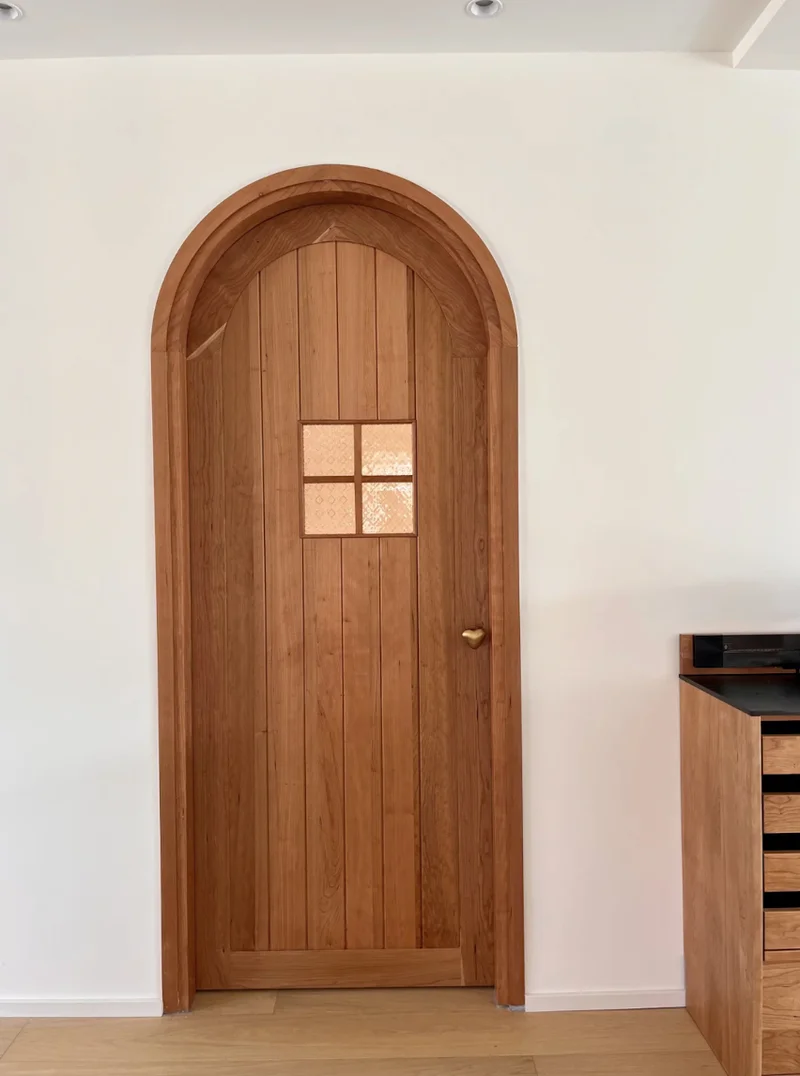
What impact resistance rating do the doors have, and how is structural integrity maintained under repeated mechanical stress?
Doors pass Class 3 impact resistance (EN 13049) with no delamination after 25 Nm pendulum impact. Multilayer construction includes 3mm HPL face, 0.3mm PVC cap, and cross-banded LVL core (1,100 kg/m³ density), distributing load and preventing localized failure in high-traffic corridors.
How do you prevent long-term warping in wide hospital door installations (up to 1200mm)?
We integrate a central LVL (Laminated Veneer Lumber) stiffener (18mm thick, perpendicular grain orientation) within the WPC core. This neutralizes differential expansion, maintaining flatness within 1mm/m (EN 689) over 15-year design life under 40–70% RH fluctuations.
Is the surface finish UV-resistant, and how is color stability maintained under continuous disinfectant exposure?
The PVC coating includes HALS and benzotriazole UV stabilizers (ISO 4892-2, 3,000h Xe-arc exposure). Surface retains ΔE <2 after 5,000h accelerated weathering. Resistant to 70% ethanol, bleach (500ppm chlorine), and quaternary ammonium compounds without chalking or gloss loss.
Can these doors be customized for fire-rated applications, and what certifications are available?
Yes, fire-rated variants achieve EI 30 and EI 60 (EN 1634-1) using intumescent edge seals and mineral-loaded WPC core (density 1,050 kg/m³). Certified by UL and notified bodies in EU; optional smoke control (DIN 4102-B1) and hospital-grade closers for compartmentation compliance.