Resort solid wood door procurement weather-resistant outdoor/indoor supporting
In the world of hospitality design, every detail contributes to the guest experience, and the entryway sets the critical first impression. Procuring the right solid wood door for a resort is not merely a purchase; it is a strategic investment in ambiance, durability, and seamless operation. These doors must perform a delicate dual role: standing as a majestic, natural welcome that embodies rustic luxury, while also serving as a steadfast barrier against the elements in outdoor applications. This demands a focus on exceptional weather-resistant engineering—materials and finishes that repel moisture, resist warping, and endure sun exposure without compromising aesthetic integrity. Ultimately, successful procurement hinges on sourcing doors that offer unwavering support for both indoor refinement and outdoor resilience, ensuring beauty and performance are in perfect harmony for years to come.
Engineered for Extreme Weather Resilience: How Our Solid Wood Doors Withstand Outdoor Elements
Our engineered solid wood doors are not simply protected against weather; they are systematically designed from the core outward to resist, manage, and recover from extreme environmental stress. This resilience is achieved through a multi-layered defense system integrating advanced composites, precision engineering, and rigorous performance validation.
Core Structural Integrity & Dimensional Stability
The primary failure point in solid wood doors is core movement. Our solution is a hybrid engineered core:
- Stabilized LVL (Laminated Veneer Lumber) Core: Cross-banded veneers with phenolic adhesives create a monolithic panel with minimal cross-grain expansion. This core provides a predictable, stable substrate with superior racking resistance compared to solid timber blocks.
- Integrated WPC (Wood-Plastic Composite) Frame: A perimeter frame of high-density WPC (≥1.2 g/cm³) acts as a moisture and thermal barrier. Its low linear expansion coefficient (<0.05% per °C) and near-zero water absorption (<0.5%) lock the door’s dimensions, preventing warping at the edges.
Surface & Edge Defense System
The door’s exterior faces a direct onslaught of UV, precipitation, and thermal cycling. Our material specification is calibrated for this exposure.
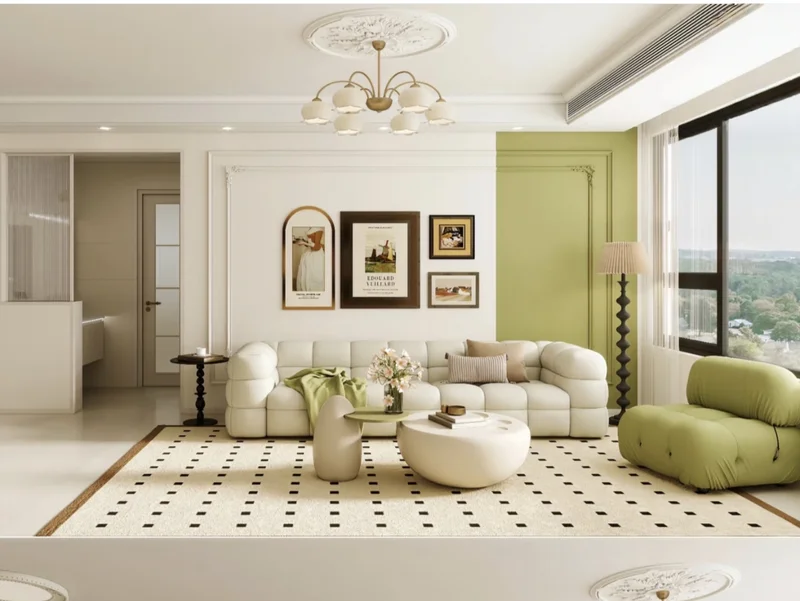
- High-Pressure Laminate (HPL) or PVC-Wood Alloy Cladding: These are not veneers; they are engineered wear layers. We utilize cladding with a minimum 0.7mm thickness, a PVC-to-wood fiber ratio optimized for flexibility and impact resistance, and a UV-stabilized topcoat. Performance exceeds 1,500 hours of QUV-B accelerated weathering testing without significant fade or checking.
- Full-Perimeter Edge Sealing: All six sides of the door assembly are sealed with a proprietary polymerized coating, applied via vacuum impregnation. This creates a continuous membrane, critical for preventing capillary water ingress at the most vulnerable plane.
Validated Performance Metrics
Our doors are subjected to and certified against international standards, providing quantifiable performance data for architectural specifications.
| Performance Parameter | Test Standard | Performance Grade / Result | Functional Implication |
|---|---|---|---|
| Moisture Absorption & Swelling | ASTM D1037 | ≤8% thickness swell (24hr immersion) | Exceptional dimensional recovery after saturation; prevents binding in frames. |
| Thermal Insulation (U-Factor) | EN 12412-2 / ASTM C1363 | U = 1.2 W/m²·K (for standard glazing unit) | Reduces thermal bridging at door perimeter, critical for energy-efficient building envelopes. |
| Fire Resistance | EN 13501-2 / ASTM E84 | Class B-s1, d0 / Flame Spread ≤75 | Meets stringent resort safety codes for egress and compartmentalization. |
| Formaldehyde Emissions | EN 16516 / ASTM E1333 | E0 Grade (<0.05 ppm) | Ensures superior indoor air quality for sensitive environments. |
| Surface Hardness | ASTM D2240 | Shore D Scale: 75-80 | Resists denting from impact and abrasion in high-traffic resort settings. |
Functional Advantages for Resort Environments:
- Salt-Spray & Coastal Climate Resistance: The material system is formulated to resist chloride ion penetration, preventing metallic fastener corrosion and surface degradation.
- Thermal Cycling Endurance: The differential expansion rates between core, cladding, and sealing components are engineered to be complementary, preventing delamination or stress cracking across a -20°C to +50°C service range.
- Maintenance & Longevity: The system requires no periodic sealing or varnishing. Cleaning involves only mild detergents, drastically reducing lifecycle maintenance costs compared to traditional varnished solid wood doors.
Our doors are specified with a comprehensive technical data sheet, third-party test reports, and installation protocols to ensure the designed performance is fully realized on-site.
Seamless Indoor-Outdoor Integration: Versatile Design for Resort and Commercial Applications
Seamless integration between interior and exterior spaces is a core architectural principle for modern resorts and commercial projects, demanding door systems that perform identically in both environments. This requires a hybrid engineered wood solution, moving beyond traditional solid wood to achieve true performance parity. The core technology lies in a multi-laminate construction, typically featuring a stabilized LVL (Laminated Veneer Lumber) core, encapsulated by high-density WPC (Wood-Plastic Composite) or a mineral-reinforced polymer cladding.
Core Technical Advantages for Integrated Environments:
- Dimensional Stability: The cross-laminated LVL core provides a torsional stability coefficient of <1.5mm/m under 65% RH cyclin, critically preventing warping or binding in track systems that span climate-controlled interiors to humid, sun-exposed exteriors.
- Unified Aesthetic Performance: Advanced UV-cured acrylic or polyurethane finishes with full-spectrum UV inhibitors are applied in controlled factory conditions. This ensures a Colorfastness rating of ΔE<2.0 (ASTM D2244) after 2000 hours of QUV-B exposure, guaranteeing that interior and exterior doors maintain identical color and grain definition.
- Consistent Thermal & Acoustic Barrier: The engineered core and sealed edge design provide a consistent U-factor (typically 1.2-1.6 W/m²K) and sound reduction (Rw 28-32 dB, tested to EN ISO 10140-2) regardless of installation location, maintaining envelope integrity.
- Hygroscopic Inertia: The WPC cladding layer exhibits a moisture absorption rate of <0.8% by volume (24h immersion, ASTM D570), effectively decoupling the door from ambient humidity fluctuations. This is paramount for installations leading to pool areas, spas, or coastal environments.
Performance Specification Table for Procurement:
The following table outlines key technical parameters that must be specified to ensure seamless indoor-outdoor performance.
| Parameter | Standard / Test Method | Indoor-Outdoor Performance Target | Importance for Integration |
|---|---|---|---|
| Swelling Rate (Thickness) | EN 317 | ≤ 1.8% (24h water immersion) | Prevents jamming in continuous multi-door slider or pivot systems. |
| Surface Hardness | ASTM D2240 (Shore D) | ≥ 75 | Ensures identical resistance to impact and abrasion from both guest traffic and exterior elements. |
| Fire Performance | EN 13501-1 / ASTM E84 | Class B/s2-d0 or Class C | Provides uniform fire compartmentalization ratings for the entire opening assembly. |
| Formaldehyde Emission | EN 16516 / ASTM E1333 | E0 or ≤ 0.05 ppm (equivalent) | Mandatory for maintaining indoor air quality (IAQ) standards when doors are used internally. |
| Thermal Transmittance (U-Factor) | EN ISO 10077-2 / ASTM C1363 | ≤ 1.5 W/m²·K | Critical for energy code compliance and preventing thermal bridging at the building envelope transition. |
Architectural & Specification Considerations:
For true integration, the door is merely the central component of a fully engineered system. Specify factory-pre-finished door and frame sets with integrated multi-point locking and concealed hardware channels. The threshold design is critical: opt for thermally broken, low-profile sill systems with a maximum height of 12mm and a compression seal to ensure ADA/accessibility compliance while maintaining weatherproofing (minimum IP54 rating, EN 14351-2). All hardware, including hinges and track systems for sliding configurations, must be marine-grade stainless steel (AISI 316 minimum) with a consistent finish across all doors. Procurement must be tied to a singular, audited supply chain (ISO 9001 certified) to guarantee batch-to-batch consistency in color, texture, and mechanical performance for every door in the project, interior and exterior.
Structural Stability and Longevity: Core Construction for High-Traffic Durability
The structural integrity of a resort door is defined by its core construction, which must withstand constant mechanical stress, environmental cycling, and high-frequency use without compromising performance or safety. For weather-resistant outdoor/indoor applications, this necessitates a hybridized material strategy that surpasses the limitations of traditional solid wood.
Core Material Engineering & Composite Technology
The shift from monolithic solid wood to engineered cores is critical for dimensional stability. The primary failure modes in high-traffic environments—warping, twisting, and joint fatigue—are mitigated through advanced composite substrates.
- Laminated Veneer Lumber (LVL) Core: Provides a dimensionally stable, high-strength substrate with consistent grain orientation, eliminating the natural movement found in solid timber. Its cross-laminated structure resists internal stresses caused by humidity fluctuations.
- High-Density WPC (Wood-Plastic Composite) Core: Engineered for maximum moisture resistance and decay immunity. Optimal performance is achieved at densities exceeding 1.2 g/cm³, with a polymer-to-wood flour ratio carefully calibrated to balance structural rigidity (Shore D hardness >75) and low thermal expansion.
- Integrated Reinforcement: Strategic placement of galvanized steel or aluminum alloy reinforcement channels within the core at hinge and lock points is non-negotiable for doors in excess of 2.4m in height or subjected to institutional-grade traffic.
Performance Parameters & Technical Standards
Longevity is quantifiable. Procurement specifications must mandate verification against the following international benchmarks:
| Parameter | Standard / Grade | Performance Target for High-Traffic Resort Doors | Rationale |
|---|---|---|---|
| Dimensional Stability (Swelling) | EN 317 / ASTM D1037 | Thickness Swelling Rate ≤ 1.2% (24h water immersion) | Ensures door does not bind in frame during extreme weather events. |
| Formaldehyde Emission | EN 16516 / JIS A 1460 | E0 or Super E0 Grade (≤ 0.025 mg/m³) | Critical for indoor air quality in connected resort spaces. |
| Fire Performance | EN 13501-1 / ASTM E84 | Class B/s2-d0 or better; Flame Spread Index ≤ 75 | Provides compartmentation and safe egress time. |
| Sound Insulation | EN ISO 10140-2 | Weighted Sound Reduction (Rw) ≥ 32 dB | Ensures acoustic privacy between suites and from exterior noise. |
| Thermal Insulation | EN ISO 8990 / ASTM C518 | U-Factor ≤ 1.2 W/m²·K | Reduces energy transfer at threshold to interior climate-controlled spaces. |
Functional Advantages of Engineered Core Construction
- Superior Load Distribution: Engineered cores uniformly distribute impact and dead loads, preventing sagging over time and ensuring consistent alignment with frames and hardware.
- Predictable Lifespan: Composite materials exhibit fatigue resistance that can be modeled, allowing for accurate lifecycle forecasting and maintenance scheduling, unlike solid wood which is subject to unpredictable checking and splitting.
- Moisture Ingress Management: A stable, low-absorption core acts as a failsafe. Even if the exterior finish is compromised, core swelling is minimized, preventing catastrophic failure and allowing for in-situ repair of the protective layer.
- Enhanced Fire & Safety Compliance: The homogeneous nature of engineered cores allows for precise integration of intumescent strips and the consistent achievement of certified fire ratings, a complex and costly endeavor with traditional solid wood construction.
Procurement Verification Protocol
Specifications must require third-party certification to ISO 9001 for manufacturing quality control, alongside test reports from accredited laboratories (e.g., ICC-ES, CE marking per CPR) for the core material’s physical and environmental performance. Factory audits should verify the lamination process, adhesive cure cycles, and the quality control of reinforcement integration.
Advanced Weather-Resistant Finishes: Protection Against Moisture, UV, and Temperature Fluctuations
Advanced weather-resistant finishes are engineered material systems that form a durable, protective barrier on solid wood door substrates. Their primary function is to mitigate dimensional instability and material degradation caused by environmental stress. For resort applications, where doors interface directly with coastal humidity, poolside moisture, intense solar radiation, and significant diurnal temperature swings, these finishes are non-negotiable for lifecycle performance.
The efficacy of a finish is determined by its chemical composition, application method, and dry film thickness. High-performance systems typically involve a multi-stage process: a penetrating stabilizing primer, a robust mid-coat for build and barrier properties, and a topcoat with specific functional additives.
Core Protective Mechanisms & Functional Advantages:
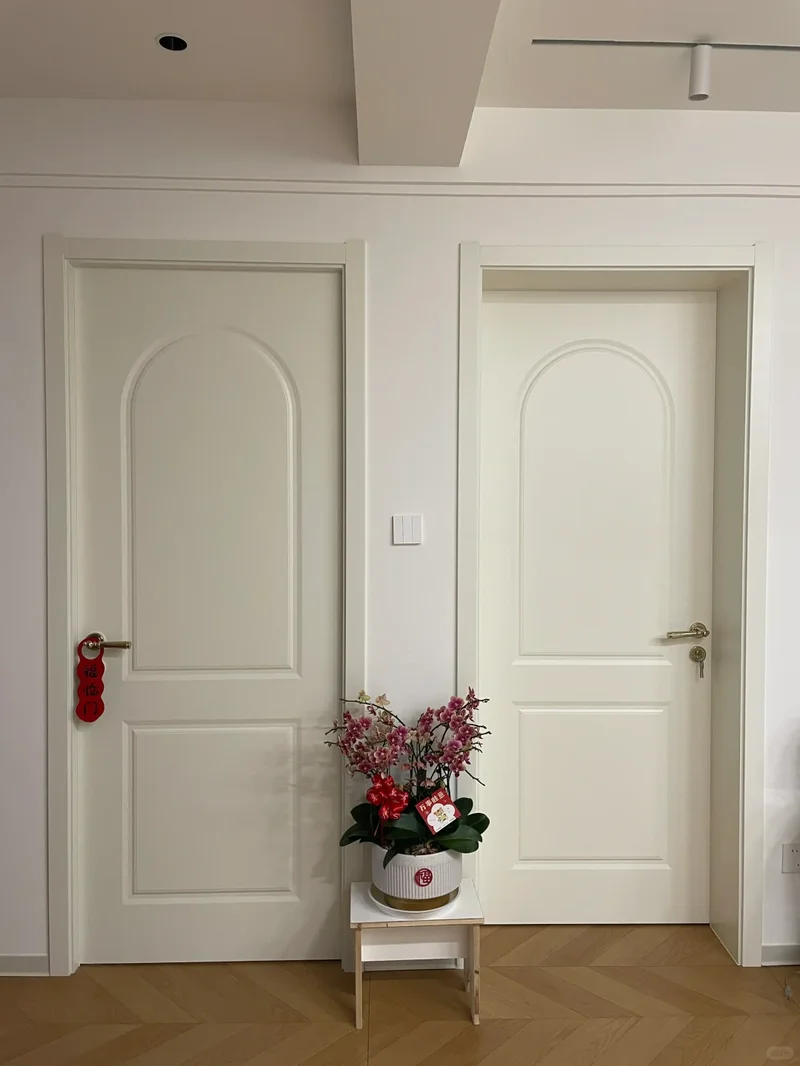
- Moisture Barrier: Creates a low-permeability vapor barrier, drastically reducing the door’s equilibrium moisture content (EMC) fluctuation. This minimizes swelling and cupping, with moisture absorption rates typically kept below 8% per ASTM D1037, compared to 25%+ in unfinished wood.
- UV Resistance: Incorporates advanced UV absorbers and Hindered Amine Light Stabilizers (HALS) within the film. This system filters harmful radiation and neutralizes free radicals, preventing resin breakdown, color fading (Delta E <2.5 after 1000 hours QUV testing per ASTM G154), and surface chalking.
- Thermal Buffering: High-build elastomeric finishes possess a low thermal conductivity and can expand/contract with the wood substrate (high elongation-at-break). This reduces thermal bridging at the door perimeter and mitigates stress cracking from repeated expansion/contraction cycles.
- Microbial Resistance: Integrated biocides and fungicides inhibit mold, mildew, and algal growth in perpetually damp environments, a critical requirement for pool, spa, and tropical locale installations.
- Abrasion & Impact Resistance: A high Shore D hardness rating (often >75) combined with elastic resilience protects against luggage impact, cleaning abrasion, and coastal sand abrasion.
Technical Performance Parameters:
The following table outlines key performance metrics for premium-grade weather-resistant finishes as applied to a stable LVL-core solid wood door substrate.
| Performance Characteristic | Test Standard | Premium Grade Threshold | Functional Implication |
|---|---|---|---|
| Water Vapor Transmission | ASTM E96 | < 2.5 perms | Excellent barrier, limits moisture ingress |
| Swelling Rate (Thickness) | ASTM D1037 | ≤ 8% after 24h immersion | Superior dimensional stability |
| QUV Weathering Resistance | ASTM G154 | > 1500 hours to slight chalking (Rating 8) | Long-term color & gloss retention |
| Cross-Cut Adhesion | ASTM D3359 | Class 5B (no detachment) | Ensures finish integrity under stress |
| Fungal Resistance | ASTM D3273 | Rating 10 (no growth) after 28 days | Prevents biological degradation |
| Thermal Cycling Stability | Custom (-20°C to +60°C, 50 cycles) | No cracking, checking, or delamination | Performance in extreme resort climates |
Architectural & Specification Considerations:
- Substrate Compatibility: The finish system must be chemically compatible with the door’s wood species, core (LVL/MDF), and any edge banding or glazing seals. Incompatibility is a primary failure point.
- Application Integrity: Factory-controlled application via automated spray and curing ovens ensures consistent dry film thickness (typically 120-180 microns total) and complete encapsulation, superior to any site-applied finish.
- Lifecycle & Maintenance: A correctly specified factory-applied finish system extends refinishing cycles to 8-12 years, even in harsh service, reducing total cost of ownership. Maintenance involves simple cleaning with pH-neutral detergents; abrasive cleaners will degrade the film.
- Compliance & Certification: Specify finishes that are independently certified to relevant standards, such as California Air Resources Board (CARB) ATCM for VOC content, and possess GREENGUARD Gold certification for indoor air quality, ensuring they meet strict chemical emission limits for enclosed resort spaces.
Technical Specifications and Customization Options for Precise Procurement
Core Material Specifications
Solid Wood & Engineered Core Options:
- Solid Hardwood (Teak, Iroko, Oak): Minimum density of 650 kg/m³. Heartwood content must exceed 80% for superior natural oil retention and dimensional stability. Grain orientation is critical for minimizing cupping.
- Laminated Veneer Lumber (LVL) Core: Engineered for maximum stability. Must comply with ANSI/HPVA LVL-1 or EN 14374. Cross-banded veneer construction with a minimum of 13 plies to resist warping under 85% RH cycling.
- Wood-Plastic Composite (WPC) Cladding/Components: Density range of 1.25-1.35 g/cm³. PVC-to-wood flour ratio must be precisely controlled (typically 60:40) to optimize UV stability and screw-holding capacity. Shore D hardness > 65.
Performance Standards & Certifications:
- Durability: Must meet or exceed EN 942 (timber in joinery) and relevant ASTM D1037 for accelerated weathering.
- Fire Safety: Class B-s2, d0 (EN 13501-1) or 20-minute fire-rated (ASTM E84, Flame Spread ≤ 25).
- Emissions: Formaldehyde emission not exceeding E0 (≤0.5 mg/L per JIS A 1460 or F****/CARB2) or E1 (≤0.124 mg/m³ per EN 16516).
- Quality Management: Manufacturing under ISO 9001:2015 with full traceability of material batches.
Technical Performance Parameters
| Parameter | Performance Grade | Test Standard |
|---|---|---|
| Moisture Absorption Rate | ≤ 12% (96-hour immersion) | EN 317 |
| Dimensional Stability (Swelling) | ≤ 2.5% (24hr water soak, thickness) | EN 317 / ASTM D1037 |
| Thermal Insulation (U-Factor) | 1.2 – 1.8 W/m²K (varies with core & thickness) | EN ISO 10077-1 / ASTM C1363 |
| Acoustic Insulation (Rw) | 28 – 35 dB (for 44mm+ constructions) | EN ISO 10140-2 |
| Surface Hardness | ≥ 4.0 N (Brinell) for hardwoods | EN 1534 |
Customization for Architectural Integration
Dimensional & Structural:
- Size Ranges: Standard single-leaf up to 1100mm x 2400mm. Custom oversized panels up to 1400mm x 3000mm achievable with reinforced hinge systems and structural LVL cores.
- Thickness Profiles: 40mm (standard interior), 44mm, 54mm (premium exterior/ acoustic). All exterior doors require a minimum 44mm full-perimeter structural stile and rail.
- Glazing: Insulated glass units (IGU) with warm-edge spacers, argon fill, and low-E coatings compatible with door movement. Must be set in silicone-free, compression-grade timber sub-frames.
Functional & Finish Engineering:
- Weather-Resistant Systems: Integrated, adjustable threshold seals (EPDM or thermoplastic) with a minimum IP44 rating for driving rain resistance. Full perimeter magnetic or compression gaskets.
- Hardware Preparation: CNC-machined mortises for multi-point locking systems (e.g., 3-point, 5-point). Reinforced hinge locations with stainless steel or galvanized steel reinforcement plates.
- Finish Options:
- Factory-Applied Catalyzed Varnish: Minimum 7-coat system (primer, sealers, topcoats) with UV inhibitors. Dry film thickness ≥ 120µm.
- Micro-Porous Stain/Oil: Penetrating treatment for dimensional wood movement, requiring specific substrate moisture content (8-10% at time of application).
- Thermo-Foil or HPL Overlays: For consistent color and grain replication in high-abuse areas (e.g., spa, kitchen). Must be bonded with D3/D4 class (EN 204) waterproof adhesives.
Procurement Documentation Requirements:
For precise procurement, provide the following:
- Architectural Drawings: Detailed elevations, sections, and door schedules specifying clear opening dimensions, swing, and handing.
- Site Performance Criteria: Required U-factor, Rw value, fire rating, and exposure rating (e.g., C3/High for coastal).
- Hardware Schedule: Manufacturer and model numbers for all locks, hinges, and closers to ensure precise CNC machining.
- Finish Sample Approval: Physical sample approval for color, sheen, and grain matching is mandatory for custom finishes.
Trusted by Industry Leaders: Certifications and Case Studies in Resort Projects
Certifications: Validated Performance Benchmarks
Our procurement specifications and manufacturing processes are governed by international standards that define material integrity, safety, and environmental compliance. These certifications are non-negotiable prerequisites for integration into large-scale resort projects.
-
Material & Structural Integrity:
- EN 14342 / ASTM D7032: For wood-plastic composite (WPC) elements. These standards validate performance for flooring and decking, with direct application to door components, ensuring dimensional stability, mechanical strength, and weathering resistance.
- ASTM D1037: Evaluates structural panels, critical for assessing the properties of laminated veneer lumber (LVL) cores and high-density fiberboard substrates under load, humidity, and cyclic stress.
- ISO 9001: Certifies the Quality Management System for the entire supply chain, from timber sourcing to finished door assembly, ensuring traceability and consistent product performance.
-
Fire Safety & Environmental Health:
- EN 13501-1 / ASTM E84: Class B/s1-d0 and Class A fire ratings, respectively. These are mandatory for public access buildings in resorts, defining flame spread, smoke development, and burning droplet criteria.
- CARB Phase 2 / EN 13986 (E0, E1): Specifies ultra-low formaldehyde emission grades. E0 (<0.5 mg/L) and E1 (<0.124 mg/L) grades are specified for all interior core and panel materials to ensure indoor air quality in enclosed resort environments.
-
Weathering & Durability:
- ASTM G154 / ISO 4892-3: Accelerated weathering test cycles using UV-A lamps to simulate long-term solar radiation and moisture exposure, predicting finish longevity and substrate integrity for coastal and high-UV resort locations.
- ASTM D2247: 100% humidity testing to evaluate coating adhesion and substrate swelling resistance over prolonged periods.
Technical Performance Parameters
Resort doors must function as environmental barriers. The following quantified performance data is derived from independent laboratory testing and forms the basis of our technical datasheets.
| Parameter | Test Standard | Performance Range | Architectural Implication |
|---|---|---|---|
| Sound Reduction (Rw) | ISO 10140-2 | 32 – 42 dB | Critical for guest room privacy and separation from resort common areas. Achieved via engineered core mass and acoustic sealing systems. |
| Thermal Insulation (U-Factor) | EN 12412-2 / ASTM C1199 | 1.2 – 1.8 W/m²K | Reduces energy transfer in climate-controlled lobbies and suites. Lower U-factor indicates superior insulating performance. |
| Water Vapor Transmission | ASTM E96 | < 2.5 g/m²·h·Pa | Low permeability is essential for doors in tropical or humid environments to prevent internal condensation and core degradation. |
| Swelling Rate (Thickness) | EN 317 (24h immersion) | < 8% | Measures dimensional stability of WPC and engineered wood components when exposed to moisture, directly impacting operational function. |
| Surface Hardness | ASTM D2240 (Shore D) | 75 – 85 | For WPC and polymer-based components, indicates resistance to impact, abrasion, and surface denting in high-traffic installations. |
Case Studies: Engineered Solutions for Demanding Environments
Project 1: Coastal Luxury Resort, Southeast Asia
- Challenge: Salt spray corrosion, 95% average humidity, and intense UV radiation leading to rapid material degradation.
- Solution: Full WPC door systems with a density > 1.25 g/cm³ and a PVC-wood ratio optimized for hydrolytic stability. All hardware was specified in 316-grade stainless steel. Doors featured a modified acrylic urethane finish rated for 3,000 hours under ASTM G154.
- Outcome: Zero warpage or finish delamination after 36 months in service. Maintained consistent operation and seal integrity, validating the WPC formulation and protective finish system.
Project 2: Alpine Ski Resort & Spa, Continental Europe
- Challenge: Extreme thermal cycling (-25°C to +20°C), high snow load on exterior doors, and stringent fire regulations for interconnected buildings.
- Solution: Solid wood doors with a stabilized LVL core (12-ply, cross-banded), achieving a U-factor of 1.4 W/m²K. Integrated thermal break in the frame and Class B/s1-d0 certified components throughout.
- Outcome: Doors provided stable thermal performance, eliminating cold bridging and condensation. Successfully passed periodic fire safety inspections with no maintenance-related degradation of fire-rated seals.
Project 3: High-Traffic All-Inclusive Resort, Mediterranean
- Challenge: Mechanical wear from constant use, impact damage from luggage, and mandatory compliance with accessibility and safety codes.
- Solution: Doors with high-pressure laminate (HPL) faces over a particleboard core, with a Shore D surface hardness > 82. All doors incorporated reinforced hinge locations (10-gauge steel plates) and met EN 14351-2 for safety in use.
- Outcome: Exceptional resistance to scratches, impacts, and cleaning agents over a 4-year period, with a 60% reduction in maintenance call-outs for door hardware or surface damage compared to the resort’s previous supplier.
Frequently Asked Questions
What are the critical standards for formaldehyde emissions in resort solid wood doors?
For high-traffic resorts, specify doors certified to E0 (≤0.05 mg/m³) or ENF (≤0.025 mg/m³) standards. Use solid wood or LVL cores with MDI/TDI-free adhesives. Ensure full-chain supplier testing reports are provided, as off-gassing in humid, enclosed spaces poses significant health risks and violates indoor air quality regulations for hospitality venues.
How do you prevent warping and swelling in outdoor solid wood doors?
Select kiln-dried timber (8-12% moisture content) with a stabilized LVL core. Doors must have a full-perimeter PVC or aluminum alloy cladding (≥0.8mm thickness) and a multi-layer UV-cured coating. The design must account for the local climate’s annual moisture expansion coefficient, typically requiring a dimensional tolerance gap of 3-5mm during installation.
What thermal and sound insulation performance should be expected?
A solid wood door with a certified LVL core and proper sealing should achieve a thermal conductivity (K-value) below 1.5 W/(m²·K). For sound insulation, target a weighted sound reduction index (Rw) of 28-32 dB. This requires integrated magnetic or compression seals and a core density exceeding 650 kg/m³.
What impact resistance is necessary for high-traffic resort areas?
Specify doors with a high-density WPC skin (≥900 kg/m³) or reinforced solid wood panels. The core should incorporate cross-laminated LVL or honeycomb aluminum reinforcement. Impact resistance must meet ANSI/BHMA A156.13 Grade 1 standards, tested for over 500,000 cycles, to withstand luggage carts and constant guest use.
How is long-term weather resistance for outdoor applications ensured?
Beyond surface coatings, demand a full-body treatment. This includes pressure-impregnated wood preservatives, a minimum of 5 layers of catalyzed polyester or PU finish (≥120μm), and stainless steel or anodized aluminum hardware. The assembly must pass 1000-hour salt spray and QUV accelerated weathering tests without delamination or color fade.
What are the procurement specifications for hardware compatibility?
Require pre-installed, adjustable 3D hinges (minimum 4 per door) with a corrosion resistance rating of Class 10. The lock prep must be reinforced with a steel strike box. Confirm that the door’s weight and thickness are compatible with automatic door closer systems, specifying a minimum closing force of 1200 N.
How do you verify the structural integrity and load-bearing capacity?
Procurement documents must include third-party test reports for modulus of rupture (MOR > 30 MPa) and modulus of elasticity (MOE > 10,000 MPa). Inspect for through-tenon joinery or dowel reinforcement at all joints. For oversized doors, mandate internal steel tube reinforcement and calculate the sag deflection limit to be less than L/360.