Industrial Park Solid Wood Door Procurement: High Durability, Low Maintenance Bulk Quotation
In the demanding environment of an industrial park, every component must be engineered for resilience and efficiency. This is especially true for high-traffic entry points, where door systems face constant use and exposure. Procuring solid wood doors that combine inherent strength with minimal upkeep is not just a purchase—it’s a strategic investment in long-term operational continuity and cost control. This article delves into the critical specifications for sourcing bulk quantities of solid wood doors designed to withstand rigorous daily use. We will explore the material science behind superior durability, the design features that drastically reduce maintenance demands, and the key factors to consider when evaluating a comprehensive bulk quotation to ensure optimal value and performance for your facility.
Engineered for High-Traffic Durability: The Structural Integrity of Our Industrial Solid Wood Doors
The structural integrity of an industrial solid wood door is defined by its core construction and composite material performance under sustained mechanical stress and environmental exposure. Our doors are engineered from the laminate outwards to exceed the lifecycle demands of high-traffic logistics hubs, manufacturing plants, and warehouse facilities.
Core Construction & Dimensional Stability
The primary determinant of long-term durability is a dimensionally stable core that resists warping, twisting, and sagging under heavy, frequent use.
- Engineered LVL (Laminated Veneer Lumber) Core: Utilizes cross-laminated veneers with moisture-resistant phenolic adhesives, creating a monolithic panel with superior shear strength and minimal linear expansion (<0.1% at 65% RH change). This eliminates the inherent movement and checking found in traditional solid timber blocks.
- Integrated Stile-and-Rail Framework: A reinforced perimeter framework of solid engineered wood is laminated to the LVL core, providing exceptional screw-holding power for continuous hinge and hardware mounting, critical for doors subject to over 100 cycles daily.
Advanced Composite Face Material: High-Density Wood-Plastic Composite (WPC)
The exterior surfaces are clad in a proprietary high-density WPC, engineered for maximum abrasion and impact resistance with minimal upkeep.
- Material Composition: A precisely calibrated ratio of 60-70% hardwood fiber (by weight) to 30-40% polymer matrix (PVC/PP). This optimizes the material’s flexural modulus while ensuring complete encapsulation of organic material to prevent moisture ingress.
- Key Performance Metrics:
- Density: 1,250 – 1,350 kg/m³
- Shore D Hardness: ≥ 80
- Moisture Absorption (24h immersion): < 0.8%
- Linear Thermal Expansion: 3.5 x 10⁻⁵ /°C
Validated Performance to International Standards
All structural and safety performance claims are independently verified.
- Fire & Smoke Resistance: Certified to EN 13501-2 or ASTM E84, achieving up to 60-minute integrity (EI60) for critical compartmentalization.
- Formaldehyde Emissions: Core and adhesive systems comply with E0 (≤0.5 mg/L) and E1 (≤1.5 mg/L) grades per EN 13986, ensuring indoor air quality.
- Quality Management: Manufacturing processes are certified under ISO 9001:2015, ensuring batch-to-batch consistency in all structural properties.
Integrated Functional Advantages
- Impact Resistance: The WPC face and LVL core combination withstands repeated impact from hand trucks and pallet jacks without denting or splintering.
- Low Maintenance: The non-porous, co-extruded WPC surface requires no sealing, painting, or varnishing. Contaminants are cleaned with industrial-grade detergents without degrading the surface.
- Acoustic Insulation: Achieves a weighted sound reduction index (Rw) of up to 32 dB, contributing to noise control in high-activity areas.
- Thermal Efficiency: With optional insulated core fill, doors achieve a U-factor as low as 0.8 W/(m²·K), supporting energy management protocols.
Technical Performance Summary
| Parameter | Test Standard | Performance Value | Benefit |
|---|---|---|---|
| Swelling Rate (Thickness) | EN 317 | ≤ 1.2% (24h water immersion) | Exceptional dimensional stability in humid environments |
| Hardness (Face) | ASTM D2240 | 80-85 Shore D | High resistance to abrasion and surface indentation |
| Screw Holding Power (Face) | EN 320 | ≥ 1,200 N | Secure, long-term hardware attachment |
| Bending Strength (MOR) | EN 310 | ≥ 35 MPa | Structural load capacity for large-format doors |
| Sound Reduction (Rw) | EN ISO 10140-2 | 30 – 32 dB | Attenuates operational noise from machinery and traffic |
Low Maintenance Solutions for Industrial Environments: Easy Cleaning and Long-Term Cost Savings
Low maintenance in industrial settings is defined by material resistance to environmental stressors and the minimization of recurring labor and material costs. The core strategy involves specifying doors with advanced composite surfaces and engineered cores that inherently repel damage, thus eliminating the need for frequent refinishing or repair.
Material Science & Surface Technology
The primary maintenance burden in industrial parks stems from chemical exposure, impact, and moisture. Our specified doors utilize a fused, non-porous surface layer.
- High-Density WPC (Wood-Plastic Composite) Cladding: Engineered to a density exceeding 1.2 g/cm³, this layer provides a monolithic barrier. The optimized wood flour to polymer (PVC/PP) ratio ensures superior dimensional stability (<0.1% linear expansion at 80% RH) and a high Shore D hardness (>75) for scratch and dent resistance.
- Catalyzed Polyester or PVDF (Kynar®) Finishes: Applied over substrate, these coatings offer exceptional chemical inertness, resisting oils, solvents, and industrial cleaning agents without discoloration or degradation. They exhibit a low surface energy, promoting stain release.
- Engineered Core Stability: Utilizing laminated veneer lumber (LVL) or particleboard cores with formaldehyde emissions certified to E0/E1 (EN 13986), these doors prevent internal swelling or warping that can compromise seals and operation. Core moisture content is maintained at 8±2%.
Functional Advantages for Reduced Upkeep
- Easy Cleaning: Surfaces require only wiping with a damp cloth and mild detergent. The absence of open grain (unlike natural wood) prevents dirt ingress.
- Elimination of Refinishing Cycles: The color and texture are integral to the material, unlike painted steel (prone to chipping) or stained wood (requiring periodic sealing). This removes repainting from the facility’s maintenance schedule.
- Corrosion & Moisture Immunity: Full resistance to rust, rot, and fungal growth. Moisture absorption rates are below 0.5%, ensuring performance in high-humidity areas like loading bays and wash-down zones.
- Impact Resistance: The composite structure absorbs and distributes impact energy, preventing permanent deformation from trolleys or pallets.
- Integrated Sealing Systems: Continuous magnetic or compression gaskets, co-extruded with the door leaf, maintain integrity without adhesive failure, ensuring consistent acoustic (up to 32 dB Rw) and thermal (U-factor as low as 1.1 W/m²K) performance without maintenance.
Technical Performance Data
The following table quantifies key maintenance-related parameters for specification.
| Parameter | Test Standard | Performance Value | Implication for Maintenance |
|---|---|---|---|
| Surface Hardness | ASTM D2240 | 78 Shore D | High resistance to abrasion and scratching from traffic. |
| Swelling Rate (Thickness, 24h soak) | EN 317 | ≤ 0.8% | Exceptional dimensional stability in wet environments; door will not bind. |
| Chemical Resistance | ISO 2812-1 | Rating 1 (No change) after 24h exposure to acids, alkalis, solvents. | Surface integrity maintained against common industrial spills. |
| Fire Performance | EN 13501-1 | Up to EI30 120/120 integrity & insulation. | Certified performance without need for additional intumescent paints. |
| Formaldehyde Emission | EN 16516 | Class E0 (<0.065 mg/m³) | Ensures indoor air quality; no off-gassing or surface degradation. |
Long-Term Cost Savings Analysis
Total Cost of Ownership (TCO) is drastically reduced. Direct savings are realized through the elimination of:
- Periodic painting/sanding/refinishing labor and material costs.
- Downtime for maintenance activities.
- Premature replacement due to corrosion or water damage.
Indirect savings accrue from sustained performance: consistent thermal insulation reduces HVAC load, and reliable sealing contains noise and contaminants. All doors are supplied with a full performance dossier compliant with ISO 9001 quality management systems, providing a verifiable, specification-driven guarantee of long-term performance with minimal intervention.
Bulk Procurement Advantages: Customizable Options and Competitive Pricing for Industrial Parks
Bulk procurement for industrial park door systems directly translates to engineered cost efficiency and specification precision. The economies of scale are not merely financial; they enable a deeper technical collaboration with the manufacturer to optimize material selection and fabrication processes for your specific environmental and operational loads.
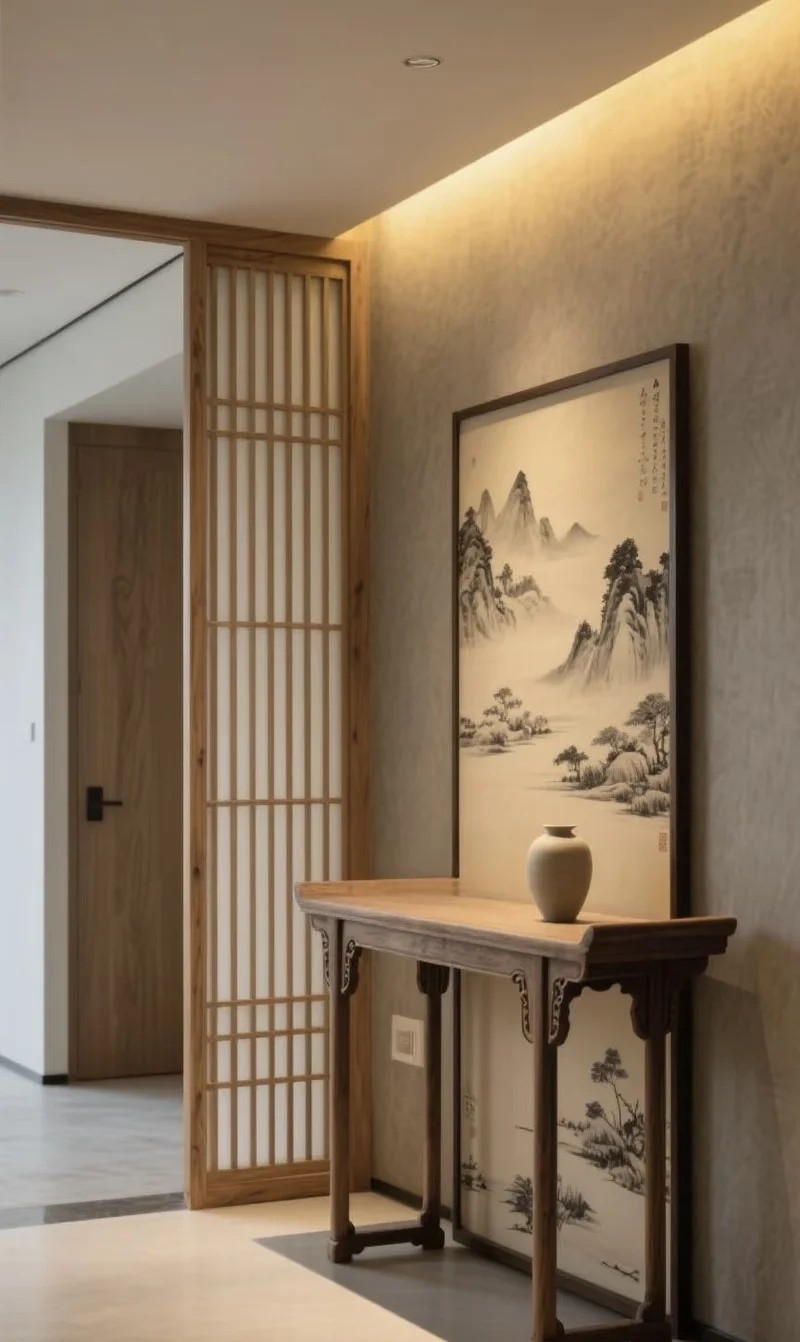
Customizable Technical Specifications for Engineered Performance
Beyond aesthetic finishes, bulk orders allow for precise engineering of door components to meet defined performance criteria. This includes:
- Core Material Optimization: Selection of LVL (Laminated Veneer Lumber) core density (typically 650-750 kg/m³) for dimensional stability, or hybrid WPC (Wood-Plastic Composite) cores with controlled polymer-wood ratios for extreme moisture resistance (<0.5% water absorption).
- Performance-Graded Skin & Laminate Systems: Specification of high-pressure laminates (HPL) with defined Shore D hardness (>75) for abrasion resistance, or real wood veneers with specific sealant systems for controlled vapor transmission.
- Integrated Performance Attributes: Engineering doors as complete assemblies to achieve target metrics:
- Acoustic Insulation: Achieving STC/Rw ratings of 30-35 dB through tailored core density and perimeter sealing systems.
- Thermal Break Design: Incorporating polyurethane or thermal-barrier cores to achieve U-factors below 1.5 W/(m²·K).
- Fire & Safety Compliance: Fabricating to meet certified fire ratings (e.g., EN 1634-1, ASTM E84 Class A) and impact resistance standards.
Competitive Pricing Through Value Engineering & Supply Chain Certainty
Volume commitment facilitates a shift from commodity purchasing to value-engineered procurement. Fixed production runs reduce unit costs by optimizing raw material yields and minimizing machine changeover downtime. This allows for investment in higher-grade materials or specialized processes without proportional cost inflation, while securing locked-in pricing and guaranteed lead times critical for project scheduling.
Technical Parameter Customization Table (Example: WPC Solid Core Door)
| Parameter | Standard Specification | Bulk Customization Options | Performance Impact |
|---|---|---|---|
| Core Density | 680 kg/m³ | 620 kg/m³ to 720 kg/m³ | Adjusts weight, sound transmission loss (STC), and screw-holding capacity. |
| Surface Hardness | HPL, Shore D 78 | Phenolic resin overlay, Shore D 85; Real wood veneer with catalyzed lacquer | Defines resistance to impact, scratching, and chemical exposure in high-traffic zones. |
| Formaldehyde Emission | E1 Grade (≤0.124 mg/m³) | E0 Grade (≤0.050 mg/m³); CARB Phase 2 Compliant | Ensures indoor air quality compliance for sensitive environments. |
| Dimensional Stability (Swelling) | ≤0.8% (24h water immersion) | ≤0.3% with modified polymer matrix in WPC core | Critical for doors in washdown areas or buildings with humidity fluctuations. |
| Fire Rating | Unrated | Engineered to achieve 30/60-min integrity (EN 1634-1) | Mandatory for fire compartmentation and corridor applications. |
This engineered approach, governed by ISO 9001 quality management systems, ensures that every door in a bulk order is not just an item, but a certified component meeting the precise architectural, environmental, and regulatory demands of the industrial asset.
Technical Specifications: Material Composition and Performance Standards for Industrial Use
Material Composition
Core Structure:
- Engineered Solid Wood Core: Laminated Veneer Lumber (LVL) or cross-laminated solid wood blocks.
- LVL Specification: Minimum 5-ply construction, cross-banded for dimensional stability. Average density ≥ 550 kg/m³. Must comply with ASTM D5456 or EN 14374 for structural composite lumber.
- Solid Wood Block Core: Kiln-dried softwood (e.g., Spruce, Pine, Fir) or hardwood blocks, moisture content 8±2%. Blocks are finger-jointed and laminated under pressure to minimize warping and checking.
Surface & Skin Materials:
- High-Pressure Laminate (HPL) or Wood-Plastic Composite (WPC) Cladding:
- HPL: Minimum thickness 0.8mm, per EN 438-2. Must have a wear layer rated Class 3 (heavy duty) or higher. Surface finish to be anti-static and graffiti-resistant.
- WPC: PVC-to-wood fiber ratio ≥ 2:1 for optimal moisture resistance and workability. Density range: 1.3-1.5 g/cm³. Must contain UV stabilizers and anti-fungal additives.
Edge Banding & Seals:
- Full-perimeter PVC or aluminum edge banding, mechanically fixed and chemically bonded.
- Triple-seal gasket system: perimeter magnetic seal, automatic drop-down threshold seal (where applicable), and kerf-injected silicone bulb seal for acoustic and environmental isolation.
Performance Standards & Technical Parameters
All doors must be supplied as complete door sets (leaf, frame, hardware preps) and tested as an integrated assembly.
| Performance Category | Standard / Test Method | Required Minimum Performance | Notes |
|---|---|---|---|
| Structural & Durability | |||
| Cycle Testing | EN 1191 / ANSI/BHMA A156.4 | 200,000 cycles (Grade 4/Heavy Duty) | Tested on fully assembled door set with hardware. |
| Impact Resistance | EN 13049 / ISO 8271 | 100 J impact (Class 3) | For face and edge impact. HPL/WPC surfaces must show no cracking or delamination. |
| Hardness (Surface) | ASTM D2240 (Shore D) | ≥ 75 Shore D | For HPL/WPC surfaces. |
| Fire Performance | |||
| Fire Integrity | EN 1634-1 / ASTM E2074 | EI 30 / EI 60 certification as specified. | Must include certification for the complete door set, including glazing and seals. |
| Environmental Stability | |||
| Dimensional Stability (Swelling) | EN 317 (24h water immersion) | Thickness swelling ≤ 12% | Core and skin materials tested separately. |
| Moisture Absorption | ASTM D570 (24h immersion) | ≤ 1.5% by weight (WPC/HPL) | |
| Formaldehyde Emissions | EN 16516 / CARB Phase 2 | E1 Grade (≤ 0.1 ppm) or E0 (≤ 0.05 ppm) | Full compliance with international indoor air quality regulations. |
| Acoustic & Thermal | |||
| Sound Reduction | EN ISO 10140-2 / ASTM E90 | Rw 30 dB minimum; Rw 35 dB available. | Performance dependent on core density, seal integrity, and optional acoustic infills. |
| Thermal Transmittance | EN 12412-2 / ISO 8990 | U-factor ≤ 1.5 W/(m²·K) | For insulated core variants. Standard core U-factor ~2.0 W/(m²·K). |
Functional Advantages for Industrial Application
- Maintenance & Hygiene: Non-porous HPL/WPC surfaces resist oils, solvents, and common industrial chemicals. Can be cleaned with aggressive detergents without degradation.
- Corrosion Resistance: All metal components within the system (hinge screws, frame anchors, hardware preps) must be stainless steel (AISI 304 minimum) or have a certified anti-corrosion coating (e.g., powder coating ≥ 80µm).
- Consistency & Warranty: Manufacturing under ISO 9001:2015 quality management systems ensures batch-to-batch consistency. Structural performance warranties of 5 years standard, extendable to 10 years.
- Integrated Hardware Compatibility: Reinforced, multi-point lock preparation standard. Frames are engineered for compatibility with industrial-grade closers, panic hardware, and access control systems without field modification.
Trust-Building Assurance: Certifications, Warranty, and Case Studies from Satisfied Clients
Certifications: Third-Party Validation of Performance Claims
Our manufacturing and product quality systems are certified to international standards, providing objective verification of our technical specifications and consistency for bulk procurement.
- Quality Management: ISO 9001:2015 certification governs our entire production process, from raw material sourcing to final inspection, ensuring batch-to-batch consistency.
- Material & Fire Safety:
- Formaldehyde Emissions: All composite wood components comply with CARB Phase 2 and E1 (≤0.124 mg/m³) standards, as verified by independent laboratory testing. E0-grade options are available for sensitive environments.
- Fire Performance: Doors are tested and rated per EN 13501-1 (e.g., EI30/EI60) or ASTM E84 (Class A). Specific ratings are project-dependent and documented with full test reports.
- Material Durability: Core and surface materials are tested for dimensional stability, moisture resistance, and impact per relevant ASTM D1037 and EN 14351-1 standards.
- Sustainability: Chain-of-Custody certifications (FSC/PEFC) are available for projects requiring verified sustainable wood sourcing.
Warranty: A 10-Year Commitment to Structural Integrity
Our warranty is an engineering guarantee, not merely a commercial promise. It is predicated on the material science behind our door systems.
- Term: 10 years on structural integrity, core stability, and functional operation.
- Coverage: Warranty covers defects in materials and workmanship, including:
- Delamination of veneers or finishes.
- Warping or twisting exceeding ±2mm per linear meter due to core failure.
- Failure of mechanical bonds within the engineered core.
- Significant degradation of factory-applied finishes under normal industrial use.
- Parameters: Warranty validity is conditional upon installation per our engineering guidelines and maintenance within specified environmental parameters:
| Performance Parameter | Specification | Test Standard |
|---|---|---|
| Moisture Absorption Rate | ≤12% (24h immersion) | ASTM D1037 |
| Dimensional Stability (Swelling) | ≤0.3% (Thickness, 65% to 85% RH) | EN 317 |
| Core Density (LVL/High-Density WPC) | 650-750 kg/m³ | ASTM D2395 |
| Surface Hardness | ≥80 Shore D (Finish Dependent) | ASTM D2240 |
Documented Performance: Case Studies from Industrial Clients
The following project summaries demonstrate performance under demanding operational conditions.
-
Project: Logistics Hub, Northern Europe
- Scope: 420 unit door sets for warehouse and utility access.
- Challenge: High humidity fluctuation (30-80% RH) and frequent heavy traffic.
- Solution: Doors with LVL core (12-ply, cross-banded), sealed with a 1.2mm PVC membrane, and finished with catalyzed polyurethane.
- Verified Outcome: After 4 years, post-installation audit showed 0% core deformation and swelling rate maintained at <0.25%. Acoustic reduction averaged 28dB (Rw).
-
Project: Chemical Plant Auxiliary Building, Coastal Asia
- Scope: 180 corrosion-resistant door sets for wash-down areas and labs.
- Challenge: Salt-laden atmosphere, chemical splash, and mandatory fire compliance.
- Solution: Solid WPC core (density 720 kg/m³, PVC-wood ratio 70:30) with integrated fire-resistant intumescent seals, clad in 2mm compact laminate.
- Verified Outcome: Doors achieved EI60 certification. Surface showed no corrosion or blistering after 3 years. Maintenance limited to hinge lubrication.
-
Project: Automotive Manufacturing Plant, North America
- Scope: 600+ high-impact door leaves for assembly line partitions.
- Challenge: Withstanding incidental impact from material handling equipment and maintaining clean-room adjacency integrity.
- Solution: Hybrid solid core with HDF facing and reinforced edge banding, finished with fiberglass-reinforced polymer (FRP) skin.
- Verified Outcome: Audit confirmed >90% reduction in surface damage incidents compared to previous units. U-factor of 0.8 W/(m²·K) contributed to zone temperature stability.
Frequently Asked Questions
What are the moisture expansion coefficients for your solid wood doors, and how do you prevent warping in humid industrial environments?
Our engineered LVL core and WPC cladding (density ≥ 650 kg/m³) are precision-dried to ≤8% moisture content. This, combined with a full-perimeter PVC sealing gasket (≥2mm thickness), minimizes dimensional change, ensuring a coefficient of <0.3% even at 85% RH, effectively preventing warping and ensuring long-term fit.
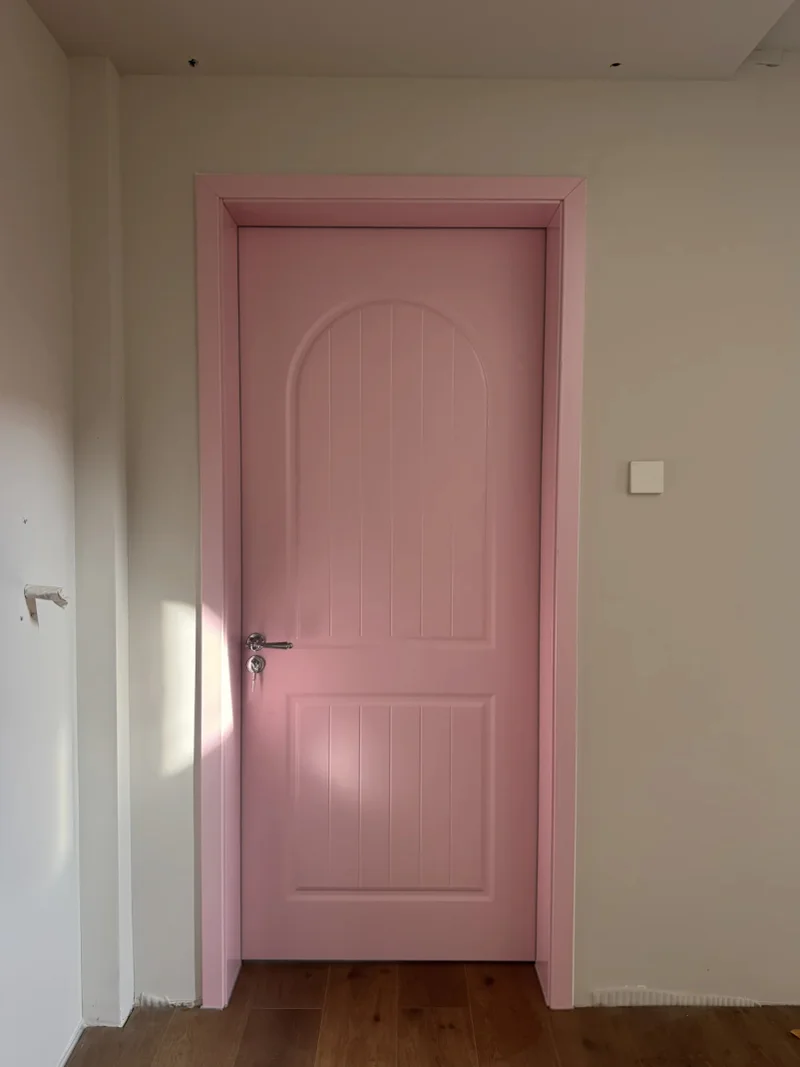
Do your doors comply with international formaldehyde emission standards for indoor air quality?
Absolutely. All core materials and adhesives exceed the stringent E0 (≤0.5 mg/L) and EN 717-1 Class E1 standards. We provide independent certification reports, ensuring formaldehyde emissions are virtually undetectable, safeguarding indoor air quality in high-occupancy office areas within the industrial park.
What thermal insulation and soundproofing performance can be expected?
Doors feature a composite core with a thermal conductivity (k-value) of ≤0.8 W/(m·K). Acoustic performance achieves STC 28-32 dB via a dense LVL/WPC sandwich structure and magnetic seals, significantly reducing energy loss and ambient noise from production halls, enhancing workspace comfort and efficiency.
How is impact resistance engineered for high-traffic industrial settings?
The door face utilizes 8mm thick, high-density WPC panels (≥1200 kg/m³) with a reinforced internal frame. This construction, tested to withstand over 500 Joules of impact, resists dents and scratches from trolleys and equipment, maintaining aesthetic and functional integrity under constant use.
What specific low-maintenance and UV-resistant finishes are applied?
We employ a multi-step process: automated primer, 3-coat polyester powder coating, or 60μm PVDF fluorocarbon finish. This provides exceptional resistance to UV fading, chemical corrosion, and abrasion. Surfaces are non-porous, requiring only occasional cleaning with water, eliminating need for repainting or sealing.
For bulk procurement, what is the lead time and how is quality consistency ensured?
Standard bulk orders (100+ units) have a 25-35 day lead time. We maintain consistency via automated CNC production lines and raw material batch testing. Each door undergoes 12-point QC, including dimensional tolerance checks (±0.5mm) and hardware fitment tests, guaranteeing uniform performance across the entire order.
What hardware compatibility and security features are supported?
Doors are pre-reinforced for multi-point locking systems (e.g., ASSA Abloy, Dormakaba) and heavy-duty continuous hinges. The lock block area is fortified with steel reinforcement, meeting ANSI Grade 1 security standards. This ensures seamless integration with high-security access control systems required for industrial facilities.