Steel door customization with custom finishes
In the realm of architectural design and security, the entry door serves as both a first impression and a steadfast guardian. Moving beyond standard offerings, the true potential of a steel door is unlocked through expert customization and bespoke finishes. This process transforms a fundamental component into a tailored statement of style and substance. From the commanding presence of a textured, industrial patina to the sleek sophistication of a high-gloss automotive paint, custom finishes allow you to align your door perfectly with your building’s aesthetic, whether residential or commercial. It is where unparalleled durability meets personal expression, ensuring your entrance not only withstands the elements but also resonates with intentional design, seamlessly blending security with a distinctive visual identity.
Enhance Your Building’s Aesthetic and Security with Custom Steel Doors
Custom steel doors represent the synthesis of architectural intent and engineered performance. The core material science and fabrication standards determine not only the door’s longevity but its fundamental contribution to building integrity. A cold-rolled steel skin, typically 18 to 22 gauge, is formed over a reinforced steel frame. The cavity is filled with a high-density, fire-retardant mineral wool or polyurethane foam core, which dictates critical performance parameters.
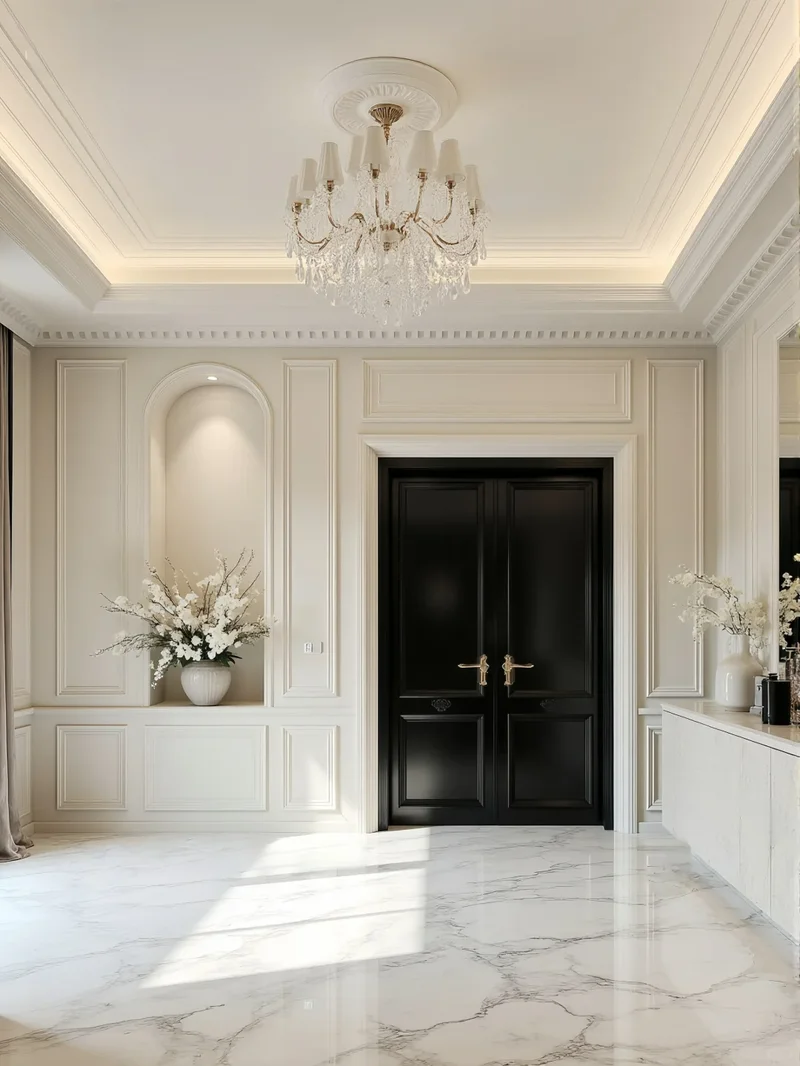
Key Functional Advantages:
- Structural Security: The monolithic steel construction provides inherent resistance to forced entry. Multi-point locking systems integrate directly into the reinforced frame, with lock cylinders meeting ANSI/BHMA Grade 1 standards for operational security and cycle testing.
- Fire & Smoke Compartmentalization: Doors can be engineered to meet strict fire-rating standards. Core composition and intumescent seal technology are calibrated for specific durations (e.g., 60/90/120 minutes) as per ASTM E119 or EN 1634-1, effectively managing thermal transfer and smoke ingress.
- Acoustic Performance: The mass of steel, combined with a dense core and perimeter acoustic seals, achieves significant sound reduction. Performance is quantified in laboratory tests, with typical STC (Sound Transmission Class) ratings ranging from 40 to 52 dB depending on core density and system design.
- Thermal Efficiency: The insulated core minimizes thermal bridging. The overall thermal transmittance (U-factor) of the assembly is a function of core material conductivity and frame design, with values often falling between 0.7 and 1.2 W/m²K, contributing to building envelope efficiency.
- Environmental Stability: Unlike hygroscopic materials, steel is dimensionally stable with a near-zero moisture absorption rate. This eliminates swelling, warping, or rot, ensuring consistent operation and seal integrity in varying humidity conditions.
Technical Performance Data:
The following table outlines typical performance metrics for a standard 44mm thick, insulated custom steel door assembly.
| Performance Category | Standard / Metric | Typical Specification Range | Notes |
|---|---|---|---|
| Structural | Steel Skin Gauge | 18 – 22 Gauge | Lower gauge number indicates thicker, heavier steel. |
| Thermal | U-Factor (Imperial) | 0.12 – 0.20 Btu/(ft²·°F·hr) | Measured per NFRC 102; lower values indicate better insulation. |
| Acoustic | Sound Transmission Class (STC) | 40 – 52 dB | Laboratory rating per ASTM E90; higher values indicate greater noise reduction. |
| Fire Rating | Endurance | 60, 90, 120 Minutes | Certified to ASTM E119 or EN 1634-1 with accompanying hose stream test. |
| Surface Hardness | Pencil Hardness (Finish) | 3H – 5H | Per ASTM D3363; indicates resistance to marring and abrasion. |
Aesthetic Integration via Advanced Finishes: The aesthetic value is achieved through a controlled, industrial coating process that does not compromise the substrate. The sequence involves phosphate pre-treatment for corrosion inhibition and adhesion, followed by an electrostatically applied epoxy primer. The final custom finish—whether a polyester powder coat (PPC), fluoropolymer (PVDF), or a laminated veneer—is bonded under controlled thermal curing. PPC and PVDF finishes offer exceptional weatherability, with chalk resistance and color retention exceeding 10 years per AAMA 2604 (PPC) and AAMA 2605 (PVDF) standards. For wood-grain or other complex visuals, high-pressure laminates (HPL) or real wood veneers are laminated to the steel substrate using structural adhesives with high peel strength, tested for durability under accelerated weathering cycles (ISO 9142).
Quality Assurance: Fabrication under an ISO 9001-certified quality management system ensures consistency. This governs everything from raw material verification (certified mill test reports for steel) to in-process checks on weld integrity, dimensional tolerances (typically within ±1.5mm), and final finish thickness measured by eddy current or ultrasonic gauges. For projects with indoor air quality mandates, all adhesives and composite components within the door assembly can be specified to meet E0 or E1 formaldehyde emission grades.
Tailored Finishes for Every Architectural Style and Durability Needs
The selection and application of a finish is a critical engineering decision that determines a steel door’s long-term performance, maintenance cycle, and architectural integration. Modern finishing systems are engineered to provide specific technical characteristics beyond aesthetics, addressing structural integrity, environmental resistance, and compliance with stringent building codes.
Core Finishing Systems & Their Material Science
-
Powder Coat (Polyester, Epoxy-Polyester Hybrid, Super Durable Polyesters): A dry, electrostatic application of finely ground polymer resins cured under heat. This creates a thermoset film with superior mechanical and chemical properties compared to liquid paints.
- Functional Advantages:
- Uniform Thickness & Edge Coverage: Electrostatically applied powder wraps edges and complex profiles, eliminating thin spots and subsequent corrosion points.
- High Impact & Abrasion Resistance: Typical coatings achieve a pencil hardness of ≥2H and superior resistance to chipping and scratching (ASTM D3363, ASTM D968).
- Exceptional Chemical & UV Stability: Formulations are rated for QUV accelerated weathering exposure exceeding 1,000 hours with minimal chalking or color shift (ΔE < 2.0). Resistant to a wide range of cleaning agents and industrial atmospheres.
- Zero VOC & Sustainable: Application emits no volatile organic compounds; overspray is typically >95% recoverable.
- Functional Advantages:
-
Fluoropolymer Coatings (PVDF – Polyvinylidene Fluoride, FEVE – Fluoroethylene Vinyl Ether): The benchmark for extreme weatherability, utilizing a high fluorocarbon content (70% PVDF resin by weight is standard) for unparalleled molecular stability.
- Functional Advantages:
- Maximum UV & Chalk Resistance: Guarantees color and gloss retention for decades in direct sunlight. Standard 20+ year warranties are common for architectural applications.
- Self-Cleaning Characteristics: Low surface energy promotes “sheet” runoff of water and dirt, maintaining appearance with minimal maintenance.
- Thermal Stability: Performs without degradation in continuous service temperatures from -40°C to +120°C.
- Functional Advantages:
-
Laminates & Veneers (High-Pressure Laminates – HPL, Real Wood Veneers over Engineered Substrates): Provide the authentic texture and appearance of wood, stone, or abstract designs while leveraging the steel substrate’s strength.
- Functional Advantages:
- Moisture & Impact Barrier: HPL surfaces offer near-zero moisture absorption (<0.5%) and high resistance to impact and abrasion (EN 438 standards).
- Dimensional Stability: Veneers are cross-banded and bonded to stable medium-density substrates (e.g., MDF core with ≤7% moisture content) to prevent warping or checking, a common failure in solid wood doors.
- Fire & Smoke Performance: Many HPL laminates achieve Class A fire ratings (ASTM E84) and can contribute to overall door assembly fire certification.
- Functional Advantages:
Technical Parameters for Specification
The following table provides a comparative overview of key performance metrics for standard finish categories, essential for specification in environments with defined durability requirements.
| Finish Category | Typical Dry Film Thickness (DFT) | Adhesion (Cross-Hatch) | Salt Spray Resistance (ASTM B117) | Mandrel Bend Test (ASTM D522) | Gloss Retention (45° after 2000hr QUV) |
|---|---|---|---|---|---|
| Standard Powder Coat | 60-80 µm | 5B (Excellent) | 750-1000 hours | ≤2T pass | ≥80% |
| Super Durable Powder | 80-100 µm | 5B (Excellent) | 1500+ hours | ≤2T pass | ≥90% |
| PVDF Fluoropolymer | 25-30 µm (per coat) | 5B (Excellent) | 3000+ hours | ≤1T pass | ≥95% |
| Architectural HPL Laminate | 0.7 – 1.5 mm (total) | N/A (Mechanical/Chemical Bond) | N/A (Inherently resistant) | N/A | N/A (colorfast) |
Architectural Integration & Performance Specifications
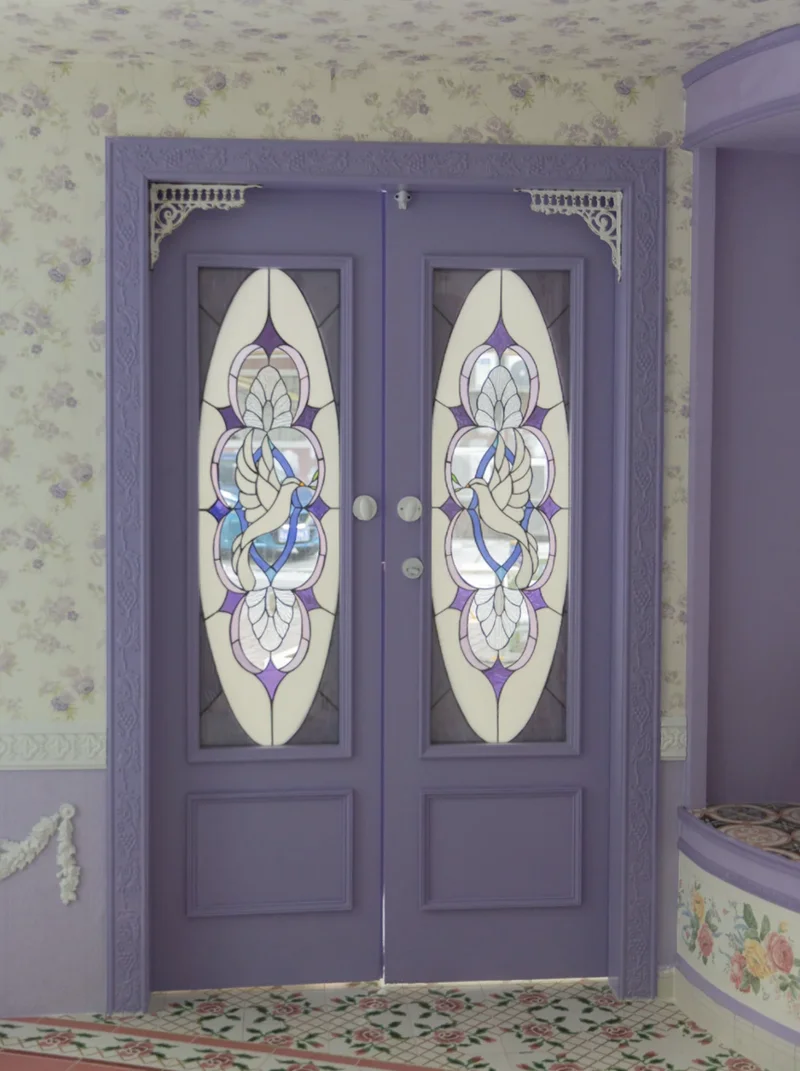
Finishes must be specified to meet the functional demands of the architectural style and location.
- Coastal/High-Humidity Zones: Specify PVDF or super durable polyester powders with a minimum 1500-hour salt spray rating. Ensure the total system (pre-treatment, primer, topcoat) is certified for C5-M (Marine) corrosion environments (ISO 12944).
- Healthcare & Laboratory Facilities: Require finishes with seamless, non-porous surfaces (e.g., certain powder coats or continuous HPL) that can withstand repeated cleaning with high-pH disinfectants without degradation. Verify chemical resistance per ASTM D1308.
- High-Traffic Commercial/Educational: Prioritize abrasion resistance. Specify finishes with a minimum Taber Abrasion resistance of 1,000 cycles (CS-10 wheel, 1kg load, ASTM D4060) and an impact resistance exceeding 160 in-lbs (ASTM D2794).
- Acoustic & Thermal Performance: While the finish itself is a thin layer, the complete door assembly’s performance is critical. Specify doors with certified U-factors for thermal insulation and Sound Transmission Class (STC) ratings of 35-50 dB, achieved through core design and perimeter sealing systems, not the finish.
Advanced Engineering for Long-Term Performance and Structural Integrity
The structural integrity of a customized steel door is not a product of the steel skin alone, but of a precisely engineered composite system. Long-term performance—resistance to warping, impact, environmental stress, and fatigue—is engineered from the core outward, with every material specification and manufacturing process validated against international standards.
Core Material Science and Composite Engineering
The door’s core is its structural backbone. We utilize high-density, engineered materials to ensure dimensional stability under varying climatic conditions.
- LVL (Laminated Veneer Lumber) Core: Provides exceptional racking strength and screw-holding power. Its cross-laminated construction minimizes linear expansion, preventing bowing or twisting that can compromise door operation and seal integrity.
- Honeycomb & WPC (Wood-Plastic Composite) Cores: Engineered for optimal strength-to-weight ratios. High-density WPC cores offer superior moisture resistance (absorption rates <0.5%) and thermal stability compared to traditional particleboard, eliminating core swell that can distort the door face.
Steel Substrate and Formulation
The steel skin is a critical structural component, not merely a cladding.
- Cold-Rolled, Low-Carbon Steel: Typically 20-24 gauge (0.9mm – 0.6mm), selected for an optimal balance of formability and rigidity. The cold-rolling process increases yield strength and creates a superior, consistent surface for finish adhesion.
- Anti-Corrosion Priming: A multi-stage phosphating and electrophoretic epoxy primer (E-coat) is applied in a cathodic immersion process. This creates a chemically bonded layer that inhibits galvanic corrosion, protecting cut edges and the substrate from within.
Performance Validation and Testing
All engineering is substantiated by adherence to and certification against rigorous technical standards.
| Performance Aspect | Standard / Metric | Engineered Performance Parameter |
|---|---|---|
| Structural Load & Durability | ASTM E 330, ANSI/BHMA A250.13 | Positive and negative pressure testing to 300 Pa minimum, cycle testing exceeding 200,000 cycles for hinges and hardware. |
| Fire Resistance | EN 1634-1, ASTM E 119 | Integrity and insulation ratings for 30, 60, 90, or 120 minutes. Core materials are non-combustible or fire-retardant treated. |
| Acoustic Insulation | ASTM E 90, ISO 10140 | Sound Transmission Class (STC) ratings from 35 to 52 dB, achieved through mass-law principles, damped composite cores, and perimeter sealing systems. |
| Thermal Insulation | ASTM C 518, ISO 8990 | U-factors as low as 0.7 W/(m²·K) through the integration of continuous thermal breaks and insulated core materials. |
| Environmental & Health | ISO 9001, CARB/EPA TSCA Title VI | Manufacturing under certified quality management systems. All composite materials meet E0 or E1 (<0.1 ppm) formaldehyde emission grades. |
Advanced Fabrication for Integrity
- Full-Perimeter Welding: Continuous, automated MIG welding at all four corners eliminates mechanical fasteners at critical stress points, creating a monolithic steel frame resistant to racking forces.
- Thermal Break Technology: For insulated doors, a polyamide or composite thermal barrier is mechanically locked and poured between the internal and external steel skins, preventing thermal bridging and condensation.
- Seal Integration Engineering: Gasket channels are roll-formed directly into the stile and rail profiles, ensuring precise, consistent alignment of compression seals for long-term weather and acoustic performance.
This systematic, standards-based engineering approach ensures that a customized door performs as a reliable architectural component for the lifecycle of the building, irrespective of its aesthetic finish.
Technical Specifications and Customization Options for Precise Fitting
Core Construction & Material Specifications
The structural integrity and long-term performance of a customized steel door are determined by its core construction and composite materials. Our engineering focuses on achieving dimensional stability, acoustic and thermal performance, and resistance to environmental stress.
- Steel Skin & Frame: Fabricated from 20-gauge (0.9mm) or 18-gauge (1.2mm) cold-rolled, galvanized steel, phosphatized and primed for superior paint adhesion and corrosion resistance. Stiffening channels are robotically welded to form a rigid torsion box.
- Advanced Composite Core: We utilize engineered cores to eliminate warping and enhance performance.
- LVL (Laminated Veneer Lumber) Core: Offers exceptional dimensional stability (<1% moisture absorption) and screw-holding power. Ideal for high-traffic or environments with variable humidity.
- Honeycomb Core: Lightweight yet rigid kraft paper or aluminum matrix provides optimal strength-to-weight ratio and contributes to sound dampening.
- Solid Polyurethane Foam Core: Injected under high pressure, this core provides superior thermal insulation (U-factor as low as 0.5 Btu/(ft²·h·°F)) and acoustic damping (STC ratings up to 52 dB).
- Edge Banding & Seals: Full-perimeter magnetic or compression gaskets (EPDM) ensure an airtight seal. Door edges are finished with galvanized steel or rigid PVC caps to prevent chipping and moisture ingress.
Precision Engineering for Fit & Function
Precise fitting is non-negotiable for security, performance, and aesthetics. Our customization process is governed by ISO 9001-certified manufacturing tolerances.
- Tolerance Standards: Frame and door slab dimensions are machined to a tolerance of ±0.8mm. Hinge prep and lock bore locations are CNC-machined to ±0.5mm.
- Adjustability Integration: Hinge plates are pre-drilled for three-axis adjustment (vertical, horizontal, and compression). Thresholds are designed with adjustable sill gaskets to compensate for subfloor variations.
- Pre-Hung Assembly: Doors are factory-pre-hung in welded steel frames with reinforced hinge locations. Shim pockets are integrated into the frame for precise plumb and level installation.
Customization Parameters & Performance Data
The following table outlines key technical parameters that can be specified to meet project requirements.
| Parameter | Specification Options | Performance Data / Standard |
|---|---|---|
| Fire Rating | 20-Minute, 45-Minute, 60-Minute, 90-Minute | Certified to EN 1634-1 or ASTM E119. Includes labeled frames, hardware, and intumescent seals. |
| Acoustic Rating | STC 35, STC 40, STC 45, STC 50+ | Tested per ASTM E90. Achieved via core density, mass, and proprietary acoustic gasketing. |
| Thermal Insulation | U-factor: 0.70 – 0.50 Btu/(ft²·h·°F) | Calculated per NFRC 100 or EN ISO 10077-2. Dependent on core material and thermal break design. |
| Surface Hardness | Shore D 75 – 85 | Measured per ASTM D2240 on applied finishes. High-pressure laminate (HPL) finishes achieve the highest durability. |
| Formaldehyde Emission | E0 (<0.05 ppm), E1 (<0.1 ppm) | Core materials certified per EN 16516 / E1 standards. |
| Moisture Resistance | Swelling Rate: <1% (24h immersion) | Core stability tested per EN 317. Critical for high-humidity applications. |
Finish System Specifications & Durability
The applied finish is a multi-layer system engineered for weatherability, impact resistance, and aesthetic longevity.
- Substrate Preparation: Steel undergoes a 7-stage pretreatment: alkaline clean, rinse, zinc phosphate coating, final rinse, chromic seal, and oven dry.
- Primer: An electrostatically applied epoxy primer ensures corrosion resistance and provides a substrate for topcoat adhesion.
- Topcoat Options:
- High-Build Polyester Powder Coat: Standard finish, 60-80 microns DFT. Excellent color consistency and chemical resistance. MEK rub test >100 cycles.
- Fluoropolymer (PVDF) Coatings: For extreme exterior or coastal environments. Exceptional UV stability (25-year warranty against chalking/fading per AAMA 2605).
- Architectural Wood Veneers: Real wood veneers (0.6mm – 1.0mm) laminated under heat and pressure, protected by a catalyzed conversion varnish or 2K polyurethane clear coat.
- High-Pressure Laminate (HPL): Provides maximum abrasion and impact resistance. Available in Class 1 (Fire-rated A2-s1, d0 per EN 13501-1) and infinite aesthetic patterns.
Hardware Integration & Engineering
- Hinge Preparation: Templates for continuous geared hinges (EN 1935 Grade 13) or standard butt hinges. Hinge cups can be reinforced with welded plates.
- Lock & Multi-Point Preparation: Precise CNC machining for mortise locks, cylindrical locksets, and multi-point locking systems. Reinforcements are installed at all lock/strike locations.
- Vision Lights & Glazing: Engineered for insulated glass units (IGUs) up to 45 kg. Glazing beads can be internal or external, with thermal breaks. Silicone secondary weather seals are standard.
Trusted by Industry Professionals: Our Quality Assurance and Warranty
Our Quality Management System is certified to ISO 9001:2015, governing every stage from raw material procurement to final installation. This systemic control is the foundation of our product integrity and warranty validity.
Material & Core Integrity
Structural performance begins at the core. We exclusively use engineered wood products for stability, paired with high-density steel facings.
- LVL (Laminated Veneer Lumber) Core: Provides superior dimensional stability versus solid timber, with a controlled moisture content below 8% to prevent warping. Swelling rate is maintained below 0.3% under 65% RH for 48 hours.
- Steel Facing: Cold-rolled, galvanized steel sheets (minimum 0.8mm) are phosphatized and primed before finishing, ensuring exceptional substrate adhesion and corrosion resistance.
- Custom Finish Substrates: For woodgrain finishes, we utilize high-pressure laminates (HPL) or advanced Wood-Plastic Composite (WPC) cladding. Our WPC formulation maintains a density > 1.3 g/cm³ and a controlled wood-to-PVC ratio for optimal UV stability, low thermal expansion, and authentic tactile properties.
Performance Certification & Testing
All door assemblies are validated against international standards, with test reports available for project specifications.
| Performance Parameter | Test Standard | Our Standard Range | Notes |
|---|---|---|---|
| Fire Resistance | EN 1634-1 / ASTM E119 | EI30 / EI60 / EI90 | Certified for integrity (E) and insulation (I). |
| Acoustic Insulation | EN ISO 10140-2 | Rw 35 dB to 48 dB | Achieved through sealed core design, perimeter gaskets, and automatic threshold seals. |
| Thermal Transmittance | EN 12412-2 | U-factor 1.2 – 1.8 W/m²K | Dependent on core insulation and full-perimeter sealing. |
| Formaldehyde Emission | EN 16516 | Class E1 (< 0.1 ppm) | All composite materials comply with stringent indoor air quality standards. |
| Surface Hardness | ASTM D2240 | Shore D > 75 | For high-pressure laminate and catalyzed paint finishes. |
Functional Advantages of the Assembled System
- Moisture Resistance: Engineered core and sealed edges result in a moisture absorption rate of less than 12% per 24-hour immersion, preventing delamination and swelling.
- Hardware Integration: Reinforced, machined hinge and lock preparation zones support high-cycle commercial hardware (ANSI/BHMA Grade 1) without sagging.
- Finish Durability: Catalyzed polyester/polyurethane paint systems and through-color HPL sheets offer superior resistance to abrasion, chemicals, and UV fading, with a QUV accelerated weathering rating exceeding 1,000 hours.
Warranty Structure
Our 5-year comprehensive warranty covers defects in materials, core construction, and factory-applied finishes. Coverage is contingent on proper handling and installation per our published guidelines, which include clearances, anchoring, and sealing procedures. We provide full technical support for specification and submittal packages, including detailed elevation drawings, material data sheets, and certified test reports.
Frequently Asked Questions
What are the critical technical specifications to prevent warping in custom steel doors?
For long-term dimensional stability, specify a minimum 1.2mm cold-rolled steel skin, reinforced with an LVL (Laminated Veneer Lumber) or galvanized steel honeycomb core. The finish system must include a multi-layer primer and topcoat with UV inhibitors to prevent thermal distortion. Ensure the door’s moisture expansion coefficient is below 0.1%.
How do you ensure a custom steel door meets stringent indoor air quality standards?
Insist on E0-grade (≤0.5mg/L) or ENF (≤0.025mg/m³) certified materials for all internal components, including adhesives and core fillers. The powder coating or PVC laminate finish must have independent certification for non-emission of VOCs and formaldehyde, ensuring compliance with green building standards like LEED or BREEAM.
What construction details maximize thermal and acoustic insulation in a custom steel door?
Specify a polyurethane foam-injected core with a density of 40-45kg/m³ for optimal thermal break. For sound reduction, achieve STC 40+ by combining a mineral wool core, magnetic perimeter seals, and a 4mm thermal-str broken bridge in the frame. This creates an effective barrier against energy loss and noise.
Can custom finishes withstand harsh environmental conditions without degrading?
Yes, through industrial processes. For exterior doors, specify a 70-80 micron polyester powder coating with UV stabilizers, or a 0.7mm PVC foil with anti-fading treatment. For coastal areas, a chromate pre-treatment before coating is essential to prevent salt spray corrosion, ensuring finish integrity for over 15 years.
What design factors prevent impact damage and ensure security?
Opt for a door leaf with a minimum 1.5mm thick steel sheet and internal vertical reinforcement channels at 300mm intervals. The lock area must have a 3mm reinforced steel plate. For high-impact zones, consider a WPC (Wood-Plastic Composite, ≥800 kg/m³ density) overlay panel for superior dent resistance compared to standard finishes.
How is fire resistance integrated into a custom-finished steel door?
Fire ratings (e.g., 60/90 minutes) require certified intumescent seals around the perimeter and a specific mineral core. The custom finish must be applied with fire-retardant substrates and adhesives that do not compromise the door’s tested fire integrity. Never compromise the certified assembly for aesthetic customization.
What is the procurement lead time for a technically complex custom steel door?
A lead time of 6-8 weeks is standard for engineered custom orders. This allows for proper material sourcing (e.g., specific core densities, certified finishes), precision fabrication of reinforced structures, and controlled curing cycles for coatings to achieve stated performance metrics. Rushed production risks compromising technical specifications.