Slide-to-Side Garage Doors: Smart Solutions for Narrow Driveways
For homeowners navigating the challenges of urban living, where space is at a premium and driveways are often little more than tight passageways, traditional garage doors can be impractical—if not impossible—to operate. Enter slide-to-side garage doors: an innovative solution engineered specifically for narrow driveways and constrained environments. Unlike conventional overhead or swing-out models, these doors glide horizontally along a sleek track system, requiring minimal clearance and maximizing usable space. Combining advanced engineering with modern aesthetics, slide-to-side doors offer seamless operation, enhanced security, and a polished architectural presence. Ideal for compact urban homes, alley-loaded garages, or properties with limited frontage, they transform a logistical challenge into an opportunity for smart, elegant design. With durable materials, quiet motorized operation, and customizable finishes, these doors are more than a functional fix—they’re a forward-thinking upgrade for today’s space-conscious homeowner.
Why Traditional Garage Doors Fail on Narrow Driveways
-
Traditional garage doors, particularly swing-out and sectional overhead types, are engineered for standard spatial clearances that assume adequate driveway width and vehicle approach angles. On narrow driveways—common in urban infill developments, historic districts, or constrained suburban lots—these spatial assumptions fail, leading to operational and safety deficiencies.
-
Swing-out (carriage-style) doors require lateral clearance equal to or greater than the door’s width to open fully. On a narrow driveway, this motion obstructs vehicle egress, blocks pedestrian pathways, and may violate municipal setback regulations. Even partial opening risks collisions with adjacent vehicles, landscaping, or structures, making them impractical in tight configurations.
-
Sectional overhead doors, while more compact in operation, rely on vertical lift tracks and horizontal ceiling-mounted torsion systems. These require significant overhead clearance and forward projection during opening. In narrow driveways, the door’s forward arc can extend into the approach zone, forcing drivers to stop short of optimal positioning. This compromises safety during entry and exit, particularly in inclement weather or low visibility.
-
Additionally, wind loading presents a critical vulnerability. Traditional doors with large surface areas act as sails when opened perpendicular to prevailing winds—a frequent occurrence in exposed or alley-facing garages. On narrow lots with limited buffer zones, wind-induced stress increases the risk of panel deformation, track misalignment, and premature hardware failure.
-
Maintenance complexity compounds these issues. Misaligned tracks, worn rollers, and strained springs—common in high-cycle, constrained-use environments—are difficult to service when workspace is limited. Technicians often require full door extension for diagnostics, which narrow driveways physically prevent.
-
Finally, real estate and urban planning trends point toward reduced lot depth and tighter setbacks. Legacy door designs, optimized for mid-20th-century suburban lots, are functionally obsolete in modern contexts. Retrofitting them onto narrow driveways results in compromised usability, reduced longevity, and increased liability.
-
The spatial inefficiency and mechanical limitations of traditional systems underscore the necessity for alternative solutions—specifically, lateral-operating mechanisms that align with the dimensional realities of today’s constrained urban and suburban properties.
How Slide-to-Side Garage Doors Maximize Space Efficiency
-
Slide-to-side garage doors, also known as lateral-sliding or horizontal-slide doors, are engineered to address spatial constraints inherent in narrow urban driveways. Unlike traditional up-and-over or sectional overhead doors, which require vertical lift and overhead clearance, slide-to-side systems move horizontally along a track mounted parallel to the garage opening. This fundamental operational difference eliminates the need for torsion springs, header space, and ceiling-mounted tracks, redirecting spatial demands from the vertical plane to the horizontal.
-
In constrained environments, every inch of clearance is critical. Slide-to-side mechanisms typically require only a minimal lateral buffer—often as little as 12 to 18 inches—on one or both sides of the garage aperture. This buffer accommodates the door panel as it retracts, enabling full access without swing radius or overhead intrusion. As a result, vehicles can park closer to the garage entrance, and adjacent structures—such as fences, walls, or neighboring driveways—can exist within proximity without impeding function.
-
The absence of overhead hardware also preserves interior volume. In garages converted to workshops, storage areas, or EV charging stations, unobstructed ceiling space allows for ceiling-mounted lighting, HVAC ducts, shelving, or lifting equipment—all incompatible with traditional door mechanisms. This vertical clearance enhances multi-use flexibility without compromising access.
-
Furthermore, the track-based design distributes structural load efficiently, enabling use of heavier, insulated panels without requiring reinforced headers or complex counterbalance systems. Thermal performance and acoustic insulation can therefore be optimized without sacrificing operational reliability.
-
For properties with setback limitations or irregular lot geometry, slide-to-side doors eliminate clearance conflicts during door operation. There is no risk of collision with overhanging tree branches, low-hanging utility lines, or adjacent vehicles—common issues with upward-swinging doors.
-
Integration with smart home systems further enhances spatial intelligence. Motorized slide-to-side doors can be programmed for partial opening, timed operation, or obstacle detection, ensuring safe and efficient use in tight environments.
-
When paired with minimalist framing and low-profile track systems, these doors contribute to architectural cohesion, particularly in contemporary designs emphasizing clean lines and unobstructed sightlines. Their operational efficiency and spatial economy make them a technically superior solution for high-density urban infill and retrofit applications where conventional garage doors are functionally obsolete.
Top Benefits of Installing Slide-to-Side Doors in Compact Spaces
- Maximizes usable space by eliminating lateral swing clearance requirements
- Enhances accessibility for vehicles and pedestrians in constrained environments
- Reduces risk of collision with adjacent structures or parked vehicles
- Provides consistent, predictable operation unaffected by uneven terrain or obstructions
- Supports integration with automated systems for seamless daily use
Slide-to-side garage doors offer a critical advantage in compact urban environments where spatial efficiency is non-negotiable. Unlike traditional swing or sectional overhead doors, slide-to-side configurations operate laterally along a track, shifting the door panel parallel to the wall rather than upward or outward. This fundamental design shift eliminates the need for front clearance typically required by hinged doors, preserving every square foot of driveway and adjacent yard. In narrow driveways, where vehicles park close to property lines or adjacent buildings, this clearance saving is not just convenient—it is often the only viable solution.
Accessibility improves significantly with slide-to-side mechanisms. Pedestrian traffic, cyclists, and emergency egress are less encumbered when doors do not swing into walkways or driveways. Simultaneously, vehicle entry and exit become safer and more predictable, particularly in tight turning radii. The risk of door-to-vehicle or door-to-fence impact—common with outward-swinging models—is effectively eliminated.
These doors operate reliably on precision-engineered tracks, often constructed from hardened aluminum or galvanized steel, engineered to withstand repeated use and adverse weather. Their mechanical simplicity, with fewer moving parts than sectional doors, reduces maintenance demands and long-term operational costs. When paired with modern automation, slide-to-side doors support remote access, smartphone integration, and compatibility with home security systems—features increasingly expected in smart urban dwellings.
From an architectural standpoint, the clean lateral motion and minimal visual clutter complement contemporary façades, allowing for larger glass or panel integration without sacrificing function. Structural loads are distributed efficiently through floor-mounted rollers and reinforced wall guides, ensuring durability even in high-traffic residential or mixed-use applications.
For properties with spatial constraints, slide-to-side garage doors are not merely a convenience—they represent a strategic design decision that enhances safety, usability, and long-term functionality.
Materials and Design Options for Modern Slide-to-Side Garage Doors
-
Modern slide-to-side garage doors utilize advanced materials engineered for durability, insulation, and aesthetic versatility, addressing the unique spatial and functional demands of narrow driveways.
-
Steel: Cold-rolled steel remains a dominant material due to its high tensile strength and resistance to warping. Contemporary variants feature galvanized or galvalume coatings paired with thermoset polymer finishes to resist corrosion and UV degradation. Steel panels are often insulated with polyurethane foam (R-values up to 18), enhancing thermal performance critical in residential energy efficiency.
-
Aluminum: Lightweight and inherently corrosion-resistant, aluminum is favored in coastal or high-humidity environments. Extruded aluminum profiles allow for slimmer stiles and rails, maximizing visibility with minimal framing. Anodized or powder-coated finishes provide long-term color retention and resistance to chalking.
-
Fiberglass-Reinforced Polymer (FRP): Increasingly used in high-moisture climates, FRP offers superior resistance to rot, rust, and impact. Its low thermal conductivity reduces condensation risk, and molded designs replicate wood grain with minimal maintenance. FRP is particularly effective in historic districts requiring traditional aesthetics with modern performance.
-
Wood-Clad Composites: Engineered wood substrates with aluminum or fiberglass exterior cladding combine the visual appeal of natural timber with enhanced weather resistance. These systems are precision-milled for tight tolerances, ensuring smooth operation on track-guided slide-to-side mechanisms.
-
Design Options:
- Panel Profiles: Flush, recessed, or raised panels in configurations ranging from minimalist linear to traditional carriage-house styles.
- Glazing: Tempered or laminated glass inserts (with optional low-E coatings) improve natural lighting and visibility. Framing systems use thermally broken aluminum to mitigate heat transfer.
- Finishes: Custom powder coating, anodization, or wood-grain embossing allow integration with architectural façades.
- Operational Configurations: Single-slide, bi-parting, or multi-panel telescoping systems accommodate widths from 10 to 20 feet, with headroom clearances as low as 100 mm.
-
Integration with smart home systems enables remote monitoring, automated operation via app or sensor, and compatibility with access control protocols. Motorized operators utilize brushless DC motors for quiet, high-torque performance with built-in obstacle detection.
-
Selection of materials and design must account for regional climate loads (wind, snow, seismic), security requirements (forced-entry resistance), and architectural coherence. Performance testing to ANSI/DASMA 108 and ISO 9001 standards ensures longevity and operational reliability.
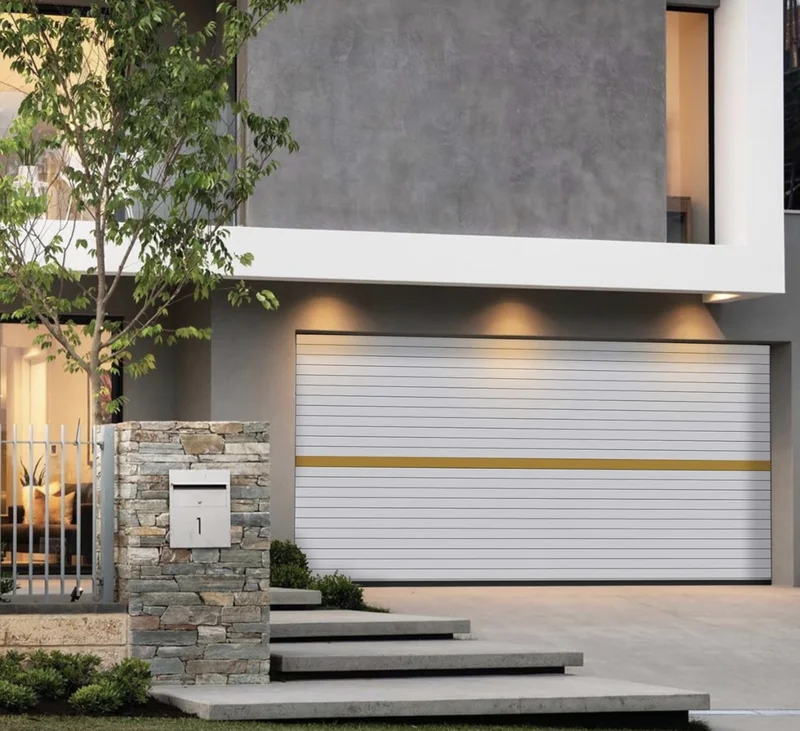
Installation Considerations and Maintenance Tips for Long-Term Performance
-
Site Assessment and Structural Integrity
Prior to installation, conduct a comprehensive site evaluation to verify the structural capacity of the garage opening and adjacent walls. Slide-to-side garage doors require robust lateral support due to their horizontal movement mechanism. Confirm that wall framing, headers, and foundation elements can withstand dynamic loads and repeated operational stress. Engage a structural engineer if modifications to existing framing are necessary. -
Clearance and Track Alignment
Ensure unobstructed lateral clearance along the full travel path of the door panel. Minimum recommended clearance is typically 6 inches beyond the door’s fully retracted position to prevent interference with vehicles or landscaping. Precision in track alignment is critical—misaligned tracks lead to binding, accelerated wear, and motor strain. Use laser-guided tools during installation to achieve optimal track straightness and slope consistency. -
Weather Sealing and Threshold Integration
Install high-density brush or compression seals along vertical edges and the top jamb to mitigate air infiltration and water ingress. Pair with a threshold seal designed for sliding applications to maintain energy efficiency and protect against debris. Pay particular attention to wind uplift resistance in exposed locations; reinforced sealing systems may be required in high-wind zones. -
Motor and Drive System Selection
Opt for a direct-drive or belt-drive operator with soft-start/soft-stop functionality to reduce mechanical shock and noise. Verify that the motor’s duty rating matches expected usage frequency. Integrate with smart home systems only through UL-listed controllers to ensure electrical compliance and cybersecurity. -
Routine Maintenance Protocol
Lubricate track rails, rollers, and drive mechanisms every six months using a silicone-based lubricant. Inspect rollers for pitting or cracking annually and replace as needed. Test door balance and auto-reverse function quarterly. Clean track channels monthly to remove dirt and debris that could impede movement.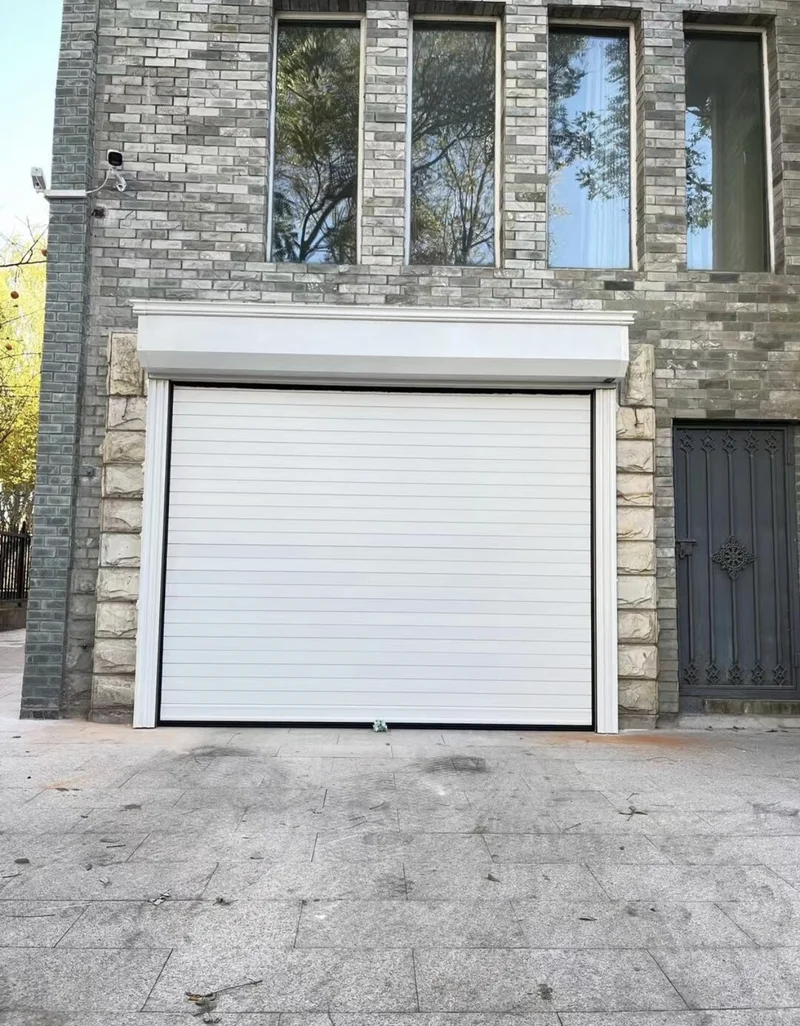
-
Monitoring and Diagnostics
Leverage built-in diagnostic features in modern operators to monitor motor load, cycle count, and alignment drift. Schedule professional calibration every 24 months to recalibrate force settings and verify safety sensor alignment. Address error codes promptly to prevent component degradation.
Frequently Asked Questions
What are slide-to-side garage doors and how do they work?
Slide-to-side garage doors, also known as lateral-sliding or track-shift garage doors, operate by moving horizontally along a track system mounted to the wall or ceiling, rather than lifting vertically like traditional sectional doors. They glide smoothly to one or both sides, making them ideal for narrow driveways where swing or overhead clearance is limited. These doors utilize heavy-duty rollers and low-friction tracks engineered for durability and quiet operation in confined spaces.
Why are slide-to-side garage doors ideal for narrow driveways?
Slide-to-side garage doors are optimal for narrow driveways because they eliminate the need for outward swing or vertical lift clearance. Traditional upward-lifting doors require headroom and internal garage height, while swing-out doors demand open space for door arc clearance—both problematic in tight urban settings. Slide-to-side doors preserve both lateral and vertical space by moving parallel to the garage wall, allowing vehicles to park close to the entrance without interference.
How much space do slide-to-side garage doors require for operation?
Slide-to-side garage doors require lateral clearance on one or both sides of the opening equal to the width of the door panel. For single-panel lateral sliders, you need space equal to the door’s width on one side. Bi-parting models (split doors) require half the door width on each side. The track system is typically mounted overhead or to the side jamb, so vertical headroom requirements are minimal—usually just 6 to 8 inches—compared to the 12–18 inches needed for standard sectional garage door torsion systems.
Are slide-to-side garage doors more expensive than traditional garage doors?
Yes, slide-to-side garage doors are generally 20–50% more expensive than standard overhead garage doors due to custom engineering, specialized track systems, and precision manufacturing. High-end models with insulated aluminum or composite panels, motorized operators with soft-start/stop, and weather-sealed gaskets can increase costs further. However, long-term value is enhanced through space efficiency, durability, and suitability for constrained urban plots where traditional doors are impractical.
Can slide-to-side garage doors be automated?
Yes, modern slide-to-side garage doors are commonly equipped with motorized automation systems using linear actuators or servo-driven motors. High-end operators support smart home integration (e.g., via Wi-Fi or Bluetooth), remote access, obstacle detection sensors, and programmable speed control. Automation ensures smooth, silent operation even with heavier insulated panels and is critical for user convenience, especially in tight-access areas where manual operation may be awkward.
What materials are best for slide-to-side garage doors in narrow driveways?
For slide-to-side garage doors in narrow driveway applications, lightweight yet rigid materials like thermally broken aluminum, composite fiberglass, or aerospace-grade steel are ideal. Aluminum is corrosion-resistant and low-maintenance, essential for coastal or high-humidity areas. Insulated sandwich panels (PU or PIR core) improve thermal performance without adding excessive weight. Material selection directly impacts track wear, operational smoothness, and long-term reliability under repeated lateral stress.
How do slide-to-side doors perform in extreme weather conditions?
Top-tier slide-to-side garage doors are engineered with weather-resistant seals, recessed track systems, and drainage channels to prevent water ingress. High-density gaskets along panel edges and brushed aluminum thresholds minimize air leakage. In windy or coastal zones, reinforced anchoring and wind-load-rated panels (up to 100 mph) ensure stability. Cold climates benefit from thermal breaks and insulated core options that prevent condensation and maintain internal garage temperatures.
Do slide-to-side garage doors require more maintenance than sectional doors?
Slide-to-side garage doors demand comparable or slightly higher maintenance due to extended track systems and lateral load distribution. Monthly inspection of track alignment, roller condition, and debris clearance is recommended. Lubrication of rollers and rails with silicone-based products every 6 months ensures smooth operation. Unlike sectional doors with torsion springs (prone to sudden failure), slide-to-side systems have fewer high-tension components, reducing risk but requiring precise alignment monitoring.
Can slide-to-side garage doors be retrofitted into existing garages?
Retrofitting slide-to-side garage doors is feasible but often requires structural evaluation and modifications. Critical considerations include wall or ceiling reinforcement for track mounting, floor leveling for track alignment, and removal of existing jamb brackets or header supports. Professional installation is strongly advised due to precise tolerances and load-bearing requirements. Some manufacturers offer retrofit kits compatible with standard garage door widths and masonry or timber-framed structures.
What safety features should I look for in a slide-to-side garage door?
Critical safety features include pinch-resistant panel joints, obstruction detection sensors (infrared or pressure-sensitive edges), and automatic reversal on contact. UL-listed motorized operators with battery backup ensure operability during power outages. For lateral sliders, anti-derailment guides and redundant locking mechanisms at rest positions prevent panel dislodgement. European CE-certified models often include force-limited drive systems compliant with EN 13241 safety standards.
Are there design limitations with slide-to-side garage doors?
While highly functional, slide-to-side doors have some design constraints. Very wide openings (>14 ft) may require intermediate support columns or heavier-duty tracks. Aesthetic options are more limited than traditional doors, though modern systems offer custom colors, wood-look finishes, and fenestration (glass panel) configurations. Bi-parting layouts can also create a central seam, which may impact insulation or visual continuity unless sealed with compression gaskets.
How long do slide-to-side garage doors last with proper care?
With routine maintenance and high-quality components, slide-to-side garage doors typically last 20–30 years. Durable aluminum tracks, stainless steel rollers, and UV-resistant seals contribute to longevity. Motorized components may require servicing or replacement after 10–15 years depending on usage cycles (rated up to 25,000+ operations). Lifespan exceeds standard garage doors in corrosive or high-use environments due to reduced mechanical stress on hinges and springs.