Ash Solid Wood Doors: Minimalist Design Elegance for High-End Designer Projects
In the realm of high-end interior design, where form meets uncompromising quality, ash solid wood doors emerge as a benchmark of minimalist elegance. Prized for its straight grain, pale luster, and subtle texture, ash wood offers a refined canvas that harmonizes with contemporary aesthetics while retaining timeless warmth. For discerning designers and architects, these doors are more than functional elements—they are integral components of a curated spatial narrative. The inherent durability and workability of ash allow for clean lines, seamless finishes, and understated sophistication, perfectly aligning with minimalist principles without sacrificing character. Whether featured in luxury residences, boutique hospitality spaces, or elite commercial environments, ash solid wood doors deliver a quiet authority that elevates the entire design. Their ability to blend natural authenticity with modern precision makes them a preferred choice for projects where detail, materiality, and design integrity converge. In the pursuit of elevated minimalism, ash doors stand as a testament to thoughtful craftsmanship and enduring style.
Why Ash Wood is the Preferred Choice for Modern Minimalist Interior Design
- Naturally light tonal palette that enhances spatial perception and luminosity
- Consistent, fine grain structure that aligns with clean, uncluttered design principles
- High structural integrity with exceptional workability for precision detailing
- Responsiveness to finishes that preserve natural texture while ensuring durability
- Sustainable sourcing profile with rapid regrowth and low environmental impact
Ash wood has become the material of choice for high-end minimalist interior projects, particularly in the design of solid wood doors, due to its intrinsic alignment with the aesthetic and functional demands of modern restraint. Its pale, silvery undertone reflects ambient light more effectively than darker hardwoods, amplifying perceived space—an essential quality in minimalist architecture where openness and clarity are paramount. This luminosity supports seamless integration with neutral palettes and monochromatic schemes without dominating the environment.
The grain of ash is straight, uniform, and subtly pronounced, offering visual interest without visual noise. Unlike oak, which can present bold medullary rays, ash delivers a refined linear pattern that complements the precision lines of contemporary joinery. This makes it ideal for flush-panel or recessed-frame door designs where surface consistency is critical. Its moderate density allows for intricate milling and tight tolerances, enabling designers to achieve seamless reveals and concealed hardware integration—hallmarks of minimalist craftsmanship.
From a performance standpoint, ash exhibits excellent dimensional stability and resistance to warping when properly kiln-dried. This ensures long-term reliability in varying humidity conditions, a necessity in high-traffic residential and commercial environments. Furthermore, ash accepts stains, oils, and matte sealants uniformly, allowing for customization while maintaining a natural tactile quality. The resulting finish remains low-sheen and understated, reinforcing the ethos of material honesty central to minimalist design.
Ecologically, ash is a fast-growing, regionally abundant hardwood in North America and Europe, with established responsible forestry practices. Its sustainability credentials align with the increasing demand for environmentally conscious materials in luxury design. In an era where aesthetic minimalism converges with ethical responsibility, ash wood delivers uncompromising performance, timeless visual harmony, and ecological integrity—making it the definitive choice for designers shaping the future of elevated, minimalist interiors.
The Aesthetic and Functional Advantages of Solid Ash Doors in Luxury Spaces
-
Solid ash doors represent the convergence of refined materiality and architectural intention in luxury interior environments. Sourced from sustainably managed forests, ash wood possesses a naturally light tone and pronounced grain structure that imparts warmth without overwhelming minimalist spatial compositions. Its pale, silvery undertones harmonize with a broad spectrum of high-end finishes—from polished concrete and matte metals to natural stone and textured plaster—making it an ideal candidate for contemporary designer schemes where cohesion and subtlety are paramount.
-
Aesthetic versatility is one of ash’s defining strengths. Unlike more heavily grained or pigmented hardwoods, solid ash accepts stains and finishes with exceptional evenness, allowing for customization that aligns precisely with a project’s design narrative. Whether finished in a clear satin oil to highlight its organic ripple grain or lightly smoked to introduce soft gray-brown depth, ash maintains a tactile authenticity that synthetic alternatives fail to replicate. This inherent adaptability ensures that ash doors do not merely function as partitions but act as integrated design elements that elevate the sensory experience of a space.
-
Functionally, solid ash offers durability and dimensional stability critical for high-traffic residential and commercial applications. With a Janka hardness rating of approximately 1,320 lbf, it resists dents and wear far better than softwoods or engineered composites, ensuring longevity without sacrificing elegance. Its moderate density contributes to favorable acoustical damping properties, enhancing privacy in luxury residences, boutique hospitality settings, and executive workspaces.
-
The precision fabrication of solid ash doors—typically executed with mortise-and-tenon joinery and multi-layer lamination techniques—ensures resistance to warping and seasonal movement, critical in climate-controlled environments where thermal consistency is maintained. This structural integrity, combined with clean-lined profiles and concealed hinges, supports the minimalist ethos of “quiet luxury,” where craftsmanship is evident but never ostentatious.
-
In high-end design, where every material choice communicates intention, solid ash doors distinguish themselves through understated excellence—merging enduring performance with aesthetic restraint to meet the exacting standards of discerning architects and interior designers.
Seamless Integration: How Minimalist Ash Doors Elevate Designer Architectural Projects
-
Minimalist ash doors are redefining spatial continuity in high-end architectural design by serving as both functional elements and refined design statements. Their seamless integration stems from the intrinsic qualities of solid ash wood—light tonality, subtle grain, and structural consistency—enabling them to harmonize with diverse material palettes while maintaining visual lightness.
-
In designer projects where material honesty and spatial fluidity are paramount, ash doors offer a neutral yet warm aesthetic that enhances rather than competes with surrounding surfaces. When paired with frameless cabinetry, expansive glazing, or monolithic wall systems, minimalist ash doors recede visually, preserving clean lines and unbroken sightlines critical to contemporary design.
-
The dimensional stability of solid ash allows for precise engineering—slim profiles, tight tolerances, and concealed hardware—facilitating flush installations that align perfectly with adjacent walls. This precision supports the illusion of continuity, transforming doors into near-invisible transitions between spaces. In open-plan environments or gallery-style residences, this subtlety reinforces a sense of calm and order.
-
Integration extends beyond aesthetics into acoustics and thermal performance. High-density solid ash, combined with advanced sealing systems, ensures noise reduction and energy efficiency without compromising design intent. These technical attributes make ash doors suitable for multifunctional spaces—libraries, private studios, or home theaters—where performance and elegance are equally non-negotiable.
-
Designers increasingly favor ash for its adaptability to custom finishes. Whether wire-brushed for texture, oil-finished for soft sheen, or stained to enhance grain depth, the wood responds with understated sophistication. This flexibility allows architects to tailor door surfaces to align with flooring, millwork, or ceiling treatments, creating holistic material narratives.
-
In high-end residential and boutique commercial projects—from urban lofts to alpine retreats—minimalist ash doors function as quiet orchestrators of space. Their presence is felt through proportion, tactility, and integration, not through ornamentation. By dissolving visual barriers and reinforcing material coherence, they elevate the architectural experience, aligning with the minimalist ethos that restraint is the highest form of refinement.
Sustainability Meets Sophistication: Eco-Conscious Appeal of Ash Solid Wood Doors
-
Sustainable sourcing: Ash timber is renowned for its rapid regrowth and widespread availability across temperate regions, particularly North America and Europe. Managed responsibly, ash forests regenerate quickly after harvest, making them a renewable resource that aligns with stringent environmental standards. Certified mills adhering to FSC or PEFC protocols ensure traceability and ecological stewardship, reinforcing the material’s sustainability credentials.
-
Low environmental impact: The processing of solid ash wood requires significantly less energy compared to synthetic or composite alternatives. Its natural durability reduces the need for chemical treatments, and when finished with low-VOC or natural oils, ash doors contribute to healthier indoor air quality—critical in high-end residential and commercial environments where occupant well-being is prioritized.
-
Longevity and lifecycle performance: Solid ash doors exemplify durability, resisting warping and structural degradation under proper conditions. Their inherent strength ensures decades of service, minimizing replacement cycles and associated resource consumption. Unlike hollow-core or laminated alternatives prone to delamination or impact damage, solid ash maintains integrity, supporting circular design principles through repairability and reconditioning.
-
Carbon sequestration: As a biogenic material, ash wood stores carbon absorbed during the tree’s growth phase. When harvested sustainably and transformed into long-life architectural elements like doors, this carbon remains locked for the product’s lifetime—effectively functioning as a carbon sink. This attribute enhances the environmental profile of buildings pursuing LEED, BREEAM, or Living Building Challenge certification.
-
Design integrity and material honesty: In projects emphasizing minimalist sophistication, ash doors offer a convergence of aesthetic clarity and environmental responsibility. The wood’s pale, uniform grain provides understated elegance, complementing modern interiors without visual excess. Its natural variation speaks to authenticity—valued in design circles that reject artificiality in favor of truth in materials.
-
End-of-life considerations: At the conclusion of its service life, solid ash is fully biodegradable or recyclable into biomass energy, avoiding landfill accumulation. This cradle-to-cradle potential strengthens its position as a future-proof material in sustainable design frameworks.
The integration of ash solid wood doors in high-end projects reflects a refined balance: uncompromising aesthetic precision paired with measurable ecological stewardship—where sustainability is not an addendum, but a foundational element of design excellence.
Customization and Craftsmanship – Tailoring Ash Wood Doors to Bespoke Design Visions
- Ash wood’s homogenous grain structure and moderate density make it exceptionally receptive to custom profiling, enabling precise execution of both minimalist geometric forms and intricate detailing without compromising structural integrity.
- Its pale, neutral base tone serves as an ideal canvas for bespoke finishes, accepting stains, oils, and bleaches with remarkable consistency—critical for designers requiring exact color matching or tonal gradations across large-scale installations.
- The dimensional stability of steam-stabilized ash reduces warping risks in varying climates, supporting oversized door designs and non-standard proportions often specified in high-end residential and commercial environments.
Custom millwork utilizing ash leverages its workability to achieve tight-tolerance joinery, including through-mortise-and-tenon, mitered rail-and-stile, and concealed hinge integration—techniques essential for clean, seamless aesthetics aligned with minimalist design principles. Artisan fabricators routinely employ CNC precision routing alongside hand-finishing to balance repeatability with tactile refinement, ensuring each door meets exacting architectural tolerances while preserving the organic warmth of solid wood.
Designers frequently specify feature inlays—such as blackened steel, smoked glass, or contrasting wood veneers—embedded directly into ash door panels to create visual focal points without disrupting the minimalist ethos. The wood’s linear grain enhances the perception of continuity when paired with frameless cabinetry or flush-mount installations, reinforcing spatial cohesion in curated interiors.
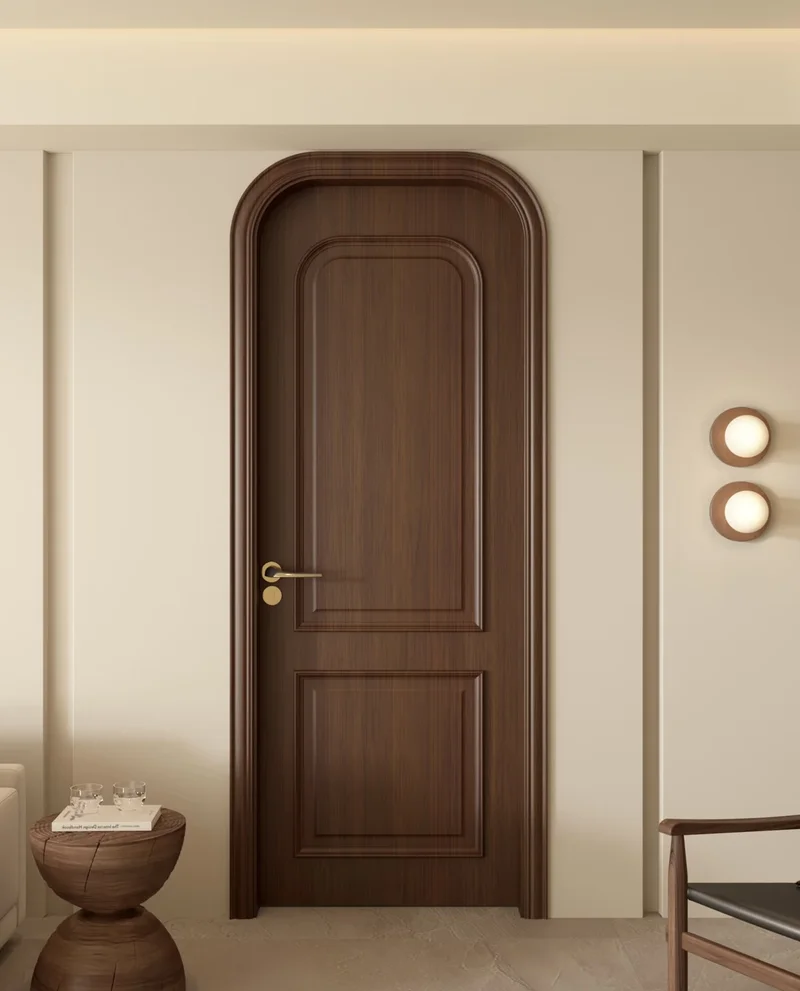
Moreover, ash supports advanced customization in hardware integration. Concealed pivots, magnetic latches, and automated sliding mechanisms are seamlessly embedded within stiles and rails, maintaining unbroken surface planes. This compatibility with integrated technology underscores ash’s role in contemporary design where functionality and form are inseparable.
For projects demanding uniqueness, hand-textured surfaces—wire-brushed, fumed, or hand-planed finishes—add subtle tactile dimension while preserving tonal uniformity across units. Each door becomes a singular artifact, aligned with the designer’s vision yet unified within the broader architectural narrative.
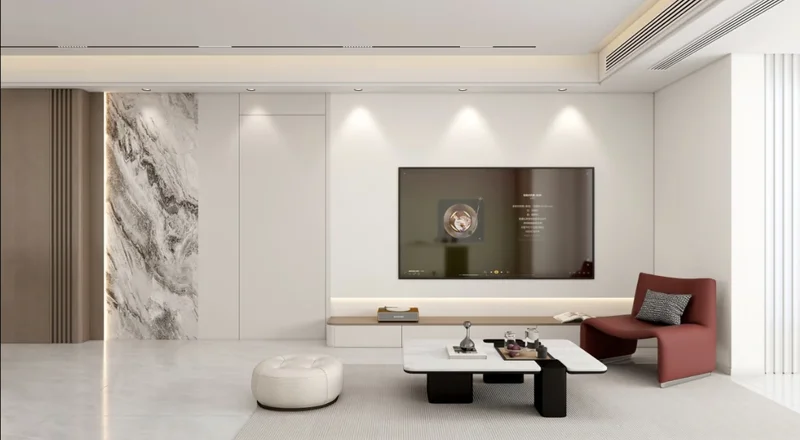
Ultimately, the synergy of ash’s physical properties and artisanal adaptability allows for uncompromising realization of bespoke design intent—transforming functional elements into refined architectural statements that embody both restraint and craftsmanship.
Frequently Asked Questions
What makes ash solid wood an ideal choice for minimalist designer doors?
Ash solid wood offers a clean, uniform grain with a light, neutral tone that complements minimalist aesthetics by enhancing tranquility and spatial openness. Its high strength-to-weight ratio and excellent workability allow for sleek, slim-profile designs without compromising durability—ideal for high-end residential and commercial projects where refined simplicity is paramount.
How does the stability of ash compare to other hardwoods in door construction?
Ash exhibits superior dimensional stability compared to oak and maple, particularly when kiln-dried to a 6–8% moisture content. Its straight grain and low expansion coefficient reduce warping risks in modern, frameless door designs. For climate-controlled designer interiors, this ensures long-term performance with minimal maintenance.
Can ash solid wood doors support ultra-minimalist framing and hidden hinges?
Yes—ash’s structural integrity allows for slender stile-and-rail profiles and integration with concealed European hinges and magnetic closure systems. When engineered with cross-laminated cores or hybrid frames, ash maintains rigidity even in large-format doors exceeding 90 inches in height, supporting frameless cabinetry and flush-mounted installations.
What finish options best enhance the minimalist appeal of ash doors?
Matte or satin water-based polyurethane finishes preserve ash’s natural texture while resisting UV yellowing. For ultra-contemporary settings, bleached or white-washed oils subtly amplify grain contrast without dark accents. Micro-pigmented hardwax oils offer tactile smoothness and repairability—critical for seamless wall-to-door visual continuity.
How do ash doors perform acoustically in open-plan designer spaces?
When constructed with a five-ply core or paired with acoustic seals and thresholds, solid ash doors achieve STC (Sound Transmission Class) ratings of 35–40, effectively isolating bedrooms or home offices. The dense, closed-cell structure of ash absorbs mid-frequency sound, making it suitable for minimalist lofts and multi-functional environments.
Are there sustainable sourcing certifications to look for with ash wood?
Designers should specify FSC (Forest Stewardship Council) or PEFC-certified ash sourced from responsibly managed temperate forests, particularly in North America and Northern Europe. Given ash’s vulnerability to the emerald ash borer, verifiable chain-of-custody documentation ensures ecological integrity and supports regenerative forestry practices.
What construction methods ensure longevity in high-traffic designer installations?
Stave-core or finger-jointed solid ash construction with CNC-milled joinery minimizes internal stress and prevents splitting. Adding a rigid steel or aluminum subframe—especially in pivot or sliding configurations—enhances load distribution. Factory pre-finishing in controlled environments also ensures uniform coating adhesion and durability.
How do ash doors integrate with smart home automation systems?
Ash doors can be engineered to embed low-profile electric strikes, in-frame sensors, and wireless actuators without disrupting surface continuity. For minimalist smart interiors, use mortised RFID or capacitive touch latches that eliminate visible hardware while maintaining wood integrity through precision routing.
What are the fire safety considerations for ash wood in commercial designer projects?
Solid ash has a Class C flame spread rating but can meet Class A requirements when treated with intumescent fire-retardant coatings that remain invisible under matte finishes. For compliance in commercial applications, specify ash doors tested to ASTM E84 and paired with fire-rated core materials like mineral boards.
Can ash doors be customized for asymmetrical or oversized openings in modern architecture?
Yes—engineered ash doors using vertical lamination or hybrid frameworks (e.g., ash veneer over a fire- and sound-rated core) enable spans up to 48 inches wide and 10 feet tall. CNC profiling ensures precision fitment in non-standard reveals, accommodating architectural designs requiring cantilevered or double-height door elements.
How does ash compare to engineered wood or MDF in high-end minimalist builds?
Unlike MDF or laminated composites, solid ash offers authentic grain depth, repairability, and aging characteristics preferred in bespoke interiors. It accepts hardware and finishes with surgical precision and develops a refined patina over time—qualities that engineered alternatives cannot authentically replicate in luxury contexts.
What maintenance protocols preserve the integrity of ash minimalist doors?
Routine dusting with a microfiber cloth and annual conditioning with pH-neutral wood oil prevents surface desiccation. Avoid silicone-based sprays; instead, use maintenance oils matched to the original finish. For commercial installations, schedule biannual inspections of hinge alignment and seal compression to maintain flush operation.