Red Oak Solid Wood Doors with Heavy-Duty Hinges: Custom Oversized Interior Door Solutions
Elevate interior spaces with the timeless elegance and structural integrity of red oak solid wood doors, where natural beauty meets uncompromising durability. Specially crafted for discerning architects, designers, and homeowners, these custom oversized doors deliver a commanding presence in any environment, from grand foyers to expansive living areas. Precision-engineered to accommodate larger dimensions without sacrificing performance, each door is reinforced with heavy-duty hinges designed to support substantial weight while ensuring smooth, silent operation over years of use. The rich grain patterns and warm undertones of red oak add a sophisticated aesthetic that enhances both traditional and contemporary interiors. Fully customizable in size, finish, and hardware configuration, these doors offer tailored solutions for unique architectural challenges. Whether redefining residential luxury or upgrading commercial spaces, red oak solid wood doors with heavy-duty hinges represent the perfect fusion of form, function, and long-term value—transforming doorways into statements of enduring craftsmanship and refined design.
Why Red Oak Is the Premium Choice for Solid Wood Interior Doors
- Premium hardwood species known for its consistent grain, durability, and natural luster
- Tight, straight grain structure enhances dimensional stability—critical for oversized door applications
- High Janka hardness rating (1,290 lbf) ensures resistance to dents, wear, and daily impact in high-traffic interior environments
- Superior response to staining and finishing; accepts clear finishes exceptionally well, highlighting natural grain variation and warm amber undertones
- Low shrinkage ratio contributes to long-term performance in controlled interior climates, minimizing warping or twisting
- Proven longevity—structures with red oak doors routinely exceed 50 years of service with minimal maintenance
Red oak is the preeminent hardwood for solid wood interior doors due to its optimal balance of mechanical performance, aesthetic versatility, and workability. Its cellular structure allows for precise milling and clean edge detailing, essential for custom oversized profiles exceeding standard dimensions. When engineered with heavy-duty hinges and proper framing, red oak doors maintain structural integrity without sagging or binding—common failure points in lesser species.
Unlike engineered composites or softwoods, red oak provides authentic density and mass, contributing to acoustic insulation and a premium tactile experience. The wood’s open pore structure bonds reliably with modern adhesives and finishes, ensuring long-term finish adhesion across seasonal humidity shifts. This is particularly critical in interior applications where climate control fluctuates but visual consistency is expected.
Additionally, red oak’s availability from sustainably managed North American forests ensures traceable sourcing without compromising performance. It machines cleanly for bespoke hardware integration, including concealed hinges, multi-point locking systems, and sound-dampening seals—features increasingly demanded in luxury residential and commercial environments.
From a design standpoint, red oak’s warm tonality complements both traditional millwork and minimalist modern interiors. Its ability to be stained to mimic more exotic species—or finished naturally to express inherent character—makes it the material of choice for architects specifying custom interior door solutions. When combined with heavy-duty hinge systems designed to support weights exceeding 200 lbs, red oak delivers unmatched reliability, elegance, and engineering precision in oversized applications where failure is not an option.
Engineering Strength: Heavy-Duty Hinges for Maximum Door Support
-
Precision-engineered heavy-duty hinges are an indispensable component in the structural integrity and long-term performance of oversized red oak solid wood doors. These doors, often exceeding standard dimensions and weight thresholds, generate substantial torque and stress on hinge points, necessitating a support system designed for sustained load capacity and minimal deflection.
-
Standard residential hinges, typically rated for doors under 40 pounds, are inadequate for solid red oak units, which can weigh 80 to over 150 pounds depending on dimensions and thickness. Heavy-duty hinges—constructed from forged steel or stainless steel with a minimum thickness of 0.135 inches—provide the necessary tensile strength and resistance to shear forces. Continuous (piano) hinges, when specified, distribute load evenly across the entire door height, reducing localized stress and enhancing alignment stability over time.
-
Hinge placement and quantity are critical. For doors exceeding 80 inches in height or 36 inches in width, a minimum of three hinges is recommended, with spacing calculated to balance weight distribution and prevent sagging. The use of ball-bearing hinges further reduces friction during operation, ensuring smooth articulation and minimizing wear on both hinge knuckles and door frame mortises.
-
Material compatibility is paramount. Red oak, with its pronounced grain and density, demands robust fasteners. Hinges must be secured with #10 or #12 structural screws, minimum 2.5 inches in length, driven fully into solid wood or embedded blocking. Machine-threaded screws with hardened tips provide superior pull-out resistance compared to self-tapping varieties.
-
Surface finish and corrosion resistance also influence longevity. Hinges with a zinc or powder-coated finish resist environmental degradation, especially in high-humidity environments, while maintaining aesthetic coherence with premium interior finishes.
-
Performance validation through load testing and cycle endurance assessments ensures compliance with ASTM and ANSI standards. Reputable manufacturers provide certification data documenting performance under sustained static and dynamic loads, a critical consideration in commercial or high-traffic applications.
-
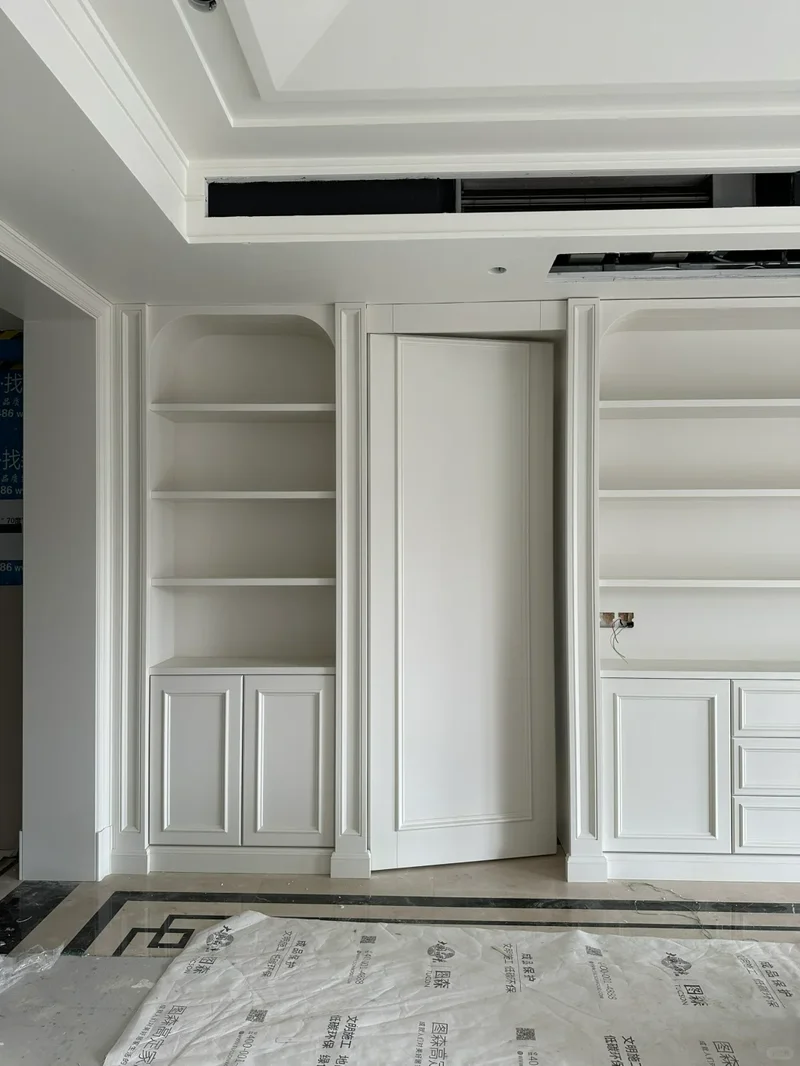
In summary, heavy-duty hinges are not merely hardware but engineered support systems. Their integration with red oak solid wood doors must be approached with structural rigor, ensuring decades of reliable operation, dimensional stability, and alignment integrity under demanding conditions.
Designing for Impact: Benefits of Oversized Solid Wood Door Customization
-
Customization of oversized solid wood doors, particularly in red oak, offers architectural and functional advantages that elevate interior environments. Red oak, with its pronounced grain and inherent strength, serves as an ideal material for large-scale door applications where durability and visual impact are paramount. When engineered with heavy-duty hinges and tailored to non-standard dimensions, these doors transition beyond mere entryway elements to become defining features within high-end residential and commercial spaces.
-
A primary benefit lies in the door’s capacity to establish spatial hierarchy. Oversized doors command attention, creating a sense of arrival and significance at key thresholds—such as master suites, libraries, or executive offices. The expansive surface area amplifies the natural beauty of red oak, allowing its warm tonality and grain variation to contribute to the room’s overall material palette. Customization ensures precise integration within unique architectural openings, eliminating compromises in proportion or alignment common with off-the-shelf alternatives.
-
Functionally, oversized doors demand robust hardware and structural consideration. Heavy-duty hinges—such as continuous pivot or ball-bearing butt hinges—are essential to support increased mass, prevent sagging, and ensure smooth, long-term operation. When paired with meticulous balancing and frame reinforcement during installation, these systems deliver silent, reliable performance over decades. Custom fabrication allows for hinge placement optimization, accommodating door weights exceeding standard thresholds while preserving clean sightlines and design integrity.
-
Acoustic performance is another critical advantage. Solid red oak doors, especially at increased thickness and size, provide superior sound attenuation compared to hollow or composite alternatives. This is particularly valuable in environments requiring privacy or noise control, such as home theaters, recording studios, or executive conference areas.
-
From a sustainability perspective, red oak is a renewable resource with excellent longevity. A well-maintained solid wood door reduces lifecycle replacement needs, supporting long-term environmental and economic efficiency. Customization further enhances sustainability by minimizing material waste through precision manufacturing.
-
Ultimately, the convergence of material excellence, structural engineering, and tailored design transforms oversized red oak doors into enduring elements of functional artistry—balancing aesthetic authority with uncompromised performance.
Tailored to Fit: Custom Dimensions and Finishes for Red Oak Doors
-
Precision craftsmanship defines the core value of custom red oak solid wood doors, where dimensional accuracy and finish quality directly influence both functionality and aesthetic integration within architectural spaces. Unlike mass-produced alternatives, custom oversized interior doors in red oak are engineered to align with exact structural openings, eliminating compromises in seal integrity, operation, and visual proportion.
-
Dimensional customization extends beyond standard height and width adjustments. Doors are routinely fabricated to accommodate non-standard wall thicknesses, vaulted entryways, and asymmetrical jambs, with typical widths ranging from 36 inches to over 48 inches and heights exceeding 96 inches. Each unit is constructed using kiln-dried, quarter-sawn or flat-sawn red oak to minimize warping and enhance grain consistency, ensuring long-term stability in variable indoor environments.
-
Heavy-duty hinges—typically oil-rubbed bronze or stainless steel pivot systems—are integrated during fabrication to support the increased mass of oversized doors, often exceeding 150 pounds. Hinge placement and reinforcement are calculated based on door dimensions and swing dynamics, with mortised mounting ensuring structural alignment and enduring performance.
-
Surface finishes are applied to complement interior design intent while protecting the wood substrate. Options include:
- Clear satin or gloss polyurethane for natural grain enhancement
- Custom stain profiles matching specified color palettes (e.g., warm honey, medium fumes, or espresso wash)
- Hand-rubbed oil finishes for tactile depth and reduced sheen
- Pre-catalyzed lacquer for high-traffic commercial applications requiring abrasion resistance
-
All finishes are UV-inhibited and applied in climate-controlled environments to ensure uniform adhesion and eliminate orange peel or dust inclusion. Edge sealing is standard, mitigating moisture ingress at vulnerable terminations.
-
Hardware coordination, including mortise locks, deadbolts, and silent-closing mechanisms, is pre-fitted to align with custom door profiles. Final quality verification includes dry installation checks to confirm swing clearance, threshold alignment, and latching precision prior to delivery.
-
The synthesis of custom dimensions, durable materials, and refined finishing positions red oak doors as both functional components and design statements, engineered for longevity and tailored to architectural specificity.
Installation and Long-Term Performance of Custom Red Oak Door Systems
-
Custom red oak door systems demand precise installation protocols to ensure long-term performance and structural integrity. Given their oversized dimensions and solid wood construction, these doors require specialized handling and alignment to prevent warping, binding, or premature wear on hardware.
-
Prior to installation, acclimate the door on-site for a minimum of 72 hours in the environment where it will be installed. Relative humidity should be maintained between 35% and 55%, and temperatures between 65°F and 75°F to minimize post-installation dimensional changes.
-
Use heavy-duty, ANSI Grade 1 ball-bearing hinges, minimum three per door for standard heights, with four or more recommended for doors exceeding 80 inches or 2 inches in thickness. Hinge mortises must be cut precisely to ensure full seating and uniform load distribution. Screws should engage solid framing—verify stud alignment and use lag screws or threaded inserts where necessary for enhanced pull-out resistance.
-
Frame alignment is critical. The rough opening must be plumb, level, and square within 1/8 inch over 8 feet. Shim consistently at hinge locations and latch points to prevent stress on the jamb. Use a compression seal or adjustable threshold system to manage seasonal expansion while maintaining consistent clearance—3/16 inch recommended around perimeter.
-
Post-installation, monitor door operation seasonally. Adjust hinges as needed to compensate for subtle wood movement due to humidity cycling. Lubricate hinge pins semi-annually with a silicone or PTFE-based lubricant to maintain smooth operation and prevent metal fatigue.
-
Long-term performance hinges on consistent environmental control and preventive maintenance. Red oak, while dimensionally stable for a hardwood, remains hygroscopic. Uncontrolled humidity shifts can lead to cupping, gapping at stops, or latching issues. Recommend integration with building HVAC systems to stabilize ambient conditions.
-
Inspect hardware annually for signs of wear, corrosion, or loosening. Re-torque hinge screws and replace any compromised components promptly. Refinishing may be required over extended periods—spot sand and recoat with compatible finishes to preserve wood integrity without altering dimensional fit.
-
When executed with precision, custom red oak door systems deliver decades of reliable service, combining aesthetic longevity with mechanical resilience in high-traffic interior applications.
Frequently Asked Questions
What are the best heavy-duty hinges for red oak solid wood doors?
For red oak solid wood doors, especially oversized or heavy variants, continuous (piano) hinges or commercial-grade ball-bearing butt hinges made from stainless steel or heavy-gauge steel are optimal. Look for hinges with a minimum load rating of 100 lbs per hinge, such as those conforming to ANSI/BHMA Grade 1 standards. Oil-tempered ball bearings ensure long-term smooth operation under stress.
How do I prevent sagging in oversized red oak solid wood doors?
To prevent sagging, use at least three 4.5” x 4.5” heavy-duty ball-bearing hinges with a mortised installation. Reinforce hinge mortises with plywood or hardwood backing, and align all hinge leaves precisely. Anchor hinges into wall framing with 3” structural screws instead of relying solely on wallboard anchors. Additionally, incorporate a secure strike plate and consider a door bottom pivot for doors exceeding 80 lbs or 8 feet in height.
Can I customize the size of red oak solid wood doors beyond standard dimensions?
Yes, red oak solid wood doors can be custom-manufactured up to 48” wide and 10 feet tall using engineered stave-core or laminated construction to maintain stability. For widths over 36”, a divided light or mullion reinforcement is recommended to reduce warping. Custom sizing requires precise climate control during fabrication and kiln-dried lumber (6–8% moisture content) to ensure dimensional accuracy.
What hinge finish best complements red oak’s natural grain?
Satin brass, oil-rubbed bronze, or matte black finishes enhance the warm undertones of red oak without overpowering its natural grain. For a modern contrast, brushed nickel or gunmetal adds sophistication. Always choose PVD (physical vapor deposition) coatings for outdoor or high-traffic applications to prevent tarnishing and wear.
How do I ensure proper alignment when installing heavy hinges on red oak doors?
Use a precision hinge jig or template to ensure consistent mortising depth and alignment across all hinge locations. Dry-fit hinges and door before final installation, and utilize adjustable Euro-style hinges if working with frame variations. Laser levels and digital angle finders help maintain a 90° face alignment between door and frame under load.
Should I use frame reinforcement when hanging oversized red oak doors?
Yes, especially for doors exceeding 200 lbs or used in high-traffic environments. Install a steel-reinforced header or laminated framing member above the rough opening. Use a structural hinge reinforcement plate extending into the stud cavity, and fasten hinges directly to jack and king studs with through-bolts or lag screws to distribute weight effectively.
What environmental factors affect red oak solid wood door stability?
Red oak is hygroscopic and sensitive to humidity fluctuations, leading to seasonal swelling or shrinkage. Maintain indoor relative humidity between 35–55% using HVAC or dehumidifiers. Seal all six sides of the door with a high-quality conversion varnish or moisture-cured urethane to minimize moisture exchange and prevent warping or checking.
How does stave core construction improve oversized red oak door performance?
Stave core construction uses vertically aligned red oak blocks edge-glued under high pressure, reducing internal stress and enhancing dimensional stability compared to flat-sawn solid panels. This method minimizes cross-grain expansion and supports heavier weights, making it ideal for custom oversized doors with minimal warping risk over time.
Are there fire-rated options for custom heavy red oak doors with industrial hinges?
Yes, custom red oak doors can achieve fire ratings (e.g., 20- or 90-minute) by incorporating intumescent core materials, fire-rated edge seals, and compatible steel-reinforced frames. Hinges must be fire-rated (UL-listed), and all hardware (including hinge locations) must conform to NFPA 80 standards. Consult a certified door assembler for compliance documentation.
What maintenance schedule is recommended for heavy-duty hinges on solid wood doors?
Inspect hinges quarterly for signs of wear, misalignment, or lubricant depletion. Apply a silicone-free, high-viscosity lubricant (e.g., white lithium grease) to pivot points biannually. Check hinge screws annually and torque to manufacturer specs—loose screws are the leading cause of hinge failure on heavy doors.
Can oversized red oak doors be pre-hung with heavy hinges for commercial installations?
Yes, pre-hung units with custom red oak doors are standard in commercial applications. Use structural steel or laminated wood jambs, factory mortised for Grade 1 hinges. Full overlay, non-removable hinge pins prevent tampering and support continuous use. Ensure the entire unit is crated and transported vertically to prevent frame distortion.
How do I address thermal expansion in exterior red oak doors with oversized hinges?
For exterior use, allow 1/8” seasonal movement at head and jambs using oversized hinge barrel clearances or slotted mounting holes. Use stainless steel fasteners to prevent galvanic corrosion and install drip caps or kerfs above doors to manage water runoff. Finish with an exterior-grade spar urethane in multiple coats to protect against UV and thermal cycling.