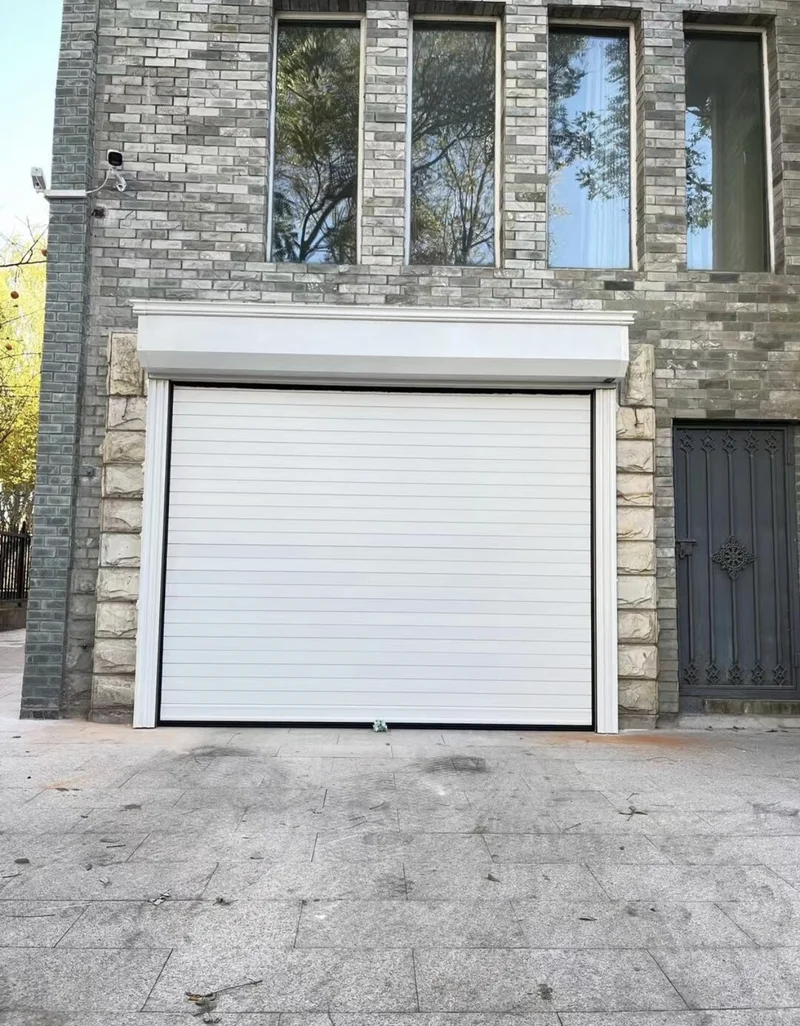
Energy-Efficient Steel Garage Doors: How Thermal Insulation Cuts Costs & Boosts Comfort
In today’s energy-conscious world, homeowners are increasingly turning to innovative solutions that enhance efficiency without sacrificing durability or style—enter steel garage doors with advanced thermal insulation. Far more than a protective barrier for your vehicle, these high-performance doors play a pivotal role in stabilizing indoor temperatures, reducing energy loss, and lowering utility costs. Engineered with insulated steel panels and thermal breaks, they minimize heat transfer between your garage and living spaces, creating a more comfortable home environment year-round. Whether your garage is attached or part of a living area, thermal insulation helps maintain consistent temperatures, easing the burden on your HVAC system. Modern designs combine sleek aesthetics with superior functionality, proving that energy efficiency and curb appeal aren’t mutually exclusive. Investing in an insulated steel garage door isn’t just a practical upgrade—it’s a strategic move toward long-term savings, improved comfort, and sustainable living.
Why Insulated Steel Garage Doors Are Essential for Modern Homes
-
Superior Thermal Performance
Insulated steel garage doors are engineered to minimize heat transfer between the garage and adjacent living spaces or outdoor environments. With typical insulation values ranging from R-10 to R-18, these doors significantly reduce conductive heat loss or gain. This thermal resistance is critical in maintaining stable indoor temperatures, particularly in homes where the garage shares a wall or ceiling with conditioned spaces. Uninsulated or poorly insulated doors act as thermal bridges, undermining the efficiency of HVAC systems and increasing energy demand. -
Energy Cost Reduction
A thermally broken steel garage door directly contributes to measurable energy savings. In colder climates, insulation prevents warm interior air from escaping through the garage, reducing heating loads. Conversely, in warmer regions, it limits solar heat infiltration, lowering cooling requirements. Studies indicate that homes with insulated garage doors can achieve up to 20% reduction in HVAC energy consumption compared to those with non-insulated alternatives. This efficiency translates into lower utility bills and a faster return on investment. -
Enhanced Interior Comfort
Thermal insulation in steel garage doors mitigates temperature stratification and drafts within the garage and connected areas. This is particularly impactful in attached garages, where temperature extremes can affect adjacent rooms, hallways, or home offices. By stabilizing thermal conditions, insulated doors improve occupant comfort and support consistent indoor air quality by reducing the need for mechanical intervention. -
Structural Integrity and Long-Term Value
Beyond thermal benefits, insulated steel doors offer superior rigidity due to their sandwich-panel construction—typically consisting of steel facings bonded to a polyurethane or polystyrene core. This design enhances durability, reduces panel flexing, and resists warping from thermal cycling. The result is a longer service life and reduced maintenance compared to single-skin or uninsulated counterparts. -
Noise Dampening and Security
The insulating core also acts as an acoustic barrier, attenuating external noise from traffic, weather, or automatic door operation. Additionally, the reinforced structure provides greater resistance to forced entry, elevating home security.
In modern residential construction, where energy efficiency, comfort, and durability are paramount, insulated steel garage doors are not a luxury—they are a fundamental component of high-performance building envelopes.
Understanding R-Value: Measuring Thermal Performance in Garage Doors
-
R-value is a standardized measure of thermal resistance, quantifying a material’s ability to resist conductive heat flow. In the context of garage doors, it serves as a critical performance indicator for insulation effectiveness. A higher R-value signifies greater resistance to heat transfer, directly influencing the energy efficiency of the structure.
-
Garage doors are often the largest moving opening in a home, and an uninsulated or poorly insulated door can significantly compromise thermal performance. Steel garage doors, while structurally robust, conduct heat readily unless paired with proper insulation. The R-value accounts for the insulation type, thickness, and construction method—factors that collectively determine how well the door maintains interior temperature stability.
-
Common insulating materials used in steel garage doors include polyurethane and polystyrene. Polyurethane, typically injected as a foam, offers superior R-values (ranging from R-10 to R-19 for standard residential doors) due to its high density and seamless fill. Polystyrene, often in rigid board form, provides moderate insulation (typically R-6 to R-10) and may leave gaps if not precisely fitted.
| Insulation Type | Typical R-Value Range | Key Characteristics |
|---|---|---|
| Polyurethane (foam) | R-10 to R-19 | High thermal resistance, fills cavities completely |
| Polystyrene (board) | R-6 to R-10 | Lower cost, may have thermal gaps |
-
It is essential to recognize that R-value is measured for the entire door assembly, not just the insulation core. Thermal bridging—heat loss through uninsulated steel sections or gaps in the structure—can significantly reduce effective performance. High-performance doors utilize thermal breaks and full-panel insulation to minimize these effects.
-
For residential applications, an R-value of R-12 or higher is recommended in temperate climates, while R-16 to R-19 is ideal for extreme climates or attached garages where temperature control is critical. Achieving optimal R-value not only reduces heating and cooling loads but also enhances comfort in adjacent living spaces and improves long-term energy cost savings.
Top Benefits of Thermal Insulation in Steel Garage Doors
- Significant reduction in energy transfer through the garage envelope, minimizing heat loss in winter and heat gain in summer
- Enhanced thermal performance of adjacent living spaces, particularly in homes where garages share walls or ceilings with conditioned areas
- Lower HVAC system load due to stabilized interior temperatures, extending equipment lifespan and reducing maintenance costs
- Measurable decrease in monthly heating and cooling expenses, with insulated steel doors contributing to overall building energy efficiency
- Improved indoor comfort in attached garages used as workshops or multipurpose spaces, maintaining more consistent temperatures year-round
- Mitigation of condensation formation on door surfaces and hardware, reducing long-term corrosion risk and preserving door integrity
- Contribution to broader home energy conservation strategies, aligning with utility incentive programs and green building certifications
Thermal insulation in steel garage doors delivers substantial performance advantages by interrupting conductive heat flow through the largest moving component of a building’s thermal envelope. Modern insulated steel doors typically feature polyurethane foam cores with thermal resistances (R-values) ranging from R-10 to R-19, significantly outperforming non-insulated counterparts. This insulation layer reduces thermal bridging across steel skins, suppressing surface temperature differentials that drive heat exchange.
In climates with extreme temperatures, uninsulated garage doors act as thermal bypasses, allowing rapid energy transfer that impacts not only the garage but also adjacent conditioned spaces. Insulated doors mitigate this effect, reducing convective air movement and stabilizing interior conditions. Studies indicate that proper garage door insulation can reduce energy losses by up to 20% in attached configurations, particularly where shared walls lack continuous insulation.
Beyond energy metrics, thermal insulation enhances operational durability. Temperature stabilization minimizes expansion and contraction cycles in door components, reducing stress on hinges, tracks, and seals. Additionally, reduced condensation lowers the risk of rust and mold, especially in humid environments.
From a lifecycle cost perspective, the upfront investment in thermal insulation yields compounding returns through energy savings, reduced mechanical wear, and protection of stored contents. For homeowners prioritizing efficiency, comfort, and long-term value, high-performance insulated steel garage doors represent a critical, often overlooked element of holistic building performance.
Choosing the Right Insulated Steel Garage Door for Your Climate
-
Selecting the appropriate insulated steel garage door requires a detailed understanding of regional climate demands and material performance. Thermal efficiency is not a one-size-fits-all metric; it must align with local temperature extremes, humidity levels, and seasonal fluctuations to deliver optimal energy savings and structural longevity.
-
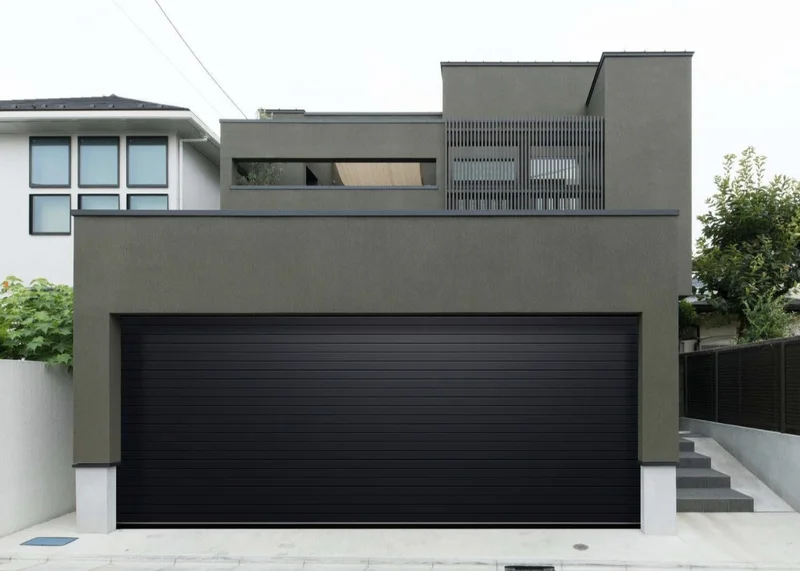
In cold climates—such as northern U.S. regions or high-altitude areas—prioritize doors with high R-values, ideally R-16 or above. These doors minimize heat transfer, reducing the load on heating systems and preventing freezing of garage contents. Look for continuous foam insulation (polyurethane) that is thermally broken from exterior and interior steel skins to avoid thermal bridging. Steel thickness (gauge) should be 24-gauge or lower for durability under snow and ice accumulation.
-
For hot and humid climates—like the southeastern U.S.—solar heat gain and moisture control are primary concerns. Choose doors with reflective finishes or light-colored panels to mitigate solar absorption. Insulation remains critical; an R-value of R-12 to R-16 helps block radiant heat from entering conditioned or semi-conditioned spaces. Ensure the door includes a vapor barrier or is constructed with moisture-resistant insulation to prevent condensation and steel corrosion.
-
In regions with fluctuating temperatures—such as the Midwest—select doors with balanced thermal and structural performance. Dual-layer insulation systems combining polyurethane with thermally separated sections can manage both winter heat loss and summer heat gain. Reinforced section joints and weather-tight seals minimize air infiltration, which is particularly valuable during rapid temperature shifts.
-
Consider local building codes and energy efficiency standards (e.g., IECC, ENERGY STAR) as baseline requirements. Many utility providers offer rebates for high-performance garage doors, which can offset initial costs.
-
Finally, evaluate installation quality as part of performance. Even the most advanced door will underperform if improperly sealed or aligned. Choose certified installers experienced with thermal envelope integration.
| Climate Zone | Recommended R-Value | Key Features |
|---|---|---|
| Cold (Zone 5–7) | R-16 to R-19 | High-density polyurethane, thermal breaks |
| Hot-Humid (Zone 1–2) | R-12 to R-16 | Reflective finishes, vapor-resistant cores |
| Mixed (Zone 3–4) | R-14 to R-16 | Dual seals, thermally broken sections |
Investing in climate-appropriate insulated steel doors ensures long-term energy savings, structural integrity, and improved indoor comfort.
Installation and Maintenance Tips to Maximize Energy Efficiency
-
Ensure precise alignment of door panels during installation to minimize air infiltration. Misaligned sections create gaps that compromise the thermal envelope, reducing the effectiveness of insulation and increasing energy transfer.
-
Install perimeter and threshold seals rated for thermal performance. High-quality, compression-resistant weatherstripping at the sides, top, and bottom of the door prevents convective heat loss and blocks drafts, particularly in climates with significant temperature variation.
-
Verify that the door’s insulation type—whether polyurethane or polystyrene—matches the manufacturer’s stated R-value. Field-applied polyurethane foam, injected during manufacturing, typically achieves higher R-values (up to R-18) and fills cavities more uniformly than pre-formed inserts.
-
Integrate thermal breaks in the door’s structural design, especially in multi-paneled steel doors. These breaks reduce thermal bridging between exterior and interior steel surfaces, maintaining consistent surface temperatures and minimizing condensation risks.
-
Align the door’s operation with the building’s thermal zone. Avoid frequent cycling in conditioned spaces; consider installing a personnel door within the larger garage door to limit air exchange when accessing the garage.
-
Schedule biannual inspections to assess seal integrity, hinge lubrication, and track alignment. Degraded seals or misaligned hardware increase operational resistance and can create micro-leaks that diminish thermal efficiency over time.
-
Use insulated torsion springs and hardware where available. Though not primary insulators, these components reduce mechanical stress and support smoother operation, indirectly preserving door alignment and seal performance.
-
Ensure proper integration with the garage’s ventilation strategy. In conditioned garages, balance exhaust and intake to prevent negative pressure that pulls conditioned air from the home. In unconditioned spaces, avoid excessive ventilation that introduces uncontrolled thermal loads.
-
Calibrate opener force settings to prevent excessive pressure on the door during closure. Over-tightening can deform panels or compress seals prematurely, leading to long-term gaps and reduced insulation effectiveness.
-
Monitor for condensation on interior door surfaces, particularly in humid climates. Persistent moisture indicates inadequate vapor management or insufficient insulation performance, which may require supplemental sealing or insulation upgrades.
Proper installation and consistent maintenance directly influence the real-world performance of insulated steel garage doors. Attention to sealing, alignment, and material integrity ensures that the rated thermal efficiency is achieved and sustained across the door’s service life.
Frequently Asked Questions
What makes steel garage doors with thermal insulation more energy efficient?
Steel garage doors with thermal insulation reduce heat transfer between the interior and exterior environments, helping maintain stable indoor temperatures. High R-value insulated steel doors minimize energy loss, reducing the load on HVAC systems. This thermal resistance is especially beneficial in attached garages, where temperature fluctuations can impact overall home energy efficiency.
How is the insulation performance of steel garage doors measured?
Insulation performance is measured by R-value, which indicates thermal resistance. The higher the R-value, the better the insulation. Typical insulated steel garage doors range from R-6 to R-19, with higher R-values offering superior energy efficiency. Multi-layer construction with polyurethane foam injection provides the best performance compared to polystyrene or less dense materials.
Are steel garage doors with insulation more durable than non-insulated ones?
Yes, insulated steel garage doors are generally more durable due to their composite construction. The added insulation—usually polyurethane—acts as a structural adhesive, reinforcing the steel panels and increasing rigidity. This improves resistance to dents, warping, and long-term wear, especially in extreme weather conditions.
Can insulated steel garage doors help reduce noise?
Absolutely. The thermal insulation in steel garage doors also provides significant sound dampening benefits. Polyurethane-insulated doors absorb and block external noise, making them ideal for homes with living spaces above or adjacent to the garage. This acoustic insulation enhances overall indoor comfort.
What types of insulation are used in energy-efficient steel garage doors?
The two primary types are polyurethane and polystyrene. Polyurethane foam, often injected and expanded in place, delivers higher R-values (up to R-19) and bonds with steel panels for added strength. Polystyrene, while less expensive, offers lower insulation performance (typically R-6 to R-8) and is more prone to panel separation.
How do insulated steel garage doors affect home energy bills?
By minimizing air leakage and thermal bridging, insulated steel garage doors reduce the amount of conditioned air lost through the garage—especially in attached configurations. This improvement translates into measurable reductions in heating and cooling costs, particularly in climates with extreme temperatures.
Should I insulate just the garage door or the entire garage for optimal energy efficiency?
For optimal performance, insulate both the garage door and garage walls, seal gaps, and insulate the attic if applicable. However, upgrading to a high-R-value steel garage door is the most impactful single improvement, as the door typically has the largest un-insulated surface area exposed to outdoor conditions.
What is thermal bridging, and how do insulated steel garage doors prevent it?
Thermal bridging occurs when heat transfers through conductive materials—like uninsulated steel—creating pathways for energy loss. Insulated steel doors incorporate a continuous layer of foam insulation that breaks these thermal bridges, significantly reducing conductive heat flow and improving overall thermal performance.
Are steel garage doors with insulation worth the higher upfront cost?
Yes, the long-term energy savings, increased durability, noise reduction, and enhanced comfort typically justify the higher initial investment. In cold and hot climates especially, homeowners often recoup costs over time through reduced HVAC usage and longer door lifespan.
How do I choose the right R-value for my climate?
In moderate climates, an R-12 to R-14 door is sufficient. For extreme cold or hot regions, opt for R-16 or higher. Consider both heating degree days (HDD) and cooling degree days (CDD) in your area. A door with R-19 provides maximum efficiency for year-round climate control, particularly in attached or conditioned garages.
Can insulated steel garage doors be customized for energy efficiency?
Yes, many manufacturers offer customization including higher R-values, reinforced edge seals, thermal breaks in the frame, and weather-resistant coatings. Optional upgrades like LED lighting integration and smart openers further enhance energy performance when tied into home automation systems.
Do insulated steel garage doors require special maintenance to maintain energy efficiency?
Routine maintenance includes checking weatherstripping for wear, ensuring seals are intact, and lubricating moving parts to prevent gaps. Avoid painting with dark, heat-absorbing colors in hot climates. Periodic inspection of panel integrity helps maintain insulation performance and energy efficiency over time.