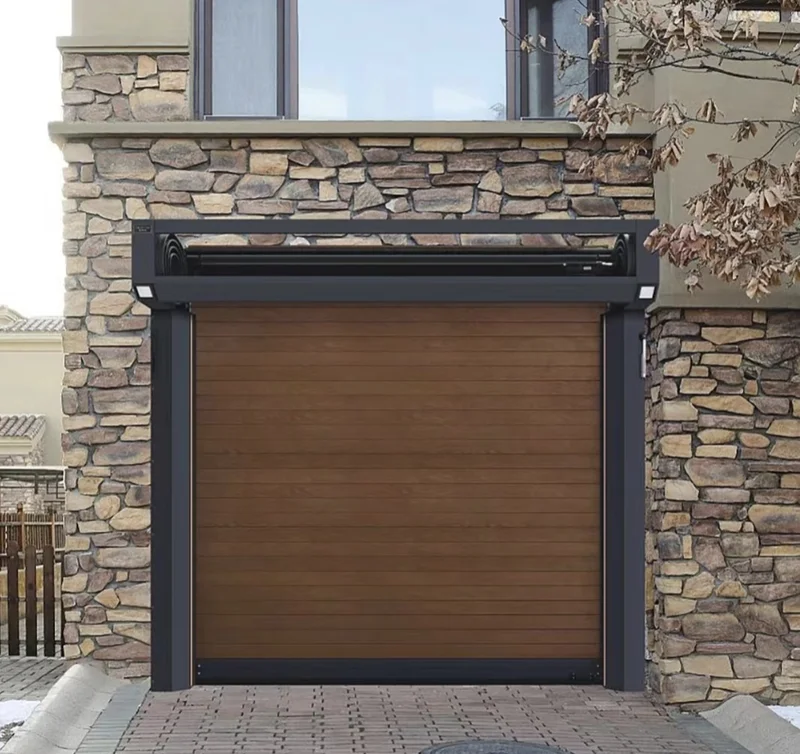
Garage door ODM for custom garage solutions
In today’s discerning market, a garage door is far more than a functional entry point; it is a critical element of a property’s curb appeal, security, and architectural harmony. For businesses seeking to offer truly bespoke solutions that reflect unique design visions and precise technical requirements, standard catalog offerings often fall short. This is where the strategic power of Garage Door Original Design Manufacturing (ODM) becomes indispensable. Partnering with a proficient ODM provider transforms possibilities, enabling brands to deliver custom-engineered garage doors that seamlessly integrate innovative materials, advanced automation, and distinctive aesthetics. This collaborative approach empowers you to move beyond generic products, crafting exceptional, tailor-made solutions that elevate your portfolio and meet the exacting demands of architects, builders, and homeowners alike.
Tailored Garage Solutions: How Our ODM Process Delivers Custom Fit and Functionality
Our ODM process is engineered to translate architectural specifications into high-performance garage door systems with precise fit and function. We begin with a collaborative technical audit of your project’s requirements, focusing on structural integration, environmental exposure, and performance benchmarks.
Core Technical Collaboration & Prototyping
- Digital Blueprint Integration: We work directly with your architectural CAD/BIM files (e.g., .DWG, .RVT) to ensure dimensional harmony with the building envelope, accounting for tolerances and structural deflection.
- Material Selection Protocol: Based on the audit, we prescribe materials from our engineered portfolio. This is not a simple catalog choice but a calculated specification.
- Prototype Fabrication & Validation: A full-scale, functional prototype is built for fit-check and performance testing. This phase validates assembly logic, hardware compatibility, and operational clearance before tooling commences.
Engineered Material Systems for Custom Performance
We specify materials based on quantifiable properties, not aesthetics alone. Key systems include:
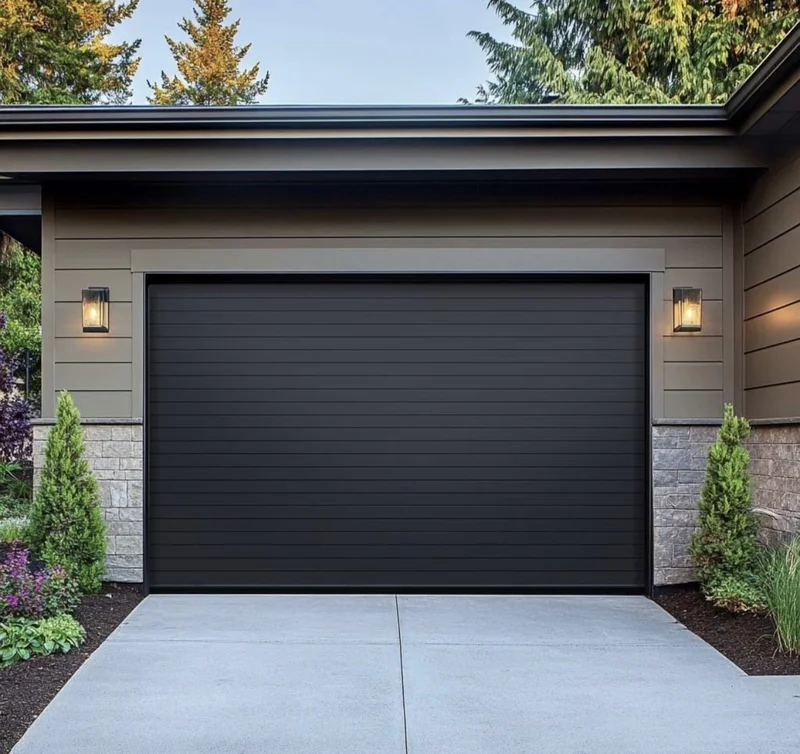
| Material System | Core Technical Parameters & Typical Application |
|---|---|
| High-Density WPC (Wood-Plastic Composite) | Density: ≥ 1.25 g/cm³; Moisture Absorption: < 0.8%; Shore D Hardness: 75-80. Ideal for coastal or high-humidity zones where dimensional stability is critical. |
| Rigid PVC Foam Board | Density: 0.55-0.65 g/cm³; Fire Rating: Class B1 (EN 13501-1); Thermal Conductivity (k-value): ~0.07 W/(m·K). Specified for lightweight insulation and chemical resistance in industrial or residential settings. |
| Engineered Wood Core (LVL/Plywood) | Formaldehyde Emission: E0 (≤0.5 mg/L); Core Bond Strength: >1.2 N/mm²; Swelling Rate (24h water immersion): <8%. Used where high shear strength and a traditional wood substrate are required for heavy-duty hardware. |
| Insulated Steel Sandwich Panel | Core: Polyurethane (PU) Foam, Density: 40-45 kg/m³; U-Factor: 0.4-0.5 W/m²K; Sound Damping: Up to 40 dB reduction. The standard for thermal efficiency and security in residential and commercial projects. |
Precision Manufacturing & Quality Assurance
Custom tooling and jigs are fabricated for each project to ensure batch-to-batch consistency. Our in-line QA is governed by ISO 9001:2015 protocols, with critical checkpoints for:
- Dimensional Tolerance: Panel flatness (±0.5mm/m), overall width/height (±2mm).
- Performance Verification: Cyclical operation testing, seal compression set analysis, and hardware load testing.
- Compliance Certification: Furnishing test reports from accredited labs for fire resistance (ASTM E84 / EN 13501-2), wind load (EN 13241-1), and safety (EN 12453/12445).
The outcome is a garage door system that performs as a integrated component of the building’s architecture, meeting exact dimensional, environmental, and regulatory specifications without compromise.
Engineered for Durability: Advanced Materials and Structural Stability in High-Traffic Environments
The structural integrity of a garage door is defined by its core and skin materials, selected for their response to mechanical stress, environmental exposure, and cyclical loading. For high-traffic commercial and premium residential applications, we engineer doors around composite material science and laminated structural cores to achieve predictable, long-term performance.
Core Structural Stability: Beyond Solid Wood
Solid timber is prone to warping and checking under fluctuating humidity. Our engineered core utilizes Laminated Veneer Lumber (LVL), which provides superior dimensional stability through cross-laminated plys that counteract internal stresses. This creates a torsionally rigid substrate that prevents panel sagging and ensures consistent operation.
Advanced Cladding Material Systems
The exterior cladding is the primary barrier. We offer engineered material systems, each with distinct performance profiles:
- Wood-Plastic Composite (WPC): A high-density composite (≥1.2 g/cm³) with a optimized wood fiber/PVC ratio. This formulation maximizes impact resistance (Shore D hardness >70) while achieving near-zero water absorption (<0.5%), eliminating rot and biological degradation.
- Glass-Reinforced Polyester (GRP): A thermoset composite with embedded glass fibers, providing exceptional tensile strength and resistance to denting. The integral color and UV-stabilized resin finish require no painting and exhibit outstanding weatherability.
- Cold-Rolled Steel with Pre-Treatment: For industrial settings, we use galvanized steel (Z275) with a multi-stage phosphating pre-treatment before powder coating, ensuring superior adhesion and corrosion resistance (exceeding 1,000 hours in salt spray testing).
Quantified Performance in Critical Parameters
Material selection is validated against international standards, providing specifiable data for architects and contractors.
| Material | Density / Gauge | Moisture Absorption | Fire Rating (Core+Cladding) | Sound Reduction (Avg.) |
|---|---|---|---|---|
| WPC Cladding | ≥1.2 g/cm³ | <0.5% (24h immersion) | Class B (EN 13501-1) | 28-32 dB |
| GRP Cladding | 3-5 mm panel | Negligible | Class A2 (EN 13501-1) | 25-28 dB |
| LVL Core | 45-50 kg/m³ | <8% (Dimensional stability threshold) | – | – |
| Steel Cladding | 0.7-1.0 mm | N/A | A1 (Non-combustible) | 20-25 dB |
Integrated Performance Features
- Thermal Insulation: Doors can be specified with polyurethane foam-injected cores, achieving U-factors as low as 0.7 W/(m²·K), contributing to building envelope efficiency.
- Emission Compliance: All composite materials and adhesives are certified to E0 (<0.5 mg/L) or E1 (<1.5 mg/L) formaldehyde emission grades (EN 13986), ensuring indoor air quality.
- Quality Assurance: Material sourcing and manufacturing processes are controlled under ISO 9001:2015, with batch testing for consistency in density, hardness, and finish durability.
The result is a door system engineered not just for initial installation, but for decades of reliable service with minimal deflection, maintained appearance, and reduced lifecycle maintenance in demanding environments.
Waterproof and Formaldehyde-Free: Ensuring Safety and Longevity in Any Climate
Waterproof integrity and indoor air quality are non-negotiable for modern garage systems, which serve as secondary entries, workshops, or storage for sensitive items. Our ODM engineering prioritizes material formulations and composite structures that deliver absolute climate resistance and verified chemical safety.
Core Material Science & Composition
The performance foundation lies in advanced composite technology and engineered wood cores:
- WPC (Wood-Plastic Composite) Doors: We utilize high-density WPC formulations (≥ 1.2 g/cm³) with a optimized polymer-to-wood fiber ratio. This ensures minimal moisture absorption (<0.5% by volume, per ASTM D570) while providing dimensional stability superior to solid timber. The encapsulated wood fibers within a waterproof polymer matrix prevent rot, warping, and fungal growth.
- PVC Doors: Our rigid, foamed PVC profiles are co-extruded with UV-stabilized acrylic capstocks. The closed-cell structure is inherently impervious to water, with a near-zero moisture absorption rate. Shore D hardness is engineered for impact resistance without brittleness.
- LVL (Laminated Veneer Lumber) Core: For steel and aluminum sandwich-panel doors, the internal core is stress-relieved, kiln-dried LVL. Its cross-laminated construction provides exceptional torsional stability and a consistent moisture content (8-12%), eliminating the risk of core swelling or delamination that compromises panel flatness and seal integrity.
Formaldehyde-Free Assurance & Fire Safety
We adhere to the most stringent global health and safety standards, with full traceability from raw material to finished product.
- Adhesives & Resins: All composite materials and laminated components use isocyanate (MDI) or polyurethane-based binders, which contain no added formaldehyde. Particleboards or MDF, if specified, comply with the strictest E0 (≤0.5 mg/L) and CARB Phase 2 / EN 13986 E1 emission classes.
- Fire Performance: Material systems can be engineered to meet specific classifications. Standard PVC and WPC formulations typically achieve Class B-s1, d0 per EN 13501-1. Core materials and treatments can be specified to attain Class A ratings for compartmentalization requirements.
Performance Data & Architectural Advantages
The technical specifications translate directly into long-term structural and environmental performance.
| Parameter | Test Standard | WPC Door | PVC Door | Steel Door (LVL Core) |
|---|---|---|---|---|
| Moisture Absorption | ASTM D570 | < 0.5% | < 0.1% | N/A (Core MC: 8-12%) |
| Thickness Swelling (24h soak) | EN 317 | ≤ 0.8% | ≤ 0.2% | N/A |
| Thermal Insulation (U-Factor) | EN ISO 8990 | ~1.2 W/m²K | ~1.4 W/m²K | ~0.8 W/m²K (w/ polyurethane foam) |
| Sound Reduction (Rw) | EN ISO 10140-1 | 28-32 dB | 26-30 dB | 30-38 dB |
- Total Weather Seal System: Integration of EPDM gaskets with a Shore A hardness of 60±5 ensures resilience across temperatures from -40°C to 70°C. Combined with the panel’s inherent stability, this creates a capillary-breaking barrier against driven rain, snow, and dust.
- Longevity in Humid & Coastal Climates: The non-porous surfaces and stable substrates prevent salt corrosion and high-humidity swelling, critical for coastal or tropical installations. Maintenance is reduced to simple cleaning, with no risk of paint blistering or wood decay.
- Structural Warranty Backing: This engineered stability allows us to underwrite extended warranties against warping, rusting, and material degradation, supported by ISO 9001 certified quality management throughout our ODM process.
Seamless Integration: Streamlined Design and Installation for Custom Garage Systems
Seamless integration in custom garage systems is achieved through a foundation of engineered materials and precision manufacturing, ensuring architectural intent is realized without compromise. The process begins with design-phase collaboration, utilizing proprietary CAD/CAM software that translates architectural drawings directly into machine-ready production files. This digital thread eliminates manual interpretation errors and ensures that every panel, track, and hardware component is fabricated to exact tolerances for the specific opening and surrounding structure.
Core Material Specifications for Predictable Performance:
The selection of advanced composite and engineered materials is critical for both aesthetic longevity and installation reliability.
- High-Density WPC (Wood Plastic Composite) Panels: Engineered with a wood flour to polymer (typically PVC or PE) ratio optimized for structural rigidity and low thermal expansion. A density range of 1.2-1.4 g/cm³ ensures dimensional stability, resisting warping (<0.5% under 85% RH) and providing a consistent substrate for finishes.
- LVL (Laminated Veneer Lumber) Core Construction: Used in hybrid or full-wood style doors, LVL cores provide superior stability versus solid timber, with a predictable moisture absorption rate below 10%. This minimizes on-site swelling or shrinkage that can impede door operation.
- Integrated Insulation Cores: Polyurethane foam-injected panels achieve U-factors as low as 0.2 Btu/(hr·ft²·°F), with a closed-cell structure that also contributes to sound reduction, achieving up to 25 dB noise attenuation.
- Surface & Hardware Durability: Multi-stage coating systems (primer, base, topcoat) are applied via automated electrostatic processes for uniform thickness and adhesion. Hardware is specified with corrosion resistance ratings (e.g., ASTM B117 salt spray testing >500 hours) and Shore D hardness ratings for rollers and bearings to ensure smooth, long-term operation.
Streamlined Installation via Pre-Engineered Components:
Every system is supplied as a complete kit, with pre-assembled sections and clearly indexed hardware. This methodology reduces on-site labor time and eliminates guesswork.
- Precision-Cut and Pre-Finished Components: Panels arrive with integrated seals, pre-drilled for hinge and roller attachment per the installation schematic. No on-site cutting or painting is required, preserving material integrity and finish warranties.
- Unified Track and Bracket System: Tracks are pre-curved to specification (radius matched to door panel thickness and expected clearance) and mount to structural anchors using slotted brackets for final vertical and horizontal adjustment (±10mm), accommodating typical construction tolerances.
- Plug-and-Play Automation Compatibility: Doors are balanced and weighted for specific motor models. Pre-wired photo-eye brackets and terminal blocks are included for straightforward connection to industry-standard openers.
Technical Compliance and Quality Assurance:
Integration extends to regulatory and performance certainty, with full traceability from raw material to finished product.
- Fire Performance: Composite materials can be formulated to meet international standards such as EN 13501-1 (e.g., Class B-s1, d0) or ASTM E84 (Class A).
- Emission Standards: All composite wood products and adhesives comply with strict formaldehyde emission grades (E0 or CARB Phase 2 compliant).
- Quality Management: Manufacturing under ISO 9001:2015 ensures consistent application of engineering protocols, with each door serialized and accompanied by a certificate of conformity detailing its specifications.
Key Performance Parameters for Specification:
| Parameter | Material/Component | Test Standard | Typical Performance Value |
|---|---|---|---|
| Dimensional Stability (Swelling) | WPC Panel | ISO 62 (Water Absorption) | ≤ 0.5% over 24h immersion |
| Surface Hardness | Finished Surface | ISO 7619-1 (Shore D) | ≥ 75 |
| Thermal Insulation | PU Foam Core | ASTM C518 (U-Factor) | 0.20 – 0.28 Btu/(hr·ft²·°F) |
| Operational Sound Level | Complete Door System | In-situ measurement at 1m | ≤ 65 dB(A) |
| Fire Reaction | Treated Composite | EN 13501-1 | Class B-s2, d0 (Standard) |
| Formaldehyde Emission | Panel Core | EN 16516 / JIS A 1460 | ≤ 0.05 ppm (E0 Grade) |
Technical Specifications: Precision Engineering and Compliance for Reliable Performance
Material Science & Core Construction
Our engineered materials are formulated for structural integrity and long-term dimensional stability in diverse climates. The core technologies are:
- Wood-Plastic Composite (WPC) Doors: High-density composite cores (≥ 1.25 g/cm³) with a controlled PVC-to-wood fiber ratio. This optimizes the strength-to-weight ratio, minimizes thermal expansion, and provides inherent resistance to rot, insects, and moisture absorption (<0.5% after 24-hour immersion).
- Laminated Veneer Lumber (LVL) Core Steel Doors: Multi-ply, cross-banded LVL cores are precision-kiln-dried and stabilized to <8% moisture content before lamination. This process eliminates internal stresses, preventing warping and ensuring a perfectly flat, rigid substrate for steel skin adhesion.
- Full-Spectrum Insulation: Options include expanded polystyrene (EPS), polyurethane (PUR) foam-in-place, and non-CFC rigid foam boards. PUR cores achieve superior thermal insulation with U-factors as low as 0.25 W/m²K.
Performance Parameters & Testing Standards
All products are validated against international benchmarks for safety, durability, and environmental compliance.
| Parameter | Standard / Grade | Performance Data / Specification |
|---|---|---|
| Fire Resistance | EN 13501-1 / ASTM E84 | Class B/s2-d0 (WPC/LVL); Class A (steel, non-combustible core). Flame spread index ≤ 25. |
| Formaldehyde Emissions | EN 13986 / CARB Phase 2 | E0/E1 emission class (<0.065 ppm / <0.08 ppm). Full material certification available. |
| Surface Hardness | ASTM D2240 (Shore D) | WPC surfaces: 65-75 Shore D. High-pressure laminate finishes: ≥ 78 Shore D. |
| Dimensional Stability (Swelling) | EN 317 (72-hr water soak) | Thickness swelling rate for WPC & LVL cores: ≤ 1.2%. |
| Sound Insulation | Laboratory tested (Rw) | Achievable weighted sound reduction index (Rw) up to 38 dB for fully insulated sectional doors. |
| Wind Load Resistance | EN 12424 / ANSI/DASMA 108 | Certified for up to Wind Load Class 4 (EN) or 20 psf (ANSI), depending on configuration. |
Precision Engineering & Functional Advantages
Our manufacturing process, governed by ISO 9001:2015 quality management systems, ensures repeatable precision and reliability.
- Tolerance Control: Panel and frame machining tolerances held within ±0.5mm. This ensures seamless panel interlock, smooth rolling, and consistent seal compression across the entire door perimeter.
- Hardware Integration: Precisely machined, reinforced hinge and roller bracket mounting points distribute operational stresses evenly, preventing localized fatigue and premature failure.
- Sealing Systems: Multi-layer perimeter seals (EPDM or thermoplastic) with magnetic or compression-gasket profiles achieve an air infiltration rating of ≤ 0.5 cfm/ft² when tested per ANSI/DASMA 102.
- Finish Durability: Automated multi-stage pre-treatment and powder coating (≥ 70μm DFT) on steel components exceed 500 hours of neutral salt spray resistance (ASTM B117). Woodgrain foils and laminates feature UV-stabilized wear layers with a minimum 10-year fade resistance warranty.
Trusted by Industry Leaders: Proven Results and Quality Assurance in ODM Manufacturing
Our ODM manufacturing protocols are built on a foundation of verifiable material science and adherence to international technical standards, providing architectural and contracting partners with a predictable, high-performance product. We achieve this through rigorous control of raw materials, precision engineering, and a certified quality management system.
Material Integrity & Performance Specifications
Core to our quality assurance is the precise formulation and testing of composite materials. We do not use generic “wood-like” composites but engineer to exact architectural-grade specifications.
- WPC (Wood-Plastic Composite) Doors: We specify a minimum density of 1.25 g/cm³ and a controlled wood fiber-to-polymer ratio (typically 60:40) to optimize dimensional stability against warping while maintaining a workable, authentic wood grain finish. This results in a swelling rate of <0.5% after 24-hour water immersion (ASTM D570).
- PVC Doors: Our multi-chambered PVC profiles are formulated with high-impact modifiers and UV stabilizers, achieving a Shore D hardness of 75-80 for durability. Moisture absorption is maintained below 0.1%.
- LVL (Laminated Veneer Lumber) Core: For steel and aluminum sandwich panels, we use structural LVL cores with cross-banded veneers, kiln-dried to 8-10% moisture content, to prevent internal stress and ensure panel flatness and screw-holding strength over time.
Certified Compliance & Safety Standards
All materials and finished assemblies are validated against recognized benchmarks for safety and environmental responsibility.
| Parameter | Standard / Grade | Typical Performance Data | Application Relevance |
|---|---|---|---|
| Fire Reaction | EN 13501-1 / ASTM E84 | Class B/s2-d0 (WPC/PVC); Class A (steel) | Meets architectural facade and compartmentation requirements. |
| Formaldehyde Emissions | EN 13986 / CARB Phase 2 | E0 (<0.065 ppm) or Super E0 (<0.030 ppm) | Ensures indoor air quality for attached garages and living spaces. |
| Acoustic Insulation | Laboratory Tested (Rw) | 28-32 dB for sectional doors | Reduces noise transmission from garage workshops or street. |
| Thermal Insulation (U-Factor) | EN 12428 / ASTM C1363 | 0.7 – 1.2 W/m²K (depending on core & thickness) | Critical for energy-efficient, climate-controlled garages. |
| Quality Management | ISO 9001:2015 | Certified manufacturing process control | Guarantees traceability and consistency across all ODM projects. |
Functional Advantages for Custom Solutions
Our engineering focus translates into direct benefits for installers and end-users:
- Predictable On-Site Fit: CNC-machined hardware mounting points and consistent panel dimensions (±0.5mm tolerance) eliminate field adjustments.
- Long-Term Weather Resistance: 5-layer automated coating lines for steel doors ensure a dry film thickness of ≥90µm, with 1,000+ hours of neutral salt spray resistance (ASTM B117).
- Structural Reliability: Full-scale cycle testing of complete door assemblies exceeds 25,000 open/close cycles (EN 13241-1) without failure of springs, rollers, or panels.
- Technical Partnership: We provide full material datasheets (MDS), Declarations of Performance (DoP), and CAD details for integration into architectural submittal packages.
This systematic, data-driven approach to ODM manufacturing de-risks your specification process and delivers a garage door solution that performs as engineered, project after project.
Frequently Asked Questions
How do you prevent long-term warping in custom garage doors?
We engineer doors with LVL core reinforcement and balanced cross-layered construction to counteract stress. Using WPC with a density >700 kg/m³ and a controlled moisture expansion coefficient (<0.5%) ensures dimensional stability. Precision aluminum alloy frames provide additional structural integrity, preventing warping across climates.
What standards govern formaldehyde emissions in your composite materials?
We exclusively use E0-grade (≤0.5 mg/L) and EN-standard (≤0.124 mg/m³) compliant materials. Our wood-plastic composites and adhesives undergo third-party certification, ensuring indoor air safety. This is critical for attached garages, preventing harmful VOC off-gassing into living spaces.
How is thermal insulation performance quantified in your doors?
Our doors achieve U-values as low as 0.7 W/(m²·K) through polyurethane foam-injected cores (density ~40-45 kg/m³) and thermal-break framing. This minimizes energy transfer, maintaining stable interior temperatures. Performance is validated per ASTM C518 standards.
What measures ensure impact and dent resistance?
We integrate high-impact PVC overlays (≥0.7mm thickness) on composite panels and reinforce stress points with galvanized steel hardware. The composite formulation includes modified polymers for elasticity, allowing it to absorb significant force without permanent deformation, ideal for accidental vehicle contact.
How do you manage moisture expansion in composite panels?
We specify WPC with a linear expansion coefficient below 0.5% and incorporate engineered drainage channels within the panel design. Pre-treatment of wood fibers and polymer encapsulation creates a moisture-resistant matrix, preventing swelling and ensuring consistent operation in humid environments.
What UV protection ensures long-term color stability?
A multi-stage finishing process is used: acrylic polyurethane top-coats with UV inhibitors are applied via automated spray, followed by thermal curing. This provides a 10+ year fade resistance warranty, with a Delta E color difference of <2 after accelerated weathering tests (ASTM G154).
Can you customize doors for extreme sound insulation needs?
Yes. We build doors with stratified cores combining mass-loaded vinyl, mineral wool, and air gaps, achieving STC ratings up to 45 dB. Sealed perimeter gaskets and cambered thresholds eliminate noise leakage, creating an effective acoustic barrier for workshops or sensitive adjacent rooms.
What is the structural reinforcement for oversized or high-frequency doors?
For oversized applications, we reinforce with galvanized steel struts and heavy-duty industrial-grade hinges. Torsion spring systems are calibrated to the exact door mass and cycle frequency (tested for >50,000 cycles), ensuring reliable operation and preventing premature fatigue failure.