Solid wood door bulk export sea/air shipping customs declaration complete documents
Navigating the complexities of international logistics for solid wood doors requires precision and expertise. Whether you are shipping a full container load by sea for cost-efficiency or opting for expedited air freight to meet critical deadlines, a seamless customs clearance process is paramount. This hinges on a meticulously prepared dossier of export documents. From commercial invoices and packing lists to essential certificates of origin and phytosanitary declarations, each piece of paperwork is a critical cog in the global trade machine. This guide demystifies the complete documentation pathway, empowering manufacturers and exporters to ensure their high-quality solid wood doors transition smoothly across borders, avoiding costly delays and ensuring compliance with international regulations.
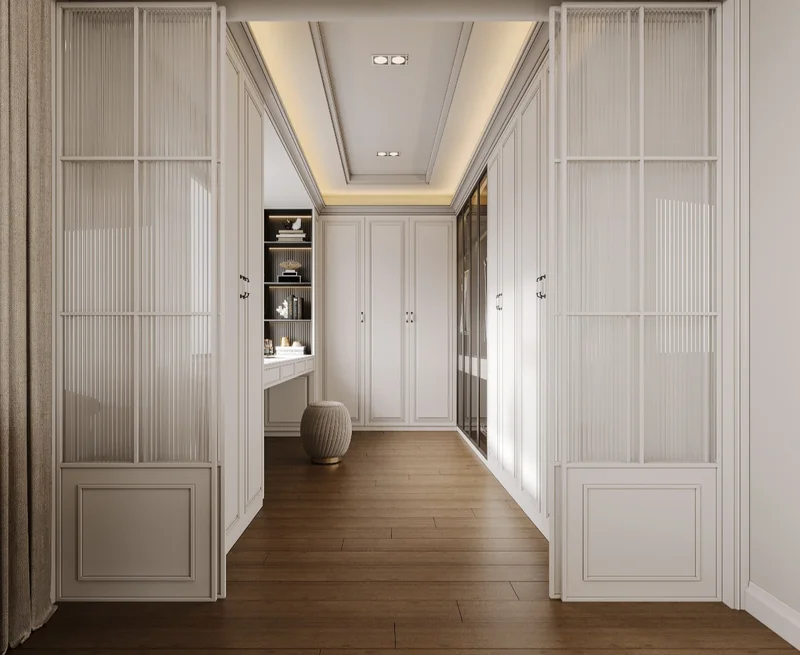
Engineered for Global Durability: The Structural Integrity of Our Solid Wood Doors in Bulk Export
The structural integrity of a solid wood door is defined by its core construction and material composition, which must withstand the mechanical stresses of high-volume handling, variable climatic conditions during transit, and long-term performance in diverse global environments. Our engineering protocol prioritizes dimensional stability and load-bearing capacity from the material level upward.
Core Material Science & Stability
The primary determinant of long-term door integrity is the core substrate. We utilize engineered wood products selected for their homogeneous structure and superior stability compared to solid timber blocks, which are prone to anisotropic movement.
- LVL (Laminated Veneer Lumber) Core: Composed of rotary-peeled wood veneers bonded with phenolic resins under heat and pressure. The grain of each veneer is aligned parallel, creating a product with high tensile and compressive strength, predictable engineering values, and minimal cross-grain shrinkage. This core provides exceptional screw-holding power and racking resistance for heavy-duty applications.
- Solid Wood Frame & Stave Core: For traditional solid wood constructions, we employ a kiln-dried, finger-jointed stave core within a solid hardwood frame. This method isolates potential movement to smaller, controlled sections, preventing warping or twisting across the full door height. Moisture content is strictly controlled to 8-10% (±2%) at the time of fabrication.
Composite Cladding & Surface Performance
The surface layer must protect the core from impact and environmental exposure while meeting aesthetic and regulatory requirements.
- High-Pressure Laminate (HPL) / WPC (Wood Plastic Composite): These claddings are selected for Shore D hardness ratings above 75, ensuring high resistance to abrasion, impact, and chemical cleaning agents. WPC formulations are engineered with a wood flour/PVC ratio optimized for low thermal expansion and a density exceeding 1.3 g/cm³, providing a stable, non-porous surface with near-zero water absorption.
- Veneer Selection & Adhesion: Natural wood veneers are backed with balanced, non-woven fiber substrates to counteract the tension of the veneer. We use cross-linked PVA or PUR adhesives with bond strengths exceeding the shear strength of the wood itself, ensuring the veneer remains intact despite humidity cycling.
Performance Specifications & Testing
All products are validated against international standards for structural, environmental, and safety performance.
| Performance Category | Test Standard | Typical Result / Specification | Functional Implication |
|---|---|---|---|
| Dimensional Stability | EN 942 (Wood); ASTM D1037 (Composites) | Swelling rate (edge soak): < 8% after 24h. Thickness swell: < 10%. | Guarantees consistent fit within frames despite humidity shifts during ocean transit and in-service. |
| Formaldehyde Emissions | EN 16516 / ASTM E1333 | E0 (< 0.065 ppm) or E1 (< 0.124 ppm) certification. | Meets stringent indoor air quality regulations for residential and commercial projects globally. |
| Fire Resistance | EN 13501-1 / ASTM E84 | Class B-s1, d0 / Class 1 Flame Spread Index. | Complies with building codes for use in corridors and fire-rated partitions. |
| Acoustic Insulation | EN ISO 10140-2 / ASTM E90 | Sound Reduction Index (Rw): 28-32 dB for standard constructions. | Provides privacy and noise control in multi-family, hotel, and office installations. |
| Thermal Insulation | EN 12412-2 / ASTM C1363 | U-factor range: 1.8 – 2.5 W/m²K, depending on core and construction. | Contributes to building envelope energy efficiency. |
Bulk Export Integrity Protocols
Structural integrity is preserved through the export cycle via specialized packaging and handling specifications.
- Moisture Barrier Packaging: Each door is shrink-wrapped in 200-micron polyethylene with a desiccant packet. For sea freight, units are palletized and further wrapped in a vapor barrier film to prevent condensation (container sweat) from affecting moisture content.
- Rigorous Palletization: Doors are packed vertically on A-frame racks or horizontal stacking frames with full-height corner posts to prevent flexing. Compression straps are tensioned to a specific load limit to secure the bundle without inducing stress.
- Climate-Controlled Documentation: Each shipment includes a certificate of moisture content at time of packing and recommended storage conditions (15-25°C, 40-60% RH), forming a critical part of the shipping documents for chain of custody and liability purposes.
Streamlined International Logistics: Seamless Sea and Air Shipping Solutions for Your Bulk Orders
For bulk solid wood door exports, the primary logistical challenge is preserving engineered wood’s structural integrity and finish across varying transit durations and environmental conditions. Sea freight is optimal for full container load (FCL) orders, while air freight provides a critical solution for urgent, high-value shipments or just-in-time project timelines.
Core Material & Packaging Specifications for Transit
All packaging is engineered to exceed ISTA 3A standards. The critical parameters are:
- Moisture Barrier: Primary packaging uses 0.15mm polyethylene film with a moisture vapor transmission rate (MVTR) of <5 g/m²/24h to prevent hygroscopic expansion.
- Impact Protection: High-density EPS corner braces (≥25 kg/m³) and edge protectors are calibrated to the door’s weight and dimensions.
- Unitization: Doors are stacked with interleaving felt paper and banded onto moisture-resistant (MR-grade) plywood skids to prevent shifting and surface abrasion.
Sea Freight (FCL) Protocol for Engineered Wood Products
For 20ft or 40ft container loads, a controlled microclimate is essential to prevent warping, veneer delamination, or adhesive failure.
- Container Conditioning: All containers undergo a pre-trip inspection for watertight integrity. For sensitive engineered cores like LVL (Laminated Veneer Lumber) or high-density WPC (Wood Plastic Composite), we mandate the use of 20ft or 40ft humidity-controlled containers.
- In-Container Specifications:
- Temperature: Maintained between 10°C and 25°C.
- Relative Humidity: Stabilized at 45%-55% to match the equilibrium moisture content (EMC) of the doors (typically 6-8% for interior, 9-12% for exterior grades).
- Blocking & Bracing: Doors are loaded vertically in custom racks, never laid flat, to prevent bowing. Air bags are used for lateral securement.
- Documentation Prepared: Alongside standard Bills of Lading, we provide Mill Certificates, Fumigation Certificates (ISPM 15 for solid wood frames/skids), and detailed packing lists specifying material composition for each SKU.
Air Freight Protocol for Expedited Shipments
Air transport subjects cargo to rapid pressure and temperature changes. Our protocol addresses this.
- Pressurization & Temperature: We specify aircraft with pressurized and temperature-controlled cargo holds. Packaging includes silica gel desiccant packs rated for the anticipated transit time.
- Consolidation: For less-than-pallet quantities, we use our own certified, reinforced consolidation boxes to prevent handling damage at hub airports.
- Critical Documentation: The Air Waybill is supplemented with a Shipper’s Letter of Instruction (SLI) that explicitly states “ENGINEERED WOOD PRODUCTS – TEMPERATURE SENSITIVE” and includes all necessary Material Safety Data Sheets (MSDS) for adhesives and coatings.
Technical Comparison: Sea vs. Air Logistics for Bulk Doors
| Parameter | Sea Freight (FCL) | Air Freight |
|---|---|---|
| Optimal Volume | >15 CBM (Full Container Load) | <5 CBM (Urgent/High-Value) |
| Transit Time (Asia to EU/US) | 30-45 days | 5-10 days |
| Key Environmental Control | Humidity-Controlled Container | Pressurized/Temp-Controlled Hold |
| Primary Risk Mitigated | Hygroscopic swelling, fungal growth | Thermal shock, rapid pressure change |
| Cost Basis | Per container (CBM) | Per chargeable kilogram |
| Ideal For | Project phases, inventory replenishment | Prototypes, critical project delays, high-value finished doors |
Pre-Clearance & Customs Documentation Engineering
To prevent port delays, we engineer the documentation packet for clarity and compliance.
- Commercial Invoice: Lists harmonized System (HS) codes, detailed material breakdowns (e.g., “Face Veneer: 3mm American Walnut; Core: 32mm LVL to ASTM D5456; Edge Banding: 2mm PVC”), and declared value.
- Packing List: Correlates each package to invoice line items, noting gross/net weight, dimensions, and SKU.
- Certificate of Origin: Often required for duty calculation under trade agreements.
- Technical Data Sheets & Compliance Certificates: This is critical. We include:
- Fire Performance: Test reports to EN 13501-1 or ASTM E84 (Class A/B/C as specified).
- Formaldehyde Emissions: Certification to E0 (≤0.5 mg/L) or E1 (≤1.5 mg/L) per EN 13986.
- Physical Performance: Data on surface hardness (Shore D), dimensional stability (swelling rate <8% after 24h immersion per EN 317 for WPC), and acoustic insulation (Rw up to 32 dB for solid core constructions).
- Insurance Certificate: All shipments are covered under an All-Risk marine cargo or air cargo policy.
The logistics chain is concluded only upon confirmed delivery and verification of the shipment’s condition against the pre-dispatch inspection report.
Compliance and Efficiency: Complete Customs Declaration Documents to Ensure Smooth Cross-Border Trade
Accurate customs documentation is not merely an administrative task; it is a critical technical and legal interface that directly impacts project timelines and liability. For bulk shipments of solid wood doors, declarations must precisely reflect the material composition and performance specifications to satisfy international regulatory frameworks and prevent costly delays, inspections, or rejections.
Core Technical Documentation for Declaration
The commercial invoice and packing list form the declarative foundation, but their technical accuracy is paramount. They must specify:
- Material Breakdown: Exact percentages and types of materials (e.g., “Solid Oak Stave Core, LVL (Laminated Veneer Lumber) cross-banding, 3mm Oak Veneer face, HDF (High-Density Fiberboard) sub-strait”). For engineered components, specify composite ratios (e.g., “WPC cladding, density ≥ 0.65 g/cm³”).
- Treatment Certificates (Mandatory for Wood): The Phytosanitary Certificate is non-negotiable for all solid wood and wood-based materials, confirming compliance with ISPM 15 for heat treatment or fumigation. This must accompany the shipment originals.
- Proof of Conformity to Standards: Declarations of Performance (DoP) or test reports referencing applicable standards are increasingly required. Key standards include:
- Fire Safety: EN 13501-1 or ASTM E84 classifications (e.g., Class B-s1, d0).
- Formaldehyde Emissions: EPDs or test certificates confirming E1 (≤ 0.124 mg/m³ per EN 16516) or E0 (≤ 0.05 mg/m³) grades.
- Quality Management: ISO 9001 certification of the manufacturing plant.
- Country-Specific Requirements: For markets like the EU, US, or Australia, additional declarations such as a Fumigation Certificate (if required), Wood Packaging Material (WPM) marks on all pallets/crates, and, for certain species, CITES permits for endangered woods are essential.
Linking Technical Specs to Harmonized System (HS) Codes
Correct HS code classification hinges on precise material description. Misclassification risks incorrect duty application. Key parameters determining the code include:
- Primary Material: Solid wood (>6mm thick), or of particleboard, MDF, etc.
- Core Type: Whether hollow, solid, or framed.
- Surface Treatment: Unfinished, veneered, or faced with plastics (e.g., PVC, HPL).
| Declaration Parameter | Technical Specification Example | Impact on Classification & Compliance |
|---|---|---|
| Core Material Density | LVL core, density 680 kg/m³ | Distinguishes from lighter particleboard cores; affects structural duty rates in some jurisdictions. |
| Surface Layer Composition | Face: 0.6mm PVC film, wood fiber substrate ratio 70:30 | Critical for codes covering “doors faced with plastics”. Requires declaration of plastic layer thickness. |
| Fire Rating Certification | Class B-s1, d0 per EN 13501-1 | May be required for commercial imports; facilitates clearance for projects with mandated fire performance. |
| Formaldehyde Emission Class | E1 (0.08 mg/m³) per EN 16516 | Mandatory for EU and other regulated markets; certificate must be cited on commercial documents. |
Efficiency through Precision
Providing complete, technically accurate documents to your freight forwarder or customs broker enables:
- Predictable Lead Times: Eliminates requests for additional information from customs authorities, preventing demurrage and storage fees.
- Duty Optimization: Ensures correct duty and tax assessment, avoiding unexpected cost overruns or penalties.
- Risk Mitigation: Demonstrates due diligence, reducing the risk of seizure for non-compliance with material or safety regulations.
Ultimately, the customs declaration is a definitive technical data sheet for regulatory authorities. Its precision must match the engineering precision of the doors themselves to ensure seamless logistics integration.
Premium Material Quality: Waterproof and Formaldehyde-Free Construction for Safe, Long-Lasting Use
The structural integrity and longevity of a solid wood door are fundamentally determined by the quality of its core materials and the chemical composition of its composite elements. For bulk export, specifying doors with certified waterproof and formaldehyde-free construction is non-negotiable for ensuring compliance with international building codes and providing a safe, durable product.
Core Material Science & Stability
The door’s core is engineered for dimensional stability to withstand climatic variations during transit and in-service.
- LVL (Laminated Veneer Lumber) Core: Utilizes cross-laminated veneers with phenolic adhesives, creating a panel with exceptional torsional strength and minimal linear expansion (<0.1% per ASTM D1037). This prevents warping and ensures consistent fit within frames.
- High-Density WPC (Wood-Plastic Composite) Components: Used for door jambs and sill systems. A controlled wood fiber-to-polymer ratio (typically 60:40) and density exceeding 1.2 g/cm³ result in a near-zero water absorption rate, providing inherent resistance to rot, fungal growth, and termite infestation.
Formaldehyde-Free Certification & Indoor Air Quality
Adhesives, resins, and composite binders are the primary sources of volatile organic compounds (VOCs). Our manufacturing protocol adheres to the strictest international standards for emission control.
- Adhesive Systems: All laminates and composite layers are bonded using isocyanate (MDI) or polyurethane-based adhesives, which are inherently formaldehyde-free.
- Emission Compliance: Finished doors are certified to meet or exceed the E0 grade (≤0.05 mg/L, JIS A 1460 / EN 717-1) and CARB Phase 2 / TSCA Title VI requirements for ultra-low emitting formaldehyde. This is verified by third-party laboratory testing, a critical document for customs declaration in markets with stringent indoor air regulations (e.g., EU, North America, Japan).
Waterproof Engineering & Performance Data
Waterproofing is a multi-layered defense system, not a surface treatment. Performance is quantified against standardized testing protocols.
| Performance Parameter | Test Standard | Result | Technical Implication |
|---|---|---|---|
| Thickness Swelling (24h immersion) | ISO 16983 | ≤ 3% | Exceptional dimensional stability under direct water exposure. |
| Moisture Content | ASTM D4442 | 8% ± 2% | Factory-controlled moisture content prevents shrinkage/swelling post-installation. |
| Surface Absorption (g/m²) | EN 382-1 | < 100 | Dense surface matrix repels liquid water, preventing stain penetration. |
Functional Advantages for Architectural Specification
- Long-Term Durability: The chemically inert, waterproof construction eliminates failures related to moisture ingress, ensuring door integrity in high-humidity environments (e.g., coastal regions, commercial bathrooms).
- Fire Safety Compliance: Core materials and veneers can be specified with Class B (EN 13501-1) or Class 1 (ASTM E84) fire-retardant treatments, with accompanying certification for project submission.
- Acoustic & Thermal Performance: The high-density, homogeneous core structure provides a sound reduction index (Rw) of up to 32 dB and contributes to improved thermal insulation (U-factor dependent on full assembly).
- Simplified Logistics: The stability of the materials reduces risk of damage claims due to warping during long-haul sea or air shipping, as documented in pre-shipment inspection reports.
Technical Specifications and Customization: Tailored Options for High-Traffic Commercial and Residential Projects
Core Material Specifications & Performance Standards
The structural integrity and longevity of solid wood doors for high-traffic applications are defined by precise material specifications and adherence to international performance standards. Core selection is critical.
- LVL (Laminated Veneer Lumber) Core: Engineered for maximum dimensional stability. Cross-laminated veneers with phenolic adhesives mitigate warping and twisting, providing a consistent substrate with a moisture content maintained at 8-10%. This core is mandatory for projects exceeding standard door dimensions or in environments with variable humidity.
- Solid Wood Block Core: Utilizes kiln-dried, finger-jointed timber blocks (typically spruce or pine) with moisture content below 12%. Blocks are arranged to counteract natural wood movement. This core offers superior screw-holding capacity for heavy hardware.
- Hybrid WPC (Wood-Plastic Composite) Components: Used for door frames and sill systems in high-moisture zones. A minimum density of 1.25 g/cm³ ensures structural rigidity. The optimal wood flour to polymer (PP/PE) ratio (typically 60:40) balances UV stability, low water absorption (<0.5%), and resistance to fungal decay.
All laminates, veneers, and finishes must comply with stringent emission standards. E0 (≤0.5 mg/L formaldehyde emission per JIS A 1460 or equivalent) is the baseline for residential and healthcare projects, while E1 (≤1.5 mg/L) is applicable for general commercial use. Factory production control is certified under ISO 9001:2015.
Performance Parameters for High-Traffic Design
Doors are engineered to meet quantified performance thresholds that directly correlate to lifecycle cost and user comfort.
- Acoustic Insulation: Achieved through mass, core damping, and perimeter sealing. Standard 44mm thick solid core doors with appropriate seals achieve a weighted sound reduction index (Rw) of 28-32 dB. For critical partitions, performance can be engineered to Rw 35+ dB using laminated glass inserts and specialized acoustic gaskets.
- Fire Resistance: Doors can be fabricated to meet certified fire ratings. Common specifications include:
- 30/60/90-minute Integrity (EI) ratings as per EN 1634-1 or ASTM E2074.
- Core and glazing materials are treated with intumescent compounds that expand under heat to seal gaps.
- Thermal Insulation: The U-factor (W/m²·K) is primarily a function of core material and glazing. A standard solid wood door provides a U-factor of approximately 1.8. This can be improved to 1.2 or lower with insulated cores and double-glazed, low-E coated glass panels.
- Surface Durability: High-pressure laminate (HPL) or real wood veneer finishes are rated for abrasion and impact. Key tests include:
- EN 438-2: Resistance to abrasion (≥1000 cycles for Class 3, commercial grade).
- ASTM D3363: Pencil hardness test (minimum 2H for commercial applications).
- Shore D Hardness: For synthetic components, a rating >75 ensures resistance to denting.
Customization for Project-Specific Requirements
Customization is executed within defined engineering parameters to ensure performance is not compromised.
1. Dimension & Configuration:
- Oversized Units: For openings exceeding 1200mm x 2400mm, an LVL core is non-negotiable. Reinforcement for heavy-duty, multi-point locking systems must be integrated into the core design.
- Double-Action Doors: Require specialized pivot hardware with rated floor springs. Core density and weight distribution are calculated to ensure smooth operation and longevity of the hardware.
2. Finish & Aesthetic Integration:
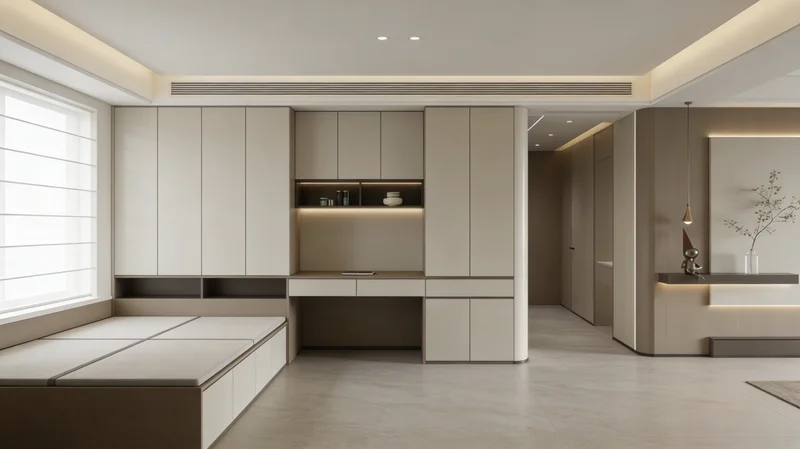
- Veneer Selection: Real wood veneers (oak, walnut, maple) are backed with balanced crossbanding to prevent cupping. Cut (plain sliced, quarter sliced) and matching (book, slip) are specified per architectural intent.
- Paint-Grade Preparation: Substrates are prepared with a machine-sanded, sealed surface to achieve a Class A finish (per CABO standards), ensuring no grain raise or telegraphing.
3. Hardware Preparation:
- Pre-mortising for hinges and locksets is CNC-machined to a tolerance of ±0.5mm. For high-frequency use, reinforcement plates of 2mm minimum thickness steel are embedded into the core at all hardware points.
Technical Data Summary
| Parameter | Standard Commercial Grade | Enhanced / Heavy-Duty Specification | Test Standard / Notes |
|---|---|---|---|
| Door Thickness | 40mm / 44mm | 50mm / 54mm | For acoustic/fire-rated applications |
| Core Stability (Swelling) | ≤12% thickness increase (24h water immersion) | ≤8% thickness increase (24h water immersion) | EN 317 (Particleboard) principle |
| Surface Hardness | ≥2H Pencil Hardness | ≥3H Pencil Hardness; HPL ≥AC4 (EN 438) | ASTM D3363; EN 438-2 for HPL |
| Formaldehyde Emission | E1 Grade (≤1.5 mg/L) | E0 Grade (≤0.5 mg/L) | JIS A 1460 / EN 16516 |
| Acoustic Rating (Rw) | 28 – 32 dB | 35 – 40 dB | EN ISO 10140-2; with full perimeter seal |
| Fire Rating | Not Rated | EI 30 / EI 60 / EI 90 | EN 1634-1; Includes frame & hardware |
| Moisture Content | 10% ± 2% | 8% ± 2% | At time of packaging, per EN 942 |
Critical Documentation Note: All performance claims for customs declaration and project approval must be supported by valid test reports from accredited laboratories (e.g., CNAS, ILAC-MRA signatory) and factory certificates of compliance. Specifications must be explicitly listed on the commercial invoice and packing list.
Trust in Our Expertise: Proven Track Record and Support for Reliable Bulk Export Partnerships
Our engineering team possesses deep expertise in the material properties and structural integrity of solid wood doors, ensuring every shipment meets the exacting standards required for international architectural projects. We manage the critical interface between manufacturing specifications, logistical handling, and destination-country compliance.
Material & Performance Specifications
We verify and document all core material parameters to prevent claims and ensure on-site performance:
- Core Stability: Engineered wood cores (LVL, Particleboard) are specified for density (≥ 650 kg/m³), internal bond strength, and formaldehyde emission class (E0/E1 per EN 13986). We mandate pre-shipment moisture content testing (target 8-12% depending on destination climate) to control dimensional stability.
- Surface & Laminate Integrity: For laminated doors, we audit the PVC-wood composite ratio, veneer thickness, and adhesive bond strength. Performance is validated against delamination (EN 438-2), scratch resistance (EN 438-2/ISO 1518), and impact tests.
- Acoustic & Thermal Performance: We provide certified test reports for sound reduction (Rw up to 42 dB for solid core constructions) and thermal insulation (U-factor as low as 1.2 W/m²K), critical for commercial and high-end residential specifications.
- Fire & Safety Compliance: Doors are sourced and certified to meet declared fire ratings (e.g., EI30/EI60 per EN 1634-1, Class A/B/C per ASTM E84) and smoke control requirements. Hardware compatibility and load-bearing capacity are pre-verified.
Technical Documentation & Compliance Framework
Our documentation system is engineered for zero-defect customs clearance and project approval.
| Documentation Module | Key Technical Data Points Included | Purpose for Clearance & Project Handover |
|---|---|---|
| Commercial Invoice & Packing List | Itemized by SKU with net/gross weight, dimensions, material composition (HS code linked), and total cubic volume (CBM). | Determines freight charges, duties, and provides a master shipping manifest. |
| Material Certificates & Test Reports | Formaldehyde emission class (E0/E1), fire rating certificate number, mechanical performance standards met (e.g., EN 14351-1 for doors). | Mandatory for building code approval in EU, North America, Australia, and GCC markets. |
| Bill of Lading/Air Waybill | Precise gross weight, package count, and container/ULD number. Linked to palletization diagrams. | Contract of carriage; essential for CIF/FOB terms and port handling. |
| Certificate of Origin | Declares manufacturing origin based on material sourcing and production location rules. | Impacts tariff rates under trade agreements (e.g., USMCA, ASEAN-China FTA). |
| Pre-shipment Inspection Report | Verifies moisture content, finish quality, dimensional tolerance (±0.5mm), and packaging integrity (weather-resistant wrapping). | Reduces risk of rejection upon arrival; provides evidence for insurance. |
Logistical Engineering for Bulk Shipments
We engineer the shipping process to protect product integrity:
- Sea Freight: We specify container conditioning (ventilated or dry) and design block-and-brace palletization schemes to prevent load shift. We calculate and optimize CBM utilization to minimize freight costs per unit.
- Air Freight: For urgent high-value shipments, we manage the build-up of Unit Load Devices (ULDs), ensuring weight distribution complies with aircraft floor load limits and security regulations.
- Risk Mitigation: All documentation is prepared with Incoterms 2020 precision. We manage HS code classification, ensuring alignment with the destination country’s tariff schedule to avoid delays or penalties.
Frequently Asked Questions
What moisture content standards prevent warping in bulk solid wood door shipments?
Maintain 8-12% equilibrium moisture content (EMC) pre-shipment, calibrated to the destination’s humidity. Use kiln-dried timber with moisture meters. For sea transit, seal doors in barrier film with desiccants. This controls expansion coefficients, preventing warping and joint failure upon arrival.
How do we ensure exported doors comply with international formaldehyde emission regulations?
Specify E0 (≤0.5mg/L) or CARB Phase 2 compliant cores and adhesives. Require supplier lab reports (EN 16516 or ASTM E1333). For WPC doors, use zero-added-formaldehyde polyurethane binders. This documentation is mandatory for customs clearance in the EU, USA, and Japan.
What structural reinforcements prevent door deformation during long-term use?
Implement LVL (Laminated Veneer Lumber) core or steel-tube reinforcement within the stiles. For WPC doors, ensure density ≥650 kg/m³ and glass-fiber reinforcement. This provides dimensional stability, resisting warping from thermal-humidity cycles and heavy-duty use.
Which packaging methods protect doors from impact and moisture during ocean freight?
Use reinforced cardboard corners, plywood crating, and waterproof PE stretch wrap. For high-end finishes, apply protective PVC film (≥0.3mm). Palletize with moisture barriers. This safeguards against container shift impacts and condensation, preserving surface integrity.
What technical specs prove thermal and acoustic insulation for commercial projects?
Specify doors with polyurethane foam cores (density ≥40kg/m³) achieving U-values ≤1.2 W/m²K. For sound insulation, require lab-tested STC/Rw ratings ≥30dB. Provide test certificates (ISO 10140) to validate performance for hotel or office projects.
How are UV-resistant finishes certified for exterior door exports?
Demand finishes with QUV accelerated weathering test reports (≥500 hours), showing ΔE color shift ≤2.0. Use acrylic-polyurethane coatings with UV absorbers. This ensures fade resistance in high-sunlight regions, backed by measurable data for warranty claims.
What customs documentation is critical for wood composite door declarations?
Essential documents: Commercial Invoice, Packing List, Bill of Lading, Fumigation Certificate (ISPM 15 for wood packaging), Material Safety Data Sheet (MSDS for composites), and Country of Origin Certificate. For WPC, include polymer content analysis to clarify HS code classification.