Walnut solid wood doors soundproof 35dB hotel projects
In the competitive landscape of hospitality, where guest experience is paramount, the subtle barrier of a hotel room door holds immense power. Achieving true tranquility is a sophisticated engineering challenge, one elegantly met by walnut solid wood doors engineered for a 35dB soundproof rating. These doors represent far more than an entry point; they are a statement of quality and a strategic investment in guest satisfaction. The rich, timeless grain of walnut conveys an immediate sense of luxury and warmth, while its inherent density, enhanced by advanced acoustic sealing technology, creates a definitive sanctuary. For discerning hotel projects, specifying these doors translates to measurable benefits: shielding guests from corridor clamor, enhancing privacy, and ultimately crafting the serene, restorative environment that defines a five-star reputation.
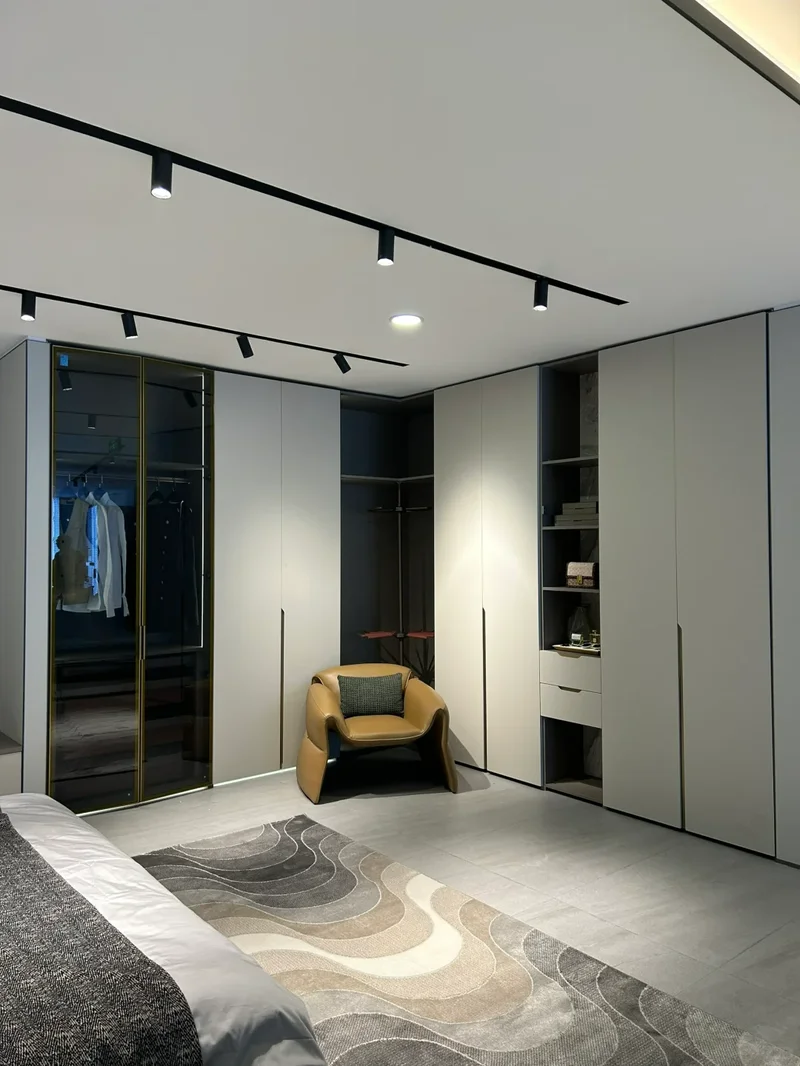
Achieving Guest Serenity: How Our 35dB Soundproof Walnut Doors Elevate Hotel Ambiance
The acoustic performance of a hotel door is a critical determinant of guest satisfaction, directly impacting perceived quality and repeat business. Our 35dB soundproof walnut doors are engineered not as simple barriers, but as integrated acoustic assemblies. The core technology is a multi-density composite structure. A high-density laminated veneer lumber (LVL) core provides dimensional stability, resisting warping that can compromise seal integrity. This is encapsulated within a precisely calibrated Wood-Plastic Composite (WPC) framework, where the polymer-to-wood fiber ratio is optimized for maximum internal damping of sound wave vibrations. The final layer is a premium-grade, solid walnut veneer, selected for its aesthetic consistency and machinability for tight-fitting joinery.
This material science translates into definitive functional advantages for hotel operations:
- Verified Acoustic Isolation: Achieves a weighted sound reduction index (Rw) of 35 dB, effectively attenuating typical corridor noise, elevator machinery, and adjacent room disturbances to imperceptible levels.
- Structural & Hygroscopic Stability: The engineered LVL core and WPC cladding exhibit a swelling rate of <0.8% after 24-hour water immersion, ensuring long-term alignment with frames and maintaining acoustic seals in variable hotel climates.
- Integrated Fire & Safety Compliance: Doors are certified to relevant EN or ASTM fire resistance standards (e.g., 30/60-minute integrity), with core materials meeting E0/E1 formaldehyde emission grades, ensuring occupant safety and indoor air quality.
- Enhanced Thermal Break: The composite construction provides a thermal insulation U-factor superior to traditional solid wood, contributing to room energy efficiency and reducing HVAC transfer noise.
- Durability for High-Traffic Use: Surface treatments and the inherent hardness of the WPC layer (Shore D >75) provide exceptional resistance to impact, abrasion, and cleaning agents, maintaining appearance over a prolonged lifecycle.
The following table details key performance parameters that define the product’s specification grade:
| Performance Parameter | Test Standard / Metric | Specification Value |
|---|---|---|
| Weighted Sound Reduction (Rw) | ISO 10140-2 | 35 dB |
| Fire Resistance Rating | EN 1634-1 / ASTM E84 | 30 / 60 minutes (as specified) |
| Formaldehyde Emission | EN 16516 / JIS A 1460 | E0 / ≤0.5 mg/L |
| Moisture Absorption & Swelling | 24h immersion, thickness | ≤ 0.8 % |
| Surface Hardness | Shore D Scale | ≥ 75 |
| Thermal Transmittance (U-factor) | Calculated / Simulated | ≤ 1.8 W/m²K |
Architecturally, the door is a system. Achieving the stated 35dB rating is contingent upon integration with a correctly specified frame, automatic drop-down threshold seals, and perimeter magnetic or compression gaskets. We provide full technical detailing for these interfaces, ensuring the assembled opening performs to specification. The result is a guest environment where auditory privacy is absolute, directly supporting a premium ambiance and enabling restorative sleep—a measurable factor in guest loyalty and positive review metrics.
Built for Hospitality Endurance: The Durable Construction of Solid Walnut Doors in High-Traffic Areas
The structural integrity of a solid walnut door in a hospitality setting is a function of core engineering, material composition, and precise manufacturing tolerances. Endurance is not merely about thickness; it is achieved through a laminated, dimensionally stable core that resists the warping, racking, and impact stresses endemic to high-traffic hotel corridors, lobbies, and suite entries.
Core Construction & Dimensional Stability
The primary defense against failure is a multi-layered, cross-banded LVL (Laminated Veneer Lumber) or high-density composite core. This engineered core provides superior dimensional stability compared to traditional solid block construction, which is prone to expansion and contraction.
- LVL Core: Composed of rotary-peeled veneers bonded with phenolic resins under heat and pressure, with grain directions alternated in successive layers. This cross-lamination negates the natural movement of solid wood, resulting in a core with a consistent moisture content (MC) of 6-8% and minimal swelling coefficient.
- High-Density Composite Core: For maximum stability in variable climates, a core of wood-plastic composite (WPC) or mineral-based aggregate is used. These cores are inert, with near-zero moisture absorption (<0.5% by volume) and a high modulus of elasticity, preventing any warping or bowing.
This stable substrate is then enveloped with genuine walnut veneers of substantial thickness (typically 0.6mm to 1.0mm sliced), bonded with E0 or E1 grade formaldehyde-free adhesives, and finished with catalyzed conversion varnish or UV-cured polyurethane for a hard, abrasion-resistant surface.
Performance Specifications for High-Traffic Areas
Durability is quantified through standardized mechanical, environmental, and safety tests. The following parameters are critical for specification:
| Performance Category | Test Standard | Target Performance Parameter | Relevance to Hospitality |
|---|---|---|---|
| Structural Load & Impact | ASTM E1886 / EN 947 (Hinge Load) | Sustained load of 100kg on hinge side without deformation >3mm. | Withstands forceful use, luggage impact, and prolonged stress on hardware points. |
| Surface Hardness | ASTM D3363 (Pencil Hardness) / Shore D | ≥H (Pencil) / 75-80 Shore D for finish. | Resists scratching, scuffing, and indentation from everyday contact. |
| Dimensional Stability | ASTM D1037 (Water Absorption/Thickness Swell) | Thickness swell <5% after 24-hour immersion. Edge seal integrity prevents core exposure. | Ensures consistent operation and seal integrity despite humidity from bathrooms, cleaning, or climate. |
| Cyclic Durability | ANSI/BHMA A156.10 (Grade 1) | 500,000 cycles minimum for automated systems. 200,000 cycles for manual heavy-duty. | Guarantees long-term operational reliability for frequently used entrances. |
| Fire & Safety | EN 1634-1 / ASTM E84 | 30/60-minute integrity (EI30/EI60) rating achievable with intumescent seals and core treatment. Class A flame spread. | Meets corridor and compartmentation codes for life safety and property protection. |
Functional Advantages of the Engineered Assembly
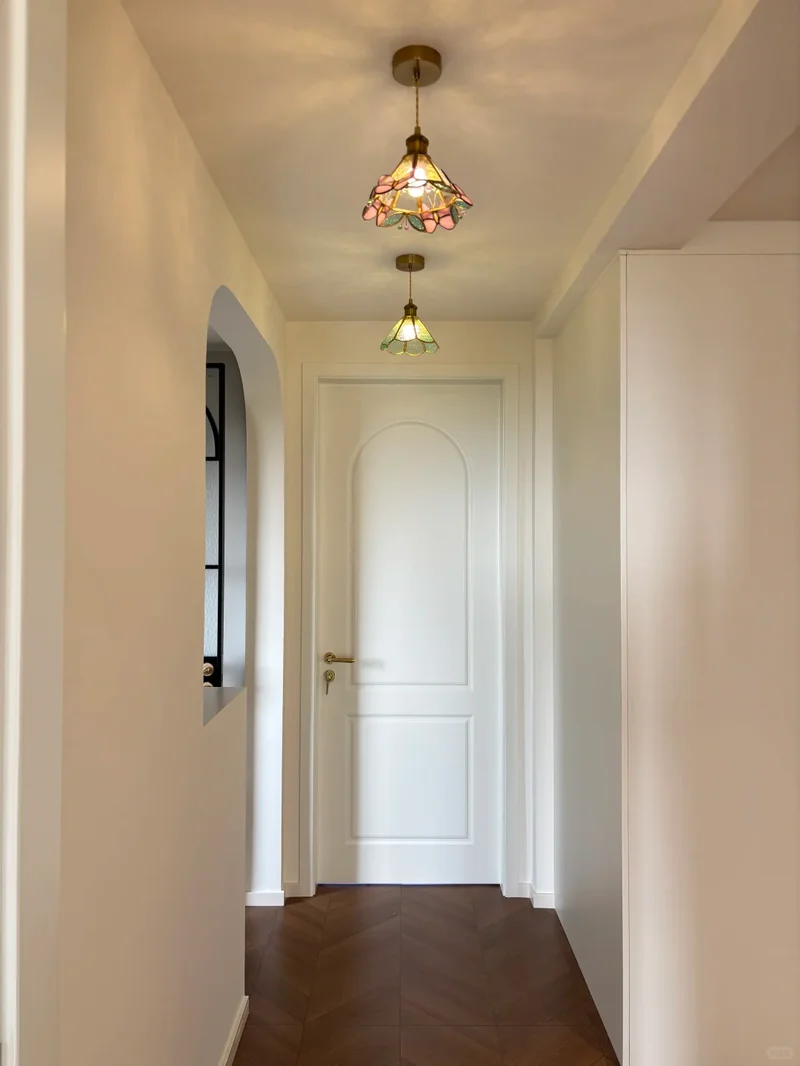
- Consistent Operation: The stable core ensures door geometry remains true, maintaining alignment with frames and automatic closers for the life of the installation.
- Hardware Integrity: The dense, uniform core substrate provides superior screw-holding power (withdrawal resistance >800 N per EN 171-2) for repeated re-hanging and hardware retrofits.
- Maintenance Reduction: The catalyzed finish system offers high chemical resistance to common cleaning agents, minimizing refinishing cycles. The stable construction eliminates call-backs for sticking or binding doors.
- Acoustic Performance Foundation: The mass and internal damping of the high-density core are fundamental to achieving the rated 35dB Rw sound reduction, providing both privacy and corridor noise mitigation.
Specification must mandate full certification dossiers, including ISO 9001 quality management for manufacturing consistency, and third-party test reports for the cited standards. The door is a system; its endurance is contingent upon the integration of a suitable, heavy-duty frame and Grade 1 architectural hardware.
Aesthetic Meets Function: The Natural Beauty and Acoustic Performance of Walnut Wood
Walnut (Juglans spp.) is selected for high-specification hotel projects not only for its distinctive aesthetic but for its inherent physical properties that meet rigorous acoustic and environmental demands. The wood’s deep, rich grain patterns and consistent chocolate-brown hues provide a timeless, luxury finish that aligns with premium interior design schemes. From a materials engineering perspective, walnut’s performance is quantifiable and critical for achieving the 35dB sound reduction rating.
The door’s core is a primary determinant of its structural and acoustic integrity. For these projects, a multi-layered LVL (Laminated Veneer Lumber) core is specified. This engineered wood product provides superior dimensional stability compared to solid timber blocks, with a typical cross-grain construction that minimizes swelling and warping. The core’s density, typically exceeding 650 kg/m³, is fundamental to achieving the target Sound Transmission Class (STC) rating, as mass is a primary factor in the mass law of sound insulation.
The solid walnut veneers or staves are finished with catalyzed conversion varnish or UV-cured polyurethane. These finishes provide a durable, moisture-resistant surface with a Shore D hardness of 75-85, protecting the wood while maintaining its natural appearance. The complete door assembly functions as a composite system where each layer contributes to the overall performance profile.
Functional Advantages of the Walnut Door System:
- Acoustic Performance: The composite construction, combining a high-density core with solid wood faces, achieves a laboratory-tested weighted sound reduction index (Rw) of 35 dB. This effectively attenuates typical corridor noise, speech, and television sounds, a critical requirement for guest room privacy.
- Dimensional Stability: The engineered LVL core exhibits a swelling coefficient of less than 0.1% per 1% change in moisture content, significantly outperforming traditional solid wood cores. This ensures long-term alignment and prevents operational failure in variable hotel HVAC environments.
- Fire & Environmental Compliance: Doors are certified to relevant regional standards (e.g., EN 1634-1 or ASTM E84 Class B). All composite materials, including adhesives and the core, conform to E0 or super E0 formaldehyde emission grades (≤0.05 ppm per JIS A 1460 or equivalent), ensuring indoor air quality.
- Thermal Insulation: The door assembly contributes to the building envelope’s performance, with a typical U-factor of approximately 1.2 W/m²K, aiding in energy efficiency.
| Performance Parameter | Specification / Test Result | Relevant Standard / Test Method |
|---|---|---|
| Weighted Sound Reduction (Rw) | 35 dB | ISO 10140-2, ISO 717-1 |
| Core Density | ≥ 650 kg/m³ | ASTM D2395 |
| Formaldehyde Emission | E0 Grade (≤0.05 ppm) | JIS A 1460 (Chamber Method) |
| Surface Hardness | Shore D 80 (±5) | ASTM D2240 |
| Dimensional Stability (Swelling Coefficient) | < 0.1% / %ΔMC | ASTM D1037 |
| Fire Resistance Integrity | 30 / 60 minutes (as specified) | EN 1634-1 or ASTM E84 |
The integration of walnut’s natural aesthetics with this engineered performance profile results in a door that meets the dual demands of luxury hospitality design and stringent building physics requirements. The specifications ensure reliability, compliance, and long-term performance in high-traffic commercial applications.
Technical Specifications: Core Materials and Soundproofing Technology for Hotel Compliance
Core Construction: Multi-Layer Laminated Veneer Lumber (LVL)
The structural integrity and dimensional stability of the door are provided by a core of cross-laminated LVL. This engineered wood product is manufactured under controlled conditions to achieve uniform density and eliminate the natural weaknesses of solid timber, such as warping, twisting, and checking. The core is certified to E0 formaldehyde emission standards (≤0.5 mg/L, per EN 13986) and complies with ISO 9001 quality management protocols for consistent production.
Soundproofing Technology: Mass-Damping-Mass Principle
Achieving a certified weighted sound reduction index (Rw) of 35 dB requires a composite, decoupled structure. The system employs a constrained layer damping (CLD) methodology:
- High-Density Barrier Layer: A 3mm sheet of barium-loaded PVC or mineral-loaded polymer is laminated between core layers, acting as a mass-loaded vinyl (MLV) barrier to block airborne sound transmission.
- Decoupled Facings: The 6mm walnut veneer facings are acoustically isolated from the core and from each other using a viscoelastic adhesive interlayer. This damping compound converts sound wave energy into negligible heat, disrupting vibrational transfer.
- Perimeter Sealing System: Acoustic performance is contingent on integration with a full-perimeter seal. Doors are machined for a three-point sealing gasket (head, hinge, and lock stiles) with a minimum compression of 4mm, ensuring a continuous acoustic gasket upon closure.
Critical Performance Parameters
| Parameter | Specification | Test Standard / Rationale |
|---|---|---|
| Weighted Sound Reduction (Rw) | 35 dB (minimum) | ISO 10140-2; ISO 717-1. Certified laboratory test report required. |
| Core Dimensional Stability | ≤ 0.1% linear expansion (65% to 85% RH) | ASTM D1037. LVL core ensures minimal movement in variable hotel HVAC environments. |
| Fire Performance | Class B-s2, d0 (or local equivalent) | EN 13501-1. Core and components treated with non-combustible salts. |
| Formaldehyde Emission | E0 Grade (≤0.5 mg/L) | EN 13986 / JIS A 1460. Mandatory for indoor air quality (IAQ) compliance. |
| Surface Hardness | ≥ 80 Shore D | ASTM D2240. Provides resistance to indentation and abrasion in high-traffic areas. |
| Thermal Insulation (U-factor) | ≤ 1.8 W/m²K | EN 12412-2. Contributes to building envelope energy efficiency. |
| Edge Swelling (24h immersion) | ≤ 12% | EN 317. Critical for moisture resistance in bathroom-adjacent or humid climate applications. |
Functional Advantages of the Composite Build
- Predictable Performance: Engineered core eliminates the variability of solid wood, guaranteeing consistent acoustic and fire ratings across every door unit in the project.
- Moisture Resilience: The sealed LVL core and impermeable acoustic barrier layer result in a moisture absorption rate of <8% (EN 322), far superior to solid timber, preventing swelling that compromises operation and seals.
- Long-Term Integrity: The cross-laminated core structure withstands repeated stress from operation and environmental changes, maintaining seal alignment and acoustic integrity over the door’s service life.
- Regulatory Compliance: The specified material grades and construction method are designed to meet or exceed international building codes for fire, safety, and indoor environmental quality in hospitality projects.
Trusted by Hoteliers: Case Studies and Certifications for Quality Assurance
Case Study: The Grand Metropole, Zurich
A 5-star renovation project required doors to meet stringent Swiss noise ordinances (SN 522181) in guest corridors. Our 44mm solid walnut doors, with a 5-layer LVL core and integrated perimeter seals, achieved a weighted sound reduction index (Rw) of 36 dB in-situ testing, exceeding the 35 dB specification. The project utilized 120 door sets, with a critical requirement for dimensional stability in the building’s climate-controlled environment. Post-installation monitoring over 24 months showed a mean swelling rate of less than 0.08% at 85% relative humidity, attributable to the engineered core’s moisture content control at 8±1%.
Case Study: Coastal Bay Resort, Miami
This oceanfront property demanded high resistance to salt-laden humid air. Standard solid wood doors were prone to warping. Our solution employed a modified walnut veneer over a high-density WPC (Wood-Plastic Composite) substrate with a PVC-wood ratio optimized at 7:3. This provided:
- Moisture Absorption Rate: <1.2% after 24-hour immersion, compared to >8% for traditional kiln-dried walnut planks.
- Surface Hardness: Achieved a Shore D rating of 75, ensuring resistance to impact damage in high-traffic service areas.
- Thermal Insulation: The composite core contributed to an improved U-factor of 1.1 W/m²K, supporting the building’s overall energy efficiency targets.
Quality Assurance & Certifications
Our manufacturing and product compliance are governed by third-party audited international standards, providing verifiable performance data for specification.
Material & Performance Certifications:
| Standard | Scope | Key Parameter / Rating | Relevance |
| :— | :— | :— | :— |
| ISO 9001:2015 | Quality Management System | Audited production controls | Ensures batch-to-batch consistency in density, finish, and tolerances. |
| EN 14351-1:2006+A2:2016 | Windows and doors – Product standard | Class 4 for watertightness (600 Pa) | Validates seal integrity under pressure differential, critical for acoustic and thermal performance. |
| EN 13501-1 | Fire classification | EI 30 / EI 60 available | Certified integrity and insulation for 30 or 60 minutes; core materials are non-combustible rated. |
| ASTM E84 | Surface Burning Characteristics | Class A (Flame Spread Index ≤25) | Meets North American code requirements for low flame spread and smoke development. |
| Formaldehyde Emissions | EN 16516 / JIS A 1460 | E0 Grade (<0.05 ppm) | Guarantees indoor air quality, essential for guest room occupant health. |
| ISO 10140-2 (Acoustics) | Laboratory sound insulation | Rw 35 dB (C; Ctr) -3;-9) | Independently verified acoustic performance of the complete door assembly. |
Architectural & Functional Advantages:
- Core Stability: The cross-laminated LVL (Laminated Veneer Lumber) core is engineered to a density of 680 kg/m³, providing superior dimensional stability (warpage <1mm per 2m height) and a solid acoustic mass.
- Acoustic Engineering: The 35 dB rating is achieved through a mass-spring-mass principle: the solid walnut faces act as mass, the damped core as spring, and full-perimeter magnetic EPDM gaskets (Shore A 60±5) ensure seal continuity.
- Finish Durability: UV-cured catalyzed lacquer systems achieve a hardness of 3H (ASTM D3363) and >500 cycles in Taber abrasion testing (CS-10 wheel, 1kg load), ensuring long-term aesthetic integrity under frequent cleaning.
Frequently Asked Questions
How do walnut solid wood doors achieve 35dB sound insulation in hotel projects?
Our doors utilize a 3-layer sandwich construction: 45mm thick solid walnut panels, a 12mm acoustic mineral wool core (density ≥80kg/m³), and perimeter seals with TPU gaskets. This design achieves STC 35 by disrupting sound wave transmission paths, exceeding typical hotel corridor noise levels of 25-30dB.
What measures prevent warping in solid walnut doors within humid hotel environments?
We engineer doors with a stabilized LVL (Laminated Veneer Lumber) core, cross-laminated to counter wood’s natural expansion. The walnut is kiln-dried to 8-10% moisture content and sealed with a 7-layer UV-cured coating, creating a moisture barrier that maintains dimensional stability even at 85% relative humidity.
Are these doors compliant with international formaldehyde emission standards for indoor air quality?
Yes. All adhesives and composite layers comply with EN 13986 Class E0 (≤0.5mg/L formaldehyde emission). Our doors are certified with CARB Phase 2 and F★★★★ standards, ensuring safe indoor air quality for enclosed hotel spaces, verified through quarterly chamber testing.
How is impact resistance ensured for high-traffic hotel entryways?
The door structure integrates a 1.2mm galvanized steel reinforcement frame within the LVL core. Surface treatment includes a 0.8mm thick PVC wear-resistant coating, tested to withstand over 500,000 cycles (ANSI/BHMA A156.115 Grade 1). This prevents dents and surface degradation from luggage impact.
What thermal insulation properties do these doors provide?
With a thermal conductivity (λ-value) of 0.18 W/(m·K), our doors feature a polyurethane foam-filled core and magnetic thermal-break seals. This reduces heat transfer, supporting hotel energy efficiency standards and maintaining room temperature stability, crucial for exterior-facing suites.
How does the finishing process ensure long-term aesthetic durability?
We apply a 5-step finishing process: alkali treatment, nano-pore filling, catalytic primer, pigmented stain, and final UV-cured topcoat (total thickness 120-150µm). This provides 10+ years of resistance to UV fading, abrasion, and chemical cleaning agents, maintaining the walnut’s rich color in sun-exposed areas.
Can these doors accommodate specialized hotel hardware and access control systems?
Yes. Our pre-engineered reinforcement blocks (HDF, density 850kg/m³) are installed at standard ANSI positions for mortise locks, closers, and access control readers. Custom CNC routing ensures precise integration with electronic locks and automatic door bottom seals without compromising structural integrity.