FSC Certified Oak Solid Wood Doors with 8-12% Moisture Content – Premium Quality & Sustainability
Crafted for discerning homeowners and architects alike, FSC-certified oak solid wood doors represent the perfect fusion of enduring beauty, structural integrity, and environmental responsibility. Sourced from responsibly managed forests, these doors not only enhance the aesthetic appeal of any space but also reflect a commitment to sustainable forestry practices. Each door is precision-engineered from premium-grade oak, ensuring rich grain patterns and exceptional durability that stand the test of time. Critically, with a controlled moisture content of 8–12%, these doors are optimized for dimensional stability, minimizing the risk of warping, shrinking, or swelling in varying climates. This precise moisture balance ensures seamless installation and long-term performance across diverse environments, from modern urban lofts to traditional country homes. More than just a functional entryway, an FSC-certified oak door is a statement of quality and ecological stewardship—where luxury meets sustainability in perfect harmony.
Why Choose FSC Certified Oak Solid Wood Doors for Your Home
- Premium durability and structural integrity
- Consistent dimensional stability
- Exceptional aesthetic longevity
- Verified environmental stewardship
- Compliance with leading green building standards
FSC Certified Oak Solid Wood Doors represent the convergence of uncompromising performance, enduring beauty, and responsible sourcing. Engineered from solid oak with a rigorously maintained moisture content of 8–12%, these doors are optimized for stability in diverse climatic conditions, minimizing the risk of warping, shrinking, or swelling after installation. This precise moisture equilibrium ensures long-term fit and function, critical for maintaining effective seals, smooth operation, and alignment within door frames—especially in high-traffic or climate-variable environments.
Oak, inherently dense and resilient, offers superior impact resistance and acoustic insulation compared to engineered or softwood alternatives. When sourced as solid timber and FSC certified, it delivers unmatched longevity, often lasting decades with minimal maintenance. The natural grain patterns and tonal variation of oak enhance architectural character, aging gracefully while supporting both traditional and contemporary design aesthetics.
The FSC (Forest Stewardship Council) certification guarantees that the oak originates from forests managed in accordance with strict environmental, social, and economic criteria. This includes the protection of biodiversity, respect for indigenous rights, and the enforcement of sustainable harvest rates. For architects, builders, and homeowners committed to ethical procurement and sustainable development, FSC certification provides transparent, third-party-verified assurance of responsible forestry practices.
Moreover, specifying FSC Certified doors supports compliance with sustainability benchmarks such as LEED, BREEAM, and WELL Building Standard, enhancing project eligibility for certification and recognition. With increasing regulatory and consumer demand for traceable, low-impact materials, these doors serve as a strategic component in environmentally accountable construction.
Choosing FSC Certified Oak Solid Wood Doors is not merely an investment in superior craftsmanship—it is a commitment to ecological integrity, long-term performance, and responsible stewardship of natural resources. For discerning projects where quality and sustainability are non-negotiable, they represent the definitive choice.
Understanding Optimal Moisture Content: Benefits of 8-12% in Solid Oak Doors
-
Optimal moisture content in solid oak doors is a critical determinant of long-term performance, dimensional stability, and structural integrity. For FSC certified oak solid wood doors, maintaining a moisture content (MC) within the 8–12% range ensures that the material is properly seasoned to match typical indoor environmental conditions, minimizing the risk of warping, cracking, or joint failure over time.
-
Wood is hygroscopic, meaning it naturally absorbs or releases moisture in response to changes in relative humidity. When oak is dried beyond or below the equilibrium moisture content (EMC) of standard interior environments (typically 35–55% RH at 20–22°C), it becomes prone to movement. An MC of 8–12% aligns with the EMC of most climate-controlled residential and commercial spaces, allowing the door to remain dimensionally stable post-installation.
-
Doors produced outside this optimal range face significant performance risks. Excess moisture (>12%) increases the likelihood of shrinkage as the wood continues to dry in service, potentially leading to gaps in joints, misalignment in hanging, and surface checking. Conversely, overly dry wood (<8%) may absorb ambient moisture and swell, causing binding, difficulty in operation, and stress on hardware.
-
The 8–12% moisture range also supports superior finishing outcomes. Stain and finish absorption is more uniform within this range, enhancing aesthetic consistency and long-term finish adhesion. This reduces the need for refinishing and contributes to the door’s premium appearance over time.
-
From a manufacturing perspective, precise moisture control reflects rigorous quality assurance. Kiln-drying oak to this specification ensures that each door is acclimated before machining, reducing internal stresses and improving joinery precision, particularly in mortise-and-tenon or frame-and-panel constructions.
-
Sustainability is further enhanced through optimized moisture content. Stable doors require fewer replacements or repairs, reducing resource consumption and supporting the lifecycle integrity of FSC-certified materials. This combination of technical precision and environmental responsibility defines the benchmark in premium solid oak door production.
Sustainability Meets Strength: The Importance of FSC Certification in Wood Doors
- FSC Certification ensures that oak used in solid wood doors originates from responsibly managed forests that provide environmental, social, and economic benefits
- Each FSC-certified door supports sustainable forestry practices, including biodiversity conservation, protection of indigenous rights, and long-term forest health
- The FSC chain-of-custody certification guarantees traceability from forest to finished product, offering verifiable accountability in sourcing
FSC certification is a globally recognized benchmark for responsible forest management. In the context of solid wood doors, particularly those crafted from oak, this certification provides assurance that the material is harvested in a manner that preserves ecosystem integrity and supports long-term sustainability. With deforestation and illegal logging continuing to threaten global forest resources, specifying FSC-certified oak doors is a decisive step toward ethical procurement and environmental stewardship.
Oak, prized for its density, grain structure, and durability, is a premium material for architectural applications. When sourced from FSC-certified forests, its environmental footprint is significantly reduced. These forests are managed under strict guidelines that prohibit clear-cutting, protect wildlife habitats, and ensure regeneration. Moreover, FSC standards mandate fair labor practices and respect for local communities—critical components often overlooked in uncertified supply chains.
The integration of FSC certification with precise moisture control—8–12%—further enhances product performance and lifecycle value. Oak doors within this moisture range exhibit minimal movement, reduced warping risk, and improved dimensional stability, directly contributing to longevity and reduced waste. This precision reflects not only technical excellence but also a commitment to resource efficiency—each door performs optimally over decades, aligning durability with sustainability.
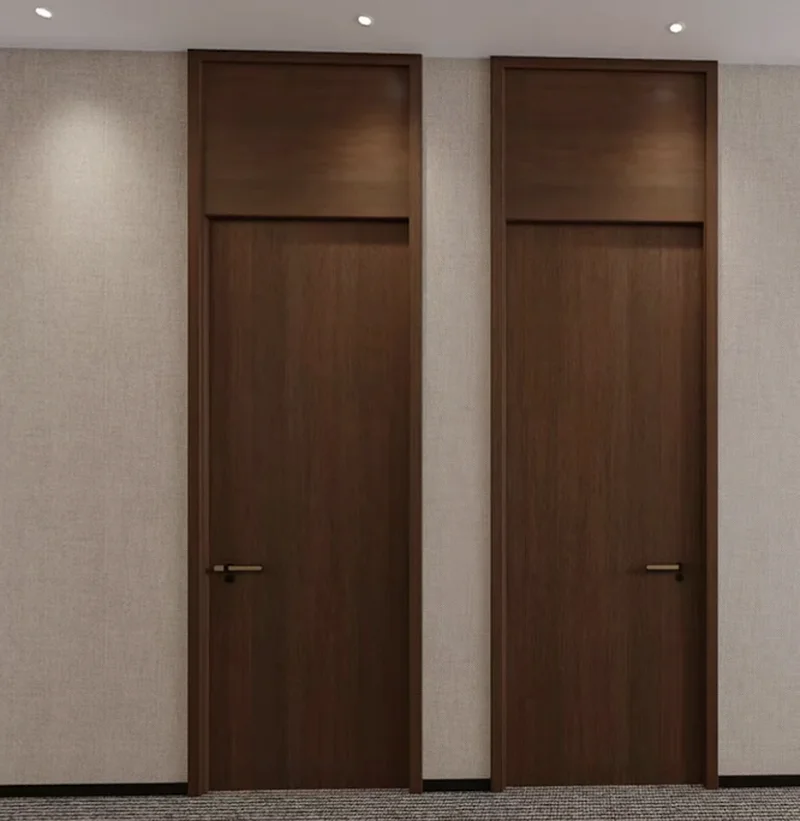
For architects, designers, and builders aiming to meet green building standards such as LEED or BREEAM, FSC-certified oak doors contribute directly to material credits and sustainability benchmarks. They represent a confluence of strength, longevity, and ecological responsibility.
Ultimately, selecting FSC-certified oak solid wood doors is not merely a specification decision—it is a commitment to environmental integrity, ethical sourcing, and enduring quality. In an era where material transparency and lifecycle impact are paramount, FSC certification provides the necessary rigor to validate sustainability claims without compromise.
Performance and Durability: How Moisture-Stable Oak Doors Resist Warping and Cracking
-
Engineered for dimensional stability, FSC certified oak solid wood doors with a moisture content of 8–12% are precision-milled and acclimated to perform reliably in diverse interior environments. This targeted moisture range aligns closely with the equilibrium moisture content (EMC) of most climate-controlled buildings, minimizing the risk of hygroscopic movement that leads to warping, cupping, or twisting.
-
Oak, inherently dense and interlocked in grain structure, exhibits superior resistance to deformation compared to many softwoods and engineered alternatives. When kiln-dried to a stable 8–12% moisture content, cellular tension within the wood is balanced, reducing internal stress that can manifest as cracking or splitting over time. This controlled drying process is critical—excess moisture invites shrinkage upon drying, while overly dry wood may absorb ambient humidity and expand, both scenarios compromising fit and function.
-
Proper sealing and finishing further enhance performance. Factory-applied finishes penetrate and encapsulate the timber, creating a semi-permeable barrier that moderates moisture exchange without trapping vapour. This balanced protection preserves dimensional integrity across seasonal fluctuations, especially in areas with variable humidity such as hallways, kitchens, or climate-transitional zones.
-
Long-term durability is reinforced by adherence to FSC sourcing standards, ensuring only mature, slow-grown oak is selected—wood with tighter growth rings and higher density, which inherently resists deformation. Each door undergoes rigorous quality control, including moisture meter verification at multiple production stages, to ensure consistency.
-
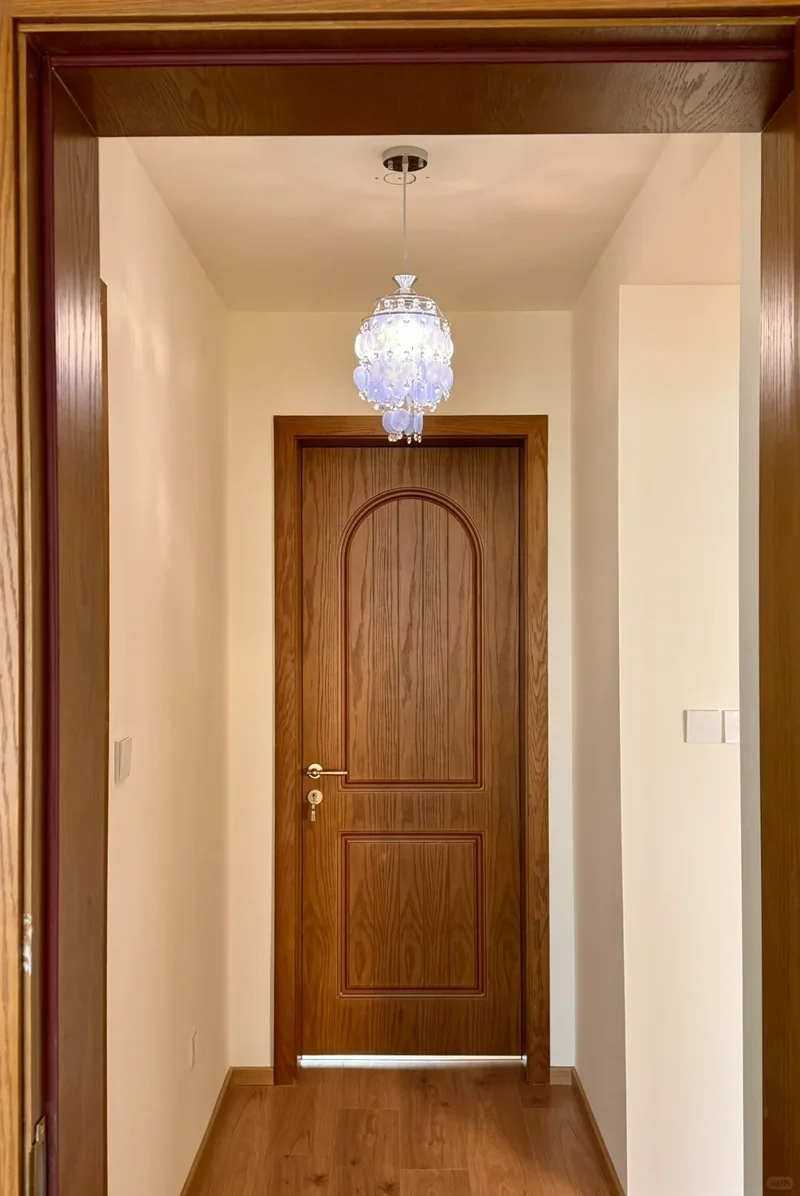
In practical service, these doors maintain flatness and alignment over decades, resisting the common failure modes of poorly stabilized wood. Field reports and accelerated aging tests confirm minimal movement—typically less than 0.5 mm per meter of width—under standard indoor conditions. This stability ensures consistent operation of hinges and locks, maintains aesthetic continuity, and reduces maintenance cycles.
-
Ultimately, the convergence of species selection, precise moisture management, responsible sourcing, and protective finishing defines the performance benchmark for premium oak doors. They deliver enduring form and function, making them a technically sound and sustainable choice for high-specification residential and commercial applications where reliability and longevity are paramount.
Buying Guide: What to Look for in High-Quality FSC Oak Interior and Exterior Doors
-
Verify FSC Chain-of-Custody Certification: Ensure the manufacturer and supplier hold valid FSC certification, providing traceability from forest to finished product. This guarantees the oak is sourced from responsibly managed forests that prioritize biodiversity, worker rights, and environmental sustainability.
-
Assess Moisture Content with Precision: Confirm the door has been acclimatized to a moisture content of 8–12%, measured via calibrated moisture meters at the point of manufacture. Deviations beyond this range increase the risk of warping, cupping, or joint failure, particularly in variable interior climates or exposed exterior applications.
-
Inspect Wood Grade and Grain Structure: Select doors crafted from FAS (Firsts and Seconds) or Select-grade oak, characterized by tight, straight grain patterns and minimal defects. Avoid doors with excessive knots, mineral streaks, or irregular grain, as these compromise structural integrity and long-term dimensional stability.
-
Evaluate Construction Methodology: Prioritize solid stave or engineered stave-core construction over particleboard or MDF hybrids. Solid oak components—rails, stiles, and panels—should be joined using mortise-and-tenon techniques with waterproof, structural-grade adhesives. Engineered variants with cross-banded lamination offer enhanced resistance to seasonal movement.
-
Examine Surface Finish and Sealing: For exterior applications, ensure doors feature a multi-coat, microporous finish that allows vapor transmission while resisting UV degradation, moisture ingress, and fungal growth. Interior doors should be finished with low-VOC, abrasion-resistant coatings compatible with future refinishing.
-
Confirm Dimensional Tolerances and Flatness: Measure doors for warpage, twist, or bowing exceeding 1/8” over 80” length. Reputable suppliers provide doors pre-planed to precise thickness and flatness tolerances, ensuring seamless integration into standard framing systems.
-
Review Hardware Readiness: Check for factory-drilled hinge mortises, bore holes for locks, and reinforcement in high-stress areas. Consistent pre-fitting reduces on-site labor and ensures alignment longevity under repeated use.
-
Request Documentation: Demand moisture certification, FSC documentation, and warranty details covering structural integrity and finish performance. Warranties exceeding 10 years reflect confidence in material and craftsmanship.
-
Evaluate Supplier Expertise: Partner with manufacturers specializing in solid hardwood doors, offering technical support, acclimatization guidance, and lead-time transparency. Proven experience in both interior and exterior applications ensures product suitability across environments.
Frequently Asked Questions
What does FSC certification mean for oak solid wood doors?
FSC (Forest Stewardship Council) certification ensures that the oak used in the doors comes from responsibly managed forests that meet rigorous environmental, social, and economic standards. For oak solid wood doors, this certification guarantees traceability, sustainable harvesting practices, and adherence to strict ecological guidelines—critical for architects, builders, and environmentally conscious consumers seeking sustainable building materials.
Why is moisture content specified at 8–12% for solid oak doors?
An 8–12% moisture content is optimal for solid oak doors in most interior environments as it aligns with typical indoor relative humidity levels (30–50%). This range prevents excessive expansion or shrinkage, minimizing warping, cracking, and dimensional instability post-installation. Kiln-dried oak maintained within this range ensures long-term structural integrity and finish durability.
How does FSC certification impact the quality and performance of oak doors?
FSC certification does not directly govern physical performance but ensures sustainable sourcing and quality control throughout the supply chain. FSC-certified suppliers often employ stringent manufacturing protocols, including precise kiln drying and moisture stabilization, resulting in higher consistency in grain structure, moisture content, and overall quality—key for premium architectural applications.
Can FSC-certified oak doors be used in high-humidity areas like bathrooms?
While FSC-certified oak doors with 8–12% moisture content are suitable for interior use, they require protective finishes and proper acclimatization for high-humidity environments. For bathrooms, experts recommend using engineered oak or applying moisture-resistant sealants on all surfaces. Even with optimal moisture content, prolonged exposure to moisture necessitates enhanced finishing protocols to prevent cupping or swelling.
How should I acclimatize FSC-certified oak doors before installation?
To prevent dimensional movement, acclimate solid oak doors in the installation environment for at least 5–7 days in their unopened packaging. Maintain stable temperature (18–24°C) and humidity (35–50%). This allows the wood to equilibrate with ambient conditions, ensuring moisture content stabilizes within the 8–12% range and reduces post-installation issues.
What finishing techniques best preserve the integrity of FSC-certified oak doors?
Expert-level finishing involves using penetrating oils (e.g., tung or hardwax oil) or moisture-regulating polyurethanes that enhance grain while allowing minimal cellular movement. These finishes protect against daily wear and moisture fluctuations without sealing the wood entirely—important for balancing aesthetics, durability, and breathability in solid oak.
Is 8–12% moisture content sufficient for installing oak doors in commercial projects?
Yes, 8–12% moisture content aligns with industry standards (e.g., NHLA and BS 5747) for interior architectural joinery in commercial settings. However, verification with a calibrated moisture meter pre- and post-acclimation is essential. In large-scale installations, batch consistency and environmental controls during HVAC stabilization are critical for seamless integration.
How can I verify the FSC claim on my oak door purchase?
Request the FSC certificate code from the supplier and validate it using the FSC Certificate Database (info.fsc.org). Legitimate FSC labels include a unique license code (e.g., “FSC-CXXXXXX”) and chain-of-custody certification. Experts recommend sourcing from FSC-CoC (Chain of Custody) certified distributors to ensure authenticity.
What are the risks of installing oak doors with moisture content outside the 8–12% range?
Moisture levels below 8% increase brittleness and risk cracking, especially in heated environments. Levels above 12% can lead to shrinkage, gaps at joints, and finish failure after installation. Over time, unbalanced moisture causes warping, binding, or difficulty latching. Pre-installation verification with a pinless moisture meter is considered industry best practice.
Do FSC-certified oak doors require special maintenance?
FSC certification doesn’t dictate maintenance, but solid oak doors benefit from regular care: clean with a slightly damp cloth, avoid harsh cleaners, and monitor for signs of moisture imbalance. Reapply protective finishes every 2–5 years depending on traffic. Proper HVAC control maintains stable ambient conditions crucial for preserving optimal moisture content.
Are there differences in stability between quarter-sawn and flat-sawn FSC-certified oak doors?
Yes—quarter-sawn oak exhibits superior dimensional stability due to straight grain alignment, reducing expansion/contraction across the width. This makes it ideal for doors in fluctuating environments. While both types perform well within 8–12% moisture range, quarter-sawn is preferred in precision applications where warping must be minimized.
How does FSC certification support LEED and other green building credits?
FSC-certified wood contributes to LEED v4.1 Building Design and Construction credits under “Material Ingredients” and “Sourcing of Raw Materials.” Using FSC-certified oak doors can earn 1–2 material points, supporting sustainable procurement goals, enhancing project sustainability profiles, and meeting client-driven environmental standards in commercial and high-performance residential builds.