Bulk Garden Doors for Residential Communities: Enhance Security and Aesthetics in Landscaping Design
In the evolving landscape of residential community design, functionality and beauty must coexist seamlessly—and few elements bridge that gap quite like bulk garden doors. More than just transitional fixtures, these architectural features serve as pivotal components in enhancing both security and visual appeal across shared outdoor spaces. Strategically installed in parks, courtyards, and perimeter pathways, bulk garden doors offer controlled access while reinforcing community safety, deterring unauthorized entry without compromising on openness or charm. Crafted from durable materials and available in a range of styles, they complement diverse landscaping themes—from contemporary minimalist to rustic elegance. Procuring these doors in bulk not only ensures design consistency across large developments but also delivers significant cost efficiencies for property managers and developers. As communities increasingly prioritize cohesive, secure, and inviting environments, integrating thoughtfully selected garden doors becomes a smart, forward-thinking investment in both infrastructure and resident satisfaction.
Why Bulk Garden Doors Are Essential for Modern Residential Community Landscaping
-
Bulk garden doors are no longer peripheral elements in residential community design—they are central to achieving cohesive, secure, and visually compelling landscapes. As urban density increases and communal living gains preference, the integration of functional yet aesthetically refined access points becomes essential for both operational efficiency and design integrity.
-
From a security standpoint, bulk procurement of garden doors ensures uniformity in locking mechanisms, materials, and structural resilience. Standardized systems simplify access control integration, allowing centralized monitoring through smart security platforms. This consistency reduces vulnerabilities associated with mismatched or outdated entry points, particularly in communities with multiple access zones such as recreational areas, parking structures, and green spaces.
-
Aesthetically, bulk garden doors contribute to architectural harmony. When sourced in volume with a unified design language—aligned with the community’s material palette, color scheme, and stylistic motifs—they reinforce a coherent identity. Whether crafted in powder-coated aluminum for contemporary enclaves or forged steel with ornamental detailing for traditional settings, coordinated doors elevate the perceived value of communal spaces.
-
Operational advantages further validate bulk acquisition. Procuring doors in volume reduces per-unit cost and streamlines installation timelines, particularly during large-scale developments. Manufacturers often provide enhanced warranties, technical support, and customization options when fulfilling bulk orders, enabling precise adaptation to site-specific requirements such as wind load ratings, corrosion resistance, or fire separation needs.
-
Sustainability is another critical factor. High-quality, bulk-specified doors typically feature recycled materials, energy-efficient seals, and long service life—reducing lifecycle environmental impact. Their durability minimizes maintenance demands and replacement frequency, aligning with green building standards increasingly mandated in residential planning.
-
Moreover, thoughtful placement and design of these doors can guide pedestrian flow, enhance wayfinding, and create transitional zones that blur the boundary between built and natural environments. When integrated with landscaping—framed by native planting, ambient lighting, or permeable paving—they become design features rather than mere fixtures.
In modern residential communities, bulk garden doors are not simply functional necessities—they are strategic instruments that unify security, sustainability, and aesthetic excellence within the fabric of landscape architecture.
Choosing the Right Materials and Styles for Large-Scale Garden Door Installations
-
Selecting appropriate materials and styles for large-scale garden door installations in residential communities demands a balance between durability, security, aesthetic coherence, and long-term maintenance efficiency. Given the volume and visibility of such projects, material performance under environmental stress and alignment with community branding are paramount.
-
Material Selection
- Steel: Offers superior strength and intrusion resistance, ideal for high-security zones. Hot-dip galvanized or powder-coated finishes enhance corrosion resistance, critical in humid or coastal climates.
- Aluminum: Lightweight and inherently corrosion-resistant, aluminum is suitable for coastal or high-moisture environments. It allows for slimmer profiles and larger spans, supporting modern design trends while requiring minimal maintenance.
- Composite Materials: Increasingly favored for their low maintenance and resistance to warping, rot, and insect damage. Composites can mimic wood grain, offering aesthetic flexibility without the upkeep associated with natural timber.
- Wood: Provides traditional warmth and visual appeal but demands rigorous treatment and ongoing maintenance. Best reserved for lower-traffic areas or communities prioritizing historic authenticity, with engineered hardwoods or thermally modified wood recommended for durability.
-
Design and Aesthetic Integration
Uniformity in style across all installations ensures visual harmony within the community. Design should reflect the architectural language of surrounding structures—whether Mediterranean, contemporary, or craftsman—using consistent finish tones, panel profiles, and hardware. Frame proportions and glazing options (e.g., frosted, tempered glass) must balance visibility for natural surveillance with privacy and light control. -
Operational and Environmental Considerations
Automated or electromechanical access systems should be compatible with community-wide security infrastructure. Materials must withstand local UV exposure, temperature fluctuations, and precipitation levels. For example, dark powder-coated finishes may require thermal breaks in hot climates to prevent warping. -
Lifecycle Cost Analysis
Initial cost must be evaluated against lifecycle performance. While aluminum and composite systems may have higher upfront costs, their longevity and lower maintenance often yield better total cost of ownership compared to wood or untreated steel.
Material and style decisions directly influence both the functional resilience and curb appeal of residential communities. A strategic, data-informed approach ensures installations meet security mandates while enhancing landscape integration and resident satisfaction.
Integrating Security and Functionality in Community Entrance Solutions
-
Integration of security and functionality in community entrance solutions requires a strategic balance between access control, durability, pedestrian and vehicular flow, and aesthetic coherence with the surrounding landscape.
-
High-traffic residential communities demand entrance systems that deter unauthorized access without compromising ease of movement for residents and service providers. Bulk garden doors—particularly those designed for perimeter access, service entrances, or secondary access points—must incorporate tamper-resistant hardware, reinforced framing, and materials resistant to forced entry, such as powder-coated aluminum or stainless steel.
-
Electronic access integration is critical. Options such as RFID card readers, keypad entry, or mobile-based authentication ensure controlled access while maintaining operational efficiency. For larger communities, integration with centralized security systems enables real-time monitoring, audit trails, and remote management, enhancing both security responsiveness and administrative oversight.
-
Functionality extends beyond access control. Properly engineered hinges, self-closing mechanisms, and weather seals ensure long-term performance in varied climates. Threshold design must accommodate both pedestrian traffic and maintenance vehicles, minimizing trip hazards while supporting wheeled equipment passage.
-
Aesthetically, garden doors should complement the community’s architectural language. Custom finishes, powder coating in landscape-coordinated hues, and design elements like laser-cut patterns or wood-grain textures allow security infrastructure to blend into green spaces rather than dominate them.
-
Strategic placement also contributes to functionality. Entrances should be sited to maintain clear lines of sight for surveillance, avoid blind corners, and align with natural circulation patterns. Lighting—integrated LED fixtures or proximity-activated illumination—enhances visibility and safety during nighttime access.
-
Maintenance accessibility must not be overlooked. Designing for easy servicing of locks, sensors, and moving parts reduces long-term lifecycle costs and ensures consistent performance.
-
Finally, compliance with local building codes, fire egress requirements, and ADA standards is non-negotiable. Emergency release mechanisms and fail-safe configurations must be incorporated to allow safe evacuation without compromising day-to-day security.
-
The most effective solutions are those where security is embedded invisibly into functional and visually harmonious design—where safety does not announce itself through fortress-like imposition, but through seamless, intelligent integration within the residential landscape.
Maximizing Curb Appeal with Coordinated Garden Door Designs Across Residential Entries
-
Consistent material selection across garden doors and entry points reinforces architectural cohesion and elevates neighborhood identity. Using uniform materials—such as powder-coated aluminum, thermally broken steel, or sustainably sourced hardwood—ensures durability while contributing to a refined visual language that aligns with community branding.
-
Color coordination between garden doors, façades, and hardscaping elements is critical for maximizing curb appeal. A curated palette, tested under varying daylight conditions, ensures that entries remain visually engaging without appearing disjointed. Communities benefit from selecting two to three primary colors: one dominant tone for doors, a secondary shade for frames or trim, and a neutral accent that ties into surrounding masonry or stonework.
-
Proportional harmony between door dimensions and building scale enhances architectural balance. Oversized louvered garden doors suit contemporary townhomes with expansive frontages, while narrower, paneled designs complement traditional row houses. Uniform sizing across entries prevents visual clutter and signals intentional design.
-
Hardware finishes must be standardized to maintain aesthetic continuity. Matching door handles, hinges, and latch details in brushed stainless steel, matte black, or oil-rubbed bronze strengthens design integrity. These subtle elements, often overlooked, significantly influence perceived quality.
| Design Element | Recommended Standardization Approach |
|---|---|
| Material | Select one primary material per community |
| Color | Adopt a 3-color palette with 80-15-5 rule |
| Glazing Pattern | Repeat identical or mirrored configurations |
| Threshold Treatment | Use consistent transition materials (e.g., granite, teak) |
| Lighting Integration | Coordinate with door frame for uniform glow |
-
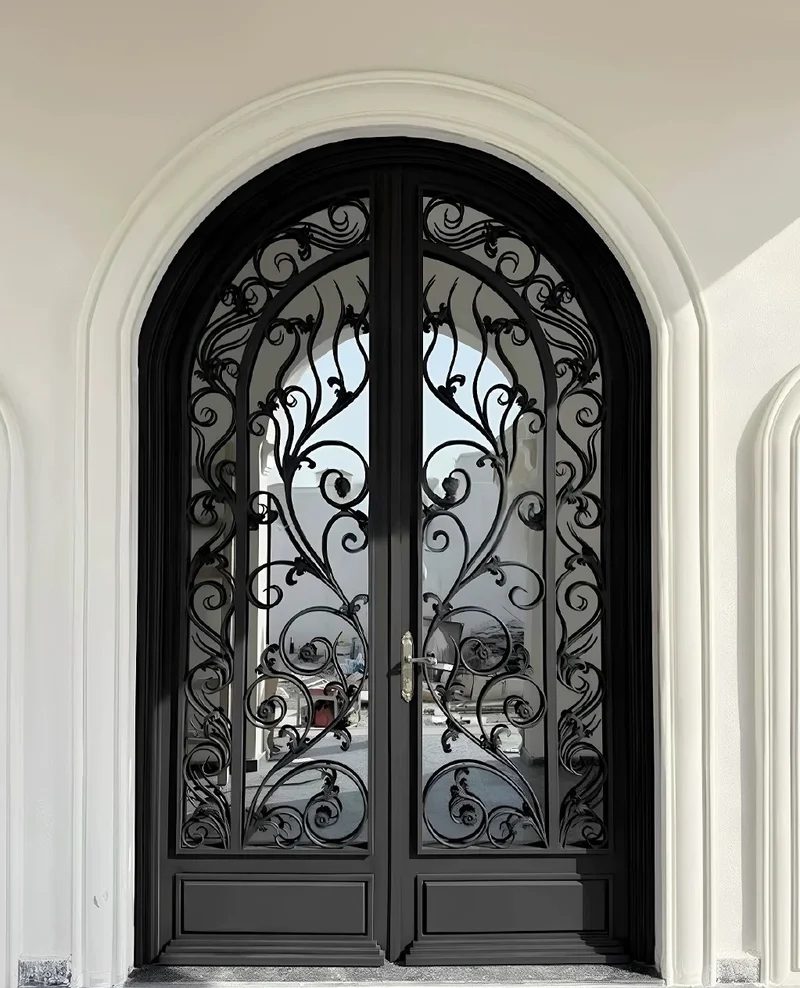
Strategic integration of glazing—whether through full-height glass panels or geometric inserts—allows visibility while maintaining privacy. Repeating similar glazing patterns across entries creates rhythm, guiding the eye and reinforcing order.
-
Landscaping adjacency must complement door design. Flanking planters, symmetrical shrubbery, or integrated trellises with climbing vines frame entries and soften hardscapes. Plant selection should consider seasonal variation to ensure year-round appeal.
-
Finally, bulk procurement enables precise specification control, ensuring every unit meets aesthetic and performance benchmarks. Pre-finished, factory-coated systems reduce on-site variability and accelerate installation without sacrificing design fidelity.
Coordinated garden door design is not merely cosmetic—it is a strategic investment in property value, resident satisfaction, and long-term community branding.
Cost-Effective Procurement Strategies for Bulk Purchases of Landscape Entry Doors
-
Establish long-term supplier agreements to secure volume-based pricing and ensure supply continuity for landscape entry doors across residential community developments. Negotiate tiered pricing structures that reward increased order volumes while incorporating price escalation clauses tied to material indices to manage commodity risk.
-
Consolidate procurement across multiple projects to maximize purchasing power. Pooling demand from phased community builds allows for larger, more economical orders, reducing per-unit costs and minimizing administrative overhead.
-
Conduct comprehensive market benchmarking before finalizing contracts. Evaluate at least three qualified suppliers on total cost of ownership, including freight, installation support, warranty terms, and lifecycle maintenance, not just initial purchase price.
-
Prioritize standardized door designs and finishes across community entries. Uniform specifications simplify manufacturing, reduce tooling costs, and accelerate lead times, while still allowing for curated aesthetic variation through modular components like grilles or hardware.
-
Leverage just-in-time (JIT) delivery schedules coordinated with construction timelines. This reduces on-site storage requirements and mitigates risks of damage or theft during extended staging, without sacrificing project continuity.
-
Specify materials with favorable cost-to-performance ratios—such as fiberglass or thermally broken aluminum—over premium alternatives where structural and aesthetic requirements allow. These materials offer durability, low maintenance, and resistance to environmental degradation at a fraction of the cost of solid wood or custom metalwork.
-
Incorporate performance-based incentives into supplier contracts, such as bonuses for early delivery or penalties for defects. This aligns vendor performance with project KPIs and reduces rework costs.
-
Engage suppliers early in the design phase to identify value engineering opportunities. Collaborative design input can yield cost savings through material optimization, simplified assembly, or alternative sourcing without compromising security or curb appeal.
-
Require comprehensive warranties covering both materials and finishes, with clear remediation protocols. A robust warranty reduces long-term liability and ensures accountability for product integrity across bulk installations.
-
Implement a post-installation review process to assess supplier performance, product quality, and installation outcomes. Use findings to refine future procurement criteria and strengthen vendor selection rigor.
Frequently Asked Questions
What are the key benefits of installing bulk garden doors in a residential community?
Bulk garden doors enhance security, improve aesthetic continuity, and streamline access control across a residential landscape. When installed uniformly, they contribute to community identity, increase property values, and support efficient maintenance workflows. Additionally, bulk procurement reduces per-unit costs and ensures design consistency across entrances and green spaces.
How do I select the right material for bulk garden doors in a landscaping project?
For residential communities, choose materials based on durability, maintenance needs, and climate resilience. Powder-coated aluminum offers corrosion resistance and low maintenance, ideal for coastal or humid areas. Cedar or thermally modified wood provides natural aesthetics but requires periodic sealing. For high-security needs, reinforced steel with weatherproof finishes is optimal. Always prioritize materials that match the community’s architectural style and sustainability goals.
What design considerations ensure garden doors blend with community landscaping?
Coordinate door height, color, and finish with surrounding hardscapes and vegetation. Use consistent sightlines—louvered, geometric, or minimalist designs—aligned with community standards. Integrate landscaping features like climbing trellises or flanking planters to soften transitions. Ensure gate proportions complement entry pathways and architectural elements to maintain visual harmony across the development.
How can bulk purchasing of garden doors reduce project costs?
Bulk procurement leverages economies of scale, reducing material, shipping, and installation costs per unit. By standardizing specifications, contractors can streamline fabrication and minimize custom labor. Long-term savings also come from negotiated vendor warranties, bulk finish coatings, and reduced administrative overhead when managing a single large order vs. multiple small ones.
What security features should be included in community garden doors?
Integrate tamper-resistant hinges, commercial-grade deadbolts, and ANSI Grade 1 hardware. For access control, consider smart lock compatibility, keypads, or RFID systems. Retrofitting doors with sensors and integration into centralized security platforms allows real-time monitoring. Perimeter visibility should be balanced with safety—use designs with partial screening or tempered glass inserts where surveillance is important.
Are automated systems feasible for multiple garden doors in a residential community?
Yes—automated sliding or swing gates with battery backups and solar charging options are viable for controlled access points. Centralized automation systems using IoT controllers enable remote management, access scheduling, and integration with intercom or CCTV networks. Ensure systems comply with ADA standards and include manual override features for emergencies.
How do I ensure ADA compliance when installing bulk garden doors?
All community-accessible garden doors must meet ADA guidelines: minimum clear width of 32 inches, threshold heights under ½ inch, and opening force under 5 pounds. Automated or powered operators are recommended for frequent-use entrances. Avoid protruding hardware and ensure clear maneuvering space on both sides of the door. Design pathways leading to doors with gentle slopes and non-slip surfaces.
What maintenance protocols extend the lifespan of bulk-installed garden doors?
Implement biannual inspections for hinge alignment, latch functionality, and finish integrity. Clean surfaces with pH-neutral cleaners to prevent coating degradation. Lubricate moving parts quarterly and replace worn seals or rollers promptly. For wood doors, reapply protective finishes every 1–2 years; for metal, inspect for oxidation and touch up scratches immediately to prevent rust propagation.
Can smart technology be integrated into bulk garden door systems?
Yes—modern garden doors support integration with community IoT platforms via Bluetooth, Wi-Fi, or Zigbee-enabled locks. Features include remote access logging, temporary guest codes, and real-time alerts for unauthorized entry. Pairing with landscape lighting or surveillance systems enhances both convenience and safety while providing data for optimizing community operations.
What warranties and certifications should I request when procuring bulk garden doors?
Require minimum 10-year structural warranties and 5-year finish warranties from manufacturers. Confirm compliance with ASTM standards for gate strength, wind load, and corrosion resistance. For coastal communities, demand salt-spray test certification (ASTM B117). Insist on certified installers and documentation of hardware meeting BHMA or AAMA performance ratings.
How do climate conditions affect garden door performance in community landscapes?
Extreme temperatures, humidity, and UV exposure can warp wood, degrade seals, and cause metal expansion. Specify materials and finishes rated for the local climate zone—e.g., UV-stable polymers, marine-grade aluminum, or thermally broken frames. Include expansion joints and ventilated designs to mitigate moisture buildup and thermal stress in large installations.
What role do landscape architects play in specifying bulk garden doors?
Landscape architects align door specifications with site plans, circulation patterns, and ecological considerations. They coordinate door placement to minimize environmental disruption, enhance user experience, and comply with municipal regulations. Their expertise ensures seamless integration with irrigation, lighting, and native planting schemes, elevating both function and long-term sustainability.