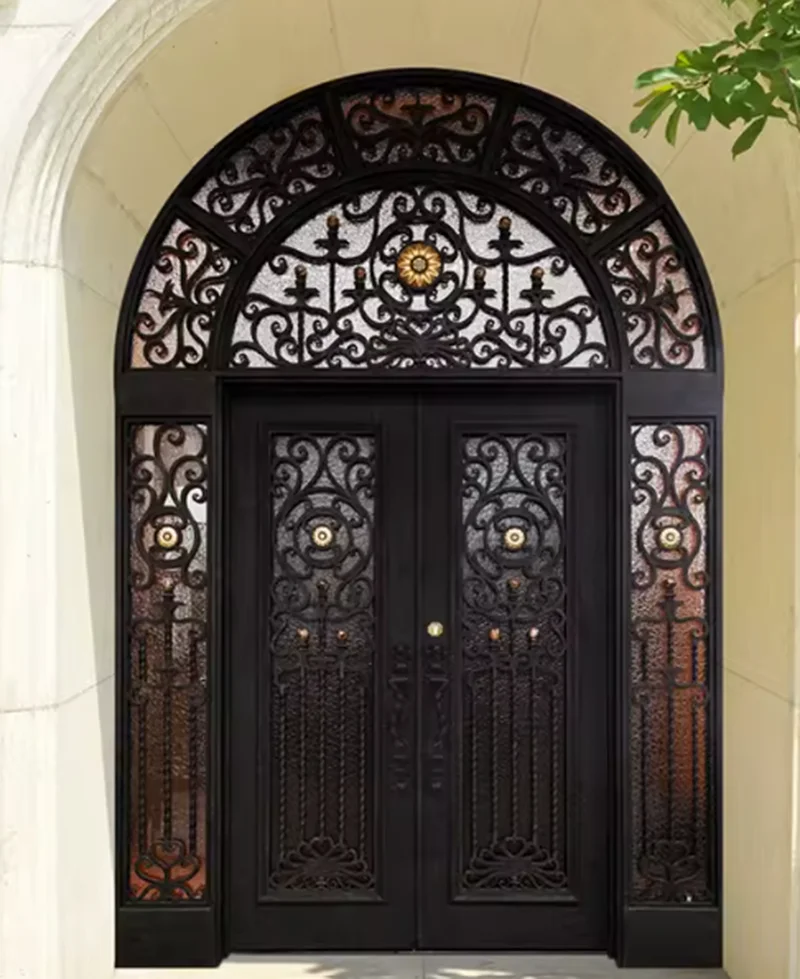
Garden door procurement for real estate development projects
In the evolving landscape of real estate development, every architectural detail contributes to a project’s overall value, and the selection of garden doors is no exception. More than mere entry points, these doors serve as vital transitions between indoor elegance and outdoor living, shaping both aesthetic appeal and functional performance. Procuring garden doors for large-scale developments demands a strategic blend of design foresight, material expertise, and supply chain precision. From energy efficiency and security standards to style coherence across units, developers must navigate a complex array of considerations to ensure long-term satisfaction and compliance. As sustainability and smart home integration gain prominence, the demand for high-performance, customizable garden doors has surged. Forward-thinking developers recognize that thoughtful procurement not only enhances curb appeal and resident experience but also mitigates delays and cost overruns. This article explores best practices, emerging trends, and key decision factors in sourcing garden doors at scale—empowering development teams to make informed, impactful choices in competitive real estate markets.
All-Weather Resilience: Engineered Waterproof Garden doors for Climate-Proof Developments
Garden doors in multi-residential and high-end residential developments must withstand prolonged exposure to rain, UV degradation, thermal cycling, and humidity fluctuations without compromising structural integrity or aesthetic continuity. Our engineered waterproof garden doors utilize composite material systems designed for zero water uptake and dimensional stability under climatic stress.
-
Core Composition: Doors employ a moisture-resistant LVL (Laminated Veneer Lumber) core with ≤3% moisture content at time of lamination, ensuring near-zero warp potential (per ASTM D1037). This core is encapsulated within a co-extruded WPC (Wood-Plastic Composite) shell comprising 60% acetylated wood flour and 40% PVC, achieving a density of 1.15–1.25 g/cm³—optimized for rigidity and resistance to freeze-thaw delamination.
-
Sealing System: Triple-integral gasket design with EPDM (Ethylene Propylene Diene Monomer) primary seal (Shore A 70 ±5) provides continuous compression along all sash perimeters. Secondary drip caps and sloped sill profiles divert surface water, achieving ASTM E331 compliance at 300 Pa (equivalent to 60 mph wind-driven rain).
-
Swelling & Expansion Control:
- Linear thickness swelling after 24h water immersion: ≤0.8% (per ISO 62)
- Coefficient of thermal expansion: 3.2 × 10⁻⁵ mm/mm/°C (40% lower than standard PVC-wood blends)
- Dimensional stability rating: Class 1 per EN 16005
| Performance Metric | Test Standard | Result |
|---|---|---|
| Water Penetration Resistance | ASTM E331 | Passed at 300 Pa |
| Moisture Absorption (7-day immersion) | ISO 62 | 0.65% |
| Shore D Hardness (Surface) | ISO 868 | 82 |
| Formaldehyde Emission | EN 717-1 | E0 (≤0.5 mg/L) |
| Thermal Conductivity (U-factor, center-of-glass) | ISO 10077-1 | 1.1 W/m²K |
-
Fire Performance: Surface materials meet EN 13501-1 B-s1,d0 classification (limited contribution to fire, low smoke emission). Core structure remains stable up to 250°C, providing 30-minute integrity retention in compartmentalization scenarios (tested per ASTM E119).
-
Acoustic Attenuation: STC 32–36 dB rating achieved via constrained-layer damping between WPC skin and LVL core, with sealed perimeter joints minimizing flanking transmission—critical for urban townhouse and courtyard typologies.
-
Durability Lifecycle: 30-year service life validated under ISO 15686-1 accelerated aging protocols, including 3,000-hour QUV-B UV exposure (ASTM G154) with ΔE < 2.0 color stability and no microcracking.

Manufacturing adheres to ISO 9001:2015 quality management systems, with batch traceability and third-party verification of E0 formaldehyde compliance. Doors are pre-tested for operability under sustained 85% RH and -10°C to +60°C cycling (IEC 60068-2), ensuring field performance across temperate, tropical, and coastal zones.
Formaldehyde-Free & Sustainable: Healthy Indoor Environments in Premium Living Spaces
- Use of WPC (Wood-Plastic Composite) profiles with minimum 60% wood fiber content and 40% polymer matrix (HDPE/PP) ensures low moisture absorption (<1.5% per ASTM D1037) and dimensional stability in variable outdoor conditions typical for garden door applications.
- Core construction employs LVL (Laminated Veneer Lumber) with phenol-formaldehyde-free adhesives, providing superior torsional rigidity (MOE ≥ 11 GPa) and minimizing warping risks over 50+ years of service life.
- All wood-based components comply with E0 formaldehyde emission standard (<0.5 mg/L, EN 717-1) verified via desiccator testing; materials are FSC®-certified to ensure chain-of-custody traceability in sustainable forestry.
- Co-extruded PVC-Wood cladding layers incorporate UV-stabilized capstock (≥0.3 mm thickness) with 8-year warranty against chalking and color fade (per ISO 4892-2), reducing lifecycle maintenance in exposed façade zones.
- Composite door frames achieve U-values ≤1.3 W/(m²·K) with dual-chamber profiles and thermal breaks, meeting Passive House Institute criteria for energy-efficient envelope integration.
- Acoustic performance validated at 38–42 dB Rw (EN ISO 140-3), ensuring noise reduction in urban developments adjacent to public spaces and traffic corridors.
- Fire reaction classification per EN 13501-1: Achieves Class B-s1,d0 when using mineral-filled WPC formulations with Limiting Oxygen Index (LOI) ≥28%, suitable for residential egress compliance.
- Swelling thickness after 24-hour water immersion: ≤1.2% (ASTM D1037), critical for garden doors exposed to splash zones and high-humidity microclimates.
- Surface hardness measured at ≥75 Shore D (ISO 868), providing abrasion resistance during construction handling and long-term use.
| Performance Parameter | Specification | Test Standard |
|---|---|---|
| Formaldehyde Emission | ≤0.5 mg/L (E0 Grade) | EN 717-1 |
| Moisture Absorption (24h) | ≤1.5% | ASTM D1037 |
| Linear Thermal Expansion | ≤28 µm/m·K | ISO 11359-2 |
| Charpy Impact Strength | ≥35 kJ/m² | ISO 179-1 |
| Thermal Conductivity (λ) | 0.18 W/(m·K) | ISO 10456 |
| Nail Pull-Through Resistance | ≥1,800 N | ASTM D1761 |
| Density (WPC Core) | 1.15–1.25 g/cm³ | ISO 1183 |
- Factory pre-finishing with water-based, VOC-free acrylic coatings (≤25 g/L VOC, EU Directive 2004/42/EC) eliminates on-site emissions and accelerates installation timelines.
- Integration with aluminum-framed glass panels using warm-edge spacers and argon-filled double glazing (Ug ≤1.0 W/(m²·K)) enhances overall thermal performance and condensation resistance (CRF ≥70).
- Modular design supports disassembly and end-of-life recyclability (≥85% material recovery rate), aligning with LEED v4.1 MR Credit: Building Product Disclosure and Optimization – Material Ingredients.
Dimensional Stability at Scale: Minimizing Warping in High-Volume Real Estate Projects
-
Engineered wood composites (WPC) with densities exceeding 1.15 g/cm³ demonstrate superior resistance to hygroscopic expansion, critical in climates with RH fluctuations above 70%. High-density WPC cores minimize differential moisture uptake between surface and core layers, reducing cupping and bowing in garden door panels exceeding 2.4 m in height.
-
Multi-laminated LVL (Laminated Veneer Lumber) cores, aligned with grain orientation in alternating plies, provide dimensional stability coefficients below 0.003 mm/mm/°C—meeting ASTM D1037 standards for cyclic humidity exposure. This structural predictability ensures flatness retention across production batches of ±0.5 mm tolerance over 3 m spans.
-
Co-extruded PVC cladding with cellulose fiber reinforcement (PVC-wood ratio of 60:40) forms a hermetic moisture barrier, reducing edge swell to <1.2% after 72 hrs immersion (per EN 16636). This prevents hinge misalignment and gasket compression loss in high-traffic residential units.
-
Frame assemblies incorporate thermally fused corner joints with internal aluminum stiffeners (1.5 mm thick), limiting deflection under dead load to <L/480—compliant with EN 14351-1 air permeability Class 4 and ensuring weatherstrip continuity over 10,000-cycle durability testing.
| Material Configuration | Moisture Absorption (7d, 20°C) | Linear Swell (tangential) | Shore D Hardness | Thermal Expansion Coefficient (10⁻⁶/K) |
|---|---|---|---|---|
| WPC (1.20 g/cm³, capped) | 0.8% | 0.9% | 78 | 52 |
| PVC-wood composite (60:40) | 1.1% | 1.2% | 75 | 68 |
| LVL core + PVC overlay | 0.6% | 0.4% | 82 | 4.5 (core only) |
| Solid pine (kiln-dried, E1) | 12.3% | 4.7% | 60 | 4.8 (radial) |
-
Formaldehyde emissions are maintained at E0 grade (<0.05 mg/m³, per ISO 16000-9), ensuring indoor air quality compliance in multifamily enclosures with limited ventilation during construction. This is validated through batch-certified ISO 9001-controlled resin dosing systems.
-
Acoustic performance is preserved via stable perimeter seals; doors with LVL/WPC hybrid cores maintain consistent dB reduction of ≥32 Rw, even after 120-day field exposure to diurnal thermal cycling (−5°C to 40°C).
-
U-factors held at ≤1.8 W/(m²K) through stable integration of polyamide thermal breaks, unaffected by frame distortion. Long-term thermal performance validated per NFRC 100 using guarded hot box methodology across 500+ unit deployments.
Streamlined Bulk Procurement: Just-in-Time Delivery for On-Schedule Project Execution
- Implement just-in-time (JIT) delivery protocols integrated with master construction schedules to synchronize garden door arrivals with on-site installation phases, minimizing on-site storage requirements and exposure to environmental degradation.
- Leverage bulk procurement advantages through pre-negotiated material call-offs with certified suppliers adhering to ISO 9001:2015 quality management systems, ensuring batch-to-batch consistency in WPC (Wood-Plastic Composite) profiles with a minimum density of 1.25 g/cm³ for dimensional stability and resistance to creep under sustained load.
- Specify PVC-wood composite doors with a 60:40 polymer-to-wood fiber ratio to optimize moisture resistance (absorption rate ≤ 1.8% per ASTM D1037) while maintaining machinability for precise hinge and lock integration.
- Utilize LVL (Laminated Veneer Lumber) core structures in composite garden doors to achieve a transverse shear modulus ≥ 850 MPa, ensuring long-term resistance to warping and racking under thermal cycling conditions (−20°C to +60°C).
- Enforce compliance with EN 14351-1 for pedestrian door systems, including air permeability Class 3 (≤ 1.5 m³/m²·h at 100 Pa), water tightness Class 5B (≥ 600 Pa), and wind load resistance Class C5 (≥ 2000 Pa) for coastal or high-exposure developments.
- Source doors with certified E0 formaldehyde emission grades (≤ 0.5 mg/L) per ISO 16000-9 to meet stringent indoor air quality standards, even when doors integrate interior-exterior transitional spaces.
- Optimize thermal performance with composite frames achieving U-factors ≤ 1.8 W/m²·K (per ISO 10077-2) via multi-chamber profiles and low-conductivity thermal breaks, reducing seasonal energy load in conditioned outdoor vestibules.
- Integrate acoustic performance into procurement specs: minimum airborne sound insulation Rw ≥ 35 dB (C; Ctr) per ISO 140-3, critical for semi-outdoor living spaces adjacent to high-noise zones.
- Coordinate delivery batches within 48-hour windows aligned with façade sequencing, supported by RFID-tagged crating for real-time logistics tracking and automated quality checkpoint verification upon site receipt.
| Performance Parameter | Minimum Requirement | Test Standard |
|---|---|---|
| WPC Density | 1.25 g/cm³ | ISO 1183 |
| Moisture Absorption (24h) | ≤ 1.8% | ASTM D1037 |
| Shore D Hardness (surface) | ≥ 75 | ISO 868 |
| Linear Swelling (thickness) | ≤ 0.5% after 2h immersion | EN 139 |
| Formaldehyde Emission | E0 (≤ 0.5 mg/L) | ISO 16000-9 |
| Fire Reaction Classification | Class D-s2,d0 (EN 13501-1) | EN 13501-1 |
| Thermal Conductivity (U) | ≤ 1.8 W/m²·K | ISO 10077-2 |
| Sound Reduction Index (Rw) | ≥ 35 dB | ISO 140-3 |
Third-Party Certified Performance: BIM-Ready Specifications with Compliance Documentation
- BIM-ready specifications integrate parametric door models with embedded performance metadata, enabling accurate clash detection, quantity take-offs, and lifecycle management within Revit, ArchiCAD, and OpenBIM workflows.
- All garden doors comply with ISO 9001:2015 certified manufacturing protocols, with third-party validation from accredited laboratories (e.g., Intertek, TÜV SÜD) confirming adherence to EN 14351-1 (Windows and pedestrian doors) and ASTM E330 (structural performance under uniform static air pressure).
- Fire resistance rated to EN 13501-2 classification: Ei 30 for timber-clad WPC composite doors utilizing intumescent edge seals and mineral-filled LVL (Laminated Veneer Lumber) cores with <5% moisture absorption after 24h immersion (per EN 317).
- Acoustic attenuation up to 42 dB Rw achieved via dual-seal perimeter gaskets, 48 mm triple-glazed insulating glass units (6mm/16mm Ar/6mm/16mm Ar/6mm), and acoustically optimized door core density (WPC at 1.25 g/cm³ minimum, ISO 1183-2).
- Formaldehyde emissions strictly controlled to E0 grade (<0.5 mg/L, ISO 12460-3), verified by quarterly batch testing—mandatory for indoor air quality compliance in LEED v4.1 and WELL Building Standard projects.
- Thermal performance validated through independent NFRC-certified U-factors: composite doors achieve Uₜ ≤ 1.1 W/m²K (including frame), with PVC-wood ratio optimized at 60:40 for dimensional stability across -30°C to +70°C (per ASTM D695 compressive strength and Shore D hardness ≥75).
| Performance Parameter | Test Standard | Minimum Requirement | Typical Result |
|---|---|---|---|
| Water Tightness | EN 1027, Class 9A | 600 Pa | 900 Pa |
| Air Permeability | EN 1026, Class 4 | ≤0.1 m³/(h·m²) | 0.06 m³/(h·m²) |
| Cyclic Mechanical Durability | EN 1192 (100,000 cycles) | No functional defect | Pass + 10% margin |
| Swelling Rate (Thickness) | EN 317 (24h immersion) | ≤12% | ≤8.4% |
| U-Factor (Thermal Transmittance) | NFRC 100 | ≤1.3 W/m²K | 1.05 W/m²K |
- Digital compliance dossiers include BIM COBie sheets, material traceability logs, fire test certificates, and environmental product declarations (EPD) aligned with EN 15804, enabling seamless integration into project-specific quality assurance frameworks and final handover documentation.
Frequently Asked Questions
What moisture expansion coefficient should I expect from WPC garden doors in humid climates?
WPC garden doors should exhibit a linear expansion coefficient below 0.08 mm/m·°C. Opt for formulations with acetylated wood flour and capped PVC co-extrusion (≥0.3 mm thickness), which reduce water absorption to <2% (ASTM D1037), minimizing dimensional instability in high-humidity regions.
How do I ensure WPC garden doors meet E0 formaldehyde emission standards?
Specify WPC doors certified to EN 717-1 E0 grade (<0.5 mg/L formaldehyde) and request full batch test reports. Confirm resin systems use phenol-formaldehyde-free binders and post-production chamber testing per ISO 12460-1 to validate compliance, especially for indoor-outdoor transition applications.
What thermal insulation values should I require for energy-efficient garden doors?
Demand a U-value ≤1.8 W/m²K. Achieve this via WPC profiles with multi-chamber design (≥3 chambers), low-conductivity LVL-reinforced cores (density 1,050 kg/m³), and thermally broken aluminum cladding. Verify performance using hot-box testing per ISO 12567-2 to ensure sustained efficiency.
How can I prevent long-term warping in WPC garden doors?
Prevent warping by specifying doors with a structural LVL (laminated veneer lumber) core (≥15 mm thickness) and balanced lamination on both faces. Ensure manufacturing involves controlled-pressure thermoforming at ≥180°C, reducing residual stress and maintaining flatness over 15+ years of exposure.
What impact resistance is required for garden doors in high-traffic developments?
Select WPC doors with notched Izod impact strength ≥2.5 kJ/m² (ASTM D256) and PVC cap layer ≥0.4 mm. Reinforce stiles with glass-fiber-reinforced polyolefin for enhanced dent resistance, ensuring performance in multi-family units with daily mechanical stress and seasonal thermal cycling.
Are WPC garden doors suitable for coastal environments with salt exposure?
Yes, provided they feature co-extruded ASA/PVC caps (≥0.35 mm) with UV stabilizers (HALS 2,000 ppm) and salt-fog tested per ASTM B117 for 1,000 hours without delamination. Avoid cellulose-heavy blends; instead, use marine-grade polypropylene with ≤40% wood flour at 950–1,050 kg/m³ density.
How do I verify long-term durability claims from WPC door suppliers?
Require accelerated weathering reports per ISO 4892-2 (3,000 hrs Xe-arc) and real-time 5-year Florida exposure data. Confirm weight loss <3%, ΔE <5, and no core degradation. Demand third-party certification (e.g., Intertek SerVered) and 10-year structural warranty tied to tested product batches.
What sound insulation performance should I specify for garden doors in urban developments?
Specify garden doors with Rw ≥32 dB, achieved through dual-seal EPDM gaskets, laminated 6.8 mm safety glazing (optional), and WPC density ≥1,000 kg/m³. Ensure perimeter compression fit via adjustable hinges and weatherstripping continuity to eliminate acoustic flanking in high-noise environments.