Steel Garden Doors with Anti-Rust Treatment: Durable Outdoor Entry Solutions Built to Last
Imagine an outdoor entryway that combines unyielding strength with timeless elegance—steel garden doors with advanced anti-rust treatment deliver precisely that. Engineered for resilience, these doors stand as sentinels against the elements, resisting corrosion, warping, and wear even in the harshest climates. Unlike traditional materials that degrade over time, steel doors treated with specialized anti-rust coatings maintain their structural integrity and sleek appearance for decades. Whether framing a lush backyard retreat or enhancing a modern landscape design, they offer superior security, energy efficiency, and low maintenance without sacrificing aesthetic appeal. The integration of powder-coated finishes and galvanized underlayers ensures long-term protection against moisture, salt, and temperature fluctuations—making them ideal for coastal regions and high-humidity environments. As homeowners increasingly seek durable, sustainable solutions for outdoor living spaces, steel garden doors emerge as a smart investment, blending performance with sophistication. Discover how this innovative fusion of material science and design excellence is redefining outdoor entrances with unmatched longevity and style.
Why Steel Garden Doors Are the Ideal Choice for Outdoor Durability and Security
-
Steel garden doors represent the optimal fusion of structural integrity, longevity, and security in outdoor architectural applications. Engineered to withstand extreme weather conditions and resist forced entry, they offer unmatched performance compared to alternatives such as wood, aluminum, or uPVC.
-
The inherent tensile strength of steel provides superior resistance to deformation under load, making these doors highly effective in high-traffic or exposed environments. Unlike organic materials, steel does not warp, split, or degrade due to moisture fluctuations—a critical advantage in garden or transitional exterior settings where humidity and precipitation are constant factors.
-
When paired with advanced anti-rust treatments—such as hot-dip galvanization, powder coating, or multi-layer cathodic electrodeposition—steel doors achieve exceptional corrosion resistance. These treatments create a durable barrier that prevents oxidation and maintains aesthetic integrity over decades, even in coastal or high-salinity environments.
-
Security is a paramount consideration in outdoor access points, and steel garden doors excel in this regard. Their robust construction deters break-ins, while integrated locking systems and reinforced frames meet or exceed industry standards for forced-entry resistance. Multi-point locking mechanisms can be seamlessly incorporated without compromising structural performance.
-
Thermal performance has also advanced significantly. Modern steel doors utilize thermally broken frames and insulated glazing units to minimize heat transfer, contributing to energy efficiency without sacrificing material strength.
-
Maintenance requirements are minimal. Unlike wood, which demands regular sealing or painting, or aluminum, which may pit over time, treated steel doors retain their appearance and function with routine cleaning. This longevity reduces lifecycle costs and supports sustainable building practices through reduced replacement frequency.
-
Aesthetic versatility further enhances their appeal. Steel can be powder-coated in a wide range of colors and textures, and fabricated into custom designs—from minimalist linear profiles to ornate traditional patterns—allowing seamless integration into diverse architectural styles.
In environments where durability, security, and long-term performance are non-negotiable, steel garden doors with anti-rust treatment stand as the definitive solution for secure, enduring outdoor access.
The Importance of Anti-Rust Treatment in Exterior Steel Door Performance
- Steel, while inherently strong and structurally reliable, is susceptible to corrosion when exposed to moisture, humidity, and atmospheric pollutants—common conditions in outdoor environments.
- Rust formation begins as a surface oxidation process but can rapidly progress into pitting and structural degradation, compromising both the integrity and longevity of exterior steel doors.
- Anti-rust treatment serves as a critical defensive barrier, significantly mitigating electrochemical reactions between iron in the steel and environmental oxygen and water.
- Without such protection, even high-grade steel doors may exhibit surface deterioration within months, leading to increased maintenance costs, reduced performance, and premature replacement.
Anti-rust treatments typically involve multi-stage processes including surface preparation, application of conversion coatings (such as zinc phosphate), and the use of high-performance primers and topcoats engineered for UV and moisture resistance. Some advanced systems incorporate galvanization or cathodic protection methods to further enhance durability.
- These treatments extend service life by decades under normal conditions, ensuring the door maintains its dimensional stability, mechanical strength, and aesthetic consistency.
- In coastal or high-humidity regions, where salt-laden air accelerates corrosion, anti-rust protection is not merely beneficial—it is essential for performance assurance.
- Failures due to rust often manifest not only in visible surface damage but also in impaired functionality—such as warping, latch misalignment, or hinge seizure—directly impacting user safety and security.
Additionally, sustained corrosion undermines thermal efficiency, as rusted seams and compromised seals create air infiltration pathways. This diminishes energy performance and increases long-term operational costs.
From a lifecycle perspective, anti-rust treatment represents a cost-effective investment. The marginal increase in initial production cost is outweighed by substantial savings in maintenance, repairs, and replacement. Moreover, treated doors maintain higher residual value and support compliance with stringent building codes and insurance requirements in corrosion-prone zones.
Ultimately, anti-rust treatment is not an optional enhancement but a foundational component of exterior steel door engineering. It ensures structural resilience, operational reliability, and aesthetic endurance—delivering entry solutions that perform consistently across decades of environmental exposure.
Top Features to Look for in Weather-Resistant Steel Garden Doors
-
Corrosion-Resistant Coating System
A high-performance anti-rust treatment is paramount for steel garden doors exposed to moisture, UV radiation, and fluctuating temperatures. Look for multi-layer coating systems that include a zinc-rich primer (such as galvanization or electrophoretic deposition), followed by a robust topcoat like polyester, polyurethane, or powder coating. These systems create a durable barrier against oxidation and prevent underfilm corrosion. Hot-dip galvanizing offers superior long-term protection, particularly in coastal or high-humidity environments. -
Material Gauge and Structural Integrity
Opt for doors fabricated from cold-rolled steel with a minimum thickness of 1.2 mm (18–20 gauge). Thicker gauges enhance rigidity, reduce warping, and improve resistance to impact and forced entry. Reinforced frames and internal stiffeners further contribute to dimensional stability, ensuring the door maintains alignment and seal integrity over time, even under thermal expansion and contraction. -
Weather Sealing and Threshold Design
Effective weather resistance extends beyond the door panel. Integrated perimeter seals—preferably EPDM rubber—provide airtight and watertight closure, minimizing air infiltration and moisture ingress. A well-designed threshold with a sweep or drip cap directs water away from the opening and prevents pooling. Look for adjustable thresholds to accommodate settling or uneven substrates without compromising performance. -
Hinge and Hardware Corrosion Protection
Stainless steel or powder-coated hinges, pivot systems, and locking mechanisms resist pitting and seizing. Continuous (piano) hinges offer uniform load distribution and fewer entry points for moisture compared to butt hinges. All fasteners should be non-ferrous or coated to prevent galvanic corrosion when in contact with treated steel.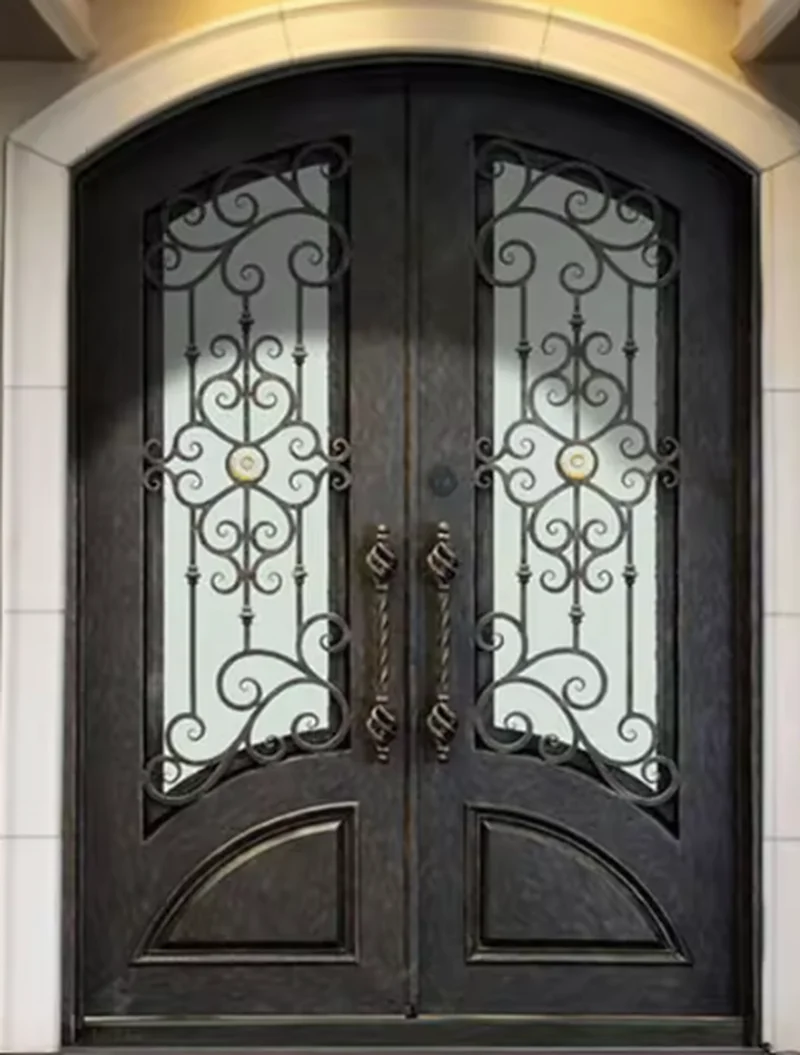
-
Thermal Break and Insulation Value
For enhanced energy efficiency and condensation control, consider doors with a thermal break—a non-conductive barrier within the frame that reduces heat transfer. Insulated steel cores with low-conductivity fillers improve thermal performance and contribute to long-term durability by minimizing internal temperature differentials that can lead to moisture accumulation. -
Design for Drainage and Ventilation
Strategically placed weep holes or drainage channels in the frame allow trapped moisture to escape, preventing corrosion at critical junctions. Optional louvered or vented panels can promote airflow while maintaining security and weather protection, particularly in transitional garden spaces.
Selecting steel garden doors with these engineered features ensures sustained performance, minimal maintenance, and longevity in demanding outdoor environments.
Comparing Coating Technologies: Powder Coating, Galvanization, and Rust Inhibitors
-
Powder Coating
A thermosetting polymer coating applied electrostatically and cured under heat, powder coating forms a tough, uniform, and highly durable barrier. It provides excellent resistance to chipping, scratching, UV degradation, and chemical exposure—critical for exterior steel garden doors exposed to fluctuating weather. The process allows for a wide range of colors and textures, enabling aesthetic customization without sacrificing performance. While highly effective, powder coating’s integrity depends on proper surface preparation and application thickness. Any damage to the coating can expose the underlying steel, necessitating prompt repair to prevent localized corrosion. It performs best when applied over pre-treated substrates, such as zinc-rich primers. -
Galvanization
Hot-dip galvanization involves immersing steel in molten zinc, forming a metallurgically bonded coating that provides cathodic (sacrificial) protection. This means the zinc actively corrodes before the steel, significantly extending service life even in high-moisture environments. Galvanized coatings are exceptionally robust, offering long-term durability with minimal maintenance. However, the process may result in a textured, spangled finish that limits aesthetic options. Subsequent powder coating over galvanization—known as duplex coating—combines barrier and cathodic protection, yielding superior corrosion resistance and extended lifespan, often exceeding 50 years in moderate climates. -
Rust Inhibitors
Chemical-based rust inhibitors, including vapor corrosion inhibitors (VCI) and liquid-applied compounds, work by forming molecular layers that block moisture and oxygen at the metal surface. These are typically used during storage or transport, or in enclosed components, rather than as standalone long-term solutions for exposed architectural elements. While cost-effective and easy to apply, inhibitors offer limited mechanical durability and are not suitable for primary protection in high-exposure outdoor applications.
| Technology | Protection Mechanism | Lifespan (Outdoor) | Aesthetic Flexibility | Maintenance Needs |
|---|---|---|---|---|
| Powder Coating | Barrier protection | 15–25 years | High | Low |
| Galvanization | Cathodic + barrier | 30–50+ years | Low | Very low |
| Duplex System | Combined cathodic & barrier | 50+ years | High | Minimal |
| Rust Inhibitors | Molecular inhibition | 1–5 years | None | Frequent reapplication |
For steel garden doors, a duplex system—galvanization under powder coating—represents the optimal balance of longevity, durability, and design versatility.
Maintenance Tips to Maximize the Lifespan of Your Anti-Rust Steel Garden Door
-
Inspect the door and frame biannually for early signs of coating degradation, particularly at edges, seams, and areas exposed to direct weather. Address micro-chipping or discoloration promptly to prevent moisture ingress and localized corrosion.
-
Clean the surface every three to four months using a soft cloth or sponge with a neutral pH detergent and lukewarm water. Avoid abrasive cleaners, chlorinated solvents, or high-pressure washers, as these can damage the anti-rust coating and compromise substrate integrity.
-
Ensure drainage channels at the base of the door are free of debris, sediment, and organic matter. Clogged drains promote water pooling, increasing hydrostatic pressure and accelerating corrosion at vulnerable junctions.
-
Lubricate hinges, latches, and locking mechanisms semi-annually with a silicone-based or lithium-free lubricant. Avoid petroleum-based products, which can attract dust and degrade surrounding seals over time.
-
Verify the integrity and adhesion of weatherstripping annually. Replace any cracked, brittle, or dislodged seals to maintain a moisture-resistant barrier and reduce exposure to corrosive environmental elements.
-
Monitor surrounding vegetation and maintain a clearance of at least 30 cm between plants and the door. Overgrowth retains humidity, promotes fungal development, and may introduce acidic runoff from decomposing organic material.
-
Address mechanical damage—such as dents or deep scratches—immediately. Sand affected areas lightly, remove oxidation, and apply a manufacturer-approved touch-up coating to restore the protective layer.
-
Avoid prolonged exposure to chloride-rich environments (e.g., coastal areas or de-iced walkways). If unavoidable, increase inspection frequency and consider supplemental protective films compatible with the base coating system.
-
Confirm that adjacent masonry or metal structures do not create galvanic coupling. Dissimilar metals in contact with the door frame can induce electrochemical corrosion, even with advanced anti-rust treatment.
-
Store the door properly during pre-installation periods. Keep units elevated on non-absorbent supports, covered with breathable protective sheeting, and shielded from ground moisture and UV overexposure.
Consistent, proactive maintenance not only preserves the structural and aesthetic performance of anti-rust steel garden doors but also ensures optimal return on investment by extending service life beyond industry averages. Adherence to these protocols mitigates premature deterioration and supports long-term resilience in diverse outdoor environments.
Frequently Asked Questions
What makes steel garden doors with anti-rust treatment ideal for outdoor use?
Steel garden doors with anti-rust treatment offer superior durability and structural integrity in outdoor environments. The anti-rust treatment—typically involving galvanization, powder coating, or zinc-rich primers—creates a protective barrier against moisture, salt, and UV exposure, which are primary causes of corrosion. This ensures extended service life, minimal maintenance, and resistance to warping or swelling compared to wood or untreated metal alternatives.
How does anti-rust treatment on steel doors prevent long-term corrosion?
Anti-rust treatments for steel garden doors usually include a multi-layered approach: first, a galvanized steel substrate provides a zinc barrier that sacrificially corrodes before the base metal. This is often followed by a phosphate conversion coating to enhance adhesion, then finished with a durable powder-coated top layer resistant to chipping, fading, and moisture ingress. This system inhibits oxidation even in high-humidity or coastal environments.
Are powder-coated steel garden doors better than painted ones for outdoor durability?
Yes, powder-coated steel doors outperform traditionally painted ones in outdoor applications. Powder coating involves electrostatically applying dry polymer resin, which is then cured under heat to form a uniform, resilient finish. It offers superior adhesion, thickness control, and resistance to chalking, peeling, and UV degradation. Unlike liquid paint, it emits fewer VOCs and provides a more consistent protective layer critical for preventing rust initiation.
What maintenance is required for anti-rust treated steel garden doors?
Anti-rust treated steel garden doors require minimal maintenance. Routine cleaning with mild soap and water every 3–6 months removes debris and pollutants that could compromise protective layers. Periodic inspection of hinges, seals, and coating integrity—especially at edges and weld points—is recommended. Re-coating is rarely needed if factory-applied finishes remain intact, but touch-up kits can address minor surface scratches.
Can steel garden doors with anti-rust treatment withstand coastal or seaside environments?
Yes, when properly treated, steel garden doors can withstand coastal exposure. For such environments, look for doors with marine-grade galvanization (e.g., hot-dip galvanized per ASTM A123) and a high-performance powder coating (such as polyester or polyurethane-based) with proven salt spray resistance (tested to ASTM B117 for 1,000+ hours). These specifications prevent chloride-induced pitting and crevice corrosion common near saltwater.
What type of hardware should be paired with anti-rust steel garden doors?
Stainless steel or marine-grade aluminum hardware is essential for maintaining corrosion resistance. Components such as hinges, handles, latches, and lock mechanisms should be rated at least AISI 316 stainless steel, known for excellent chloride resistance. Non-ferrous fasteners prevent galvanic corrosion when in contact with treated steel, ensuring long-term operability and structural reliability.
How do thermal breaks improve performance in steel garden doors?
Thermal breaks in steel garden doors are insulating barriers—typically polyamide strips—inserted within the frame profile to reduce conductive heat transfer. While not directly related to rust prevention, they enhance energy efficiency and comfort in varying climates. Premium thermal break designs also mitigate condensation buildup, which can accelerate corrosion if moisture penetrates seals or joints over time.
Are custom sizes and designs available for rust-resistant steel garden doors?
Yes, many manufacturers offer custom fabrication of steel garden doors with anti-rust treatments. Using CNC-cut galvanized or pre-coated steel panels, doors can be tailored to architectural specifications, including arched tops, multi-panel configurations, and decorative grilles. Custom finishes and color-matching via the RAL or Pantone system ensure aesthetic cohesion while maintaining technical integrity.
How long do anti-rust treatments on steel garden doors typically last?
High-quality anti-rust treatments on steel garden doors last 20–30 years under normal conditions, depending on climate severity and maintenance. Galvanized layers offer sacrificial protection for decades, while advanced powder coatings can retain integrity for over 25 years with UV and chalking resistance. Manufacturer warranties often cover coating longevity for 10–15 years, indicating confidence in product lifespan.
What certifications should I look for when selecting anti-rust steel garden doors?
Look for doors compliant with ASTM A123 (galvanization), A252 (structural steel pipe), and A653 (galvanized sheet steel). Powder coatings should meet American Architectural Manufacturers Association (AAMA) 2604 or 2605 standards for exterior performance. Independent third-party testing—such as salt spray (ASTM B117) and weathering (QUV/ASTM G154)—validates long-term rust resistance and finish durability.
Can steel garden doors with anti-rust treatment be integrated with smart home systems?
Yes, modern steel garden doors can be engineered to accommodate smart locking mechanisms, magnetic sensors, and automated open/close systems. Corrosion-resistant components—such as IP65-rated electronic actuators and stainless enclosures—are essential to maintain functionality and prevent electrical failure in wet environments. Integration with platforms like HomeKit, Alexa, or Zigbee ensures both security and convenience without compromising structural integrity.
What are the environmental benefits of using rust-protected steel garden doors?
Steel is 100% recyclable, and anti-rust treatments extend product lifespan, reducing replacement frequency and waste. Longevity decreases embodied energy over time compared to less durable materials. Powder coating emits near-zero VOCs during application, and modern galvanization processes adhere to strict environmental regulations, making high-performance steel doors a sustainable choice for eco-conscious construction.