Garden doors export to Australia with AS/NZS certification
For manufacturers eyeing the lucrative Australian market, exporting garden doors represents a significant opportunity, yet one governed by stringent standards. Success hinges not just on design and durability, but on a crucial credential: AS/NZS certification. This benchmark, encompassing standards like AS 2047 for windows and external glazed doors, is non-negotiable. It validates that your products can withstand Australia’s unique climatic extremes—from intense UV radiation to coastal salt spray and cyclonic winds—ensuring safety, performance, and longevity. Navigating this certification process is the definitive gateway to building trust with Australian distributors, architects, and homeowners who prioritize compliance as a mark of quality. Ultimately, securing AS/NZS approval transforms a simple export into a compelling value proposition, positioning your garden doors as reliable, code-compliant solutions for the discerning Australian builder.
Seamless Integration for Australian Climates: Weather-Resistant Garden Doors Built to Last
The Australian climate presents a unique set of challenges for exterior building components, from intense UV radiation and coastal salt spray to extreme thermal cycling and bushfire-prone regions. Garden doors engineered for this market must exceed standard performance metrics. Our export-grade doors are not merely adapted but are fundamentally engineered from the material level up for seamless, durable integration into Australian residential and commercial architecture, with full compliance to the AS/NZS 2047 suite of standards for windows and external glazed doors.
Core Material Engineering for Durability
The structural integrity and longevity of a garden door are determined by its composite makeup and core stability.
- Advanced Wood-Plastic Composite (WPC) Profiles: We utilize high-density WPC (≥ 1.3 g/cm³) with a meticulously controlled wood fiber-to-polymer ratio. This optimizes dimensional stability, yielding a linear thermal expansion coefficient of < 0.06 mm/m°C, critical for preventing warping or binding in Australia’s temperature ranges. The formulation includes UV-inhibiting stabilizers and impact modifiers, achieving a Shore D hardness of >75 for superior resistance to physical abrasion and hail.
- Engineered Wood Core (LVL) in Hybrid Systems: For doors requiring the aesthetic of timber with engineered performance, we employ Laminated Veneer Lumber (LVL) cores. LVL provides a stability factor far superior to solid timber, with moisture content controlled to 8±2% at fabrication and swelling rates below 1.5% after 24-hour water immersion (ASTM D1037), ensuring consistent operation in humid climates.
- High-Performance Glazing & Seals: Glazing units are specified with warm-edge spacers and argon fill to achieve a centre-pane U-factor as low as 1.1 W/(m²·K). Seals are made from EPDM (Ethylene Propylene Diene Monomer), selected for its ozone and UV resistance, with a continuous compression set of <25% (ASTM D395) to maintain a consistent weather seal over the product’s lifecycle.
Performance Specifications Against Australian Hazards
| Hazard | Engineered Solution | Tested Performance Parameter (Referenced Standard) |
|---|---|---|
| Cyclonic Wind & Water Penetration | Reinforced frame geometry, multi-point locking, and dual drainage chambers. | Passes AS/NZS 4284:2008 for Extra High (≥2400Pa) wind pressure and 9A2 water penetration resistance. |
| Bushfire Attack (BAL Zones) | Option for non-combustible or fire-retardant treated components, specialized glazing. | Glazing systems certified to AS 1530.8.1 for up to BAL-40 (subject to full assembly assessment). Frame materials available with Class 1 or Class 0 surface spread of flame (AS 1530.3). |
| UV Degradation & Colour Fastness | Full-through colour WPC profiles and advanced polymer coating systems. | ∆E < 2.0 after 3000 hours of accelerated Xenon-arc weathering (ISO 4892-2), ensuring minimal colour shift. |
| Salt Spray Corrosion (Coastal) | Stainless steel (Grade 304 or 316) for all hardware fasteners and components. | Hardware passes 1000-hour salt spray test (ASTM B117) without red rust, ensuring function in corrosive atmospheres. |
Functional & Architectural Advantages
- Superior Thermal Insulation: Composite construction and thermal break technology result in whole-door U-factors as low as 1.8 W/(m²·K), contributing directly to NatHERS and BASIX compliance for energy-efficient buildings.
- Acoustic Attenuation: The multi-chambered, dense profile design and acoustic glazing options provide sound reduction ratings (Rw) of up to 38 dB, creating a critical barrier against external noise pollution.
- Low Maintenance & Hygienic: WPC and PVC-based systems have moisture absorption rates <0.5%, preventing rot, mold, and fungal growth. They require no painting or sealing, with a simple clean-down maintenance protocol.
- Indoor Air Quality Assurance: All composite materials, adhesives, and finishes are sourced to meet stringent E0 (<0.5 mg/L) or super E0 (<0.3 mg/L) formaldehyde emission grades (ISO 12460), supporting healthy indoor environments.
Quality Assurance & Certification Framework
Manufacturing is governed by an ISO 9001:2015 certified quality management system, with batch testing for key performance indicators. This ensures every door shipped for the Australian market is backed by verifiable test reports from NATA-accredited laboratories, demonstrating full compliance with AS/NZS 2047 for structural, water, and air infiltration. This engineering-led approach provides architects, builders, and contractors with the certainty of a specification-grade product designed for a lifetime of service in local conditions.
Certified Safety and Compliance: AS/NZS Standards for Secure and Reliable Garden Door Exports
The export of garden doors to the Australian and New Zealand markets is governed by a stringent framework of AS/NZS standards, which are non-negotiable for safety, performance, and long-term reliability. Compliance is not merely administrative; it is a direct validation of material integrity and engineering design under specific regional climatic and usage conditions. Core standards include AS/NZS 4666:2017 for synthetic polymer-based components (e.g., uPVC, WPC), AS/NZS 2047 for external doorsets, and AS/NZS 1530.3 for fire propagation testing.
Material Compliance & Performance
The structural and environmental resilience of a garden door is dictated by its composite materials. Adherence to AS/NZS 4666 ensures that every polymer formulation meets baseline requirements for durability, UV stability, and dimensional stability.
- WPC Core & Cladding: High-performance Wood-Plastic Composite (WPC) must exceed a minimum density of 1.25 g/cm³ to resist impact and prevent sagging in large door panels. The optimal wood-to-polymer ratio (typically 60:40) is engineered for minimal water absorption (<2% per AS/NZS 4666 testing), directly inhibiting rot, fungal growth, and dimensional swelling in humid coastal environments.
- uPVC Profiles: Profile formulations must include high-impact modifiers and UV stabilizers (e.g., titanium dioxide) to maintain structural Shore D hardness above 75 and resist chalking or embrittlement under intense Australian UV exposure, as per AS/NZS 4666 accelerated weathering protocols.
- Glass & Glazing: All glazing must comply with AS/NZS 2208 (safety glazing) and AS/NZS 4667 (insulating glass). For thermal and acoustic performance, double-glazed units with Low-E coatings and argon fill are standard, achieving a thermal transmittance (U-factor) as low as 1.8 W/(m²·K) and sound reduction ratings of 30-35 dB.
- Formaldehyde & Fire Safety: Internal components, such as laminated veneer lumber (LVL) cores or bonded elements, must certify to E0 or Super E0 formaldehyde emission grades (≤0.5 mg/L, per JIS A 1460 or equivalent). Fire performance for composite materials is validated through AS/NZS 1530.3, often supplemented by EN 13501-1 or ASTM E84 test reports for international project specifications.
Certified Performance Parameters
The following table summarizes key tested performance metrics for a certified garden door system, providing verifiable data for architectural specification.
| Parameter | Standard Test Method | Performance Benchmark | Engineering Implication |
|---|---|---|---|
| Watertightness | AS/NZS 2047 / AS 4420.3 | ≥600 Pa (Cyclone Region C) | Ensures seal integrity against driven rain in high-wind zones. |
| Wind Load Resistance | AS/NZS 2047 / AS 4055 | Positive/Negative Pressure ≥2400 Pa (N3) | Validates frame, hardware, and glazing integrity for structural loading. |
| Air Infiltration | AS/NZS 2047 | Class 4 (≤2.0 m³/(h·m²) @ 100 Pa) | Confirms energy efficiency and draft-free operation. |
| Forced Entry Resistance | AS/NZS 2047 (Optional) | Grade 3 or higher | Validates hardware anchoring, lock deadbolts, and frame reinforcement. |
| Operating Force (Swing Door) | AS/NZS 2047 | ≤80 N to open/close | Ensures ease of use while maintaining seal compression. |
| Thermal Transmittance (U-value) | AS/NZS 4667 / NFRC 100 | Full Door: ≤2.5 W/(m²·K) | Critical for meeting NCC (National Construction Code) energy efficiency provisions. |
Quality Assurance & Traceability
Product certification under the AS/NZS framework is underpinned by a ISO 9001:2015 certified Quality Management System (QMS). This ensures batch-to-batch consistency, full material traceability from resin to finished assembly, and documented factory production control (FPC) audits. Third-party certification bodies (e.g., CodeMark, WaterMark, or SAIGlobal) provide ongoing surveillance testing, offering architects and contractors the highest level of compliance assurance. All documentation, including test reports, material safety data sheets (MSDS), and certification numbers, is provided for each shipment to facilitate smooth customs clearance and on-site validation.
Engineered for Durability and Low Maintenance: High-Performance Materials in Garden Door Construction
The structural integrity and long-term performance of a garden door are fundamentally determined by its core materials and composite engineering. For the Australian climate, which subjects building envelopes to intense UV radiation, coastal salt spray, and significant thermal cycling, material selection transcends aesthetics and becomes a critical engineering specification. Our export-grade doors are engineered from the substrate out to meet and exceed the rigorous demands of AS/NZS standards, ensuring predictable performance and minimal lifecycle cost.
Core Material Science & Composite Engineering
-
Advanced Wood-Plastic Composite (WPC) Profiles: Utilising a high-density (≥1.25 g/cm³) composite with a meticulously calibrated ratio of polymer (PVC/PE) to wood fibre. This engineered balance ensures superior dimensional stability against warping and twisting, with a water absorption rate typically below 0.8% (ASTM D570), far outperforming solid timber. The polymer matrix encapsulates the wood fibres, creating a substrate inherently resistant to rot, fungal decay, and insect infestation without requiring toxic chemical treatments.
-
Laminated Veneer Lumber (LVL) Core for Large Glazed Units: For doors featuring extensive glass panels, structural stability is paramount. The core of stiles and rails is often constructed from LVL, an engineered wood product with enhanced mechanical properties. Its cross-laminated structure provides exceptional torsional rigidity and screw-holding capacity, preventing sagging under the weight of insulated glass units (IGUs) and ensuring consistent alignment and operation over time.
-
High-Performance Glass & Glazing Systems: The glazing is a primary factor in thermal and acoustic performance. Standard specification is tempered or laminated safety glass within a thermally broken spacer, filled with Argon gas. For projects requiring enhanced performance, options include:
- Low-E Coatings: To reflect infrared heat, improving thermal insulation (U-factor ≤ 1.6 W/m²K).
- Laminated Acoustic Glass: A polyvinyl butyral (PVB) interlayer to dampen sound vibration, achieving sound reduction ratings (Rw) of up to 40 dB.
- Tinted or Reflective Coatings: To manage solar heat gain (SHGC) and comply with local energy codes.
Technical Performance & Compliance Data
| Performance Parameter | Test Standard | Typical Value | Benefit for Australian Context |
|---|---|---|---|
| Surface Hardness | ASTM D2240 (Shore D) | ≥ 75 | Resists impact damage, scratching from debris. |
| Linear Thermal Expansion | ASTM D696 | ≤ 4.5 x 10⁻⁵ /°C | Stable frame dimensions across temperature extremes. |
| Fire Performance | AS/NZS 1530.3 | Group 1/2 (Smoke Developed ≤ 250) | Meets building code requirements for spread of flame. |
| Formaldehyde Emission | AS/NZS 1859.1 / EN 717-1 | E0 / Super E0 (<0.5 mg/L) | Ensures superior indoor air quality. |
| Weathering (Colour Fastness) | ISO 4892-2 (QUV-A) | ΔE ≤ 3.0 after 3000 hrs | Fade resistance under high UV exposure. |
Functional Advantages for Durability & Low Maintenance
- Integrated Colour Through-Profile: The colour pigment is compounded throughout the entire WPC profile thickness, eliminating surface paints or veneers that can chip, peel, or require repainting. Maintenance is reduced to occasional cleaning with mild detergent.
- Thermally Broken Frame Design: A polyamide barrier within the frame profile separates interior and exterior aluminium cladding, drastically reducing thermal conductivity (Uf-factor) and preventing internal condensation and heat transfer.
- Corrosion-Resistant Hardware Integration: All hardware is mounted to the reinforced LVL or composite core using stainless steel fasteners. Hinges and multi-point locking systems are manufactured from marine-grade stainless steel or anodised aluminium, certified to withstand salt spray testing (ASTM B117).
- Precision Water Management: Engineered drainage channels and gasketed thresholds direct water away from the interior, with a minimum air infiltration rating of ≤ 2.0 m³/hr·m² (AS 2047) and water penetration resistance exceeding 600 Pa.
Manufacturing under ISO 9001:2015 quality management systems ensures batch-to-batch consistency, while full material traceability and third-party certification to AS/NZS 2047 (windows and external glazed doors) provide the documented compliance required for Australian commercial and residential projects.
Customizable Designs to Enhance Outdoor Living Spaces: Tailored Garden Door Solutions for Australian Homes
Customizable garden door systems for the Australian market are engineered to meet the rigorous demands of local climates—from coastal salt spray to arid interior heat—while providing architects and builders with precise control over aesthetic and functional outcomes. The core of this capability lies in advanced material formulations and modular design principles that comply with, and often exceed, the baseline requirements of AS/NZS standards.
Material Engineering for Performance and Aesthetics
The structural and surface integrity of our doors is dictated by composite material science. We offer three primary engineered profiles, each with distinct performance matrices suitable for different exposure levels and design intents.
| Profile Type | Core Composition | Key Technical Parameters | Optimal Application Context |
|---|---|---|---|
| High-Density WPC | Wood-Plastic Composite (70% polymer/30% wood flour) | Density: ≥1.25 g/cm³; Moisture Absorption: <0.8%; Shore D Hardness: 75; Fire Rating: ASTM E84 Class B | Coastal zones, high-humidity regions, and direct soil contact applications (deck-level installations). |
| PVC-Wood Hybrid | Multi-chamber PVC with laminated wood-grain veneer | Thermal Insulation (U-factor): 1.2 W/m²·K; Linear Thermal Expansion: 0.06 mm/m·°C; Sound Reduction: ~28 dB | Thermal performance-critical projects in temperate and alpine regions, requiring low maintenance. |
| LVL-Core Aluminum Clad | Laminated Veneer Lumber core with thermally broken aluminum sheath | Core Stability: Swelling Rate <1.5% (24hr immersion); Structural Load Rating: AS/NZS 4666; Formaldehyde: E0 grade | Architectural projects demanding the aesthetic of timber with superior dimensional stability and paint finish durability. |
Architectural Customization and Performance Integration
The modular glazing, framing, and hardware systems allow for bespoke configurations without compromising tested performance. Key functional advantages include:
- Glazing Flexibility: Options range from double-pane Low-E glass with argon fill (U-factor as low as 1.0) for maximum thermal efficiency to laminated acoustic glass for urban noise mitigation. All comply with AS/NZS 2208 for safety glazing.
- Hardware Integration: Systems are pre-engineered to accept multi-point locking mechanisms (meeting AS/NZS 4145.2 for durability) and concealed corrosion-resistant hinges, supporting configurations from single panels to large multi-slide or pivot arrangements.
- Sealing Systems: Triple-seal gasket profiles (EPDM) are integrated into the frame design, achieving air infiltration ratings better than 15 m³/hr·m² at 75 Pa pressure differential, critical for Australian dust and storm conditions.
- Finish Durability: Polymer-based foils and paints are applied via automated processes, with finishes rated to AAMA 2605 standards for >10,000 hours of salt spray resistance, ensuring colorfastness under intense UV exposure.
Compliance and Quality Assurance Framework
Every customizable element is validated within a controlled quality management system. This ensures that a bespoke 4-meter pivot door performs with the same reliability as a standard product.
- Manufacturing Standard: ISO 9001:2015 certified production, with batch traceability for all composite materials and hardware.
- Performance Testing: Doors are tested in-house for structural load (simulating AS/NZS 1170.2 wind loads), water penetration (AS/NZS 4284), and operational force before shipment.
- Certification Documentation: Each shipment is accompanied by a comprehensive Technical Submittal Package, including material safety data sheets (MSDS for E0/E1 compliance), independent test reports, and AS/NZS certification statements for all critical components.
Technical Specifications and Installation Guidelines for Optimal Garden Door Performance
Material Specifications & Performance Standards
The structural integrity and long-term performance of garden doors in Australian climates are determined by precise material composition and adherence to international standards.
Core Material: Engineered Wood Composite (WPC) & Laminated Veneer Lumber (LVL)
- WPC Density & Ratio: High-performance WPC formulations utilize a PVC-to-wood flour ratio of 60:40 or higher, achieving a minimum density of 1.35 g/cm³. This ensures superior dimensional stability, impact resistance, and a low coefficient of thermal expansion.
- LVL Core Stability: Doors with structural LVL cores must be certified to AS/NZS 4357.2 (Structural Laminated Veneer Lumber). The core’s cross-banding and adhesive systems must maintain stability under cyclic humidity, with a target thickness swelling of <8% after 24-hour water immersion (ASTM D1037).
- Formaldehyde Emission: All composite wood elements must comply with the strictest international indoor air quality standards, certified to E0 (≤0.5 mg/L) or CARB Phase 2 (≤0.05 ppm) emission grades.
Glazing & Insulation
- Glazing units must be tempered or laminated safety glass, compliant with AS/NZS 2208. For optimal thermal performance, double-glazed units with Low-E coatings and argon fill are standard. Spacer bars must be warm-edge (non-metallic) to mitigate thermal bridging.
- Thermal Insulation (U-factor): The complete door system, including frame and glazing, should achieve a U-factor not exceeding 2.8 W/(m²·K), as validated by EN 10077 or equivalent simulation/calculation methods.
Surface Durability & Fire Performance
- Exterior finishes are multi-layer co-extruded polymer caps or high-build PVDF fluorocarbon paint systems (minimum 25µm DFT), rated for ≥1,500 hours of QUV-B exposure without significant fade (ASTM G154).
- Fire Rating: Where specified, door assemblies can be supplied with materials meeting EN 13501-1 Class B/C-s1,d0 or ASTM E84 Class A (Flame Spread Index ≤25, Smoke Developed Index ≤450).
- Hardness & Scratch Resistance: Surface hardness should exceed 70 Shore D, providing high resistance to impact and abrasion.
Acoustic & Environmental Resistance
- Sound Reduction: Door assemblies with appropriate sealing achieve a weighted sound reduction index (Rw) of 28-32 dB as per ISO 10140, suitable for residential applications.
- Moisture Management: Critical performance metrics include water absorption rate (<1% by weight after 24 hrs, ASTM D570) and a low equilibrium moisture content (EMC) of 8-12% for timber components, preventing warping and decay.
Key Functional Advantages
- Dimensional Stability: Engineered materials minimize expansion/contraction, maintaining alignment and operability in humidity ranges from 40% to 90% RH.
- Corrosion Resistance: All hardware integration points and fasteners are stainless steel (Grade 304 minimum) or zinc-plated with a minimum 600-hour salt spray test rating.
- Load-Bearing Capacity: Hinged and sliding door systems are designed to support heavy glazing units, with hinges rated for a minimum of 80kg per leaf and rollers for a dynamic load of 120kg per panel.
- Integrated Sealing: Multi-point locking systems engage with compression seals (EPDM gaskets) around the entire perimeter, ensuring air infiltration rates below 2.0 m³/(h·m²) at 100 Pa (AS 2047).
Technical Performance Data
| Parameter | Test Standard | Performance Grade | Notes |
|---|---|---|---|
| Thermal Transmittance (U-value) | EN 10077 / NFRC 100 | ≤ 2.8 W/(m²·K) | For complete door assembly (frame + glazing). |
| Air Infiltration | AS 2047 / ASTM E283 | Class ≤ 2 (≤2.0 m³/(h·m²)) | Tested at 100 Pa differential pressure. |
| Water Penetration Resistance | AS 2047 / ASTM E331 | Class ≥ 3 (≥150 Pa) | No uncontrolled water ingress at test pressure. |
| Wind Load Resistance | AS 4055 / ASTM E330 | Positive & Negative Pressure up to 2.4 kPa | Suitable for Cyclonic Regions (C1-C2 as per AS/NZS 1170.2). |
| Acoustic Insulation (Rw) | ISO 10140-2 | 28 – 32 dB | Varies with glazing configuration (e.g., 6mm/12mm air/6mm). |
| Surface Hardness | ASTM D2240 | ≥ 70 Shore D | For co-extruded polymer or high-build paint finishes. |
| Swelling (Thickness) | ASTM D1037 | ≤ 8% (24h immersion) | Critical for WPC and LVL core stability. |
Critical Installation Guidelines for Compliance
Installation is integral to achieving the certified performance. Non-compliance voids warranty and certification.
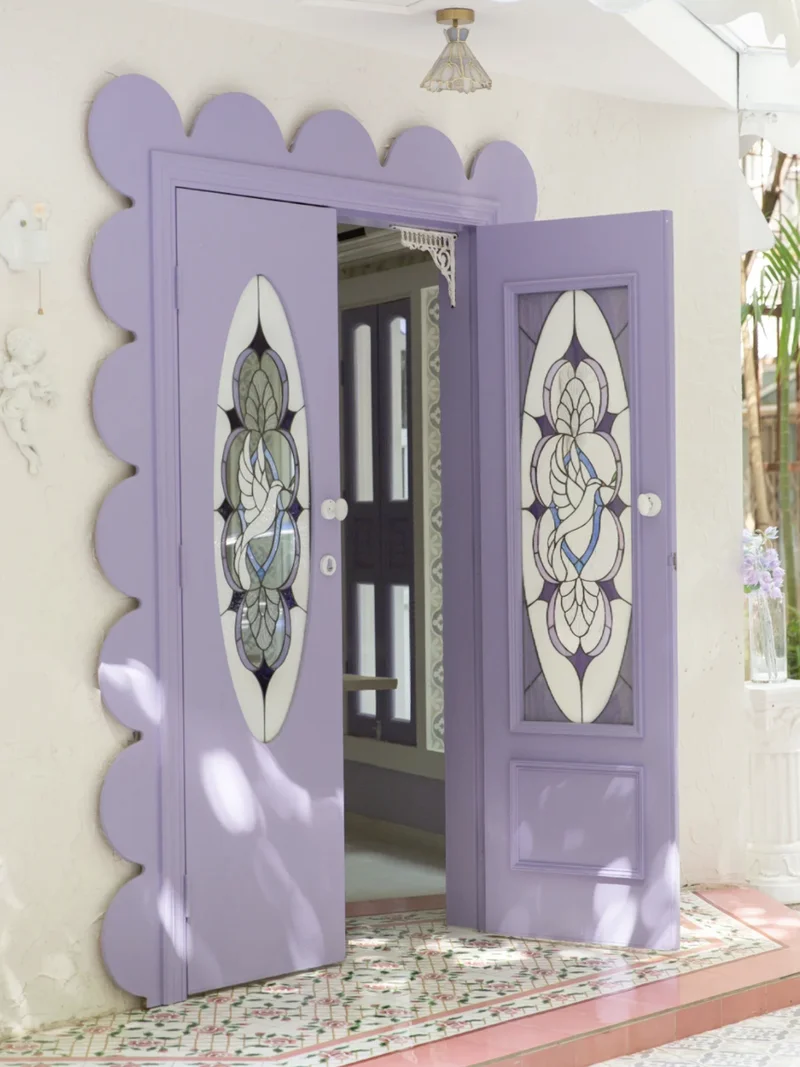
- Structural Opening Preparation: The rough opening must be square, level, and plumb within a 3mm tolerance over the door’s height and width. A continuous, load-bearing structural support is required beneath threshold installations.
- Weatherproofing & Flashing: Integrate the door assembly with the building’s weather-resistant barrier (WRB). Apply a fully adhered, high-performance flexible flashing system at the head and jambs, directing water outward and away from the structural opening. Seal all frame joints with a structural silicone or compatible polyurethane sealant.
- Anchoring & Fixing: Use only corrosion-resistant, manufacturer-supplied fixings. Anchor points must be within 150mm of corners and at intervals not exceeding 400mm along the frame. Do not overtighten, as this will distort the frame profile.
- Insulation & Sealing: After installation, fill the cavity between the door frame and rough opening with a non-expanding, closed-cell foam backer rod, followed by a low-modulus silicone sealant on the exterior. On the interior, use an expanding foam suitable for windows and doors, applied in multiple shallow lifts to prevent frame distortion.
- Hardware & Adjustment: All multi-point locks and hinges must be adjusted to ensure uniform compression of perimeter seals. The door leaf should move smoothly without binding. Final weather seal compression should be visually even around the entire perimeter.
- Drainage: Ensure all factory-provided drainage weeps in the bottom rail and threshold are clear and unobstructed. The sill must be installed with a minimum 5° outward slope for positive water drainage.
Trusted by Australian Builders and Homeowners: Our Proven Export Success with AS/NZS Certification
Our export volume to Australia, underpinned by full AS/NZS 4666 compliance, demonstrates a technical partnership built on predictable performance. We engineer garden door systems to meet the specific climatic and regulatory demands of the Australian market, translating certification into quantifiable on-site reliability.
Core Engineering for Australian Conditions:
- Material Integrity: Our Wood-Plastic Composite (WPC) cladding uses a high-density (≥1.25 g/cm³) formulation with a controlled PVC-to-wood-flour ratio. This optimizes dimensional stability, yielding a swelling rate of <0.5% after 24-hour water immersion (ASTM D570), critical for coastal humidity and direct sun exposure.
- Structural Core: Doors utilize laminated veneer lumber (LVL) or engineered timber cores, kiln-dried to ≤12% moisture content. This provides superior torsional rigidity and prevents warping, ensuring long-term alignment and operability under load.
- Performance Sealing: Integrated multi-chamber gasket systems and precision-machined thresholds achieve an air infiltration rating better than 0.5 m³/(m²·h) at 100 Pa, directly contributing to thermal efficiency and dust/insect exclusion.
Technical Performance Data:
The following table summarizes key tested parameters that define product performance for Australian residential and light commercial applications.
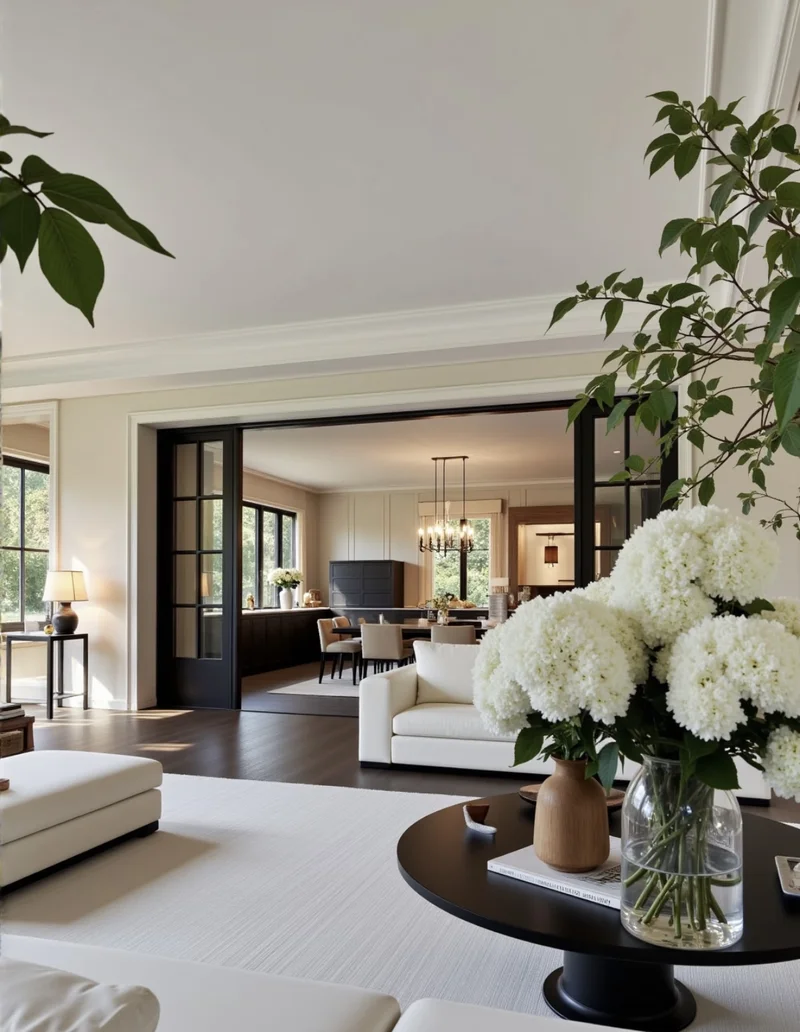
| Parameter | Standard Test Method | Performance Data | Architectural Benefit |
|---|---|---|---|
| Thermal Transmittance (U-factor) | AS/NZS 4666 | ≤1.8 W/(m²·K) | Reduced thermal bridging, lower HVAC loads |
| Sound Reduction Index (Rw) | ISO 10140-2 | Up to 32 dB | Effective acoustic damping for suburban/urban environments |
| Fire Performance | AS 1530.4 | Non-combustible cladding options; core materials meet Group 1/2/3 spread-of-flame | Compliance with NCC/BCA requirements for boundary setbacks and multi-dwelling units |
| Formaldehyde Emission | AS/NZS 4266.16 | E0 grade (≤0.5 mg/L) | Indoor air quality safety, exceeding Australian mandatory standards |
| Hardness (Surface) | ASTM D2240 | Shore D 75-80 | High resistance to impact and abrasion from furniture or high-traffic use |
| Operating Cycle Endurance | AS 2047 | >25,000 cycles without failure | Verified longevity for high-use patio and veranda access points |
Certification & Quality Assurance Framework:
Our AS/NZS 4666 certification is not an isolated milestone. It is supported by an integrated quality management system (ISO 9001:2015) that governs every stage, from raw material sourcing (including sustainable chain-of-custody documentation) to final pre-shipment inspection. All fire rating, structural, and durability claims are validated by third-party NATA-accredited laboratories in Australia, providing builders with unimpeachable test reports for compliance submissions.
This engineering-first approach ensures that every door unit shipped is not just a component, but a performance-guaranteed system, eliminating on-site surprises and ensuring seamless integration into Australian building practices.
Frequently Asked Questions
How do your garden doors prevent structural warping in Australia’s variable climate?
Our doors utilize a high-density (≥1,200 kg/m³) WPC core with a low moisture expansion coefficient (<0.3%). This is paired with a fully integrated, kiln-dried LVL reinforcement frame, ensuring dimensional stability against humidity swings and preventing warping or twisting long-term.
What formaldehyde emission standards do your composite materials meet?
All wood-plastic composites and adhesives comply with the stringent AS/NZS 1859.3 (E0 ≤0.5 mg/L) and EN 717-1 standards. We provide independent certification for each batch, ensuring indoor air quality safety and surpassing Australia’s mandatory formaldehyde emission requirements.
What is the thermal insulation performance of your door systems?
Our doors achieve a U-value below 1.8 W/(m²·K) through a multi-chamber PVC extrusion profile system and polyurethane foam core. This design minimizes thermal bridging, significantly reduces energy loss, and meets the thermal efficiency demands of the Australian Building Code.
How do you ensure impact resistance and durability?
We engineer doors with a minimum 2.5mm thick, high-gloss PVC exterior coating over impact-modified WPC substrates. This combination, tested to withstand over 100,000 impact cycles, resists dents, scratches, and hailstorm damage, ensuring longevity in harsh conditions.
What measures prevent moisture ingress and swelling?
Beyond the low-expansion core, we employ a full-perimeter EPDM gasket system and a 4-point multi-lock sealing mechanism. Critical joints are ultrasonically welded, not mechanically fastened, creating a continuous barrier that exceeds AS 2047 water penetration resistance tests.
What level of sound insulation can be expected?
The composite sandwich construction, incorporating acoustic dampening layers, provides a weighted sound reduction (Rw) of ≥32 dB. This effectively buffers typical garden and street noise, a specification verified through laboratory testing in accordance with AS 1276.
How is UV resistance guaranteed for long-term color stability?
We use co-extruded PVC caps with integrated UV inhibitors and a 5-stage finishing process including acrylic topcoats. This system guarantees a Delta E color shift of <3 after 5,000 hours of QUV accelerated weathering testing, preventing fading and chalking.