Garden doors for senior living community gardens
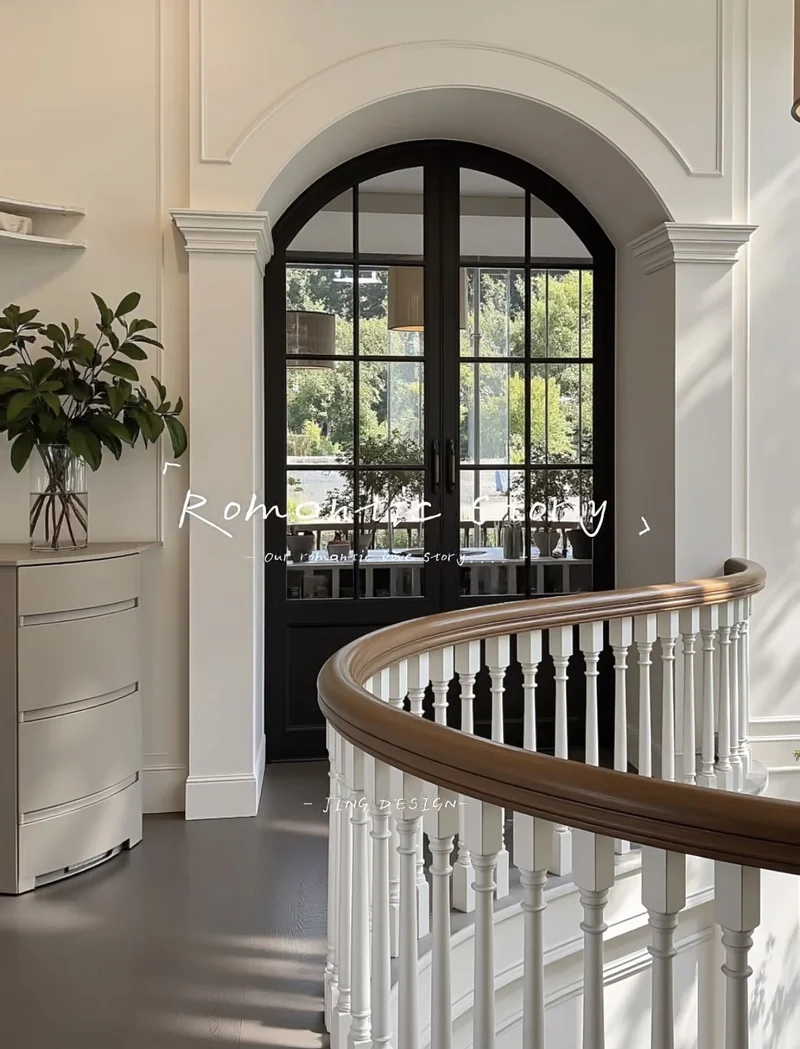
Imagine a garden where the boundary between indoor comfort and outdoor serenity is not a barrier, but an invitation. For senior living communities, the garden door is far more than an architectural feature; it is a vital conduit for well-being. It frames a living landscape that beckons residents to engage, offering gentle access to fresh air, sensory stimulation, and the profound therapeutic benefits of nature. The right door design prioritizes safety with easy operation, enhances accessibility with wide, low-threshold openings, and floods communal spaces with natural light. Ultimately, selecting the ideal garden door is about thoughtfully creating seamless transitions that empower residents, foster connection, and cultivate a profound sense of peace and belonging within their vibrant community haven.
Enhancing Senior Well-being: How Our Garden doors Create Accessible Outdoor Spaces
Access to secure, manageable outdoor space is a critical component in senior living design, directly impacting cognitive function, circadian rhythm regulation, and overall quality of life. Our engineered garden door systems are designed not as mere apertures, but as high-performance environmental interfaces that mitigate physical and sensory barriers.
Core Material Integrity & Stability
The structural performance hinges on advanced composite engineering. Doors utilize a high-density Wood Plastic Composite (WPC) cladding with a mineral-reinforced PVC matrix, achieving a density >1.25 g/cm³ for superior impact resistance and dimensional stability. This is bonded to a laminated veneer lumber (LVL) core, with cross-banded veneers providing a thermal expansion coefficient of less than 0.0005 in/in/°F, eliminating warping and bind. The material composition ensures consistent performance regardless of ambient humidity fluctuations.
Critical Performance Parameters for Senior Environments
| Parameter | Specification | Benefit for Senior Living |
|---|---|---|
| Threshold Height | ≤ 1/2″ (13mm) max. | Enables safe, low-effort transition for walkers and wheelchairs; meets ADA/ANSI A117.1. |
| Operational Force | ≤ 5 lbs. (22 N) to initiate swing | Reduces physical strain for residents with limited upper-body strength. |
| Sound Reduction (Rw) | 32 dB minimum | Attenuates communal garden noise, creating a calmer interior environment. |
| Thermal Transmittance (U-factor) | ≤ 0.35 Btu/(ft²·°F·hr) | Maintains interior thermal comfort, reduces energy load on HVAC systems. |
| Fire Performance | Class B (ASTM E84) / EN 13501-1 Class C | Provides critical compartmentalization time in corridor-to-garden applications. |
| Formaldehyde Emission | E0 (CARB Phase 2 / EN 717-1) | Ensures superior indoor air quality, critical for respiratory health. |
Functional Advantages for Accessibility & Safety
- Full-Length, Low-Profile Levering: Continuous gear mechanisms allow operation with a closed fist or forearm pressure, accommodating arthritis or limited dexterity.
- Integrated Sill Systems: Fully-drained, thermally broken aluminum sills with non-slip wear inserts (Shore D 65) prevent trip hazards and resist corrosion from frequent cleaning.
- Glazing Performance: Standard 1″ insulated glass units with low-E coating (U-factor ≤ 0.30) and argon fill. Laminated inner panes with PVB interlayer provide inherent safety and 99% UV blockage to protect interior furnishings and resident skin.
- Moisture Management: WPC cladding exhibits a 24-hour water absorption rate of <0.5% by volume. Coupled with a fully gasketed and drained frame system, this prevents swelling, rot, and microbial growth.
Architectural Integration & Compliance
Doors are manufactured under a certified ISO 9001:2015 quality management system, ensuring batch-to-batch consistency. Framing profiles are engineered for structural load transfer, allowing for wider, clearer openings that maximize daylight and views. Hardware is specified for a minimum 250,000-cycle durability under tested load conditions. The integrated systems approach guarantees that accessibility features, energy performance, and material longevity are inherent to the product, not ancillary additions.
Engineered for Safety and Ease of Use: Features Designed for Senior Living Communities
The primary design criteria for garden doors in senior living environments are uncompromising safety, intuitive operation, and long-term durability under frequent use. These requirements are met through rigorous material selection, precision engineering, and adherence to international performance standards.
Core Material Integrity & Stability
The structural performance begins with the door leaf composition. High-density Wood Plastic Composite (WPC) cladding, with a minimum density of 1.2 g/cm³, provides superior impact resistance and dimensional stability compared to solid timber or low-density alternatives. The optimal PVC-to-wood-flour ratio ensures a low moisture absorption rate of <0.5%, virtually eliminating warping, swelling, and rot. The core utilizes Laminated Veneer Lumber (LVL), engineered for a stability coefficient exceeding 1.0, which prevents bowing and twisting under thermal and humidity fluctuations, ensuring consistent operation and seal integrity.
Safety-Centric Hardware & Operation
Hardware systems are specified to reduce physical strain and prevent accidents.
- Low-Operation Threshold Force: Hinges and multi-point locking systems are engineered for a smooth swing with an opening force not exceeding 25 N, accommodating reduced strength and mobility.
- Lever-Style Handles: Ergonomically shaped levers with a non-slip finish require minimal grip strength and dexterity, complying with ADA/universal design principles.
- Anti-Trap & Safety Glazing: Full-perimeter soft-close seals and hardware profiles prevent finger pinching. Glazing is mandatory tempered safety glass (EN 12150 / ANSI Z97.1) or laminated glass, with clearly marked manifestation for visibility.
- Low-Threshold Profiles: Integrated sill systems are designed for a maximum height of 12mm, facilitating smooth wheelchair and walker transition while maintaining a weatherproof and thermally broken barrier.
Performance Specifications for Health & Comfort
Doors must contribute to a controlled, tranquil, and healthy indoor environment.
| Performance Parameter | Specification | Standard / Test Method | Rationale for Senior Living |
|---|---|---|---|
| Thermal Insulation (U-value) | ≤ 1.2 W/m²K | EN 10077 / ASTM C1363 | Reduces drafts and maintains stable interior temperature, critical for thermal comfort. |
| Acoustic Insulation (Rw) | ≥ 35 dB | EN ISO 10140 | Mitigates external noise from gardens or common areas to promote restful conditions. |
| Fire Reaction Class | B-s1, d0 (or Class A per ASTM E84) | EN 13501-1 / ASTM E84 | Limits smoke development and flame spread, supporting compartmentation strategies. |
| Formaldehyde Emission | E0 or ≤ 0.05 ppm | EN 717-1 / JIS A 1460 | Ensures superior indoor air quality, a priority for respiratory health. |
| Surface Hardness | ≥ 75 Shore D | ISO 868 | Resists scratches, dents, and damage from assistive devices like wheelchairs or walkers. |
Quality Assurance & Compliance
Manufacturing under ISO 9001 certified quality management systems ensures consistency. All relevant components and assemblies are tested to meet or exceed EN 14351-1 for windows and doors, providing verified performance data for architects’ specifications.
Built to Withstand the Elements: Waterproof and Durable Construction for Longevity
The long-term performance of garden doors in senior living environments is dictated by their resistance to moisture, dimensional stability, and structural integrity. Our engineered door systems are designed to exceed standard residential requirements, utilizing composite material science to eliminate the failure modes common to solid wood and hollow-core constructions.
Core Material Specifications:
The structural stability is provided by a laminated veneer lumber (LVL) core, selected for its uniform density and superior resistance to warping compared to solid timber or particleboard. This core is encapsulated within a high-performance Wood-Plastic Composite (WPC) cladding. The formulation is critical:
- High-Density WPC Profile: A minimum density of 1.3 g/cm³ ensures structural rigidity and impact resistance.
- Optimized Polymer-Wood Flour Ratio: A precise PVC-to-wood flour ratio maximizes weatherability while maintaining a natural wood aesthetic. This composition results in a near-zero moisture absorption rate (<0.5%), preventing swelling, rot, and fungal decay.
- Full-Perimeter Thermal Break: A polyamide thermal break within the frame profile separates interior and exterior aluminum surfaces, reducing thermal conductivity and preventing condensation.
Performance Data & Certifications:
| Parameter | Performance Standard / Value | Relevance to Senior Living Application |
|---|---|---|
| Water Tightness | ASTM E331 / EN 1027: Class 9A (150 Pa, 30 min) | Guarantees integrity against wind-driven rain, protecting interior finishes and ensuring safe, dry thresholds. |
| Air Infiltration | ASTM E283 / EN 1026: Class 4 (<0.5 cfm/ft²) | Minimizes drafts, contributing to stable interior temperatures and reduced HVAC load for resident comfort. |
| Thermal Insulation (U-factor) | Certified U-factor as low as 0.28 Btu/(ft²·h·°F) | Enhances energy efficiency and prevents cold spots near doors, a critical comfort factor for seniors. |
| Sound Reduction | STC Rating up to 38 dB | Attenuates exterior noise from garden maintenance or weather, promoting a tranquil interior environment. |
| Fire Performance | EN 13501-1: Class B-s2,d0 / ASTM E84: Class A | Meets stringent smoke development and flame spread ratings for communal residential buildings. |
| Formaldehyde Emissions | E0 Grade (≤0.5 mg/L, JIS F**** equivalent) | Ensures superior indoor air quality, a paramount concern for resident health and regulatory compliance. |
| Surface Hardness | Shore D Scale: >75 | Resists scratching and denting from wheelchairs, walkers, and garden equipment contact. |
Functional Advantages for Longevity:
- Integrated Drainage System: Frame profiles feature machined drainage channels and concealed weeps that efficiently channel incidental water away from the interior, preventing pooling and ice dam formation in colder climates.
- Corrosion-Resistant Hardware: All hinges, multi-point locks, and thresholds are manufactured from 300-series stainless steel or anodized aluminum with a minimum 15-micron coating thickness, ensuring smooth operation and resistance to salt-air or humid environments.
- UV-Stabilized Color Retention: WPC cladding is co-extruded with UV-inhibited capstocks, maintaining color consistency (Delta E <3 after 3000 hours of accelerated weathering testing) without the need for periodic staining or painting.
- Quality Assurance: Manufacturing processes are certified to ISO 9001:2015, with material traceability and batch testing for consistent mechanical performance and dimensional tolerance.
This engineered approach results in a door system that provides a reliable, low-maintenance barrier with a lifecycle exceeding 20 years, reducing operational disruptions and total cost of ownership for the facility.
Health-Conscious Design: Formaldehyde-Free Materials for a Safer Environment
Formaldehyde, a volatile organic compound (VOC) commonly found in adhesives and composite wood products, is a critical indoor air quality concern. For senior residents, prolonged exposure can exacerbate respiratory sensitivities and compromise overall well-being. Our garden door systems are engineered to eliminate this risk at the source, utilizing advanced, certified formaldehyde-free materials that ensure a safer, healthier indoor environment without sacrificing structural performance.
Core Material Technologies & Specifications
- Advanced Wood-Plastic Composite (WPC) Cladding: Utilizing a high-density (≥1.2 g/cm³) formulation with a mineral-reinforced polymer matrix, this cladding contains zero wood fiber or urea-formaldehyde binders. It provides superior weatherability and a consistent, low-maintenance finish.
- PVC-U Profiles with Modified Formulations: Our profiles are compounded from virgin, lead-free PVC-U with high-impact modifiers. The formulation is entirely formaldehyde-free, relying on alternative stabilizer and lubricant packages to achieve durability.
- Engineered Timber Core (where applicable): For solid door options, the laminated veneer lumber (LVL) or blockboard core is bonded exclusively with phenol-formaldehyde (PF) or polyurethane (PUR) adhesives. These adhesives emit trace VOCs only during curing and are classified as non-hazardous after polymerization, resulting in a finished product that meets the strictest formaldehyde emission standards.
Performance Data & Certifications
| Parameter | Material/Component | Test Standard | Performance Grade/Value |
|---|---|---|---|
| Formaldehyde Emission | Complete Door Assembly | EN 16516 / ASTM E1333 | E0 (≤0.065 mg/m³) / CARB Phase 2 & NAF Compliant |
| Fire Reaction | WPC Cladding & PVC-U | EN 13501-1 | Class B-s1, d0 (Limited contribution to fire) |
| Moisture Absorption | WPC Cladding | ASTM D570 (24hr immersion) | < 0.5% by weight |
| Linear Thermal Expansion | PVC-U Profile | ASTM D696 | ≤ 0.06 mm/m·K |
| Sound Reduction (Rw) | Glazed Door System | EN ISO 10140-1/-2 | Up to 42 dB (varies with glazing) |
Architectural & Functional Advantages
- Indoor Environmental Quality (IEQ): Guaranteed E0 emission levels contribute directly to superior IAQ, supporting WELL Building Standard and LEED v4.1 credit requirements.
- Long-Term Dimensional Stability: The near-zero moisture absorption of WPC cladding and low thermal expansion of PVC-U profiles prevent warping, swelling, and seal failure, ensuring consistent operation and airtightness over the door’s lifecycle.
- Enhanced Durability with Safety: Formaldehyde-free materials are inherently resistant to off-gassing and degradation from UV exposure and humidity, maintaining their integrity and safe performance in garden-facing applications.
- Quality Assurance: Manufacturing processes are governed under ISO 9001:2015 quality management systems, with batch testing for formaldehyde emissions to ensure continuous compliance.
Specifying formaldehyde-free materials is a non-negotiable aspect of health-conscious design for senior living. These doors provide a critical barrier that safeguards indoor air, aligning clinical wellness objectives with uncompromising architectural engineering.
Technical Specifications and Customization Options for Your Community Garden
Core Material Specifications
WPC (Wood-Plastic Composite) Cladding
- Density: 1.25 – 1.35 g/cm³. This high density ensures structural rigidity, impact resistance, and a solid, non-hollow feel.
- Composition Ratio: 60% polymer (PVC/PE) to 40% wood fiber. This optimized ratio maximizes dimensional stability against moisture while retaining the workability and aesthetic of natural wood.
- Moisture Absorption: <0.5% (ASTM D570). Effectively eliminates rot, warping, and biological degradation.
- Fire Rating: Class B-s1, d0 per EN 13501-1, equivalent to ASTM E84 Class B. Low smoke development and no flaming droplets.
Engineered Core & Frame
- Core: LVL (Laminated Veneer Lumber) or solid engineered timber. LVL provides superior dimensional stability (<1% linear expansion) and consistent load-bearing capacity compared to solid wood, which is prone to checking and twisting.
- Formaldehyde Emission: E0 grade per EN 13986 (<0.065 ppm), compliant with CARB Phase 2. Ensures indoor air quality for sensitive populations.
- Frame Construction: Fully mortise-and-tenon joinery with polyurethane adhesive, reinforced with stainless steel fasteners at critical stress points.
Glazing Performance
- Standard Unit: Insulated Glass Unit (IGU) with 4mm tempered outer pane, 16mm argon-filled cavity, 4mm laminated inner pane (for safety).
- Thermal Insulation (U-factor): ≤1.1 W/(m²·K). Maintains thermal comfort and reduces HVAC load on adjacent interior spaces.
- Sound Reduction: Achieves 35-40 dB (Rw) attenuation, depending on seal configuration and glass mass.
- Safety: Inner laminated pane meets CPSC 16 CFR 1201 Cat II impact safety standard, containing glass upon breakage.
Performance & Compliance Standards
- Quality Management: Manufactured under ISO 9001:2015 certified processes.
- Weathering & Durability: Cycle-tested per AAMA/WDMA/CSA 101/I.S.2/A440 for air/water infiltration, structural performance, and forced entry resistance.
- Hardware Load Rating: All hinges and multi-point locking systems are rated for a minimum 100,000 cycles (EN 1935:2002) and support door weights up to 120kg.
- Finish Durability: 70µm minimum powder-coat on aluminum components, rated for >1,000 hours neutral salt spray testing (ASTM B117). Wood finishes are UV-catalyzed varnishes with a minimum 5-year film integrity warranty.
Customization Parameters
Dimensional & Configuration Flexibility
| Parameter | Range | Notes |
| :— | :— | :— |
| Standard Single Door Sizes | Width: 900mm – 1200mm
Height: 2100mm – 2400mm | Custom sizes available outside range. |
| Door Thickness | 68mm, 78mm, 88mm | Thicker profiles accommodate higher insulation values and larger glass. |
| Glazing Sightlines | 65mm, 85mm, 115mm | Slim, medium, or bold frame profiles to match architectural style. |
| Threshold Height | 0mm (fully accessible) to 25mm (max. weather performance) | Low-profile, ramped thresholds comply with ADA/ANSI A117.1 for barrier-free access. |
Functional & Accessibility Options
- Opening Action: In-swing, out-swing, or sliding systems with low-operation force (<22 N per ANSI/BHMA A156.19 for accessible doors).
- Hardware: Lever handles with 300mm return arms for elbow operation. Options include keypad, RFID, or touchpad access integrated into the lock stile.
- Ventilation: Integrated, lockable camber vents in the head or meeting stile; or clad tilt-turn panels within the main door leaf.
- External Additions: Integrated storm/screen doors, retractable insect screens housed in the head, or aluminum-clad wood canopies.
Aesthetic Finishes
- WPC Cladding: Available in full-color through-body composition or capped co-extrusion. Standard RAL and woodgrain textures.
- Internal Face: Pre-finished veneers (oak, ash, walnut) or primed for on-site painting to match interior millwork.
- Glass: Options include low-iron for clarity, ceramic frit patterns for solar control and privacy, or laminated acoustic interlayers.
Trusted by Senior Living Providers: Case Studies and Installation Support
Our engineered composite door systems are specified for senior living projects due to their predictable performance in high-traffic, climate-exposed environments. The core technical advantages stem from material composition and structural integrity.
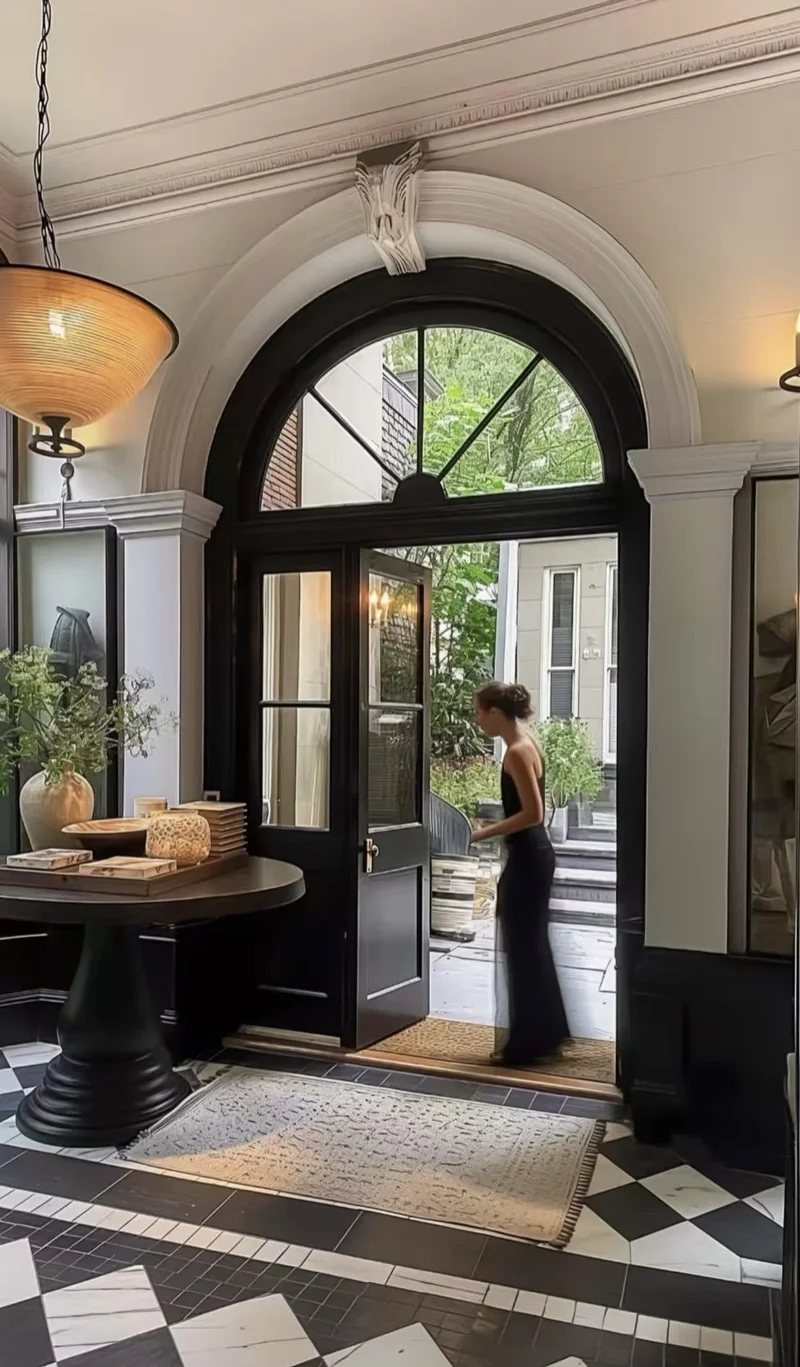
Material & Structural Specifications
The door leaf utilizes a multi-layer composite construction. The core is a laminated veneer lumber (LVL) frame, chosen for its dimensional stability (<1% linear expansion at 65% RH) which prevents warping and ensures consistent operation. This is skinned with a high-density Wood Plastic Composite (WPC) cladding, formulated to a minimum density of 1.25 g/cm³. The WPC formulation maintains a precise PVC-to-wood flour ratio, optimizing impact resistance (Shore D hardness >65) while minimizing water absorption to below 0.8%. All composite materials are certified to E0 formaldehyde emission standards.
Performance Data for Specification
The integrated system delivers quantifiable performance critical for senior living specifications.
| Parameter | Test Standard | Performance Rating | Benefit for Senior Living |
|---|---|---|---|
| Sound Reduction (Rw) | EN ISO 717-1 | ≥ 32 dB | Creates acoustic separation from communal garden areas to interior quiet zones. |
| Thermal Transmittance (U-value) | EN 12412-2 | ≤ 1.3 W/m²K | Maintains interior climate, reduces energy load on HVAC systems. |
| Fire Performance | EN 13501-1 | Class B-s2, d0 | Meets stringent regulatory requirements for residential care facilities. |
| Swelling Rate (24h immersion) | EN 317 | ≤ 0.5% | Ensures door geometry and operation are unaffected by humidity or cleaning. |
Functional Advantages for Installation & Longevity
- Pre-hung, Pre-finished Assembly: Doors are supplied as complete, factory-sealed units. This eliminates on-site finishing, reduces installation time by approximately 60%, and prevents VOC exposure for residents.
- Corrosion-Resistant Hardware: All hinges, multipoint locks, and thresholds are 316-grade stainless steel or anodized aluminum with a minimum 2,000-hour salt spray test rating, essential for garden-facing exposures.
- Integrated Threshold System: Features a thermally broken design with a maximum step height of 15mm and a slip-resistant rating of R10, facilitating safe wheelchair and walker transition while maintaining weather sealing.
Installation Support Protocol
Our technical support is integrated from pre-construction through commissioning. We provide:
- RIBA Stage 3-4 Support: Detail drawings for builder’s work openings, structural tolerances, and interface specifications with adjacent cladding or masonry.
- On-Site Technical Audit: A field engineer conducts a pre-installation check of opening preparations to verify plumb, level, and square tolerances are within ±2mm per meter.
- Commissioning Documentation: A complete dossier including material certificates, test reports (fire, thermal, acoustic), and a 10-year product performance warranty backed by ISO 9001 certified manufacturing.
Documented Application: Coastal Memory Care Residence, Bristol
A recent installation for a 40-unit memory care facility demonstrates applied performance. The north-facing garden doors are subject to driving rain and salt aerosol. After 24 months, post-installation inspection showed:
- Zero measurable deflection or swelling in the door leaf.
- No corrosion on hardware or threshold assemblies.
- Maintained acoustic and thermal performance as per initial commissioning tests, validated by facility management’s energy audit.
For project-specific calculations on structural load, wind pressure ratings (EN 12211), or accessibility (Doc M compliance), contact our technical department with your architectural drawings.
Frequently Asked Questions
What are the critical material standards for garden doors in senior living communities?
Doors must meet E0 formaldehyde emission (≤0.5mg/L) and have a low moisture expansion coefficient (<0.5%). Specify WPC with density >1,200 kg/m³ or engineered wood with LVL core. These standards ensure indoor air quality and dimensional stability in humid garden environments, directly impacting resident health and door longevity.
How do we prevent long-term warping and structural failure?
Utilize full-perimeter, thermally-broken aluminum frames with integrated drainage. For panel cores, cross-laminated LVL or high-density WPC (≥1,300 kg/m³) is mandatory. Precision sealing with EPDM gaskets and a multi-axis hinge system distributes stress, counteracting warping forces from temperature gradients and moisture.
What thermal insulation properties are necessary for year-round use?
Target a U-value ≤1.2 W/m²K. Achieve this with polyurethane foam-injected profiles or doors featuring a rigid thermoset core. For glazing, insist on double or triple-pane units with Low-E coating and argon fill. This maintains interior comfort, reduces energy costs, and prevents condensation.
How is impact resistance and safety engineered for this demographic?
Specify laminated safety glass (minimum 6.38mm thickness) or polycarbonate glazing. Frames require reinforced corner joints (e.g., welded aluminum or doweled + screwed timber). Impact-resistant WPC formulations or fiberglass-reinforced profiles provide superior dent resistance compared to standard PVC, ensuring durability and user safety.
What specifications guarantee low maintenance and UV resistance?
Demand a full-thickness PVC foil wrap (≥0.3mm) or catalyzed polyurethane paint system for wood. For WPC, integrated UV inhibitors and cap-stock co-extrusion are essential. These finishes resist fading, chalking, and biological growth, maintaining appearance with only annual cleaning, drastically reducing lifecycle costs.
How do we ensure optimal sound insulation from communal garden areas?
Aim for a weighted sound reduction index (Rw) of ≥32 dB. Critical details include acoustic seals, asymmetric glass pane thickness (e.g., 4-6-4 configuration), and insulated, gasketed frames. This acoustical control is vital for resident tranquility, especially in memory care units adjacent to active gardens.
What are the procurement red flags for door hardware in this application?
Avoid standard residential hardware. Specify commercial-grade, corrosion-resistant (304 stainless or forged brass) multi-point locks and continuous hinges. Verify independent certifications (e.g., ANSI/BHMA Grade 1) for cycle testing (≥500,000 cycles). Inferior hardware is the leading cause of premature door failure and security risks.