Low-Maintenance Vinyl Garden Doors for Residential Gardens – Durability, Style & Energy Efficiency
Transforming your residential garden into a seamless extension of your home begins with selecting the right entryway—and vinyl garden doors have emerged as the ultimate fusion of form and function. Renowned for their exceptional durability, these doors resist warping, cracking, and corrosion, standing up to harsh weather without sacrificing aesthetic appeal. Ideal for homeowners seeking low-maintenance solutions, vinyl garden doors require no painting, staining, or extensive upkeep, saving both time and long-term costs. Modern manufacturing techniques now offer a wide array of styles, colors, and finishes, allowing them to complement any architectural design—from traditional cottages to sleek, contemporary homes. Beyond beauty and resilience, these doors excel in energy efficiency, featuring insulating glass and tight seals that help maintain indoor temperatures and reduce utility bills. With superior performance, timeless style, and minimal maintenance demands, vinyl garden doors are redefining outdoor living spaces, offering an intelligent choice for discerning homeowners who value both elegance and practicality in their residential gardens.
Why Vinyl Garden Doors Are the Ultimate Low-Maintenance Choice for Homeowners
-
Superior Resistance to Environmental Degradation
Vinyl garden doors exhibit exceptional resilience against environmental stressors such as UV radiation, moisture, and temperature fluctuations. Unlike wood or aluminum, vinyl does not warp, crack, or corrode over time. This inherent durability significantly reduces the need for repairs, refinishing, or replacements, making vinyl an ideal long-term investment for residential garden access points. -
Minimal Cleaning and Upkeep Requirements
One of the most compelling advantages of vinyl garden doors is their low cleaning burden. Routine maintenance is limited to occasional wiping with soap and water to remove dirt and debris. There is no requirement for painting, sanding, or sealing—procedures commonly associated with wood or metal alternatives. This ease of care translates into substantial time and cost savings for homeowners over the product’s lifecycle. -
Inherent Resistance to Rot, Rust, and Insect Damage
Vinyl is impervious to rot and fungal growth, critical attributes in garden environments where moisture levels are frequently elevated. Additionally, it does not rust like steel or corrode like untreated aluminum. Its composition also deters pests such as termites, which can compromise structural integrity in organic materials. These properties ensure long-term performance without degradation in aesthetic or functional quality. -
Stable Performance Across Climate Extremes
Vinyl maintains dimensional stability across broad temperature ranges, expanding and contracting minimally compared to other materials. Modern formulations include impact modifiers and UV stabilizers that enhance performance in both freezing winters and intense summer heat. This thermal stability prevents operational issues such as sticking or binding, ensuring smooth operation year-round. -
Enhanced Energy Efficiency Through Material Design
Multi-chambered vinyl profiles, often combined with insulated glass units, provide superior thermal resistance. These design elements reduce heat transfer, contributing to improved indoor comfort and lower HVAC loads. The tight seals achieved with vinyl framing further minimize air infiltration, supporting sustainable energy use without additional homeowner intervention. -
Longevity and Lifecycle Cost Advantages
With an average service life exceeding 25 years and minimal maintenance inputs, vinyl garden doors offer one of the lowest total cost-of-ownership profiles in the fenestration market. Their durability, combined with consistent appearance retention and energy performance, positions vinyl as the definitive low-maintenance solution for discerning homeowners prioritizing efficiency, longevity, and aesthetic consistency.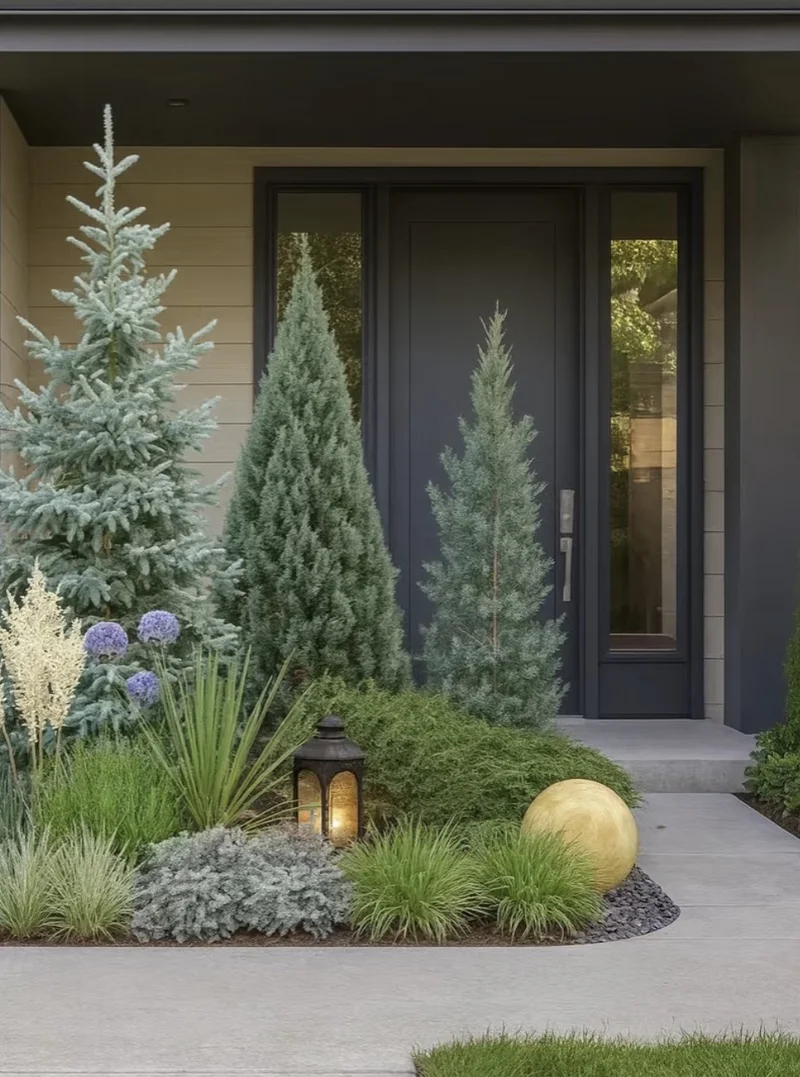
Key Benefits of Installing Vinyl Garden Doors in Residential Outdoor Spaces
- Exceptional durability against environmental stressors
- Minimal maintenance requirements over lifespan
- Superior energy efficiency through advanced thermal performance
- Long-term cost savings on upkeep and energy consumption
- Aesthetic versatility with customizable design options
- Enhanced security and structural integrity
Vinyl garden doors offer homeowners a high-performance solution for seamless indoor-outdoor integration, combining resilience, efficiency, and elegance. Constructed from rigid polyvinyl chloride (PVC) with internal reinforcement, these doors resist warping, cracking, and corrosion caused by moisture, UV exposure, and temperature fluctuations. Unlike wood or metal alternatives, vinyl does not require painting, staining, or sealing, significantly reducing long-term maintenance demands. This inherent durability ensures consistent appearance and function across decades, even in climates with extreme seasonal variation.
A primary advantage lies in thermal performance. Multi-chambered vinyl frames, coupled with insulated glass units and low-emissivity (Low-E) coatings, create a robust thermal barrier. This reduces conductive heat transfer, minimizing indoor temperature loss during winter and limiting solar heat gain in summer. The resulting improvement in building envelope efficiency directly lowers HVAC loads, contributing to measurable energy savings and enhanced occupant comfort. Independent studies confirm that properly installed vinyl doors can reduce residential energy consumption by up to 20% compared to non-insulated alternatives.
From a design perspective, modern vinyl extrusions support a broad range of configurations, including dual-pane French-style doors, sliding systems, and custom arches. Available in multiple colors, finishes, and textures—including wood-grain laminates—these doors align with diverse architectural styles without sacrificing material benefits. Stainless steel or brass hardware further elevates visual appeal while ensuring operational reliability.
Structural integrity is reinforced through fusion-welded corners and precision-engineered locking mechanisms, delivering robust resistance against forced entry. Combined with shatter-resistant glass options and multi-point locking systems, vinyl garden doors meet or exceed residential security standards.
Finally, the lifecycle cost advantage is compelling. With no need for refinishing, minimal cleaning requirements (typically limited to soap and water), and reduced energy expenditures, vinyl doors deliver long-term economic and operational benefits. Their recyclability at end-of-life also supports sustainable building practices, aligning with environmental objectives without compromising performance or aesthetics.
How Vinyl Outperforms Wood and Aluminum in Garden Door Applications
-
Superior Resistance to Environmental Degradation
Vinyl garden doors exhibit exceptional resilience against moisture, UV exposure, and temperature fluctuations—conditions that degrade wood and compromise aluminum integrity. Unlike wood, which swells, rots, or warps when exposed to prolonged humidity or rain, vinyl maintains dimensional stability. It does not absorb water, eliminating the risk of fungal decay or insect infestation. Aluminum, while resistant to rot, is prone to galvanic corrosion in coastal or high-salinity environments, especially at cut edges or joints. Vinyl’s non-porous surface inhibits microbial growth and resists staining, ensuring long-term aesthetic and structural performance without chemical sealants or finishes. -
Minimal Maintenance Requirements
Wood garden doors demand regular upkeep: sanding, staining, or painting every few years to preserve appearance and prevent deterioration. Aluminum requires periodic cleaning to remove oxidation and prevent pitting. In contrast, vinyl doors need only routine washing with mild soap and water. No repainting, sealing, or protective coating is necessary over decades of service. This reduction in maintenance lowers lifecycle costs and eliminates recurring labor, making vinyl ideal for homeowners prioritizing longevity and convenience. -
Enhanced Thermal Performance
Vinyl offers superior thermal insulation compared to both wood and aluminum. While wood has moderate insulating properties, it degrades over time, reducing effectiveness. Aluminum conducts heat rapidly, creating thermal bridges that compromise indoor comfort and increase energy loads. Vinyl’s cellular structure provides inherent thermal resistance, and multi-chambered profiles further improve R-values. Many vinyl doors incorporate insulating glass units and thermal breaks, achieving U-factors that meet or exceed energy code requirements. This translates to improved temperature regulation within adjacent interior spaces and lower HVAC consumption. -
Long-Term Aesthetic Stability
Wood finishes fade and erode under UV exposure, necessitating refinishing to retain curb appeal. Aluminum can chalk and oxidize, particularly in harsh climates. Vinyl formulations include titanium dioxide and UV stabilizers that resist color fading and surface chalking. Modern co-extrusion techniques ensure consistent color throughout the material, so surface scratches are less visible. Available in a range of textures and finishes, vinyl convincingly replicates wood grain without its vulnerabilities.
| Property | Vinyl | Wood | Aluminum |
|---|---|---|---|
| Moisture Resistance | Excellent | Poor | Good |
| Thermal Insulation | High | Moderate | Low |
| Maintenance Frequency | Low | High | Moderate |
| Lifespan (years) | 30–50+ | 15–25 | 20–30 |
| Color Stability | High | Low | Moderate |
Energy Efficiency and Weather Resistance of Modern Vinyl Garden Doors
-
Modern vinyl garden doors represent a convergence of durable material science and advanced thermal engineering, delivering superior energy efficiency and weather resistance for residential applications. Constructed from rigid polyvinyl chloride (PVC), these doors exhibit minimal thermal conductivity, significantly reducing heat transfer between interior and exterior environments. Multi-chambered profiles enhance this insulative capacity, creating thermal breaks that mitigate conductive energy loss.
-
Integral to their energy performance are weatherstripping systems and compression seals integrated into the door frame and sash. These components form a continuous barrier against air infiltration, a primary contributor to HVAC load. Independent testing confirms that high-quality vinyl doors achieve air leakage rates below 0.1 cfm/ft², meeting or exceeding ENERGY STAR® requirements for most climate zones.
-
Glass selection further amplifies thermal performance. Dual- or triple-pane insulating glass units (IGUs) with low-emissivity (Low-E) coatings and argon or krypton gas fills are standard in premium models. These glazing systems achieve U-factors as low as 0.20, effectively minimizing radiative and convective heat exchange while maintaining visible light transmittance.
| Feature | Performance Benefit |
|---|---|
| Multi-chamber vinyl frame | Reduces thermal bridging; improves structural rigidity |
| Fusion-welded corners | Eliminates air/water infiltration at joints; enhances longevity |
| Low-E coated IGUs | Blocks UV radiation; reduces solar heat gain |
| Continuous perimeter seals | Maintains air tightness under wind load and thermal cycling |
-
Weather resistance is inherent in vinyl’s composition. Unlike wood or metal, PVC is impervious to rot, corrosion, and insect infestation. Surface co-extrusion with UV inhibitors ensures long-term color stability and prevents degradation under prolonged solar exposure. The material’s hydrophobic nature prevents water absorption, preserving dimensional stability across freeze-thaw cycles and high-humidity environments.
-
Drainage systems integrated into threshold designs channel water away from the sill, preventing ponding and maintaining operational integrity during heavy precipitation. These engineered features, combined with precision manufacturing tolerances, ensure consistent performance under extreme weather conditions.
In residential garden applications, where exposure to moisture, temperature fluctuation, and solar radiation is elevated, modern vinyl doors deliver enduring energy efficiency and environmental resilience without requiring chemical treatments or refinishing. Their lifecycle performance supports sustainable building objectives while reducing operational energy costs.
Design Versatility and Aesthetic Options for Stylish Garden Access
-
Vinyl garden doors offer exceptional design versatility, enabling seamless integration with a broad spectrum of residential architectural styles—from contemporary minimalist homes to traditional cottages. Their adaptability stems from advanced manufacturing techniques that allow for precise replication of natural materials without the maintenance burden.
-
A defining advantage is the availability of multiple glazing configurations. Full-glass panels, divided lites with grilles (simulated or between-the-glass), and decorative glass options provide customization while enhancing natural light transfer. These configurations can be tailored to balance privacy, aesthetics, and functionality, depending on the garden’s intended use and surrounding landscape.
-
Frame profiles are available in a range of depths and sightlines, allowing architects and homeowners to select sleek, narrow profiles for a modern aesthetic or broader frames for a more substantial, classic appearance. Multi-point hardware finishes—including brushed nickel, matte black, and oil-rubbed bronze—complement the door’s visual impact without compromising material integrity.
-
Color options extend well beyond standard white. Modern co-extrusion processes embed color throughout the vinyl, ensuring fade resistance and long-term consistency. Popular choices include soft textures like almond, sandstone, and slate gray, with some manufacturers offering custom color matching for cohesive integration with exterior façades.
| Feature | Design Benefit |
|---|---|
| Wood-grain laminates | Mimic the warmth of natural timber with no risk of rot or warping |
| Dual-color options | Different interior/exterior hues to match indoor décor and outdoor surroundings |
| Low-iron glass | Maximizes clarity and light transmission for an unobstructed garden view |
| Radius tops and arches | Accommodate non-rectangular openings for architectural distinction |
-
Integration with adjacent materials—such as stone, stucco, or fiber cement siding—is facilitated by clean trim details and flush-mount installation systems. This ensures the door functions as both an aesthetic focal point and a harmonious extension of the home’s exterior envelope.
-
Design flexibility also extends to operational styles: hinged French-style doors, sliding configurations, and bi-fold systems each offer distinct visual rhythms and spatial dynamics. The choice influences not only sightlines and access but also the perceived boundary between interior living space and garden environment.
Ultimately, vinyl garden doors combine aesthetic richness with long-term performance, delivering stylish access without sacrificing resilience or efficiency.
Installation and Care Tips to Maximize Longevity of Vinyl Garden Doors
-
Ensure structural framing is plumb, level, and square prior to installation to prevent warping, operational issues, or premature seal failure. Verify rough opening dimensions against manufacturer specifications, allowing for appropriate shimming and insulation without over-compression.
-
Use corrosion-resistant fasteners specified by the manufacturer, driven at recommended intervals along the door frame. Avoid over-tightening, which may distort the vinyl profile or impede drainage channels. Fasten through pre-drilled holes to prevent stress cracking.
-
Apply continuous bead of exterior-grade sealant or low-expansion foam insulation around the perimeter to minimize air infiltration and thermal bridging. Avoid high-expansion foams that may exert pressure on the frame. Seal all exterior joints with UV-resistant, flexible caulking to accommodate thermal movement.
-
Align and adjust adjustable rollers and hinges according to manufacturer guidelines to maintain smooth operation and proper weatherstripping contact. Misalignment leads to binding, increased wear, and compromised energy performance.
-
Clean door surfaces quarterly using a soft cloth and mild detergent solution. Avoid abrasive cleaners, solvents, or pressure washing, which can degrade surface finishes and seals. Rinse thoroughly with clean water to prevent residue buildup.
-
Inspect and lubricate moving components—rollers, hinges, locks—at least twice annually with a silicone-based lubricant. Do not use petroleum-based products, which can deteriorate vinyl and rubber components.
-
Clear debris from track systems regularly to ensure unobstructed panel movement. Flush tracks with water and dry thoroughly to inhibit corrosion of metal components within the vinyl assembly.
-
Monitor perimeter seals and weatherstripping for signs of compression, tearing, or detachment. Prompt replacement maintains air tightness and protects against moisture intrusion.
-
Avoid placing potted plants or irrigation systems directly adjacent to the door threshold to reduce prolonged moisture exposure, which may compromise sub-frame integrity over time.
-
In regions with extreme thermal fluctuations, verify that installation allowances account for vinyl’s coefficient of thermal expansion. Restricting natural movement may result in bowing or joint separation.
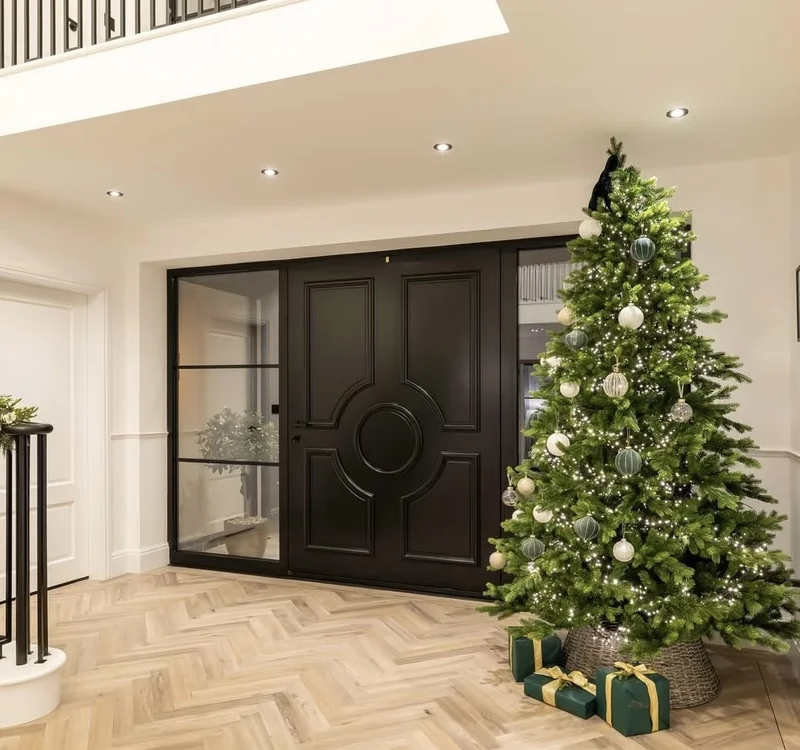
Proper installation and consistent, minimal maintenance are critical to achieving the full lifecycle performance of vinyl garden doors. Adhering to manufacturer protocols ensures optimal durability, energy efficiency, and operational reliability under residential environmental loads.
Frequently Asked Questions
What are the key benefits of vinyl garden doors for low-maintenance residential gardens?
Vinyl garden doors offer exceptional durability, resistance to rot, rust, and corrosion, and require no painting or staining. They are engineered to withstand UV exposure, moisture, and temperature fluctuations, making them ideal for outdoor use. With seamless insulation and minimal upkeep, they provide long-term performance with just occasional cleaning using soap and water.
How do vinyl garden doors compare to wood or aluminum in terms of maintenance?
Unlike wood, vinyl won’t warp, crack, or decay and doesn’t require annual sealing or painting. Compared to aluminum, vinyl resists corrosion and offers better thermal insulation. Vinyl’s non-porous surface inhibits mold and mildew growth, significantly reducing cleaning frequency and effort—making it the lowest maintenance option among common garden door materials.
Are vinyl garden doors energy efficient?
Yes, high-quality vinyl garden doors are constructed with multi-chambered frames and insulated glass units that enhance thermal performance. They reduce heat transfer and air infiltration, helping maintain indoor-outdoor comfort and lowering energy costs. Many models meet ENERGY STAR® standards for improved energy efficiency in residential applications.
Can vinyl garden doors withstand harsh weather conditions?
Modern vinyl garden doors are reinforced with steel or aluminum inserts and made from impact-resistant uPVC, enabling them to endure heavy winds, rain, snow, and UV exposure. Properly installed models meet ASTM standards for structural performance and are tested for air and water resistance, ensuring reliability in diverse climates.
Do vinyl garden doors fade or discolor over time?
Premium vinyl formulations include UV stabilizers that prevent fading, chalking, and yellowing. While low-grade vinyl may degrade under prolonged sun exposure, industry-leading products retain color and finish for decades. Opt for doors with co-extruded UV protection and warranties covering color retention for up to 20–25 years.
What customization options are available for vinyl garden doors in garden settings?
Vinyl garden doors offer extensive customization, including multiple colors (white, tan, gray, woodgrain finishes), glass options (tempered, frosted, decorative), hardware styles, and configurations (single, double, sliding, French-style). Many manufacturers provide custom sizing and specialty glass patterns to match landscaping aesthetics without sacrificing durability.
How secure are vinyl garden doors for residential use?
Top-tier vinyl garden doors feature multi-point locking systems, reinforced frames, and laminated or tempered glass for enhanced security. Designed to meet or exceed forced-entry resistance standards (e.g., ANSI/AAMA), they offer robust protection while maintaining operational ease and aesthetic appeal.
Are vinyl garden doors environmentally sustainable?
Modern vinyl doors incorporate recyclable materials and are fully recyclable at end-of-life. They contribute to sustainability through superior insulation, reducing HVAC energy use. Additionally, their long service life (30+ years) and minimal need for refinishing limit environmental impact compared to high-maintenance alternatives.
What is the expected lifespan of a low-maintenance vinyl garden door?
With proper installation and minimal care, premium vinyl garden doors last 30 to 50 years. Resistance to degradation from moisture, insects, and UV radiation contributes to their longevity. Manufacturer warranties often cover frame integrity and glass seal integrity for 20+ years, underscoring confidence in durability.
How should vinyl garden doors be cleaned and maintained?
Maintenance is minimal: clean frames and glass quarterly with mild detergent and water using a soft cloth or sponge. Avoid abrasive cleaners or pressure washing. Lubricate moving parts (rollers, hinges, locks) annually with silicone-based products to ensure smooth operation and extend hardware life.
Can vinyl garden doors be integrated with smart home systems?
Yes, many modern vinyl garden doors are compatible with smart home ecosystems when paired with smart locks, sensors, and automated sliding mechanisms. Integration with platforms like Apple HomeKit, Google Home, or Alexa allows remote monitoring, access control, and alerts—enhancing security and convenience without compromising door integrity.
What should I look for in a warranty when purchasing vinyl garden doors?
Look for comprehensive warranties covering frame and sash (lifetime or 20–25 years), glass seal failure (10–20 years), and hardware (10+ years). Warranties should be transferable and include labor and installation remediation. Reputable manufacturers offer no-fade, no-hardware-failure, and installation error coverage as markers of product confidence.