Best Sliding Garden Doors for Small Garden Areas – Space-Saving Designs & Style Tips
Transforming a compact outdoor space begins with thoughtful design choices, and selecting the right sliding garden doors can make all the difference. For homeowners with smaller gardens, maximizing space without sacrificing style is essential—and modern sliding doors deliver precisely that balance. Engineered for efficiency, these doors glide seamlessly along their track, eliminating the swing radius of traditional hinged doors and preserving every square foot of precious garden real estate. Today’s premium designs combine sleek profiles, expansive glass panels, and durable materials to flood interiors with natural light while creating the illusion of a more spacious, connected environment. From minimalist bi-fold sliders to elegant French-style gliders, options abound to suit both contemporary and classic aesthetics. Beyond functionality, the right sliding door enhances curb appeal, improves energy efficiency, and blurs the boundary between indoors and out. Discover how strategic selection and smart styling can elevate even the most modest garden area into a seamless, stylish retreat.
Maximize Space with Sliding Garden Doors for Compact Outdoor Areas
- Maximize Space with Sliding Garden Doors for Compact Outdoor Areas
Sliding garden doors are a strategic architectural solution for compact outdoor areas, where every square foot must serve both functional and aesthetic purposes. Unlike traditional hinged doors, sliding mechanisms operate laterally along a track, eliminating the need for swing clearance and preserving valuable floor and garden space. This makes them particularly suited to urban balconies, small patios, and narrow courtyards where spatial efficiency is paramount.
The design of sliding doors enables seamless integration between interior and exterior environments. When fully retracted, they create an unobstructed opening that extends living space outdoors, visually enlarging the perceived area. This indoor-outdoor flow is enhanced with large glass panels, which allow natural light to penetrate deeper into interior spaces, further amplifying spatial perception.
For optimal space utilization, consider multi-panel configurations such as bi-parting or stacking sliders. These systems allow two or more panels to glide behind one another, minimizing the required wall clearance and enabling wider openings. Stacking variants, in particular, concentrate panels into a compact stack, freeing up more wall space when open—ideal for tight layouts.
Frame materials also influence spatial efficiency. Slim-profile aluminum or thermally broken aluminum frames offer structural strength with minimal visual obstruction, maximizing glass area. Alternatively, uPVC frames provide thermal efficiency and lower cost, though often with slightly bulkier profiles.
Threshold design is equally critical. Low or flush thresholds eliminate tripping hazards and support uninterrupted movement between spaces, crucial in small areas where navigation must be intuitive and safe. For barrier-free access, consider doors compliant with accessibility standards, enhancing usability without sacrificing style.
Finally, strategic placement and orientation can amplify spatial benefits. Positioning sliding doors to face a garden’s strongest focal point—such as greenery or a water feature—creates a sense of depth. Pairing them with reflective surfaces or mirrored garden elements can further enhance spatial perception.
In compact outdoor settings, sliding garden doors are not merely entry points—they are transformative elements that expand usable space, improve light dynamics, and elevate design coherence.
Top Materials and Designs for Small Garden Sliding Doors
-
Aluminum frames with thermal breaks offer an optimal balance of strength, slim sightlines, and corrosion resistance, making them ideal for small garden areas where maximizing glass area is critical. Their high strength-to-weight ratio allows for taller, narrower profiles that enhance natural light without compromising structural integrity.
-
Powder-coated finishes on aluminum provide long-term durability against UV exposure and moisture, essential for garden-facing installations. Neutral tones like anthracite gray, matte black, or sandstone blend seamlessly with outdoor environments while resisting visible wear.
-
Low-iron tempered glass maximizes transparency and light transmission, creating a visual extension of limited garden space. Pairing with slim framing enhances this effect, reducing visual obstructions and reinforcing spatial continuity between interior and exterior.
-
Double-glazed units with argon gas fill and low-E coatings improve thermal performance, minimizing condensation and maintaining indoor comfort—particularly valuable when the door serves as a primary connection to an outdoor room.
-
Frameless or minimal threshold designs eliminate tripping hazards and support seamless indoor-outdoor flow. These are especially effective in compact gardens where every square foot counts and accessibility is a priority.
-
Bypass sliding configurations save space by avoiding door swing arcs, ideal for tight planting beds or narrow patios. Three- or four-track systems allow partial opening flexibility, enabling ventilation control without full exposure.
-
Integrated insect screens with magnetic or recessed mechanisms maintain airflow while preventing pests—critical for urban or suburban gardens prone to seasonal insects.
-
Laminated glass options enhance security and noise reduction, beneficial in high-density neighborhoods. This adds functional value without altering the door’s aesthetic minimalism.
-
Bi-parting or stacking sliding systems offer expansive openings when fully retracted, visually dissolving boundaries. Though requiring slightly more lateral space, their ability to open up 60–80% of the aperture justifies the footprint in constrained areas.
-
Sustainable material options, such as recycled aluminum or FSC-certified timber composites, meet increasing demand for eco-conscious design without sacrificing performance.
Material and design synergy is paramount: prioritize systems engineered for high-cycle use, weather-tight seals, and precision rollers to ensure longevity in frequently used garden interfaces. The objective is not merely space-saving, but spatial enhancement—transforming physical constraints into design opportunities through material intelligence and minimalist engineering.
How Sliding Doors Enhance Light and Flow in Small Gardens
-
Seamless spatial integration between interior and exterior environments is paramount in small garden areas, where every square meter must serve multiple functions. Sliding garden doors significantly enhance the perception of space by visually extending living areas into the garden, creating an uninterrupted flow that amplifies available light and improves spatial continuity.
-
Strategically positioned sliding doors allow natural light to penetrate deeper into interior spaces, reducing reliance on artificial lighting during daylight hours. The expansive glazed panels typical of modern sliding systems maximize solar gain and luminosity, contributing to brighter, more inviting interiors. This increased daylighting not only improves ambiance but also supports well-being and energy efficiency.
-
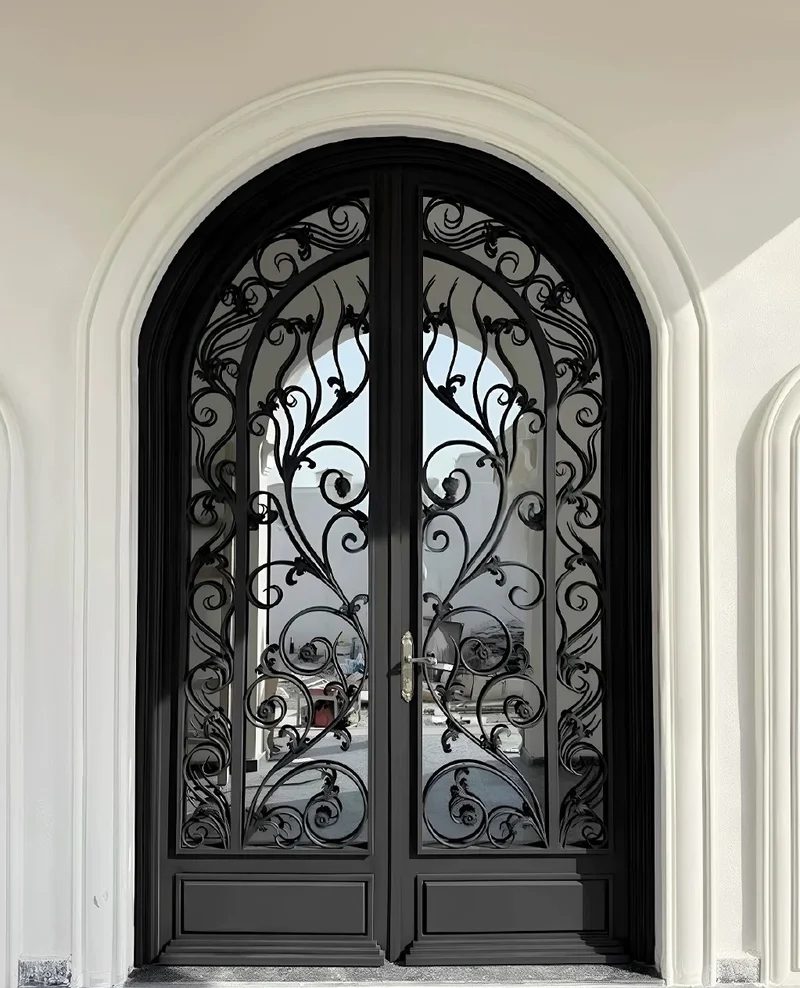
From a design perspective, frame minimalism in contemporary sliding door systems—such as slim sightlines and high glass-to-frame ratios—further reduces visual obstruction. This transparency strengthens the connection to the outdoors, making compact gardens feel larger and more integrated with the home. When fully retracted, many systems pocket or stack neatly to one or both sides, eliminating physical and visual barriers entirely.
-
The alignment of floor levels between interior and exterior spaces is critical to achieving unimpeded movement. Flush thresholds paired with sliding doors enhance accessibility and reinforce the illusion of continuity, guiding movement naturally from living room to garden. This fluid transition encourages more frequent use of outdoor space, effectively expanding functional living area without structural addition.
-
Material and finish selection also plays a role in enhancing light reflection and spatial harmony. Light-colored frames or neutral-toned glazing complement bright interiors and reflective surfaces, while low-iron glass increases clarity and light transmission. These details, though subtle, cumulatively elevate the spatial and luminous qualities of small garden environments.
-
Moreover, the operability of sliding systems contributes to environmental modulation. With minimal effort, large apertures can be opened to promote cross-ventilation, drawing fresh air through the home and reinforcing a sensory connection to the garden’s textures, scents, and sounds.
Ultimately, sliding garden doors are not merely access points but transformative architectural elements. In small garden areas, their ability to amplify light, dissolve boundaries, and enhance spatial flow makes them indispensable in achieving both aesthetic sophistication and functional efficiency.
Smart Installation Tips for Sliding Garden Doors in Limited Spaces
-
Prioritize single-panel sliding doors in extremely confined areas, as they minimize floor space usage and eliminate the need for stacking tracks. These designs require only half the opening width compared to bi-parting systems, maximizing usable space both indoors and out.
-
Opt for low-profile threshold tracks to reduce tripping hazards and ensure seamless transitions between interior and exterior spaces. Aluminum or reinforced PVC tracks offer durability without protruding excessively, which is critical in tight foot-traffic zones.
-
Align the sliding direction to open toward underutilized areas—such as adjacent walls or unused corners—ensuring the door doesn’t obstruct pathways or interfere with furniture placement. Avoid configurations that swing into high-traffic zones or block access to adjacent windows or storage units.
-
Install doors with inline rollers and top-hung mechanisms when floor space is at a premium. These systems reduce track footprint and enhance glide efficiency, particularly beneficial in narrow installations where traditional bottom rollers may hinder operation.
-
Use recessed or flush-mounted frames to minimize jamb depth, preserving every inch of interior width. Framing systems designed for slim sightlines not only enhance aesthetics but also reduce spatial intrusion in compact settings.
-
Coordinate door placement with fixed glazing panels on one or both sides to maintain light transmission without sacrificing operable space. Fixed panels can be structurally bonded to the sliding unit, eliminating intermediate mullions and creating a clean, open feel.
-
Consider pocket door configurations where feasible—sliding the panel entirely into the wall cavity when open. This solution demands structural planning but delivers complete access to the opening, ideal when every square foot counts.
-
Ensure adequate clearance behind furniture or plantings by measuring operational arcs and clearance zones before finalizing positioning. Maintain a minimum of 600mm clearance in front of and along the sliding path to comply with accessibility standards and daily usability.
-
Select doors with thermally broken frames and double-glazed, low-E glass to maintain energy efficiency in smaller envelopes where surface-to-volume ratios are less favorable.
-
Conduct precise site measurements and account for out-of-plumb walls or uneven substrates during framing. Misalignment in compact openings exacerbates operational issues and compromises weather sealing.
-
Engage certified installers familiar with high-tolerance urban installations to ensure alignment, smooth operation, and long-term durability—particularly critical in space-constrained environments where post-installation adjustments are limited.
Stylish and Functional Add-Ons to Complement Your Sliding Door Setup
-
Incorporating stylish and functional add-ons into a sliding garden door setup enhances both usability and aesthetic cohesion, particularly in small garden areas where every design decision carries significant impact. These elements should support spatial efficiency while elevating the transition between interior and exterior environments.
-
Integrated Blinds or Tinted Glazing: Opt for sliding doors with built-in blinds or low-emissivity (Low-E) glazing. These reduce solar heat gain, improve thermal performance, and maintain privacy without obstructing views. For compact spaces, eliminating the need for external window treatments preserves sightlines and avoids visual clutter.
-
Slim-Framed Architectural Hardware: Choose minimalist, high-strength framing in finishes such as matte black, brushed aluminum, or powder-coated graphite. These frames enhance modern aesthetics while maximizing glass surface area, creating an illusion of expanded space and improved daylight penetration.
-
Continuous Threshold Tracks: Employ low-profile, flush-mounted tracks with durable, weather-resistant materials like anodized aluminum. A seamless threshold improves accessibility, supports smooth operation, and prevents tripping—especially critical in high-traffic or multi-use areas.
-
Integrated Outdoor Screens or Retractable Insect Meshes: Deploy motorized or side-rolling insect screens that align with the door’s track system. These preserve airflow while deterring pests, allowing doors to remain open longer without compromising comfort. Retractable designs maintain clean sightlines when not in use.
-
Complementary Flooring Transitions: Use consistent or visually continuous materials—such as porcelain tiles that extend indoors to outdoors or matching hardwoods—to blur boundaries. A unified floor plane reinforces spatial continuity and enhances the perception of a larger area.
-
Architectural Canopies or Slimline Awnings: Install sleek, fixed or retractable canopies above the door to provide solar shading and weather protection. Choose powder-coated aluminum structures with subtle profiles that do not overwhelm the façade.
-
Integrated LED Perimeter Lighting: Embed low-voltage LED strips within the door frame or adjacent wall reveals. These provide subtle illumination for evening use, enhance safety, and accentuate architectural lines without requiring additional fixtures.
-
Smart Automation Systems: Incorporate motorized sliding mechanisms with remote, app, or sensor-based controls. Integration with home automation platforms allows for scheduled ventilation, climate-responsive operation, and enhanced security—particularly valuable in constrained layouts where manual access may be obstructed.
Each add-on should be evaluated for its contribution to spatial perception, thermal performance, and long-term functionality. Prioritize solutions that align with the architectural language of the space while resolving inherent challenges of compact outdoor access.
Frequently Asked Questions
What are the best materials for sliding garden doors in small spaces?
Aluminum and uPVC are the top choices for sliding garden doors in compact gardens. Aluminum offers slimmer frames, maximizing glass area and light transmission, while resisting corrosion. uPVC provides superior thermal insulation and lower cost but with slightly bulkier profiles. For premium durability and efficiency, thermally broken aluminum systems with double or triple glazing are recommended by architects and building experts.
How do I maximize natural light with sliding doors in a small garden?
To optimize natural light, choose doors with minimal frame sightlines and expansive glass panels. Frameless or semi-frameless systems, such as lift-and-slide doors with low threshold profiles, allow for nearly uninterrupted glazing. Position the doors to face north or south (in the Northern Hemisphere) for balanced daylight. Use low-iron glass to enhance clarity and light transmission by up to 10% compared to standard glass.
Are lift-and-slide doors suitable for small garden areas?
Yes, lift-and-slide doors are ideal for small gardens because they operate inline without requiring outward swing space. Their slim profiles and high seal efficiency provide superior insulation and weather resistance. They glide smoothly on precision rails, lifting slightly to reduce friction, ensuring a tight seal when closed—making them a top recommendation among energy efficiency experts for compact, high-performance homes.
What’s the minimum track space needed for sliding garden doors in tight areas?
High-performance sliding systems can operate with track widths as narrow as 90–110mm per panel, depending on system design. Compact multi-panel configurations (e.g., 2-slide or 3-slide stacking) can fully recess one panel behind another, minimizing the required opening space. Experts advise selecting systems with concealed or low-profile tracks to enhance accessibility and maintain clean sightlines.
Can I install bi-fold doors instead of sliding doors in a small garden?
While bi-fold doors offer a wide opening, they require sufficient wall space to stack the panels, which may not be feasible in narrow areas. Sliding doors are often better suited for compact gardens because they move along a single plane and require less clearance. For openings under 3 meters, a two- or three-panel sliding system is generally more space-efficient and structurally stable than bi-folds.
How do I ensure thermal efficiency with sliding doors in a small outdoor space?
Choose thermally broken aluminum frames with double or triple glazing filled with argon gas and low-emissivity (Low-E) coatings. U-values below 1.0 W/m²K are considered excellent. Look for doors certified by Passive House or meeting NFRC standards. Proper installation with insulated subframes and weather-tight sealing is critical—up to 30% of heat loss occurs due to poor fit, according to building physicists.
What security features should I look for in sliding garden doors for urban small gardens?
Opt for doors with multi-point locking systems, anti-lift devices, and reinforced bottom tracks. Use laminated or toughened glass compliant with PAS 24 or Secured by Design standards. Hidden rollers and internal glazing beads prevent panel removal from the outside. Security experts also recommend integrating the doors with smart home alarms and sensor-activated lighting to deter intrusion.
How can I improve privacy with sliding glass doors in a compact garden?
Apply switchable smart glass (electrochromic) that transitions from clear to opaque with a button press. Alternatively, use external retractable screens or internal roller blinds with top-down/bottom-up operation. For passive privacy, position planters or low-height privacy screens outside without blocking light. Landscape architects often recommend vertical greenery on trellises to blend aesthetics with seclusion.
What flooring transition options work best with low-threshold sliding doors?
For seamless indoor-outdoor flow, use a flush threshold with a drainage channel (e.g. wet room-style sill) to manage water while maintaining accessibility. Porcelain stoneware or ceramic tiles that continue from inside to outside create visual continuity. For ADA compliance, threshold height should not exceed 15mm, and expansion joints must be properly sealed to prevent cracking.
Are there space-saving sliding door systems with three or more panels?
Yes, multi-slide stacking systems with 3 to 6 panels can fully stack to one or both sides, creating a jamb-to-jamb opening. In compact setups, a 3-panel configuration (two movable, one fixed) maximizes ventilation and access while conserving floor space. These are engineered with synchronized rollers and reinforced tracks to ensure long-term reliability, making them a favorite among modern architects for urban infill projects.
How do I maintain sliding garden doors in high-exposure small gardens?
Clean tracks monthly with a soft brush and neutral detergent; lubricate rollers and seals bi-annually with silicone-based products. Inspect weatherstripping annually for wear, especially in coastal or high-wind areas. Use microventilation settings (if available) to reduce condensation and pressure buildup. Maintenance experts recommend professional servicing every 2–3 years to realign tracks and test locking mechanisms.
What building regulations apply to sliding garden doors in small extensions?
In the UK, sliding doors in dwelling extensions must comply with Part L (conservation of fuel and power), Part Q (security), and Part M (accessibility). Glazed areas require safety glass (Category B, BS 6206) and protective barriers if close to floor level. Doors opening to drops over 600mm need restrictive openings or guarding. Always consult your local building control officer or a certified installer to ensure compliance.