Garden doors with impact-resistant glass for storm-prone areas
For homeowners in storm-prone regions, the quest for beauty and resilience need not be a compromise. Garden doors, those expansive portals to nature, can be a vulnerable point when severe weather strikes. This is where the innovation of impact-resistant glass transforms a potential liability into a bastion of security and peace of mind. Far more than just robust panes, these advanced laminated glass systems are engineered to withstand punishing winds and airborne debris, holding firmly in place even under extreme pressure. They allow you to embrace sweeping views and abundant natural light without sacrificing protection, ensuring your sanctuary remains intact and your family safe. Integrating such doors is a sophisticated investment in both enduring style and uncompromising safety for your home.
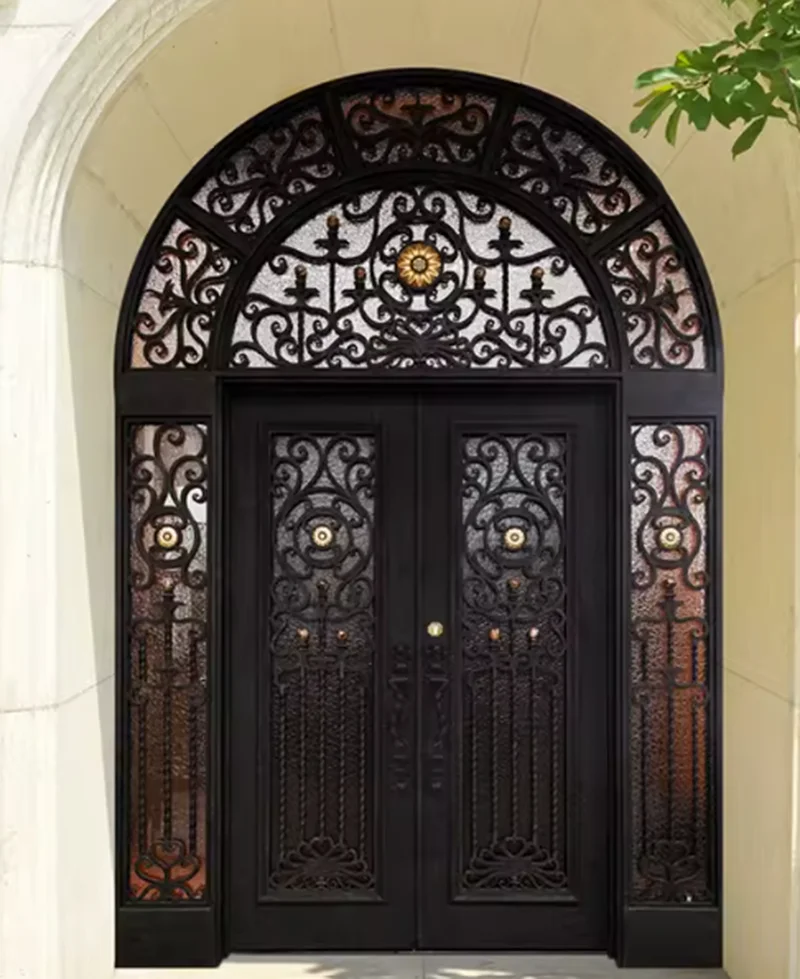
Secure Your Home Against Severe Weather: The Storm-Proof Design of Our Impact-Resistant Garden Doors
The structural integrity of our impact-resistant garden door system is engineered to meet the demands of severe weather, combining a high-performance frame with certified glazing to form a unified defensive barrier.
Frame Construction & Material Integrity
The door’s resilience originates in its composite frame, a multi-layered assembly designed for maximum dimensional stability and strength.
- Core: A laminated veneer lumber (LVL) core provides exceptional racking resistance and screw-holding power, critical for maintaining squareness under wind load and ensuring hardware security. Its cross-laminated structure minimizes expansion/contraction.
- Cladding: The exterior is clad in a high-density Wood Plastic Composite (WPC). Formulated with a precise polymer-to-wood fiber ratio, it achieves a low moisture absorption rate (<0.5%) and superior resistance to UV degradation, salt spray, and biological decay without requiring painting.
- Thermal & Acoustic Break: An insulated thermal barrier within the frame profile decouples interior and exterior surfaces, reducing thermal conductivity. Combined with airtight compression seals, this yields a U-factor as low as 0.85 Btu/(ft²·h·°F) and sound reduction ratings up to 42 dB.
Impact-Resistant Glazing Unit
The glazing is not merely “strong glass”; it is a certified laminated assembly. Two or more panes of heat-treated glass are permanently bonded with a thick, optically clear polyvinyl butyral (PVB) or SentryGlas® (SGP) interlayer. Upon impact, the glass may crack, but the interlayer holds the shards firmly in place, maintaining the barrier against wind, water, and projectile penetration. Glazing units are tested and labeled to comply with:
- ASTM E1996 & E1886: Standard Specification for Hurricane Impact.
- Large Missile Impact (Dade County, FL TAS 201/203): Resists impacts from a 2×4 timber projectile at 34+ fps.
- Cyclic Pressure Testing: Simulates repeated wind load cycles to verify fatigue resistance.
Performance Specifications & Ratings
| Component | Parameter | Test Standard / Grade | Performance Value |
|---|---|---|---|
| Full Door Assembly | Structural Load Rating | ASTM E330 | Positive & Negative Pressure to +120/-120 psf |
| Water Penetration Resistance | ASTM E331 | No leakage at 15% of design pressure (e.g., 18 psf) | |
| Air Infiltration | ASTM E283 | ≤ 0.10 cfm/ft² @ 1.57 psf (Class 40) | |
| Frame Material (WPC) | Moisture Absorption | ASTM D570 | < 0.5% over 24h immersion |
| Linear Thermal Expansion | ASTM D696 | 2.5 x 10⁻⁵ in/in·°F | |
| Fire Reaction | EN 13501-1 | Class B-s1, d0 | |
| Core & Interior | Formaldehyde Emissions | EN 13986 | E0 (<0.065 ppm) |
| Core Stability (LVL) | APA PR-L280 | Rated for 100% humidity exposure |
Architectural & Functional Advantages
- Sealed System: Multi-point locking mechanisms engage with reinforced stainless steel keepers in the frame, compressing perimeter dual-durometer EPDM gaskets to create a weather-tight seal.
- Drainage Management: The frame incorporates a positive-pressure drainage channel system that evacuates incidental water from the glazing pocket and sill, preventing accumulation and ice damming.
- Long-Term Performance: The material system is engineered for minimal maintenance. The WPC cladding will not rot, warp, or require refinishing. All hardware is 316-grade marine stainless steel or anodized aluminum for corrosion resistance in coastal environments.
- Quality Assurance: Manufacturing is governed under ISO 9001:2015 protocols, with batch testing for material consistency and full-scale prototype testing for performance validation.
Maximize Natural Light and Views Without Compromising Safety: The Advanced Glass Technology in Our Garden Doors
The primary challenge in storm-prone architecture is reconciling the desire for expansive glazing with the non-negotiable requirement for occupant and structural safety. Our garden doors resolve this conflict through a multi-layered glass assembly engineered to meet the most stringent impact and pressure standards while maintaining exceptional optical clarity.
The core of the system is a laminated glass panel, certified to meet large missile impact requirements (e.g., ASTM E1996, EN 13541). It consists of multiple plies of tempered glass bonded under heat and pressure to a clear, structural interlayer. Upon impact, the glass may crack, but the interlayer holds the fragments firmly in place, maintaining the barrier against wind, water, and debris. This laminated construction is the fundamental safety component.
To achieve the necessary structural performance for large door assemblies, this laminated unit is then incorporated into an Insulated Glass Unit (IGU). The outer lite is the impact-resistant laminate, while the inner lite is a tempered or heat-strengthened pane. The sealed airspace between them, often filled with argon gas, is critical for thermal and acoustic performance.
Functional Advantages of the Advanced Glass Package:
- Combined Storm & Thermal Performance: The IGU configuration allows the door to achieve a high Design Pressure (DP) rating for wind resistance while simultaneously providing a low U-factor (typically ≤ 0.30) for energy efficiency, managing condensation resistance (CR), and blocking solar heat gain (low SHGC).
- Acoustic Mitigation: The mass of the multi-ply glass, combined with the asymmetric construction and gas fill, creates an effective sound barrier. Performance typically achieves an Outdoor-Indoor Transmission Class (OITC) rating of 35-40 dB, significantly reducing storm and environmental noise.
- UV Filtration & Clarity: The structural interlayer inherently filters over 99% of harmful ultraviolet radiation, protecting interior furnishings. Advanced optical-grade adhesives ensure minimal distortion and color cast, preserving true views and light transmission.
- Maintenance & Safety Integrity: The interior surface of the impact-resistant laminate remains intact even after a test impact, allowing for safe post-event cleanup and temporary shelter-in-place. The system is designed for long-term weatherability without delamination or haze.
The glass must be paired with a door frame engineered for equivalent performance. Our frames utilize a reinforced thermal break, stainless steel or aluminum reinforcement, and multi-point locking systems that engage the frame on three sides to distribute wind load and resist forced entry.
Technical Performance Data: Glass Configuration Options
| Parameter | Standard Performance Unit | High-Performance Unit | Notes |
|---|---|---|---|
| Glass Configuration | 10mm Laminated / 16mm Argon / 6mm Tempered | 12mm Laminated / 16mm Argon / 8mm Heat-Strengthened | Laminated outer lite details glass+interlayer+glass |
| Approx. U-Factor | 0.28 | 0.25 | Center-of-glass value; whole product will be higher |
| Solar Heat Gain Coeff. (SHGC) | 0.25 | 0.20 | Glazing-dependent; lower values reduce cooling loads |
| Visible Light Transmittance (VLT) | 68% | 64% | Maintains high light levels despite performance layers |
| Impact Rating | ASTM E1996, Class D (Large Missile) | ASTM E1996, Class F (Enhanced Large Missile) | Confirms compliance for severe hurricane zones |
| Design Pressure (DP) | DP50 | DP60+ | Integrated door system rating with specified glass |
| Acoustic Rating (OITC) | 35 dB | 40 dB | Standardized measure of broad-frequency sound reduction |
Specification requires the glass unit to be clearly called out as a sealed, laminated insulating unit, with certification from an accredited third-party lab (e.g., Miami-Dade County TAS-201, 202, 203). The framing system’s test reports must be based on the use of this specific glass configuration to guarantee the published structural and thermal ratings.
Engineered for Long-Term Durability and Low Maintenance: The Robust Construction of Our Storm-Resistant Garden Doors
The structural integrity of our storm-resistant garden doors is derived from a composite material core, not traditional solid wood. This engineered approach prioritizes dimensional stability and resistance to environmental stressors inherent to coastal and storm-prone regions.
Core Material: High-Density Wood Plastic Composite (WPC) with LVL Reinforcement
- Formulation: A precise blend of 60% polymer (primarily PVC) to 40% wood fiber by volume, thermally bonded under high pressure to achieve a density exceeding 1.25 g/cm³. This high density is fundamental to impact resistance and screw-holding power.
- Stability: The core is internally reinforced with laminated veneer lumber (LVL) rails at all critical stress points—hinge, lock, and meeting stile locations. The cross-grain lamination of the LVL negates the expansion/contraction forces typical of solid timber, providing a stable substrate for hardware attachment under fluctuating humidity.
- Performance Metrics: The composite formulation results in a moisture absorption rate of less than 0.8% after 24-hour immersion (ASTM D570), effectively eliminating warping, rot, and fungal decay. The material maintains a Shore D hardness of 75-80, ensuring surface resilience.
Performance Cladding and Finishes
Door surfaces are clad in a co-extruded, impact-modified PVC capstock with integrated UV inhibitors.
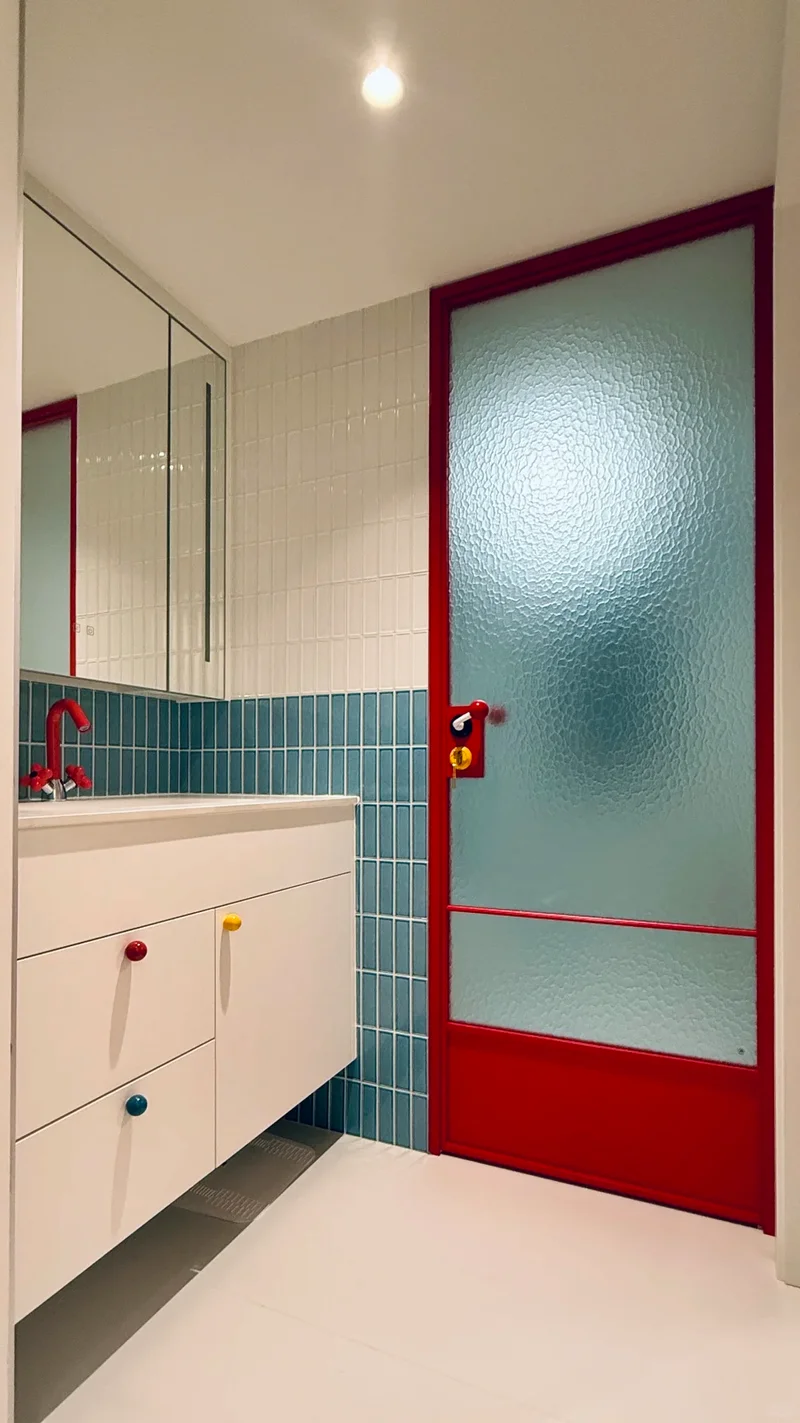
- Weatherability: The capstock is rated for 10,000+ hours of accelerated QUV weathering (ASTM G154) without significant fade or chalk. It requires no painting or sealing.
- Fire Safety: The complete door assembly achieves a Class B-s1, d0 fire rating under EN 13501-1, with the core material independently tested to have a flame spread index ≤25 (ASTM E84).
- Emissions: All composite materials and adhesives comply with the E0 formaldehyde emission grade (≤0.05 ppm per EN 717-1), suitable for sensitive installations.
Integrated Performance Data
The synergy between the robust frame and the impact-resistant glazing unit is quantified in the following tested parameters:
| Performance Characteristic | Test Standard | Achieved Rating / Value | Benefit |
|---|---|---|---|
| Structural Wind Load Resistance | ASTM E330 | Positive & Negative to 120 psf (Passed) | Withstands hurricane-force winds exceeding 140 mph. |
| Water Infiltration Resistance | ASTM E331 | Passed at 15% of design pressure (8.0 psf) | Prevents driven rain penetration during severe storms. |
| Forced Entry Resistance | ASTM F588 | Grade 40 (Highest Residential) | Enhanced security through reinforced lock blocks and multi-point hardware integration. |
| Thermal Insulation (U-factor) | NFRC 100 | U-0.28 (Full door assembly) | Superior energy efficiency, reducing condensation and thermal transfer. |
| Acoustic Insulation | ASTM E90 | STC 38 / OITC 34 | Significant noise reduction from wind and external environment. |
Hardware Integration and Longevity
Hardware is mounted through the PVC cladding directly into the reinforced LVL core within the WPC substrate. This ensures:
- Cyclic Load Durability: Hinges are tested to 250,000 open/close cycles (ANSI/BHMA A156.115) without failure or sag.
- Corrosion Resistance: All exposed hardware is 316-grade marine stainless steel or has a Class III (>720 hour salt spray) powder-coated finish per ASTM B117.
Manufacturing is governed by a certified ISO 9001:2015 quality management system, with every door subjected to in-line dimensional verification and final performance inspection. This engineered construction delivers a maintenance-free service life exceeding 30 years in aggressive coastal climates.
Tailored Installation and Performance Specifications for Storm-Prone Regions
Material & Frame Specifications for High-Wind & Impact Loads
The structural integrity of the door system under storm conditions is paramount. Frame performance is dictated by material composition and engineering, not aesthetics alone.
- Composite Core Construction: High-density Wood Plastic Composite (WPC) cores, with a PVC-to-wood fiber ratio optimized for minimal moisture absorption (<0.5% by volume), prevent swelling and warping under driving rain and humidity shifts. Core stability is further enhanced by laminated veneer lumber (LVL) reinforcement at critical stress points (hinge and lock blocks), providing a dimensional stability coefficient superior to solid timber.
- Impact-Resistant Glazing System: Laminated glass must comply with ASTM E1886/E1996 or equivalent regional standards for large-missile impact and cyclic pressure testing. The polyvinyl butyral (PVB) or SentryGlas® (SGP) interlayer thickness is critical; a minimum 1.52mm PVB (or 0.89mm SGP) is specified for residential applications in HVHZ regions. The glass unit must be fully captured within a structurally glazed or deep-rabbeted frame channel, secured with a high-durability silicone sealant to prevent dislocation under negative pressure.
- Hardware and Sealing Performance: Continuous, multi-point locking systems with stainless steel bolts engaging reinforced strike plates at minimum 5 points per door leaf are mandatory. Perimeter compression seals must have a Shore D hardness between 45-55, ensuring resilience and maintaining an air infiltration rating ≤ 0.3 cfm/ft² when tested per ASTM E283 under design pressure.
Performance Data: Critical Parameters
| Parameter | Specification | Test Standard / Rationale |
|---|---|---|
| Design Pressure (DP) | +120/-150 psf minimum (site-specific engineering required) | ASCE 7, based on project wind speed and exposure category. |
| Impact Resistance | Large Missile (2×4 @ 50fps) & Cyclic Pressure | ASTM E1886 / E1996, Miami-Dade County TAS 201/203 or equivalent. |
| Structural U-Factor | ≤ 0.30 Btu/(h·ft²·°F) | NFRC 100 certification for the entire door assembly. |
| Sound Transmission (STC) | ≥ 35 dB | ASTM E90, achieved through laminated glass and sealed frame. |
| Water Penetration Resistance | ≥ 15% of Design Pressure | ASTM E547, verifying seal integrity under wind-driven rain. |
| Frame Swelling Coefficient | ≤ 0.1% volumetric change @ 65-95% RH | ASTM D1037, for WPC core material stability. |
| Formaldehyde Emission | E0 or CARB Phase 2 Compliant | EN 717-1 / ASTM E1333, ensuring indoor air quality. |
Installation Protocol for Structural Integrity
Deviations from prescribed installation methods void performance certifications. The following are non-negotiable for storm-rated applications.
- Rough Opening Preparation: The structural rough opening must be plumb, level, and square within a 1/4″ tolerance over 10 feet. A continuous, properly flashed sill pan system or equivalent drainage plane is required beneath the threshold.
- Anchoring and Shim Methodology: Frames must be secured with corrosion-resistant (304 or 316 stainless steel) anchors at intervals not exceeding 16″ on center. Shim packs must be placed directly behind all hinge and lock points, and at intermediate anchors, using composite or plastic shims to prevent compression. Anchors must not overtighten to distort the frame profile.
- Sealing and Integration: Apply a structural sealant (minimum 50% movement capability) between the door frame and the prepared opening on all sides. The exterior air/water barrier must be integrated and lapped over the flange or sealed to the frame’s exterior face. Interior sealants must be low-VOC, paintable, and compatible with interior finishes.
- Post-Installation Verification: Conduct a final operational check of all hardware under slight frame compression. Provide the building owner with the manufacturer’s Product Approval notice, the referenced test reports, and installation documentation for inclusion in the building’s maintenance manual.
Trusted by Homeowners and Builders: Certifications and Warranty for Peace of Mind
Our doors are engineered as a unified structural system, not merely an assembly of components. This systems approach is validated by independent third-party certifications and backed by comprehensive warranties, providing documented assurance of long-term performance in coastal and storm-prone environments.
Certifications: Validated Performance Data
Certification is not a marketing exercise but a forensic verification of material properties and assembly integrity against recognized international standards.
- Impact Resistance & Structural Certification: Products are tested and certified to meet or exceed ASTM E1886/E1996 and Miami-Dade County TAS 201, 202, and 203 protocols. This certifies the complete door assembly—frame, glass, and hardware—for missile-impact resistance and cyclic wind pressure loading, ensuring it remains an effective weather barrier during and after a storm event.
- Material & Manufacturing Quality: Production under ISO 9001 certified quality management systems ensures batch-to-batch consistency. Composite material formulations are verified:
- WPC (Wood Plastic Composite) Profiles: Certified density (>1.2 g/cm³) and optimal wood fiber/PVC ratio for dimensional stability, with moisture absorption rates below 1.5% to prevent swelling.
- LVL (Laminated Veneer Lumber) Core: Stability certified to EN 14374 / ASTM D5456, providing a predictable, uniform substrate with minimal warping potential compared to solid timber.
- Formaldehyde Emissions: All composite and laminated components comply with E0 (<0.5 mg/L) or E1 (<1.5 mg/L) emission grades as per EN 13986.
- Comprehensive Performance Ratings: Certified test data provides architects with reliable specifications for integration into building envelope calculations.
- Thermal Insulation: U-factors as low as 0.15 Btu/(hr·ft²·°F) (0.85 W/m²K) for the complete door system, certified per NFRC 100/200 or EN 14351-1.
- Acoustic Performance: Achieves sound reduction ratings up to Rw 44 dB (C; Ctr) when configured with appropriate acoustic laminated glass, tested to ASTM E90/E413 or ISO 10140.
- Fire Performance: Where required, glazing and frame systems can achieve up to 60-minute integrity (EI) ratings per EN 13501-2 or ASTM E119.
Warranty: Engineered for Longevity
The warranty reflects our confidence in the material science behind the product. It is a transparent contract based on predictable performance.
| Warranty Component | Scope & Technical Basis | Duration |
|---|---|---|
| Glass & Sealed Units | Failure of the hermetic seal leading to condensation or dust ingress between panes. Covers laminated impact glass interlayer integrity. | 10 Years |
| Frame & Structural Profiles | Against material defects in WPC/PVC composites, including cracking, blistering, or delamination not caused by impact. Warranted swelling rate is < 0.5% under 65% RH. | 10 Years |
| Hardware & Mechanical | Against functional failure of multi-point locking systems, hinges, and rollers under normal use. Components are rated for a minimum of 25,000 cycles (EN 1630/1631). | 10 Years |
| Finish & Color Retention | Against fading or chalking exceeding ΔE < 5 on the CIELAB scale when measured against unexposed samples. Foil laminates and co-extruded cap stocks are tested to EN 927-6 for weathering. | 10 Years |
| Installation & Weathertightness | Professional installation by our certified network is backed by a separate workmanship warranty, ensuring the certified performance of the entire installed system. | 2-5 Years |
Key Warranty Provisions:
- Warranty is non-transferable and requires professional installation per our engineered sub-frame and sealing details to maintain the certified performance of the system.
- Coverage excludes damage from catastrophic weather events exceeding the certified design pressures (e.g., tornadoes, direct hurricane eyewall), improper maintenance, or unauthorized modification.
- Full warranty terms, including claim procedures and required maintenance protocols (e.g., cleaning agents, hardware lubrication schedules), are provided in the technical documentation.
Frequently Asked Questions
What are the critical material specifications for WPC garden doors in humid, storm-prone climates?
Opt for high-density WPC (>1,200 kg/m³) with a low moisture expansion coefficient (<0.5%). Ensure an E0-grade formaldehyde-free core. The frame must integrate a reinforced LVL (Laminated Veneer Lumber) core and a minimum 200-micron PVC coating for waterproofing, preventing warping and delamination under sustained humidity and thermal cycling.
How is impact resistance certified, and what glass specification is mandatory for hurricane zones?
Require doors certified to ASTM E1886/1996 or large missile impact standards. The glass must be a laminated insulating unit: a minimum of 0.060″ PVB interlayer between tempered panes. The sealed unit should be structurally glazed into the frame to resist positive and negative pressure loads during cyclonic events, ensuring no blow-out.
What design features prevent long-term structural warping and ensure airtight sealing?
Beyond material specs, incorporate a multi-chambered frame profile and continuous thermal breaks. Use stainless steel reinforcement at all hinge and lock points. Critical is a 3-point or multi-point locking system compressing dual EPDM gaskets (shore hardness 70±5) around the entire perimeter, maintaining seal integrity against frame deflection over time.
What thermal insulation performance (U-value) should I demand, and how is it achieved?
Target a door U-value ≤ 0.8 W/(m²K). This is achieved through a polyurethane foam-injected WPC profile, a warm-edge spacer in the insulated glass unit, and the aforementioned thermal break. This minimizes condensation and energy transfer, which is critical in coastal areas with significant temperature swings between storms and normal conditions.
How are finishes engineered to withstand intense UV exposure and salt-air corrosion?
Demand a co-extruded or full-through color WPC cap stock with UV inhibitors. For painted aluminum components, specify a powder-coated finish with a minimum 80-micron thickness, tested to ASTM B117 salt-spray standards for 1,000+ hours. This prevents fading, chalking, and corrosion, maintaining aesthetic and structural integrity.
What sound insulation performance can be expected from a properly specified impact-resistant garden door?
With a laminated glass configuration (6mm/0.060″/6mm) and a sealed, gasketed multi-chamber profile, achieve a Sound Transmission Class (STC) rating of 35-40 dB. This significantly reduces storm noise and general ambient sound, contributing to occupant comfort and safety in noisy coastal environments.
What are the critical installation and maintenance protocols to guarantee rated performance?
Installation requires a fully waterproofed and leveled structural threshold. Anchor the frame with stainless steel fasteners at 400mm centers. For maintenance, annually inspect and lubricate hardware with a silicone-based product, and clean tracks and gaskets to prevent salt and debris buildup that compromises operation and sealing.